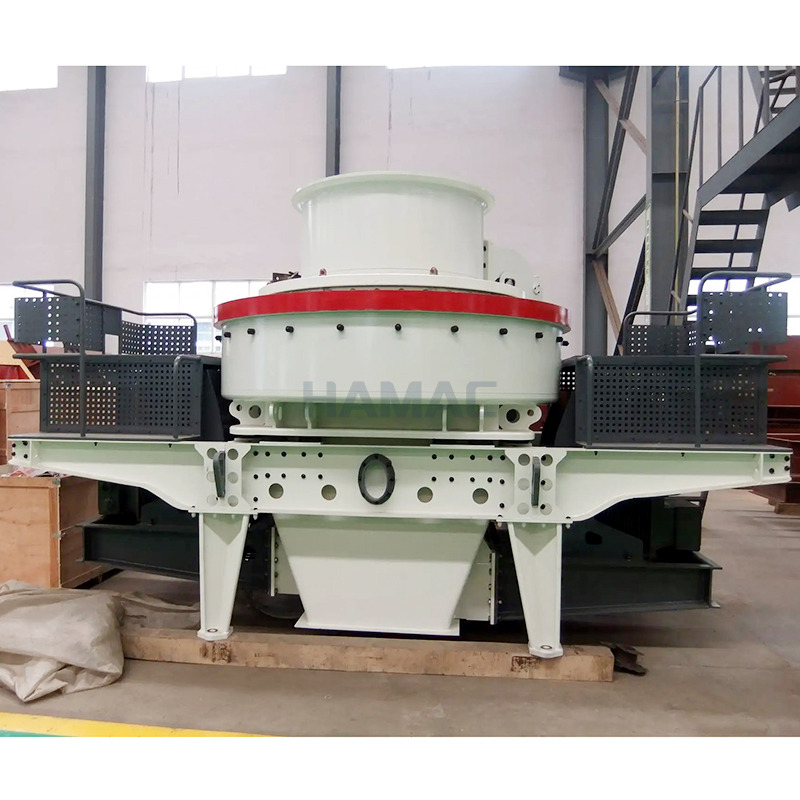
Overview
Impact crushing gives shape at a low wear cost. In Russia the most frequently processed feed materials are Granite, Coal, Basalt, and equipment is normally delivered through St Petersburg on 380V 50Hz supplies.
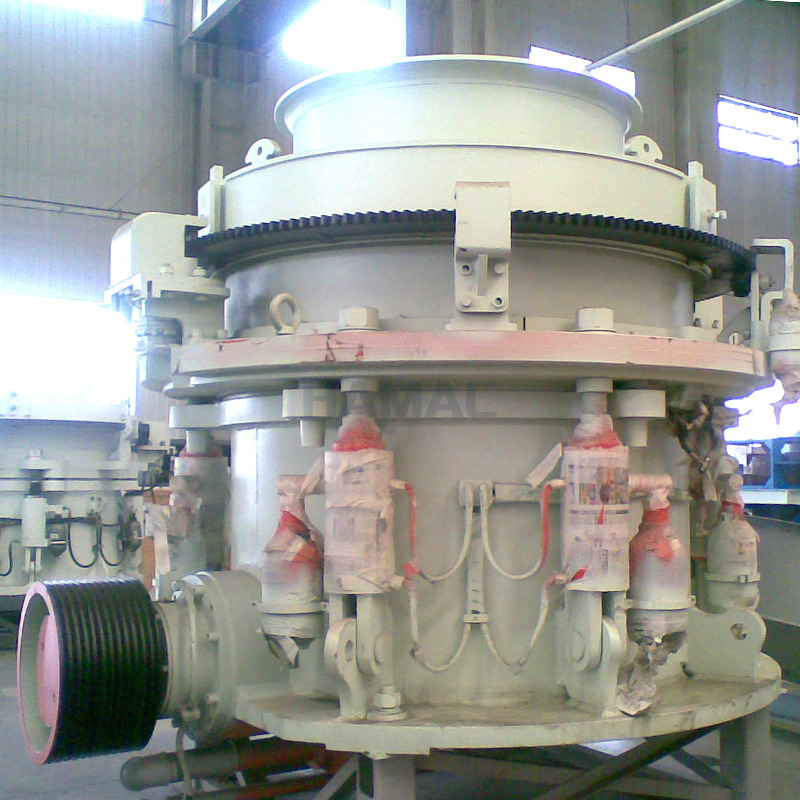
Materials in scope
- Limestone — Mohs 3, ~100 MPa, low abrasion
- Marble — Mohs 3, ~90 MPa, low abrasion
- Dolomite — Mohs 3.5, ~110 MPa, low abrasion
Recommended machines
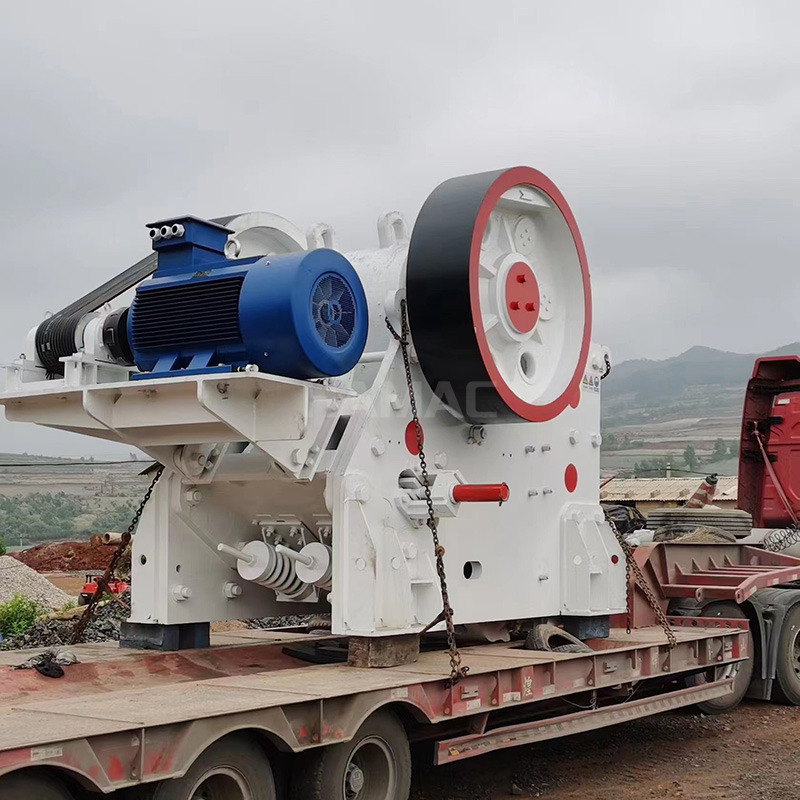
- PE Series Jaw Crusher
- PF Impact Crusher
- Mobile Impact Crusher Plant
Engineering for Russia
| Item | Reference |
|---|---|
| Port | St Petersburg |
| Power | 380V 50Hz |
| Standards | GOST |
| Region | Europe/Asia |
Reference data for this configuration
| Parameter | Reference value |
|---|---|
| Destination port | St Petersburg |
| Site supply | 380V 50Hz |
| Local standards | GOST |
| Region | Europe/Asia |
| Application | Soft Rock |
| Typical feed | Limestone, Marble, Dolomite |
| Assumed duty | continuous quarry production |
| Evaluation horizon | single-project view |
Treat this as a living sheet. Every revision of the flow sheet for Russia should update the same fields so the equipment list stays traceable.
Project profile these notes assume
| Assumption | Value |
|---|---|
| Operating duty | continuous quarry production |
| Primary objective | minimal civil works |
| Evaluation horizon | single-project view |
| Site condition | a greenfield site |
| Operating team | a full-time plant team |
Change any one of these assumptions and the recommended configuration for the crushing and screening plant may change. HAMAC re-runs the same checks against your own numbers once the enquiry data sheet is received.
From enquiry to the first saleable tonne
- Run a sieve analysis on a representative sample and attach the grading curve to the enquiry.
- Verify the electrical single-line diagram, cable sizing and starter type with the local utility.
- Specify motors, starters and documentation for 380V 50Hz and GOST before manufacture.
- Set the closed-side setting or rotor speed against the required product fractions, then verify the expected reduction ratio.
- Check bearing and lubrication arrangements against the ambient temperature range at the site.
- Define the acceptance test: sampling points, test duration, moisture range and who signs the protocol.
- Plan training for a full-time plant team on CSS adjustment, liner change-out and lock-out / tag-out.
- Record the as-built settings and give the operator a written daily, weekly and monthly schedule.
- Choose compression or impact reduction according to hardness, silica content and required particle shape.
Most delays at this stage come from missing feed data rather than from manufacturing capacity.
What to verify before you sign
- Tramp-iron protection — hydraulic release, magnet and metal detection on the feed belt.
- Product sampling points and the lab equipment needed for routine grading checks.
- Access for liner change-out — crane radius, lifting points and clearance around the chamber.
- After-sales response time, technician availability and the warranty exclusions in writing.
- Delivery terms (FOB / CFR / CIF) with the destination port named explicitly.
- Dust and noise control designed to the local emission limits for Russia.
- Saleable tonnes per hour at each product size, not gross crusher throughput, for your target tonnage.
- Screen deck count, aperture and area; ask for the efficiency calculation, not just the mesh size.
- Liner alloy: Mn18 with ceramic inserts matched to the rock, not to the lowest purchase price.
Score each supplier against the same ten items and keep the score sheet with the purchase file for the single-project review.
Where the money actually goes
| Cost line | Indicative share | What moves the number |
|---|---|---|
| Equipment & drive packages | 53% | Model size, number of stages and automation level |
| Ocean freight & insurance | 11% | Destination port, container count and out-of-gauge cargo |
| Civil works & foundations | 8% | Soil conditions, dynamic loads and site preparation |
| Erection, commissioning & training | 7% | Local labour, supervision scope and schedule |
| First-year wear parts | 14% | Rock abrasiveness, liner grade and operating hours |
| Power, lubricants & consumables | 7% | kWh per tonne, local tariff and dust suppression water |
Include downtime in the model. An unplanned liner change on a remote site costs far more than the casting itself.
Mistakes that cost more than the machine
- Choosing screen apertures before the concrete or asphalt mix design is fixed.
- Specifying motors for the wrong voltage or frequency and rewinding them on site.
- Overlooking dust, noise and water permits in Russia until erection has already started.
- Omitting a bypass chute, so a single screen fault stops the whole line.
- Buying minimal civil works on price alone and losing it in availability.
- Skipping a geotechnical check and discovering settlement under the primary crusher at a greenfield site.
- Selecting the cheapest liner alloy for hard, high-silica rock and paying for it in change-outs.
- Planning the crusher but not the conveyors, transfer chutes and stockpile capacity around it.
On a greenfield site, the civil and logistics items deserve as much attention as the crusher itself.
Commissioning checklist
- Measure noise and dust at the operator position against the local limit.
- Calibrate the belt scale and any level probes against a known load.
- Dry-run the plant empty for the specified period and record vibration.
- Measure and log the as-new CSS / setting for future wear comparison.
- Introduce feed in graded steps: 25%, 50%, 75%, then full load.
- Sample each product fraction and compare with the specification.
- Agree the punch list, sign the hand-over protocol and file the as-built drawings.
- Record power draw, tonnage and chamber pressure at steady state.
Keep the signed record; it is the only defensible baseline for later performance disputes.