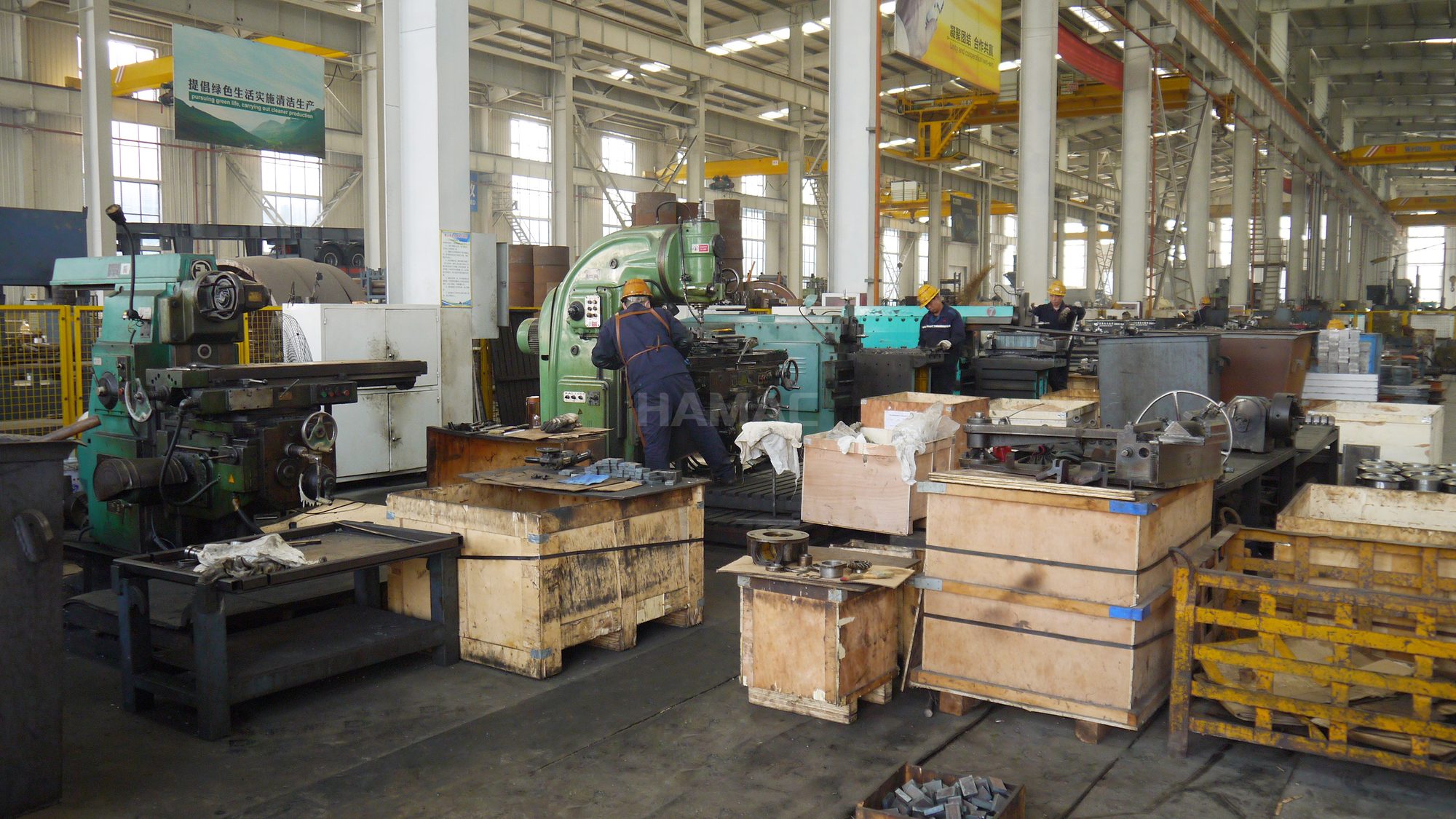
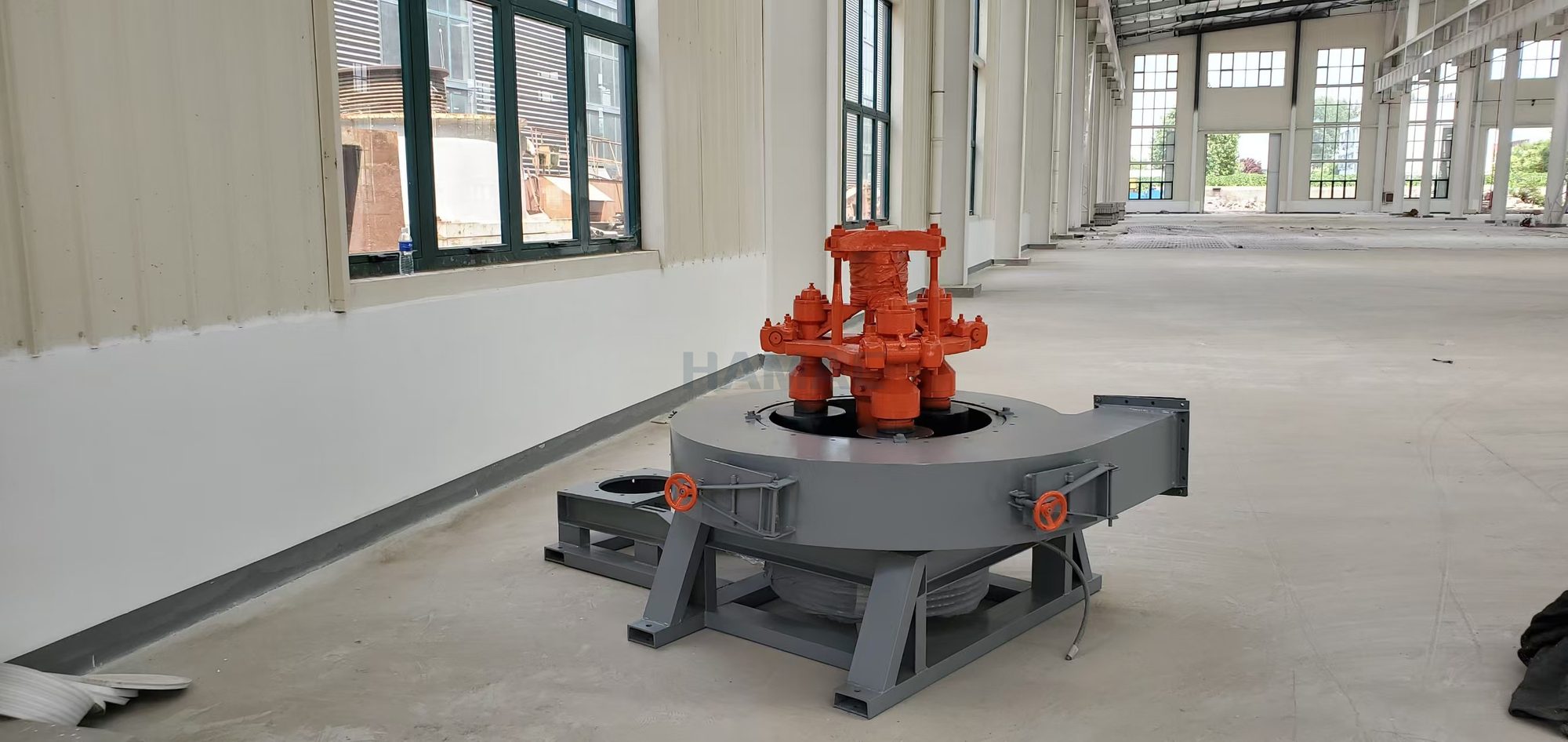
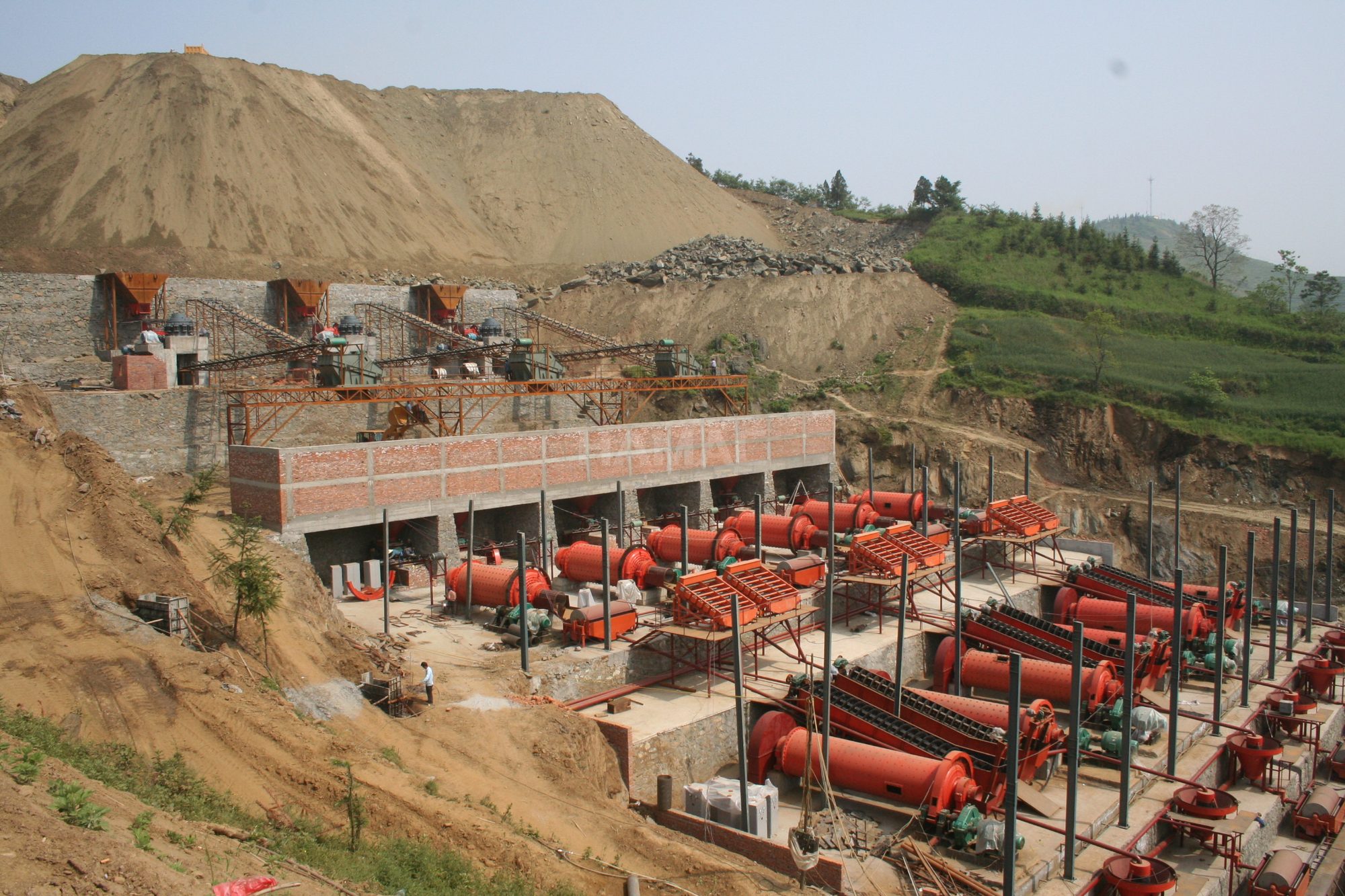
What does a Limestone Grinding Plant include?
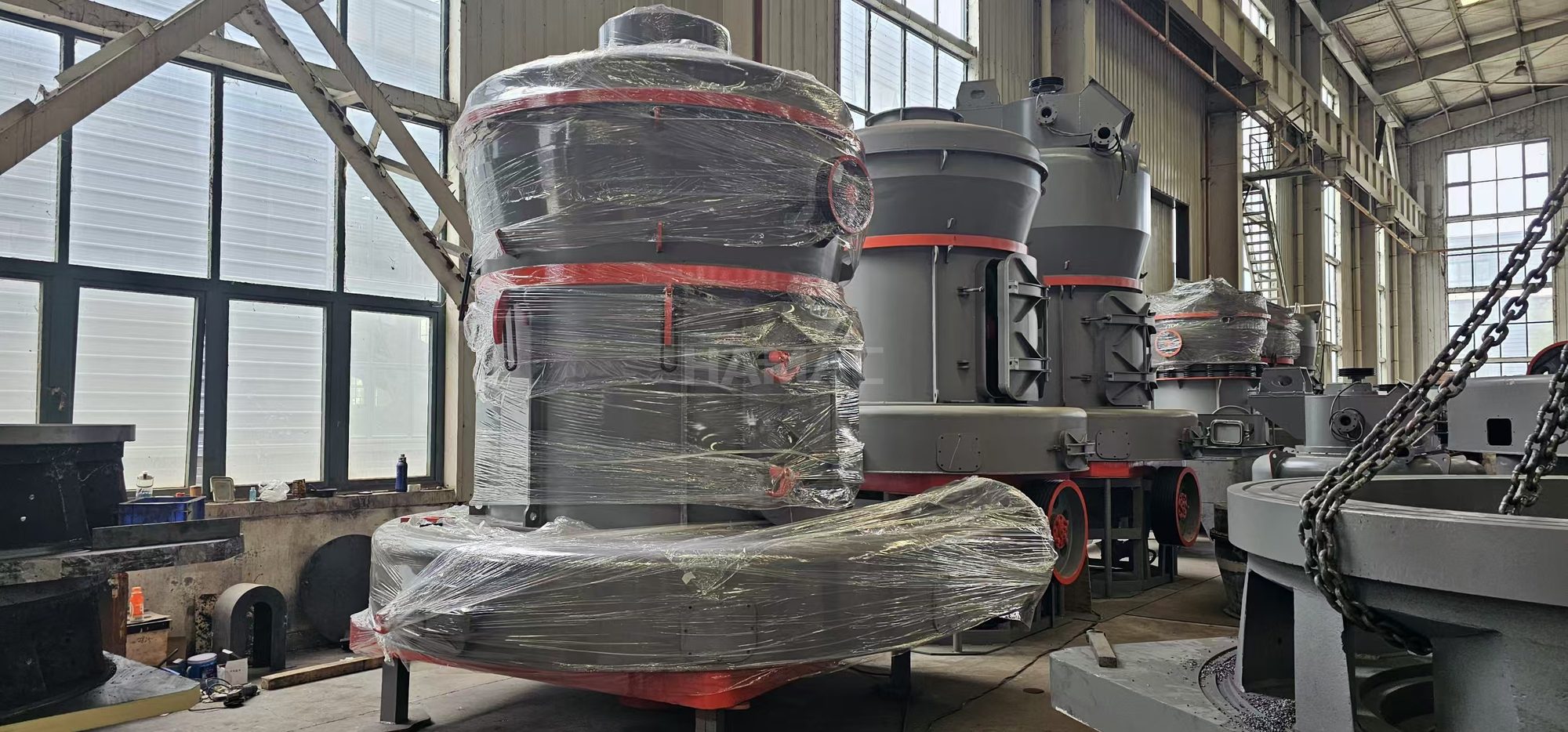
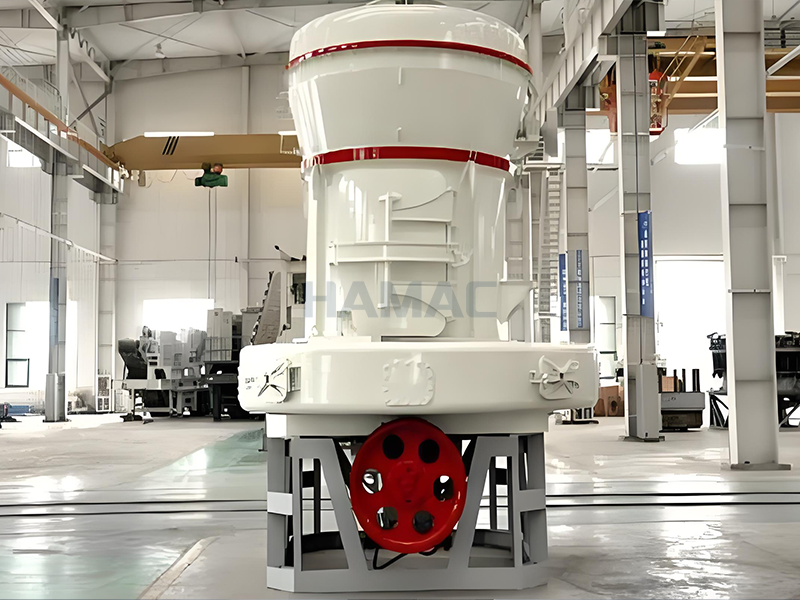
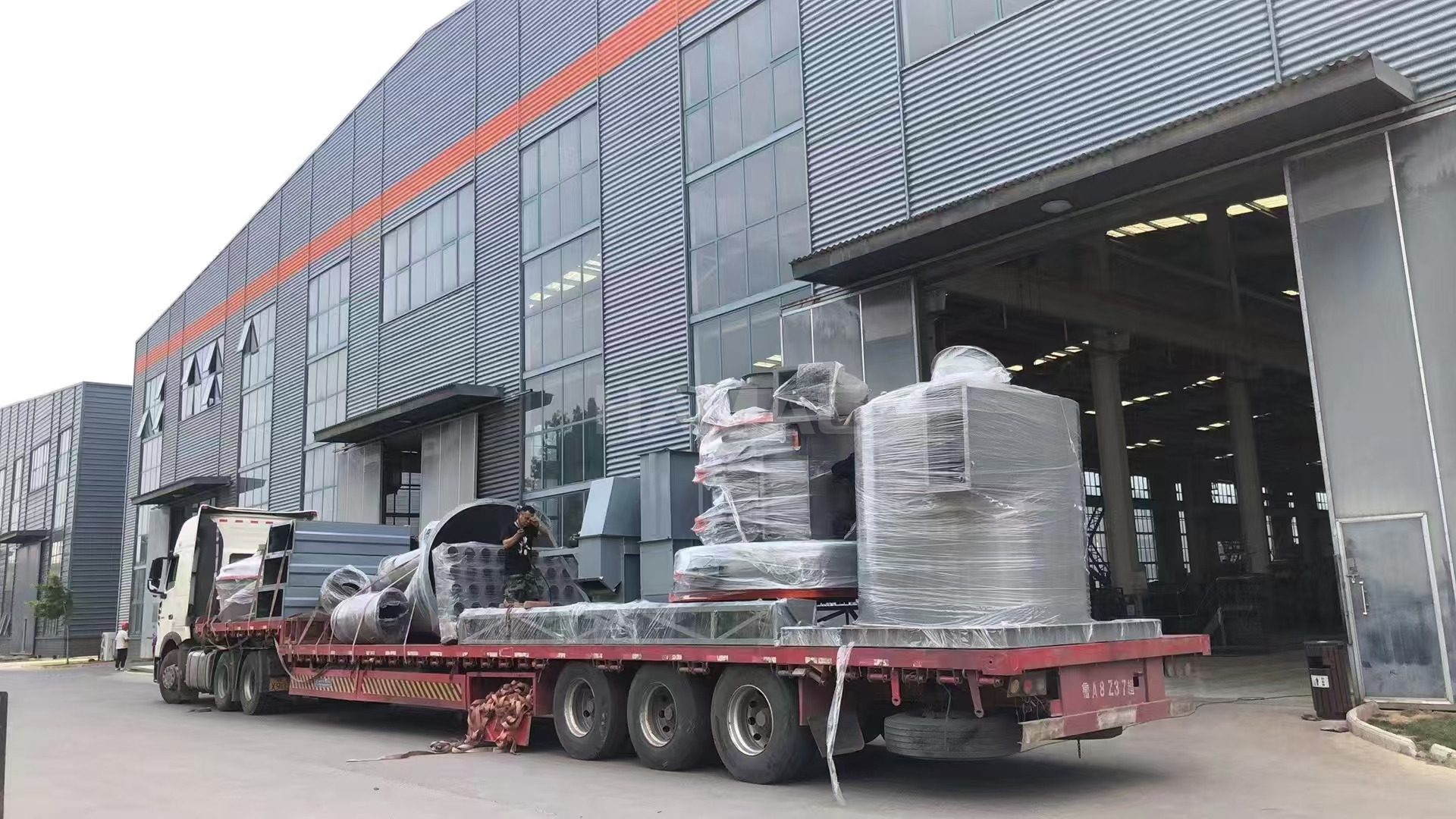
Limestone Grinding Plant is a HAMAC engineered process design rated at the required throughput, built around grinding and classification. A standard proposal includes the equipment list, process flow diagram, plant layout, power requirement, foundation reference, container loading plan and a budget quotation — prepared from your raw material, feed size and product specification.
The limestone grinding plant is designed to process limestone into fine powder, which is essential for various industries such as cement production. It features advanced grinding technology and energy-efficient equipment for high performance.
The single biggest mistake in plant budgeting is sizing the crusher on rated t/h while ignoring the screening area, conveyor capacity and surge buffer. HAMAC engineers size every stage against the required throughput of saleable product, not against the crusher's theoretical maximum.
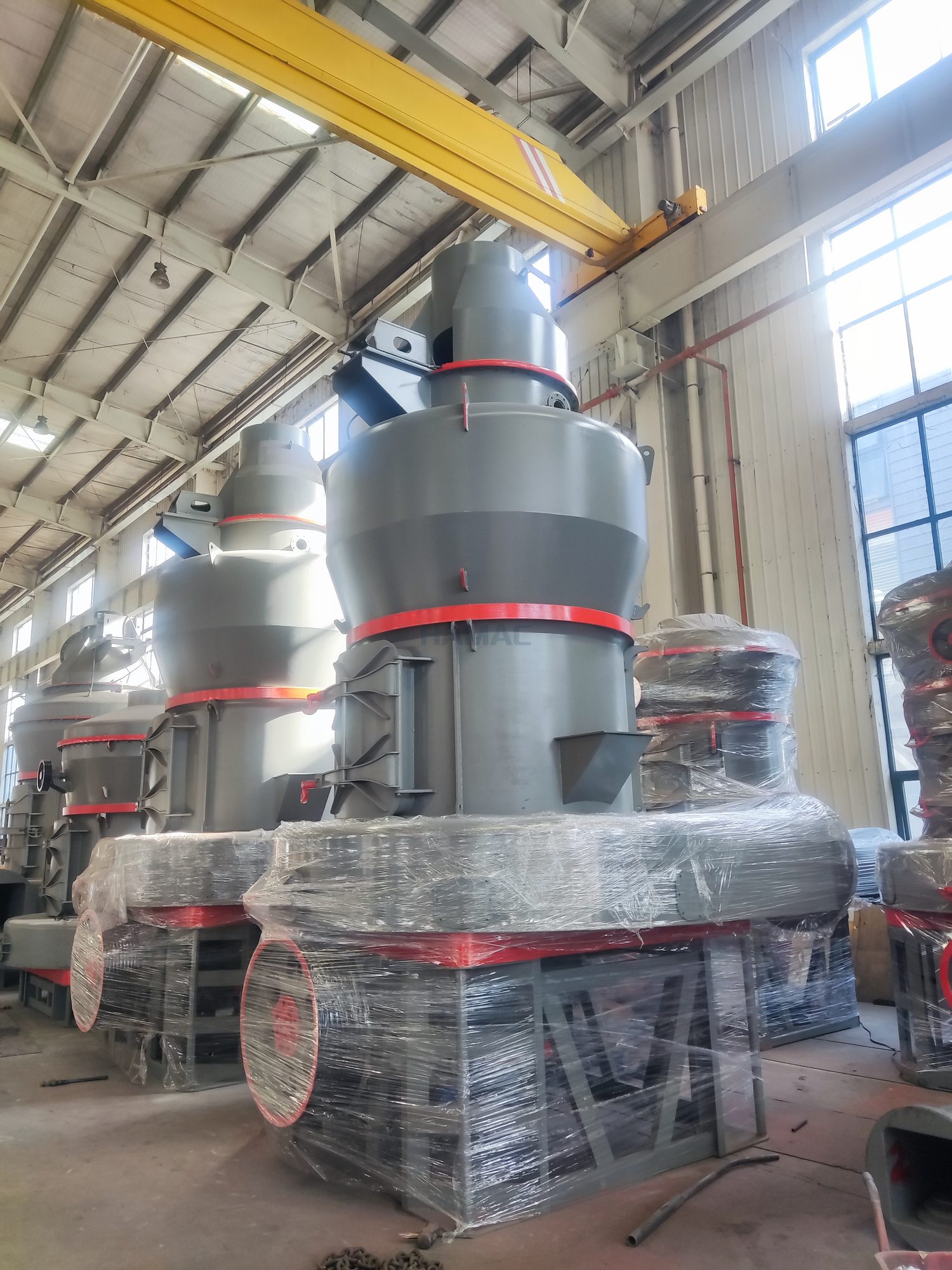
Process flow and equipment configuration
A Limestone Grinding Plant follows this sequence. Equipment models are selected after the material test and product grading are confirmed:
- Raw material is crushed to below 15–25 mm in a jaw crusher circuit.
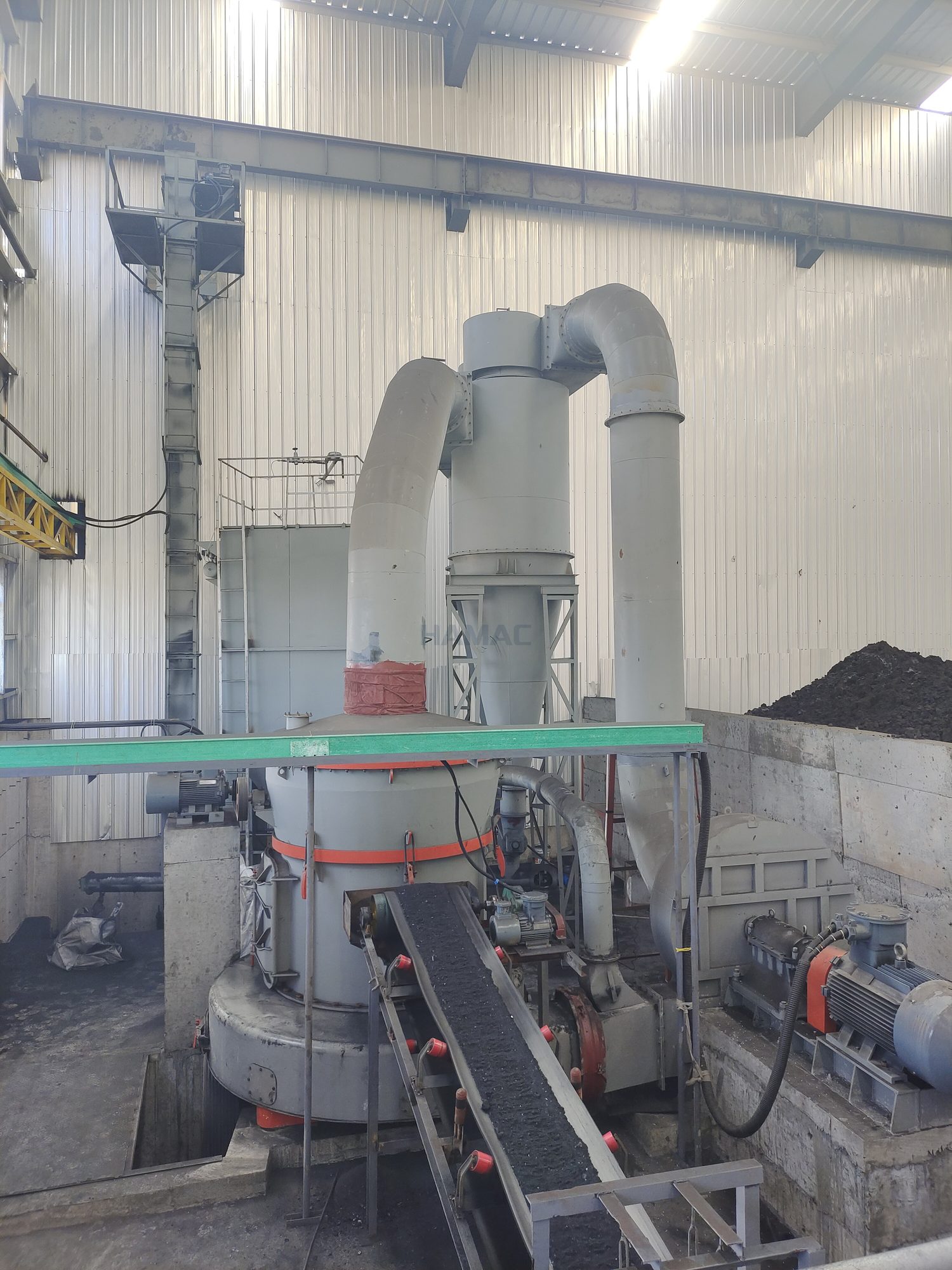
- A bucket elevator and storage hopper meter the feed to the grinding mill.
- The YGM or MTW mill grinds the material; a classifier separates qualified powder.
- Oversize returns to the mill; finished powder is collected by cyclone and bag filter.
- Dust collection and packing complete the line.
| Plant capacity | Typical main machines | Circuit note |
|---|---|---|
| 50–100 t/h | PE500×750 / PE600×900 jaw + PF1010 impact or small cone | 1–2 screen decks, 1 mobile unit or a compact stationary line |
| 100–200 t/h | PE750×1060 jaw + HPT200 / PF1214 + 3YK1860 screen | The most common range for quarry and contractor projects |
| 200–300 t/h | PE900×1200 jaw + HPT300 / HP300 + 3YK2160 screen | Two-stage crushing with closed-circuit screening |
| 300–500 t/h | PE1000×1200 / C110 jaw + two cone crushers + 3YK2460 screens | Requires a proper stockpile, conveyor and dust-control design |
| 500–1000+ t/h | Multiple parallel crushing lines + modular screening towers | Engineered as a full plant with power, civil and automation design |
See the YGM high-pressure grinding mill and MTW European-type grinding mill for model data.
What determines the final plant design?
- Material properties. Compressive strength, silica / abrasiveness, moisture and clay content decide whether compression or impact crushing is economical at the required throughput.
- Feed and product. Maximum block size and the number of saleable fractions decide crusher setting, screen decks and recirculation load.
- Site conditions. Available grid power, terrain, space, haul distance and relocation frequency decide stationary, modular, wheel-mobile or tracked equipment.
- Environmental rules. Dust suppression, noise enclosures and water recycling are sized to local permits.
- Commercial terms. FOB / CFR / CIF, voltage and frequency, spare-parts package, installation supervision and operator training.
HAMAC has delivered plants in Oman, Iraq, Jamaica, Chile, Algeria, Guinea, the Philippines, South Sudan, Tanzania, Vietnam, South Africa and Russia. Review the project references to see real configurations, materials and capacities.
Budget and operating cost drivers
For a the required throughput plant, capital cost is driven by the number of crushing stages, crusher size, mobility, generator requirement and the amount of steel structure and conveyor. Operating cost per tonne is driven mainly by energy, wear parts and downtime — in abrasive rock, liners and blow bars dominate.
Useful reading: crusher plant cost guide, operating cost per tonne, and stationary vs mobile plant comparison. For an itemised budget, send your project data.