
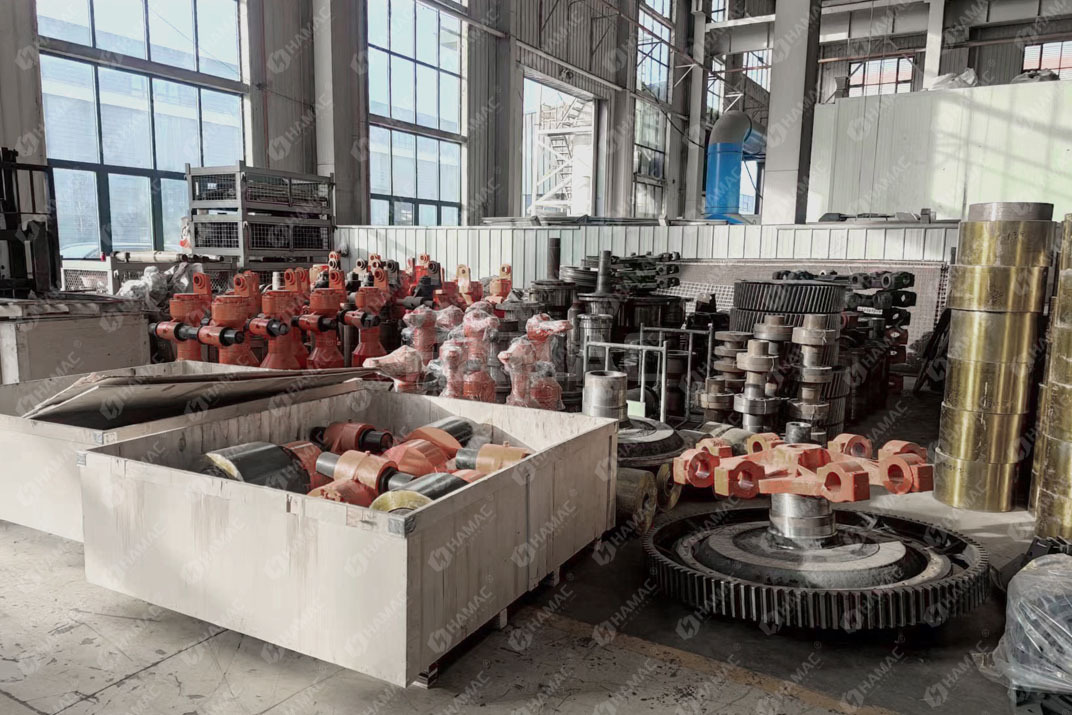
01 / COLUMN · 69 ARTICLES
Crushing circuit design
Flow sheets, stage balance and product grading — how a crushing circuit is configured and why a nameplate t/h figur…
Browse column700 illustrated answers to real crushing, screening and grinding plant problems.
Each article fixes one material, one plant scenario and one engineering problem — then gives a design basis, a diagnosis, a configuration, acceptance checks and a cost note.
What is the HAMAC engineering solution library? A collection of 700 dated technical articles on crushing, screening, grinding and plant operation, organised into 8 columns, 20 material guides and 21 recurring fault types. Every article states its figures with units, separates nominal selection values from guaranteed performance, and links to the equipment and plant designs behind the recommendation. All are written by the HAMAC Machinery technical desk.
Eight editorial sections. Each one is a crawlable index of every article in that subject.
Flow sheets, stage balance and product grading — how a crushing circuit is configured and why a nameplate t/h figur…
Browse column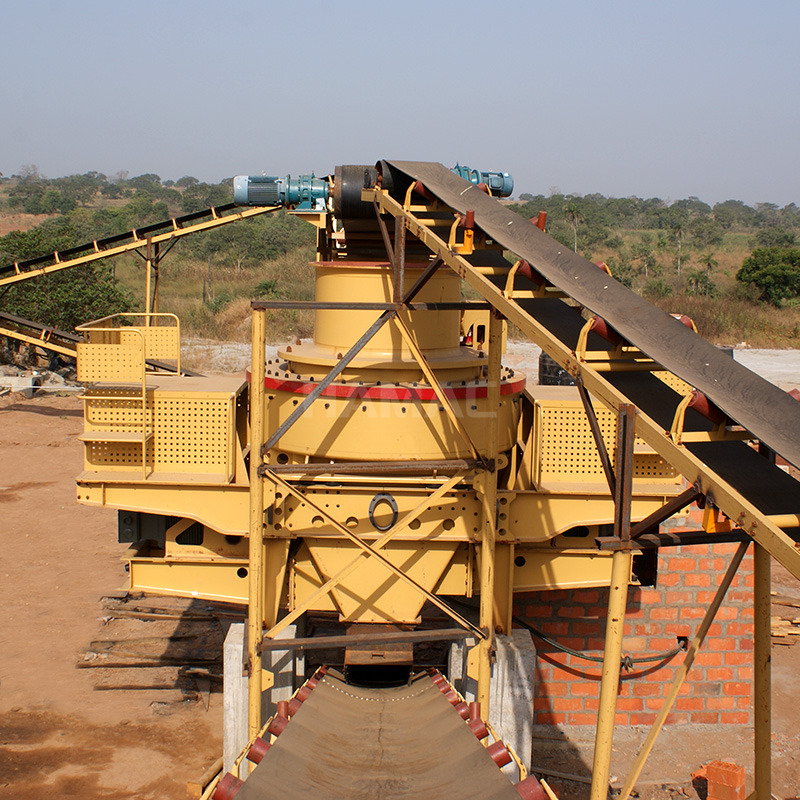
How hardness, silica content, clay and moisture change the crusher train, the wear parts and the settings for 20 ro…
Browse column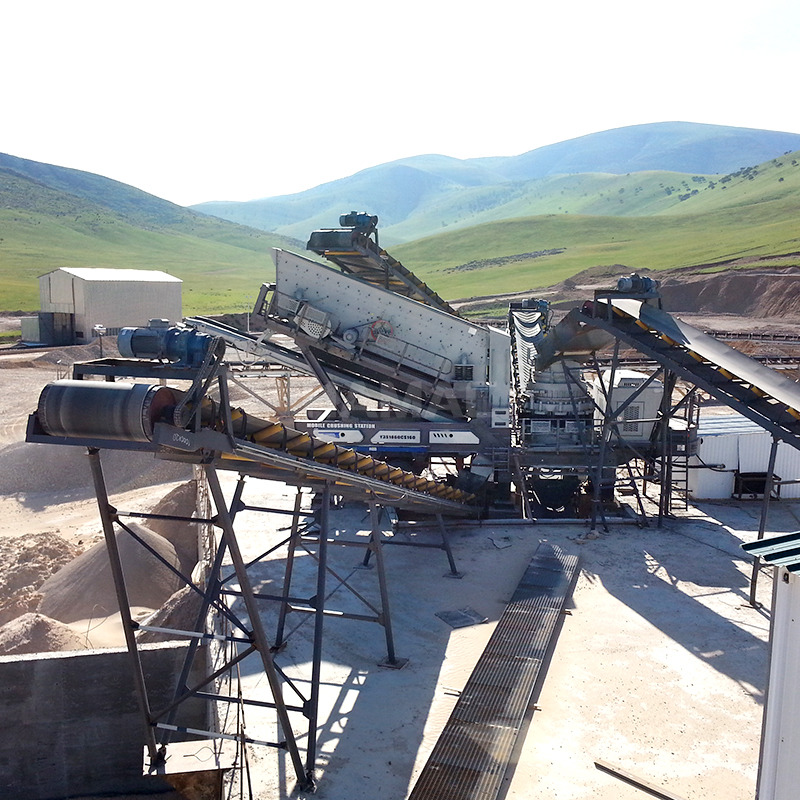
Wheel-mounted, tracked and modular plants for contract crushing, remote sites, phased quarries and projects that mu…
Browse column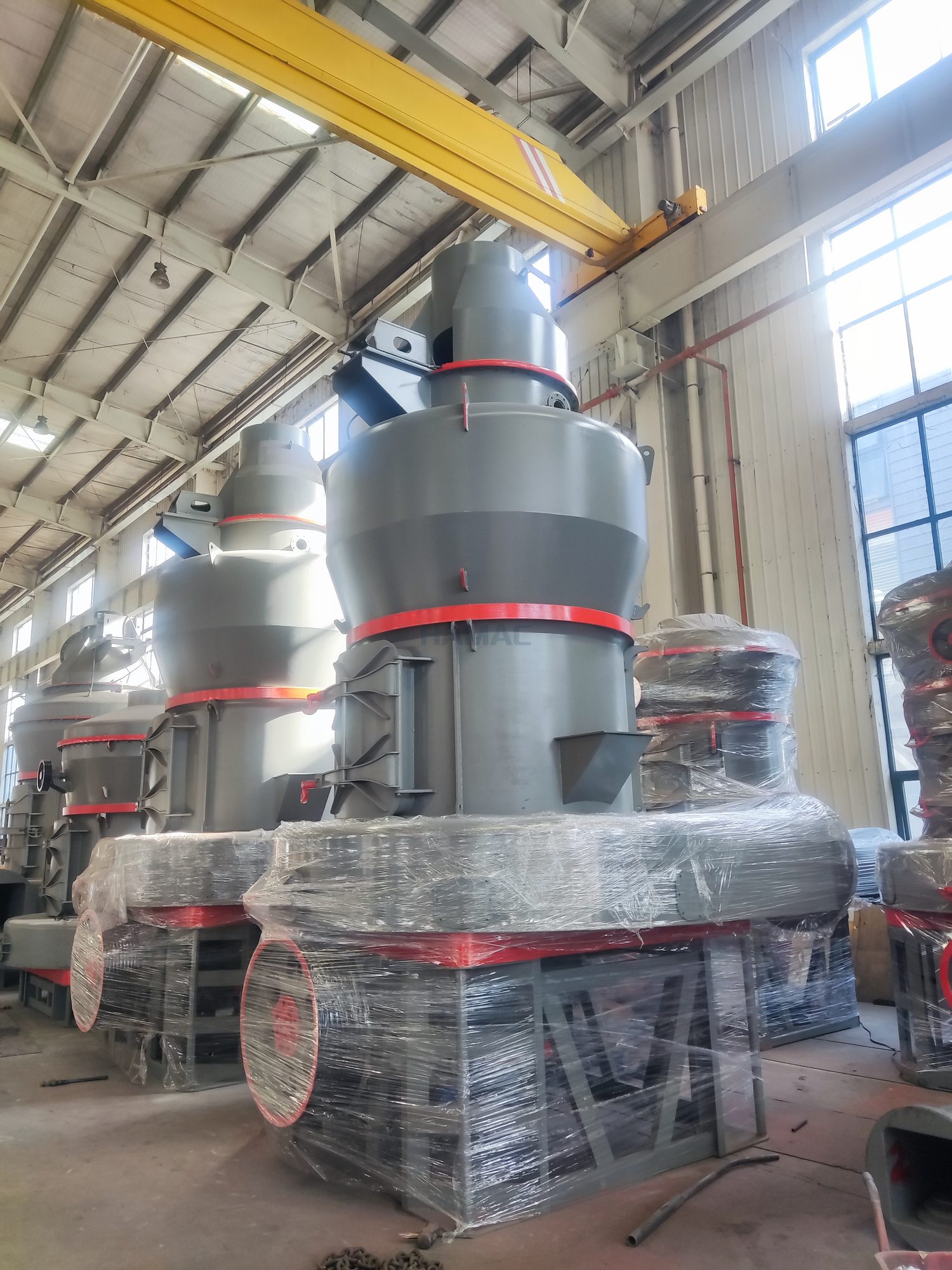
Fine and ultra-fine powder circuits: mill selection, classification, fineness control, air flow, moisture and dust …
Browse column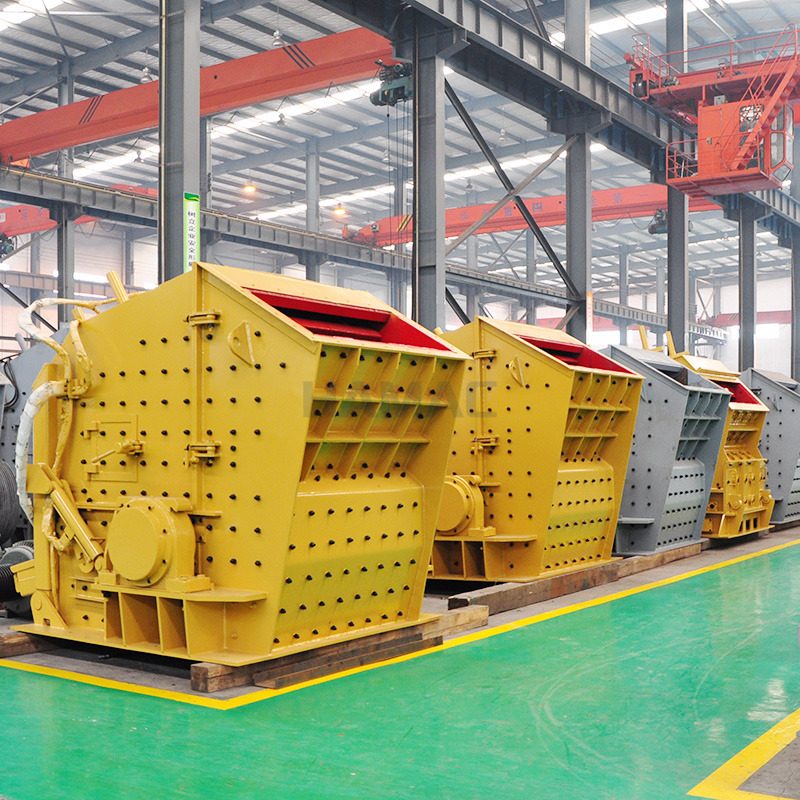
Liner and blow-bar metallurgy, wear cost per saleable tonne, planned change-outs and the maintenance routines that …
Browse column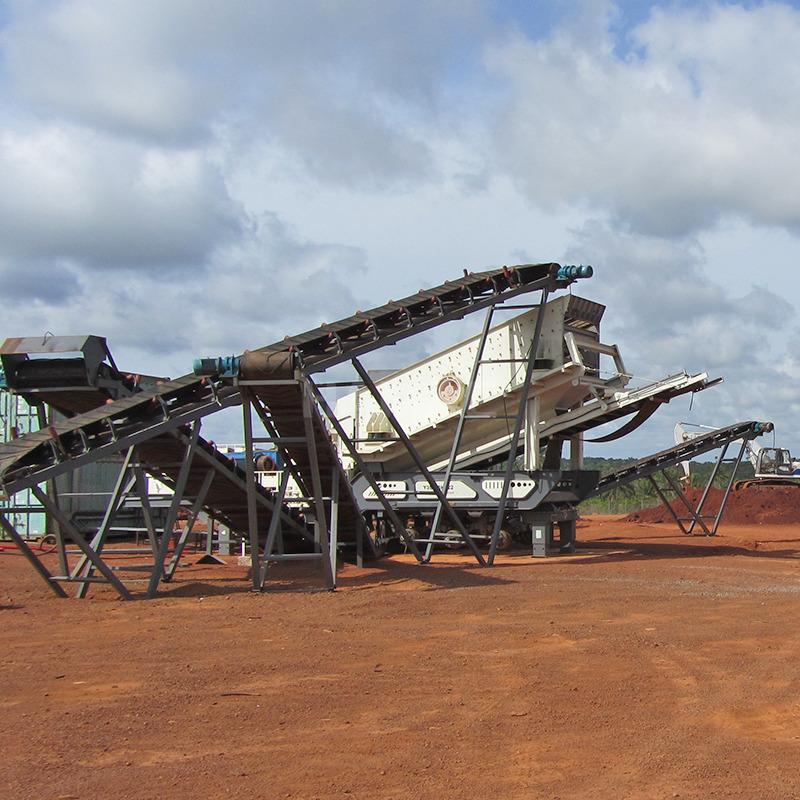
CAPEX, OPEX, specific energy, installed power, Incoterms and the written figures that make two quotations comparabl…
Browse column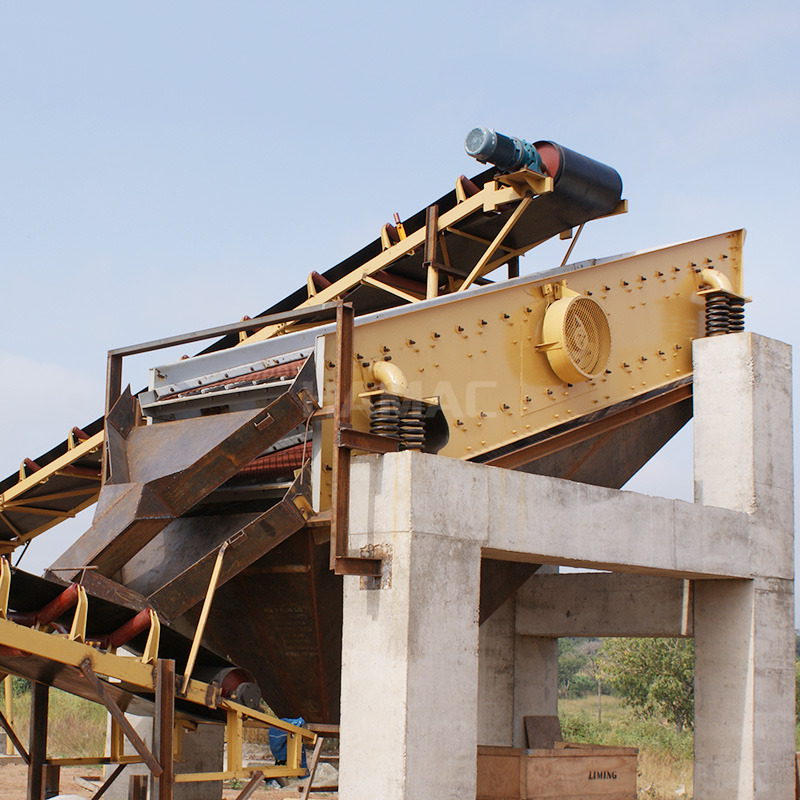
Dust suppression, noise, water recovery, guarding, tramp-metal protection and the permit conditions that shape a pl…
Browse column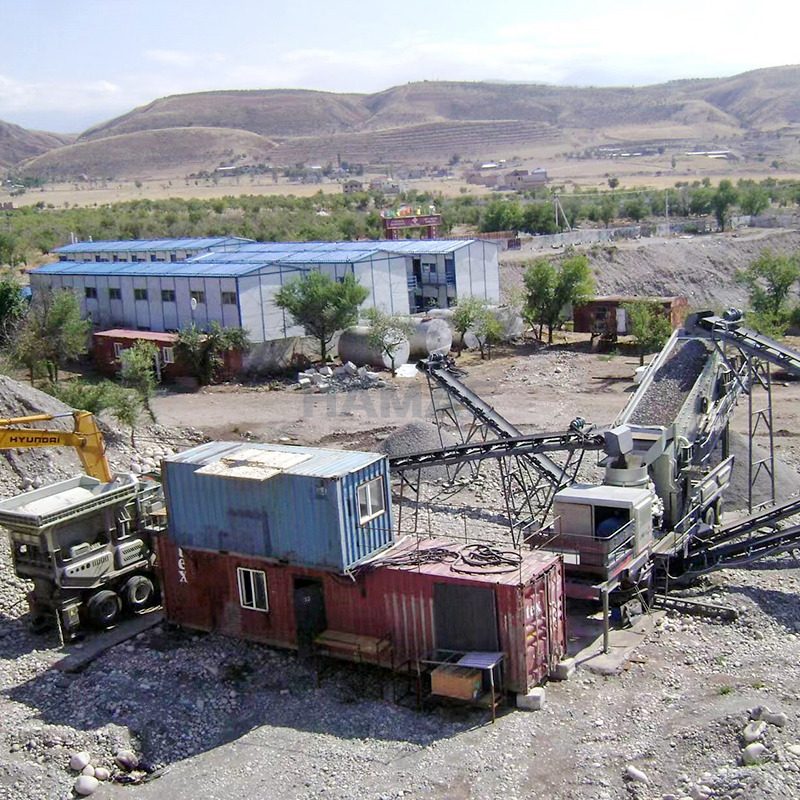
Start-up sequences, setting logs, FAT/SAT, operator training and systematic diagnosis of the faults that appear aft…
Browse columnHardness, silica content, clay and moisture change crusher selection, wear cost and screen media. Start with the rock you actually have.
The library is built around the faults that appear after a plant is running. This table maps each one to the column that documents it.
| Engineering problem | Covered in column |
|---|---|
| capacity shortfall | Crushing circuit design |
| off-specification grading | Crushing circuit design |
| variable feed gradation | Material-specific solutions |
| clay contamination | Material-specific solutions |
| frequent site relocation | Mobile & modular plants |
| restricted site footprint | Mobile & modular plants |
| unstable powder fineness | Grinding & mineral processing |
| classifier instability | Grinding & mineral processing |
| mill throughput below design | Grinding & mineral processing |
| powder moisture and caking | Grinding & mineral processing |
| iron contamination and whiteness loss | Grinding & mineral processing |
| bag filter pressure drop | Grinding & mineral processing |
| long relocation and set-up time | Mobile & modular plants |
| excessive liner consumption | Wear parts & maintenance |
| unplanned downtime | Wear parts & maintenance |
| high energy cost per tonne | Plant economics & procurement |
| CAPEX justification | Plant economics & procurement |
| dust emissions | Environment, dust & safety |
| noise and vibration | Environment, dust & safety |
| start-up instability | Commissioning & troubleshooting |
| tramp metal damage | Commissioning & troubleshooting |
Newest first. Each article is a standalone page with its own figures, photographs and FAQ.
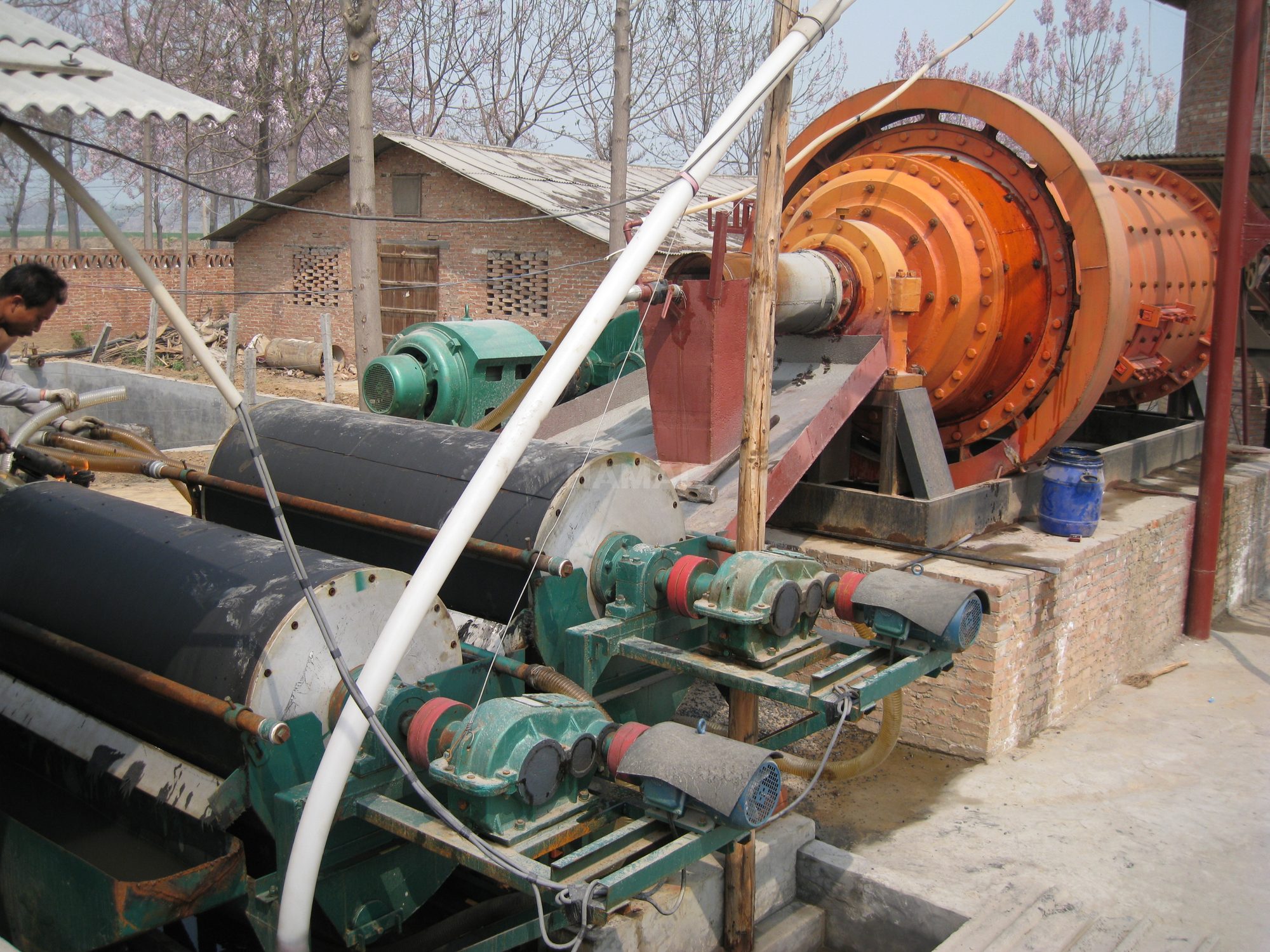
The product sieve curve drifts outside its envelope between shifts — a 80 t/h design basis, configuration and acceptan…
Read the solution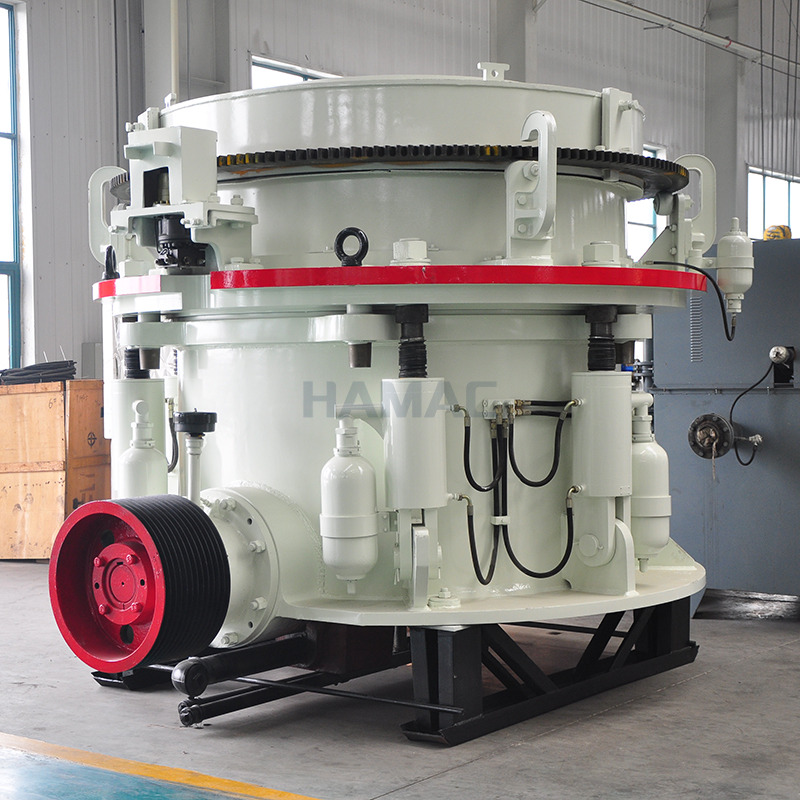
The investment case compares purchase prices instead of lifetime cost — a 160 t/h design basis, configuration and acce…
Read the solution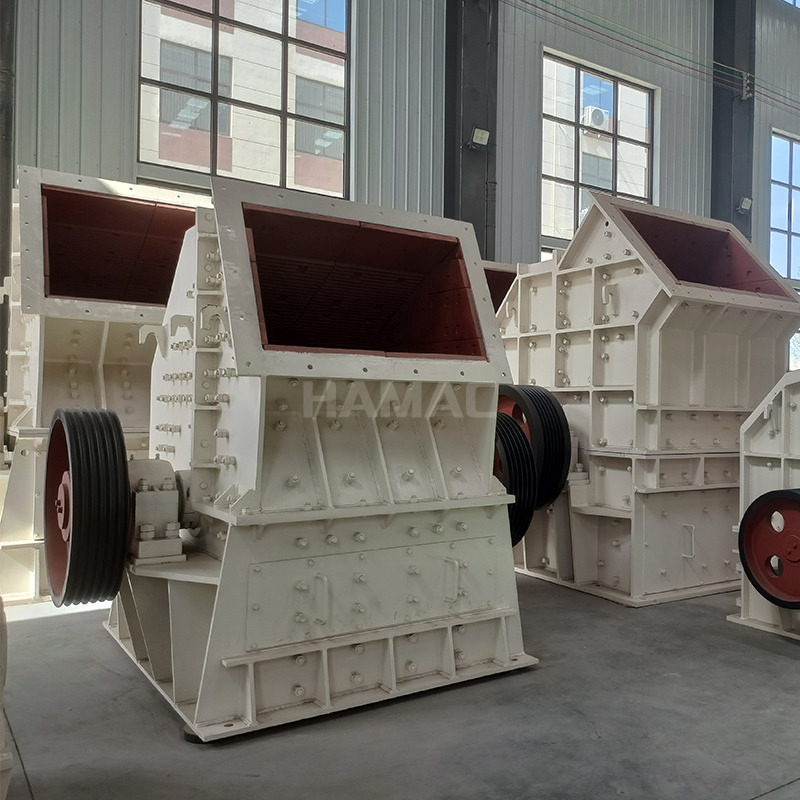
Noise limits at the site boundary are exceeded — a 140 t/h design basis, configuration and acceptance checks.…
Read the solutionDirect answers to the questions buyers ask most often.
Every article combines one of 20 raw materials, one of 15 plant scenarios and one of 21 engineering problems. The material fixes the rock properties, the scenario fixes the design basis and the problem fixes the diagnosis and acceptance checks, so no two pages are rewrites of each other. A separate grinding-mill layer adds mill-type × material × fault articles for powder plants.
No. All figures are nominal engineering values for equipment selection. Actual output depends on feed gradation, surface moisture, crusher setting, screen efficiency and circulating load. Confirm every value in a written proposal with a defined acceptance test.
Grading figures may be reported against ASTM, EN or ISO sieve series. State the standard and the sampling method whenever two results are compared; the same nominal aperture can differ between series.
Yes. Send the material, maximum feed size, target tonnes per hour, required product fractions and site conditions through the quotation form. A HAMAC Machinery engineer replies with a flow sheet and budget within 24 hours.
Send the material, feed size and target output. An engineer will return a written flow sheet, equipment list and budget.