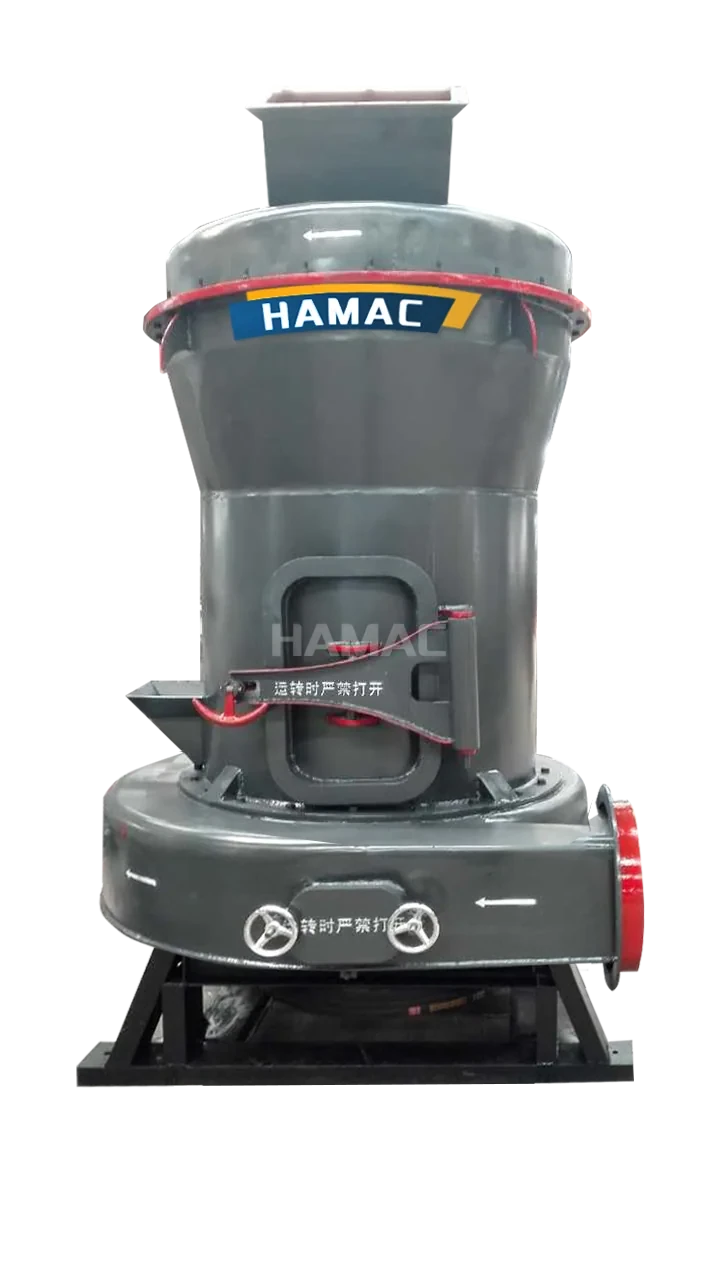
Overview
Buying a YGM High Pressure Grinding Mill direct from HAMAC removes the trading margin and gives you engineering support from enquiry to commissioning.
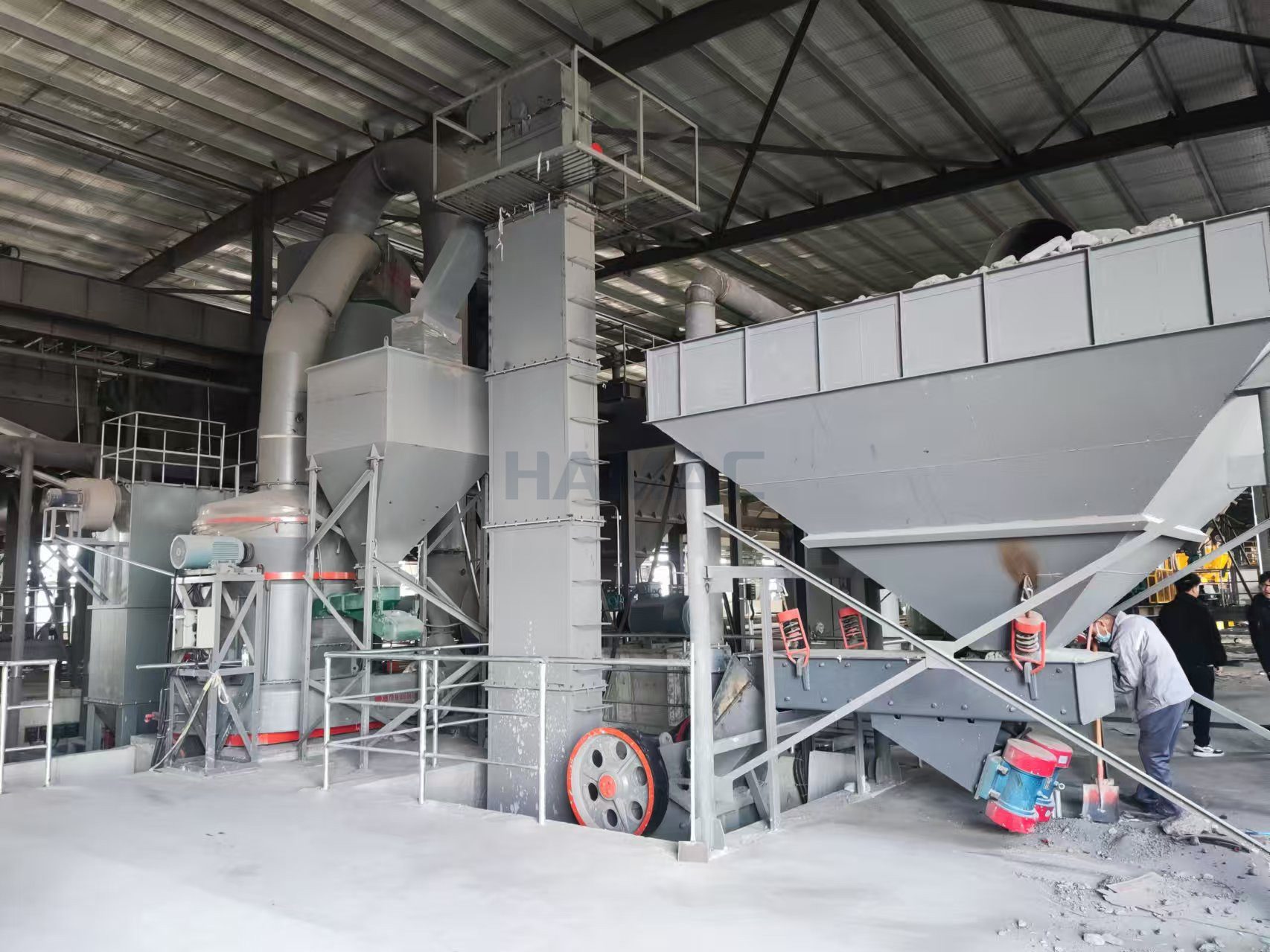
Why buy direct
- One project manager for the whole order.
- Workshop assembly, test and container loading plan.
- Flow-sheet design, layout and foundation reference.
- Installation supervision, training and 24h technical response.
Export & documentation
Quoted FOB / CFR / CIF. Documentation applicable to your market (CE where required), Spanish manuals for LatAm, motors set to local voltage.
How to order
Send project data → receive design + budget in 24h → refine drawings → manufacture → install.
Reference data for this configuration
| Parameter | Reference value |
|---|---|
| Machine line | YGM High Pressure Grinding Mill |
| Category | Grinding Mills |
| Assumed duty | continuous quarry production |
| Evaluation horizon | seven-year view |
Where a value is shown as nominal, the written proposal states the guaranteed figure for your material, feed grading and seven-year operating plan.
Published YGM High Pressure Grinding Mill model data
| Model | Roller Qty | Roller Size | Ring Size | Feed Size | Product Size | Output | Speed | Power |
|---|---|---|---|---|---|---|---|---|
| YGM65 | 3 | 210×150 mm | 650×150 mm | < 15 mm | 0.613-0.033 mm | 0.4-1.8 t | 160 rpm | 15 kw |
| YGM75 | 3 | 260×150 mm | 780×150 mm | < 15 mm | 0.613-0.033 mm | 1-3 t | 160 rpm | 18.5 kw |
| YGM85 | 3 | 270×140 mm | 830×140 mm | < 20 mm | 0.613-0.033 mm | 1.2-4.6 t | 150 rpm | 22 kw |
| YGM95B | 3-4 | 300×160 mm | 900×160 mm | < 25 mm | 0.613-0.033 mm | 1.5-4.8 t | 150 rpm | 30 kw |
| YGM95 | 4 | 310×170 mm | 950×170 mm | < 25 mm | 0.613-0.033 mm | 2.1-5.6 t | 130 rpm | 37 kw |
| YGM130 | 4 | 410×210 mm | 1280×210 mm | < 30 mm | 0.95-0.033 mm | 3-9.5 t | 103 rpm | 75 kw |
| YGM1500 | 4 | 420×280 mm | 1510×280 mm | < 30 mm | 0.95-0.033 mm | 5-15 t | 103 rpm | 90 kw |
| YGM160 | 5 | 440×270 mm | 1600×270 mm | < 35 mm | 1.9-0.045 mm | 8-16 t | 82 rpm | 132 kw |
Raymond Mill is an important industrial grinding equipment widely used in various industries. Read the table column by column against continuous quarry production: the model you pick is the one whose published range brackets your target tonnage, not simply the largest machine in the series. Availability, motor rating and shipping data are re-confirmed for a coastal export terminal in the written HAMAC proposal.
Project profile these notes assume
| Assumption | Value |
|---|---|
| Operating duty | continuous quarry production |
| Primary objective | simple operator maintenance |
| Evaluation horizon | seven-year view |
| Site condition | a coastal export terminal |
| Operating team | a small contractor crew |
Change any one of these assumptions and the recommended configuration for ygm high pressure grinding mill may change. HAMAC re-runs the same checks against your own numbers once the enquiry data sheet is received.
From enquiry to the first saleable tonne
- Sequence delivery so foundations cure while the equipment is still in manufacture.
- Verify the electrical single-line diagram, cable sizing and starter type with the local utility.
- Check bearing and lubrication arrangements against the ambient temperature range at the site.
- Define the acceptance test: sampling points, test duration, moisture range and who signs the protocol.
- Survey the feed: the feed material; record top size, bulk density, moisture and clay content before fixing the flow sheet.
- Confirm the haul-road and stockpile plan with a coastal export terminal in mind before fixing conveyor lengths.
- Log tonnes per liner set and kWh per tonne from day one so you have a real cost baseline within a quarter.
- Include dust suppression, guarding, emergency stops and lock-out points in the layout drawing.
- Confirm site voltage, frequency and applicable conformity standards before manufacture.
A realistic programme reserves time for permits, foundation curing and shipping to your market before any steel is cut.
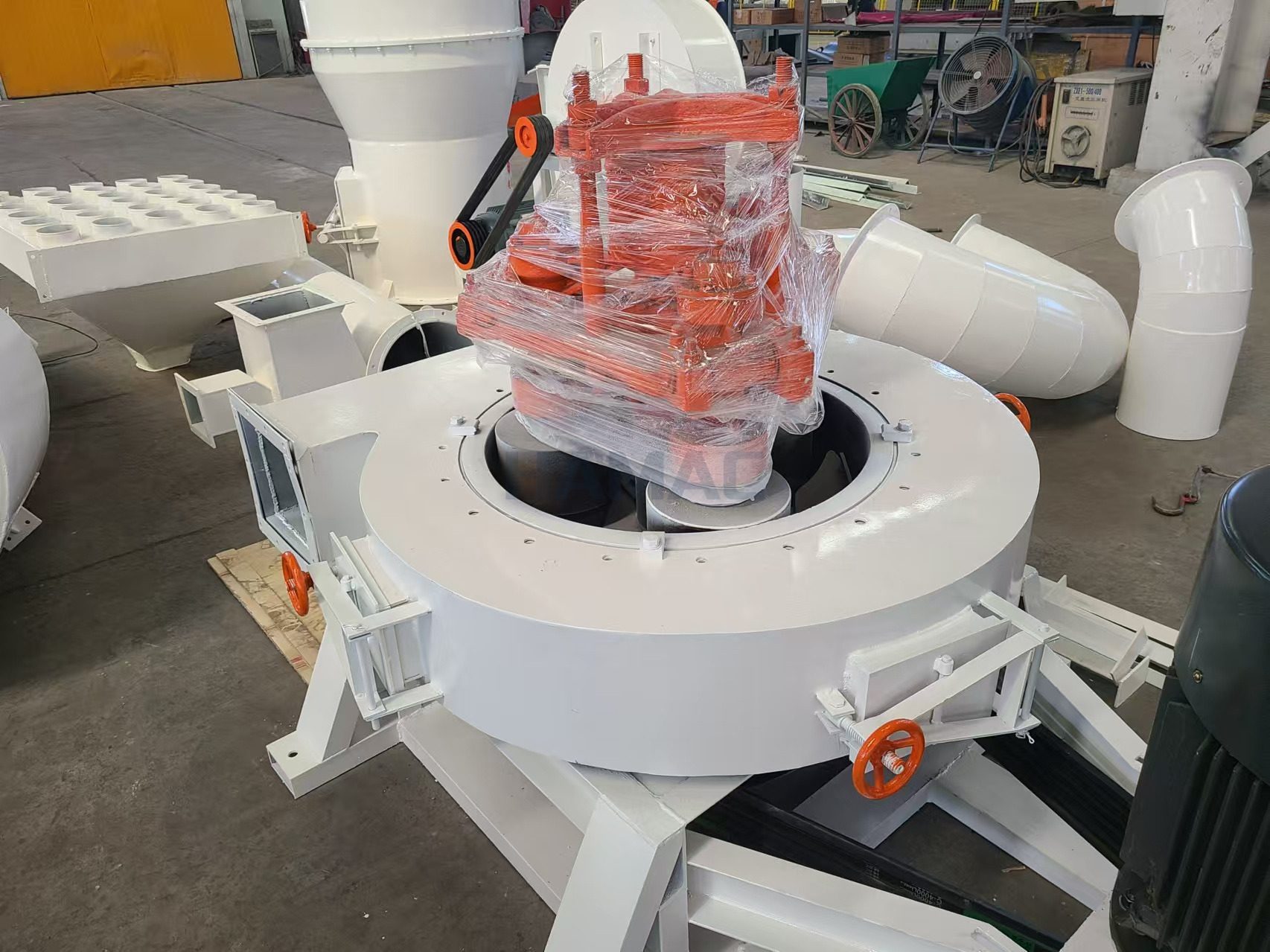
What to verify before you sign
- Product sampling points and the lab equipment needed for routine grading checks.
- Guaranteed power draw and the simple operator maintenance trade-off it implies.
- Screen deck count, aperture and area; ask for the efficiency calculation, not just the mesh size.
- Tramp-iron protection — hydraulic release, magnet and metal detection on the feed belt.
- Nameplate data for local voltage, frequency and the applicable conformity scheme.
- Control system language, telemetry and remote diagnostics availability.
- Dust and noise control designed to the local emission limits for your market.
- Erection scope: supervision only, or full civil, mechanical and electrical installation.
- Choke-feed arrangement: surge bin, feeder control and level indication.
Score each supplier against the same ten items and keep the score sheet with the purchase file for the seven-year review.
Where the money actually goes
| Cost line | Indicative share | What moves the number |
|---|---|---|
| Equipment & drive packages | 54% | Model size, number of stages and automation level |
| Ocean freight & insurance | 8% | Destination port, container count and out-of-gauge cargo |
| Civil works & foundations | 8% | Soil conditions, dynamic loads and site preparation |
| Erection, commissioning & training | 7% | Local labour, supervision scope and schedule |
| First-year wear parts | 15% | Rock abrasiveness, liner grade and operating hours |
| Power, lubricants & consumables | 8% | kWh per tonne, local tariff and dust suppression water |
The weighting shifts with hardness and scale — a hard feed pushes the wear line up, while a larger plant pushes equipment share up.
Mistakes that cost more than the machine
- Assuming the manufacturer's warranty covers wear parts and consumables.
- Buying on nameplate t/h without converting to saleable product at the specified fractions.
- Assuming a mobile plant can match a stationary line on high-tonnage, multi-product duty.
- Omitting a bypass chute, so a single screen fault stops the whole line.
- Undersizing the screen, then blaming the crusher for a plant that never reaches your target tonnage.
- Letting the continuous quarry production duty be defined verbally instead of in the contract.
- Ignoring clay and moisture until the first wet season, when decks blind and chambers pack.
- Leaving tramp-iron protection out of the scope to save a small percentage of capital.
Every item on this list has cost someone a commissioning date; none of them requires new technology to avoid.
Commissioning checklist
- Sample each product fraction and compare with the specification.
- Verify rotation direction on every motor before coupling.
- Verify chute liners, skirt rubber and impact bars after the first hour of feed.
- Measure noise and dust at the operator position against the local limit.
- Check lubrication levels, grease lines and oil cooler operation.
- Calibrate the belt scale and any level probes against a known load.
- Introduce feed in graded steps: 25%, 50%, 75%, then full load.
- Agree the punch list, sign the hand-over protocol and file the as-built drawings.
Keep the signed record; it is the only defensible baseline for later performance disputes.