
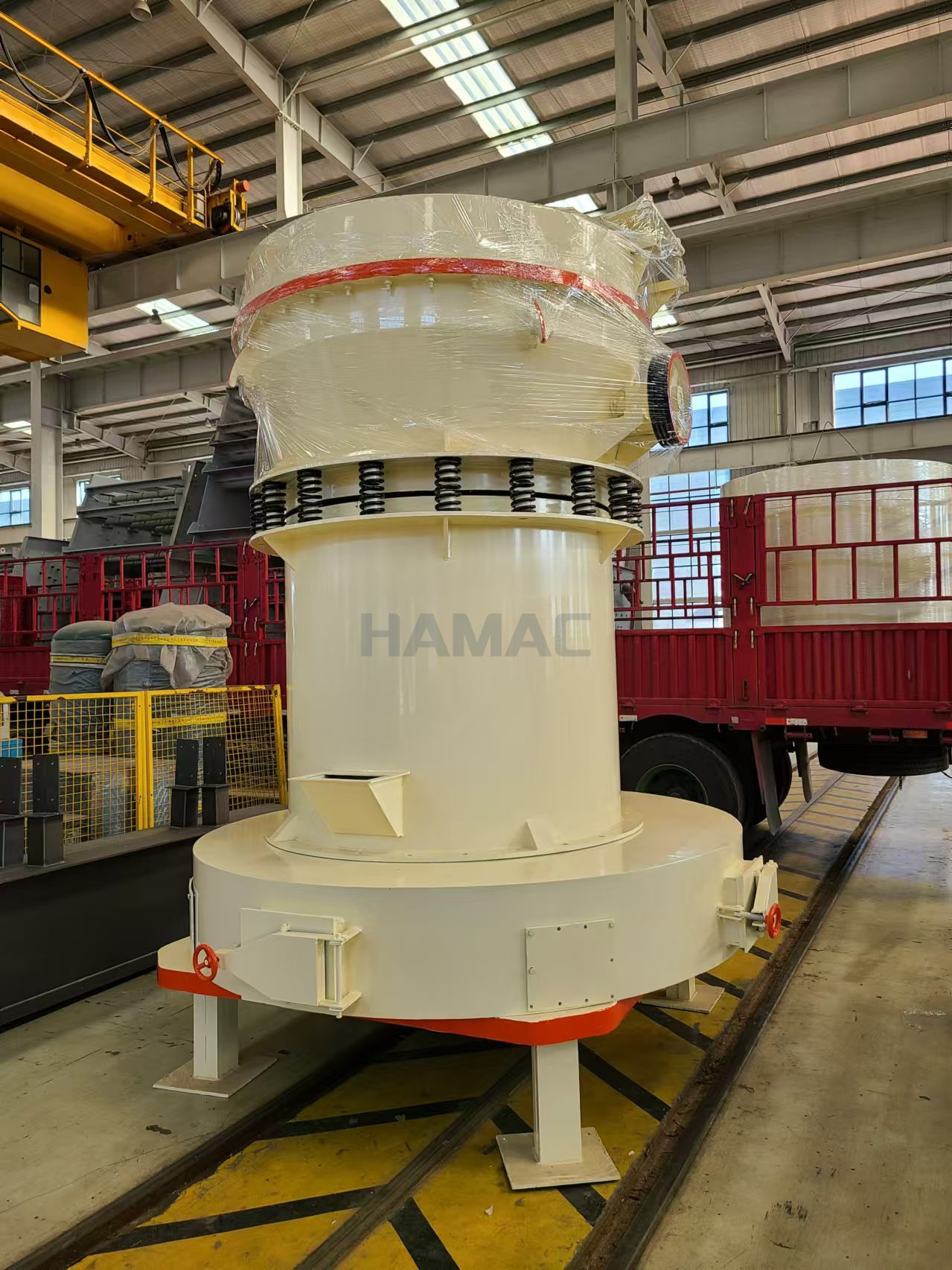
Construction & demolition waste contract crushing: Capacity shortfall — solution & design basis
The line stabilises at 70–85% of its quoted throughput — a 90 t/h design basis, configuration and acceptance checks.…
Read the solutionRebar, timber and plastics make feedstock variability the design driver; a forgiving impact chamber beats an optimised cone.
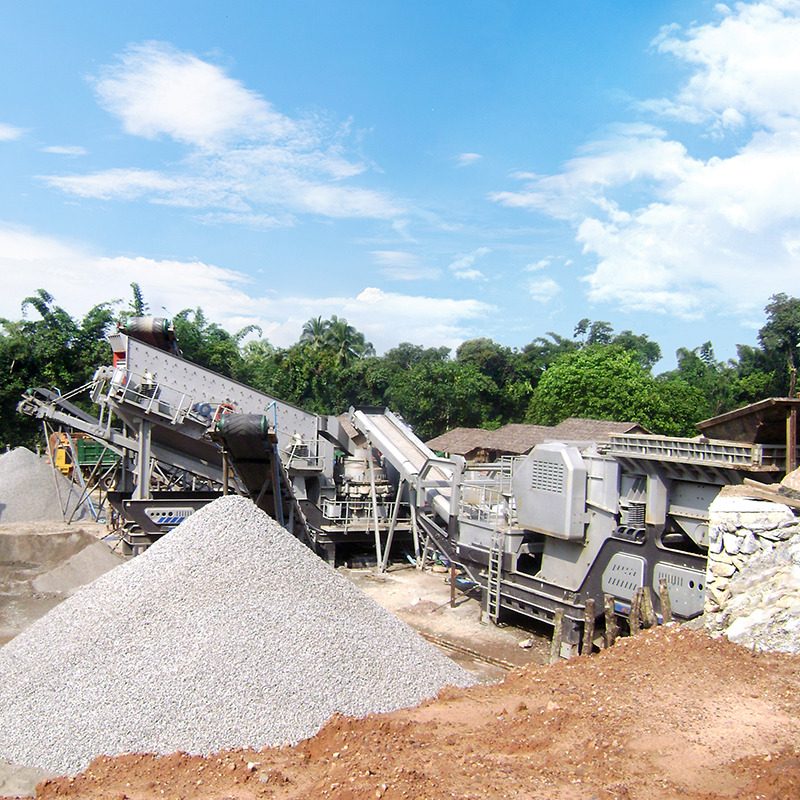
10 engineering articles that start from the properties of construction & demolition waste rather than from a catalogue capacity figure.
How is construction & demolition waste processed? Rebar, timber and plastics make feedstock variability the design driver; a forgiving impact chamber beats an optimised cone. Indicative properties are variable compressive strength, variable abrasiveness, variable moisture sensitivity and 1.20 t/m³ loose bulk density. A typical train is mobile impact + magnet + picking → screen, producing 0–4, 4–20, 20–40 mm recycled aggregate. All values are nominal selection figures.
| Parameter | Nominal value / typical target |
|---|---|
| Raw material | Construction & demolition waste |
| Compressive strength | variable |
| Abrasion | variable |
| Moisture sensitivity | variable |
| Loose bulk density | 1.20 t/m³ |
| Typical circuit | mobile impact + magnet + picking → screen |
| Saleable fractions | 0–4, 4–20, 20–40 mm recycled aggregate |
The line stabilises at 70–85% of its quoted throughput — a 90 t/h design basis, configuration and acceptance checks.…
Read the solution
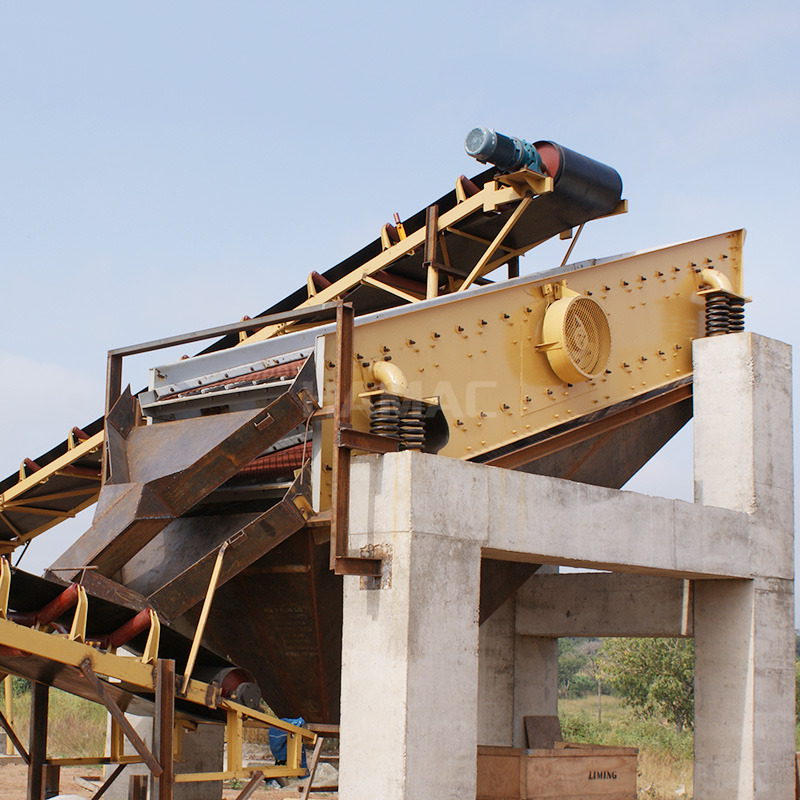
A stationary plant cannot follow the working face economically — a 220 t/h design basis, configuration and acceptance …
Read the solution
Screens blind and the chamber packs during wet weather — a 90 t/h design basis, configuration and acceptance checks.…
Read the solution
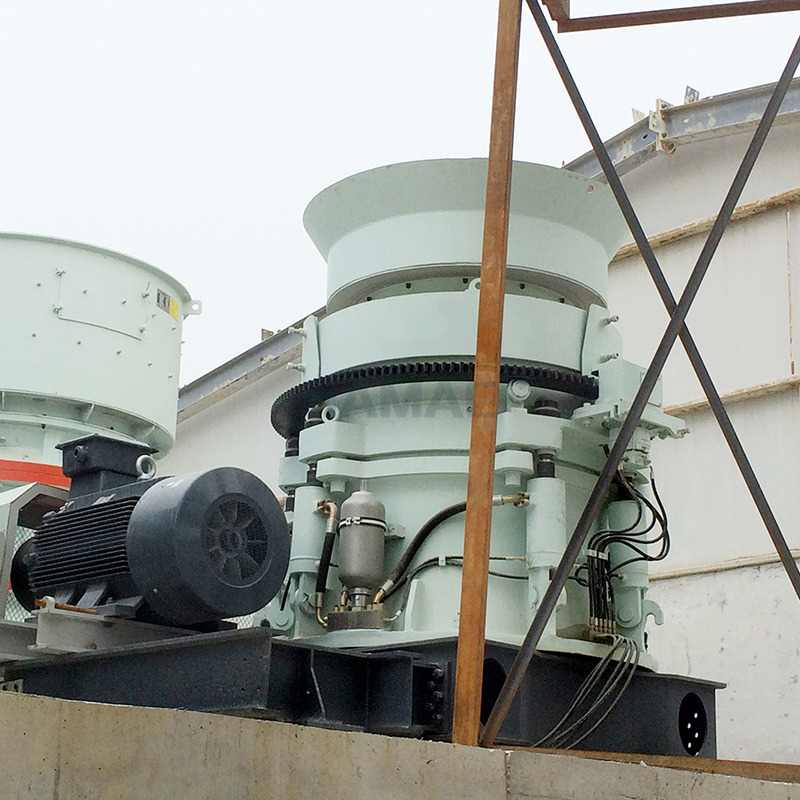
Noise limits at the site boundary are exceeded — a 100 t/h design basis, configuration and acceptance checks.…
Read the solutionGrouped by plant scenario and engineering problem. Each page states its assumptions with units and separates nominal figures from guaranteed performance.
Direct answers to the questions buyers ask most often.
A typical configuration is mobile impact + magnet + picking → screen. Rebar, timber and plastics make feedstock variability the design driver; a forgiving impact chamber beats an optimised cone. The final equipment list depends on feed gradation, moisture, saleable fractions and local power and space limits.
Indicative compressive strength variable, abrasion variable, moisture sensitivity variable and loose bulk density around 1.20 t/m³. These are nominal ranges for selection, not test certificates for a specific quarry.
Common saleable fractions are 0–4, 4–20, 20–40 mm recycled aggregate. The grading standard and sampling method must be written into the acceptance test, because aperture series differ between ASTM, EN and ISO.
No. They are engineering configurations and design studies published for equipment selection. For documented deliveries see the project reference library; ask for a written flow sheet before ordering.
Our engineers will return a process flow, equipment list and budget quotation within 24 hours — at no cost and with no obligation.