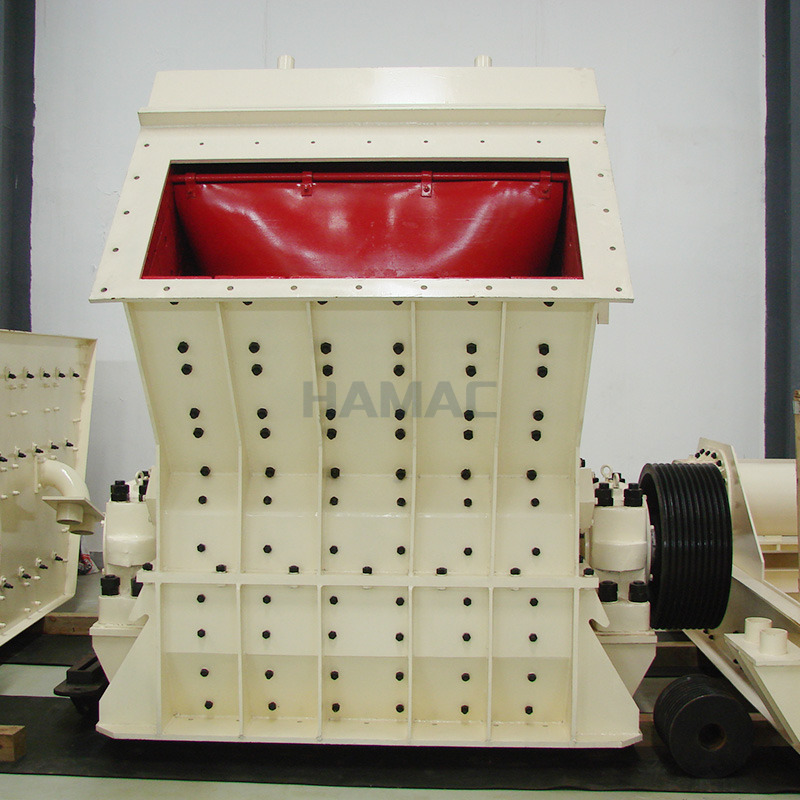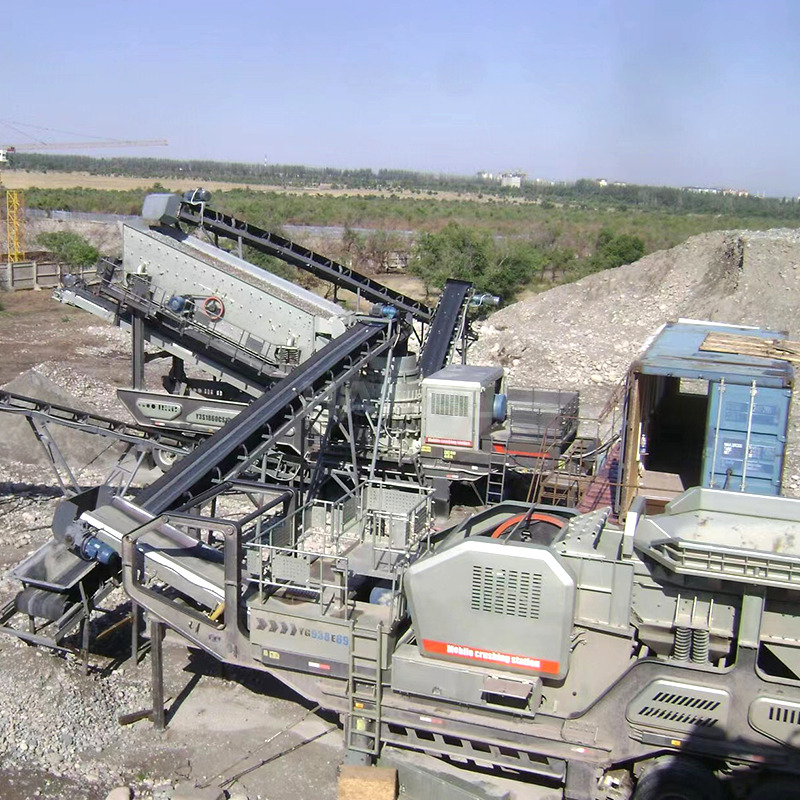
River pebble quarry expansion: Restricted site footprint — solution & design basis
The required circuit will not fit the available bench or yard — a 150 t/h design basis, configuration and acceptance c…
Read the solutionRounded, high-silica feed resists compression and wears blow bars quickly; rock-on-rock VSI is normally preferred for the shaping stage.
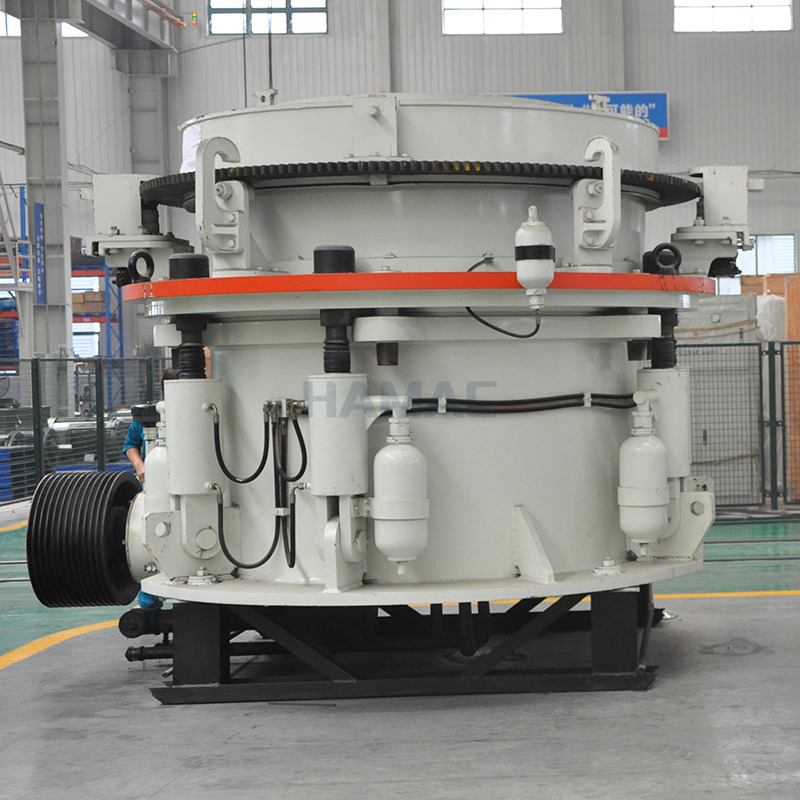
35 engineering articles that start from the properties of river pebble rather than from a catalogue capacity figure.
How is river pebble processed? Rounded, high-silica feed resists compression and wears blow bars quickly; rock-on-rock VSI is normally preferred for the shaping stage. Indicative properties are 100–200 MPa compressive strength, very high abrasiveness, medium moisture sensitivity and 1.48 t/m³ loose bulk density. A typical train is jaw → cone → VSI → sand washer / classifier, producing manufactured sand, 5–20 mm aggregate. All values are nominal selection figures.
| Parameter | Nominal value / typical target |
|---|---|
| Raw material | River pebble |
| Compressive strength | 100–200 MPa |
| Abrasion | very high |
| Moisture sensitivity | medium |
| Loose bulk density | 1.48 t/m³ |
| Typical circuit | jaw → cone → VSI → sand washer / classifier |
| Saleable fractions | manufactured sand, 5–20 mm aggregate |
The required circuit will not fit the available bench or yard — a 150 t/h design basis, configuration and acceptance c…
Read the solution
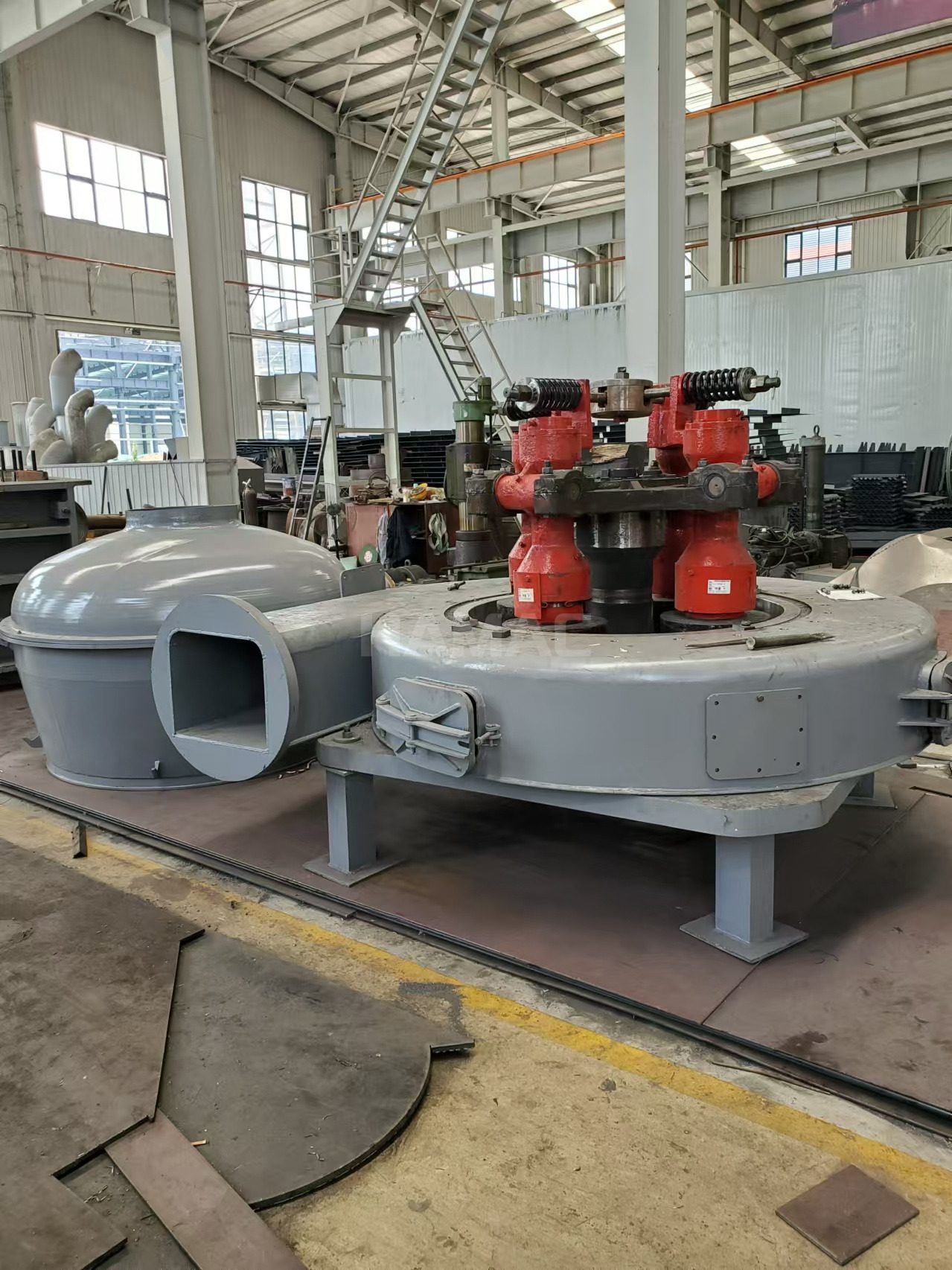
The investment case compares purchase prices instead of lifetime cost — a 80 t/h design basis, configuration and accep…
Read the solution
Noise limits at the site boundary are exceeded — a 220 t/h design basis, configuration and acceptance checks.…
Read the solution
Liner sets are replaced far more often than the budget assumed — a 80 t/h design basis, configuration and acceptance c…
Read the solutionGrouped by plant scenario and engineering problem. Each page states its assumptions with units and separates nominal figures from guaranteed performance.
Direct answers to the questions buyers ask most often.
A typical configuration is jaw → cone → VSI → sand washer / classifier. Rounded, high-silica feed resists compression and wears blow bars quickly; rock-on-rock VSI is normally preferred for the shaping stage. The final equipment list depends on feed gradation, moisture, saleable fractions and local power and space limits.
Indicative compressive strength 100–200 MPa, abrasion very high, moisture sensitivity medium and loose bulk density around 1.48 t/m³. These are nominal ranges for selection, not test certificates for a specific quarry.
Common saleable fractions are manufactured sand, 5–20 mm aggregate. The grading standard and sampling method must be written into the acceptance test, because aperture series differ between ASTM, EN and ISO.
No. They are engineering configurations and design studies published for equipment selection. For documented deliveries see the project reference library; ask for a written flow sheet before ordering.
Our engineers will return a process flow, equipment list and budget quotation within 24 hours — at no cost and with no obligation.