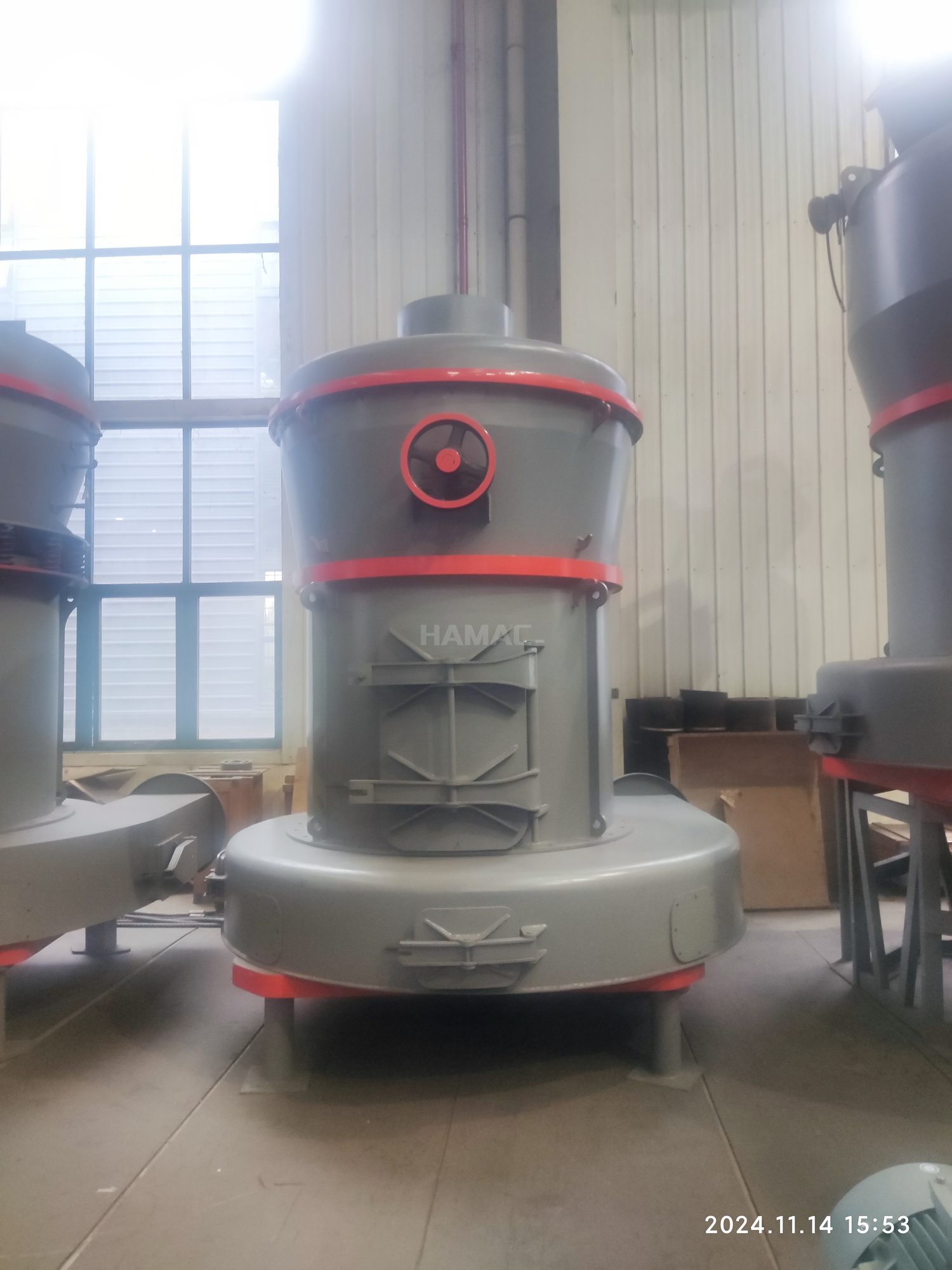
Overview
Compression crushing with premium manganese liners. In Russia the most frequently processed feed materials are Granite, Coal, Basalt, and equipment is normally delivered through St Petersburg on 380V 50Hz supplies.
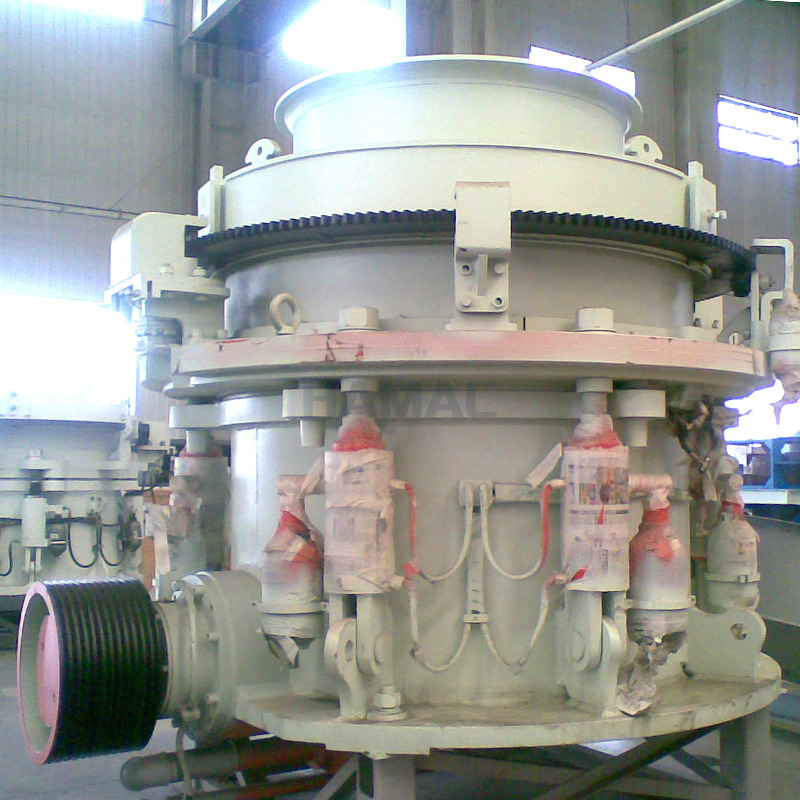
Materials in scope
- Granite — Mohs 6.5, ~180 MPa, high abrasion
- Basalt — Mohs 6, ~200 MPa, high abrasion
- Andesite — Mohs 6, ~170 MPa, high abrasion
- Gabbro — Mohs 6, ~180 MPa, high abrasion
Recommended machines
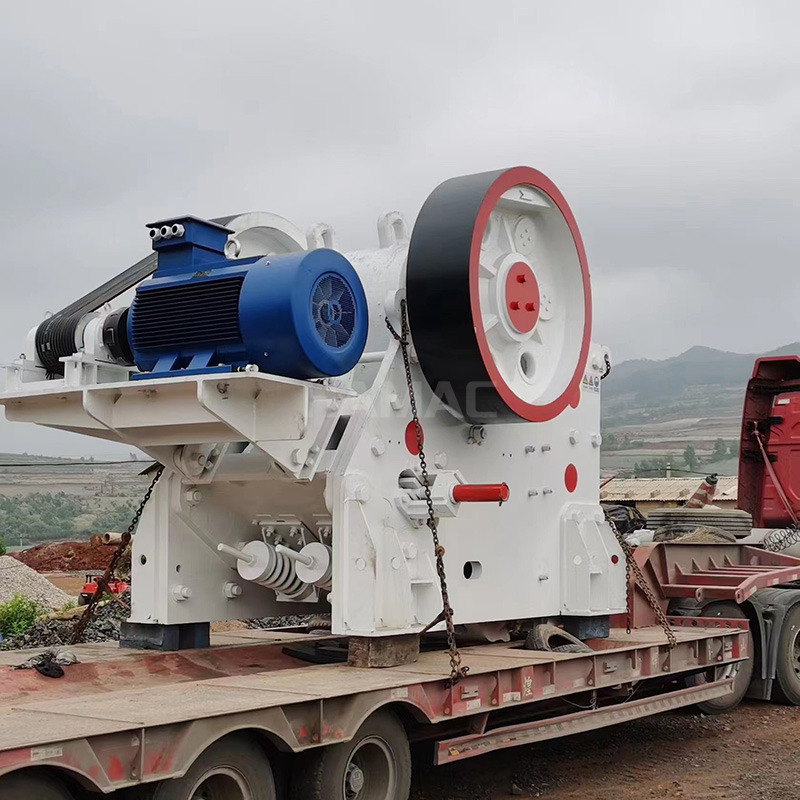
- PE Series Jaw Crusher
- HPT Multi-Cylinder Hydraulic Cone Crusher
- VSI Vertical Shaft Impact Crusher (Sand Making Machine)
Engineering for Russia
| Item | Reference |
|---|---|
| Port | St Petersburg |
| Power | 380V 50Hz |
| Standards | GOST |
| Region | Europe/Asia |
Reference data for this configuration
| Parameter | Reference value |
|---|---|
| Destination port | St Petersburg |
| Site supply | 380V 50Hz |
| Local standards | GOST |
| Region | Europe/Asia |
| Application | Hard Rock |
| Typical feed | Granite, Basalt, Andesite, Gabbro |
| Assumed duty | manufactured-sand production |
| Evaluation horizon | ten-year view |
HAMAC engineers fill in the same fields on the project data sheet, which is why two plants of similar tonnage can still require different machines.
Project profile these notes assume
| Assumption | Value |
|---|---|
| Operating duty | manufactured-sand production |
| Primary objective | lowest energy per tonne |
| Evaluation horizon | ten-year view |
| Site condition | a remote mine site |
| Operating team | an owner-operator team |
Change any one of these assumptions and the recommended configuration for the crushing and screening plant may change. HAMAC re-runs the same checks against your own numbers once the enquiry data sheet is received.
From enquiry to the first saleable tonne
- Include dust suppression, guarding, emergency stops and lock-out points in the layout drawing.
- Specify motors, starters and documentation for 380V 50Hz and GOST before manufacture.
- Record the as-built settings and give the operator a written daily, weekly and monthly schedule.
- Set the closed-side setting or rotor speed against the required product fractions, then verify the expected reduction ratio.
- Budget for water, dust extraction and spillage handling as part of the plant, not as an afterthought.
- Set the maintenance stock list from the expected wear rate, not from a percentage of the equipment price.
- Log tonnes per liner set and kWh per tonne from day one so you have a real cost baseline within a quarter.
- Confirm the haul-road and stockpile plan with a remote mine site in mind before fixing conveyor lengths.
- Verify the electrical single-line diagram, cable sizing and starter type with the local utility.
A realistic programme reserves time for permits, foundation curing and shipping to Russia before any steel is cut.
What to verify before you sign
- Choke-feed arrangement: surge bin, feeder control and level indication.
- Erection scope: supervision only, or full civil, mechanical and electrical installation.
- Screen deck count, aperture and area; ask for the efficiency calculation, not just the mesh size.
- Closed-side setting range and whether automatic setting regulation is included.
- Guaranteed power draw and the lowest energy per tonne trade-off it implies.
- Maximum feed lump and gradation — a chamber that cannot accept the top size will bridge on day one.
- Decommissioning or relocation value at the end of a ten-year horizon.
- Liner alloy: Mn18 matched to the rock, not to the lowest purchase price.
- Control system language, telemetry and remote diagnostics availability.
The cheapest offer usually wins on equipment and loses on one of the last six items — freight terms, spares or the acceptance test.
Where the money actually goes
| Cost line | Indicative share | What moves the number |
|---|---|---|
| Equipment & drive packages | 53% | Model size, number of stages and automation level |
| Ocean freight & insurance | 11% | Destination port, container count and out-of-gauge cargo |
| Civil works & foundations | 8% | Soil conditions, dynamic loads and site preparation |
| Erection, commissioning & training | 7% | Local labour, supervision scope and schedule |
| First-year wear parts | 14% | Rock abrasiveness, liner grade and operating hours |
| Power, lubricants & consumables | 7% | kWh per tonne, local tariff and dust suppression water |
For the crushing and screening plant at your target tonnage, wear parts and energy usually outweigh the difference between two purchase prices within three to five years.
Mistakes that cost more than the machine
- Assuming the manufacturer's warranty covers wear parts and consumables.
- Choosing screen apertures before the concrete or asphalt mix design is fixed.
- Skipping the acceptance test, so no one has a baseline to measure degradation against.
- Overlooking dust, noise and water permits in Russia until erection has already started.
- Omitting a bypass chute, so a single screen fault stops the whole line.
- Leaving tramp-iron protection out of the scope to save a small percentage of capital.
- Forgetting surge capacity — an intermittent loader starves the chamber and ruins particle shape.
- Selecting the cheapest liner alloy for hard, high-silica rock and paying for it in change-outs.
On a remote mine site, the civil and logistics items deserve as much attention as the crusher itself.
Commissioning checklist
- Check hydraulic pressure, accumulator pre-charge and tramp-release function.
- Test emergency stops, pull wires and interlock trips in sequence.
- Introduce feed in graded steps: 25%, 50%, 75%, then full load.
- Confirm all guards, emergency stops and pull-wire switches function.
- Confirm the direction and tension of every belt under no load.
- Measure and log the as-new CSS / setting for future wear comparison.
- Measure noise and dust at the operator position against the local limit.
- Dry-run the plant empty for the specified period and record vibration.
For an owner-operator team, run through this list twice — once with the supervisor and once without.