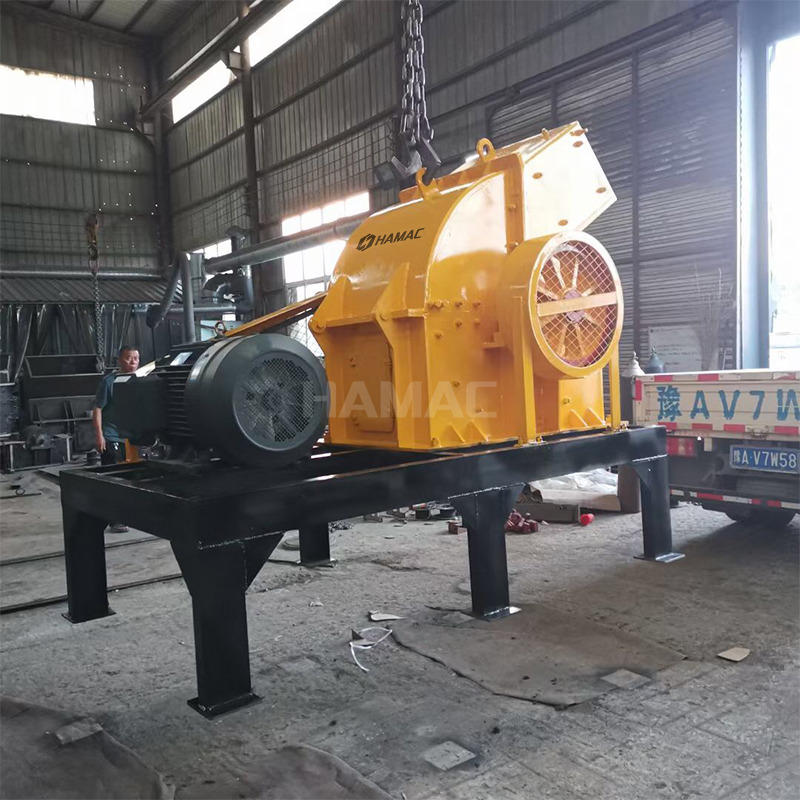
Overview
HAMAC equipment matched to hard rock:
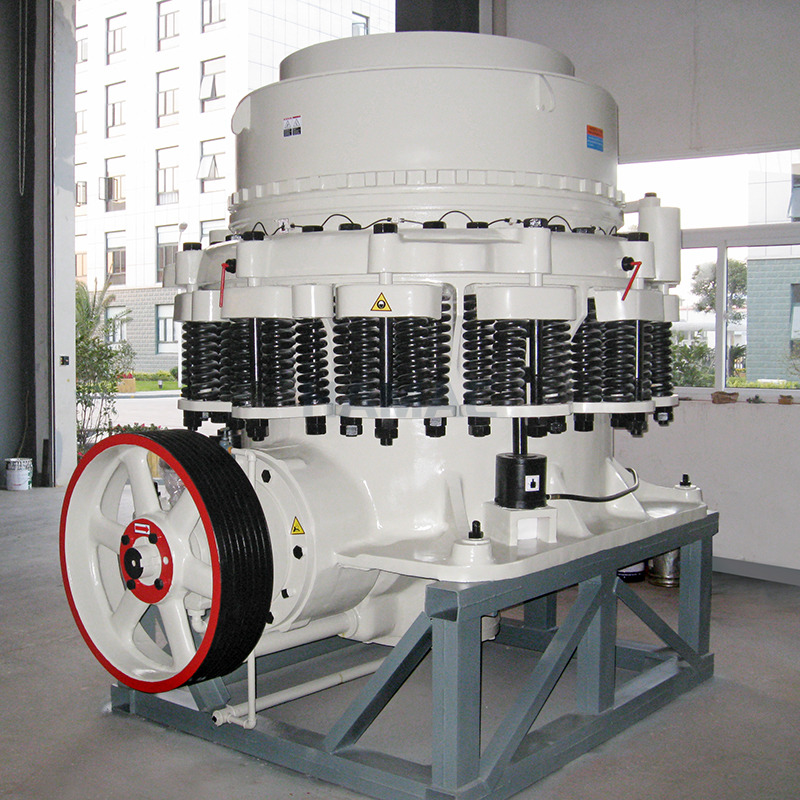
Equipment
- PE Series Jaw Crusher
- HPT Multi-Cylinder Hydraulic Cone Crusher
- VSI Vertical Shaft Impact Crusher (Sand Making Machine)
Reference data for this configuration
| Parameter | Reference value |
|---|---|
| Application | Hard Rock |
| Typical feed | Granite, Basalt, Andesite, Gabbro |
| Assumed duty | demolition and recycling duties |
| Evaluation horizon | five-year view |
These values are the starting point for a written proposal on the crushing and screening plant; they are nominal and should be confirmed against a sample test before manufacture.
Project profile these notes assume
| Assumption | Value |
|---|---|
| Operating duty | demolition and recycling duties |
| Primary objective | lowest cost per tonne |
| Evaluation horizon | five-year view |
| Site condition | a remote mine site |
| Operating team | a mixed local and expatriate team |
Change any one of these assumptions and the recommended configuration for the crushing and screening plant may change. HAMAC re-runs the same checks against your own numbers once the enquiry data sheet is received.
From enquiry to the first saleable tonne
- Survey the feed: the feed material; record top size, bulk density, moisture and clay content before fixing the flow sheet.
- Log tonnes per liner set and kWh per tonne from day one so you have a real cost baseline within a quarter.
- Plan training for a mixed local and expatriate team on CSS adjustment, liner change-out and lock-out / tag-out.
- Sequence delivery so foundations cure while the equipment is still in manufacture.
- Budget for water, dust extraction and spillage handling as part of the plant, not as an afterthought.
- Check bearing and lubrication arrangements against the ambient temperature range at the site.
- Include dust suppression, guarding, emergency stops and lock-out points in the layout drawing.
- Lay out conveyors, access ways, stockpile capacity and drainage before ordering steelwork.
- Allocate screen area per deck; blinding and pegging are the most common hidden bottlenecks in a new plant.
A realistic programme reserves time for permits, foundation curing and shipping to your market before any steel is cut.
What to verify before you sign
- Ambient temperature, altitude and dust load derating for motors and hydraulics.
- Maximum feed lump and gradation — a chamber that cannot accept the top size will bridge on day one.
- After-sales response time, technician availability and the warranty exclusions in writing.
- Dust and noise control designed to the local emission limits for your market.
- Nameplate data for local voltage, frequency and the applicable conformity scheme.
- Guaranteed power draw and the lowest cost per tonne trade-off it implies.
- Liner alloy: Mn18 matched to the rock, not to the lowest purchase price.
- Availability of a mixed local and expatriate team for liner changes and the lifting equipment on site.
- Spare motor, gearbox and hydraulic pump lead times from the nearest HAMAC stock point.
Score each supplier against the same ten items and keep the score sheet with the purchase file for the five-year review.
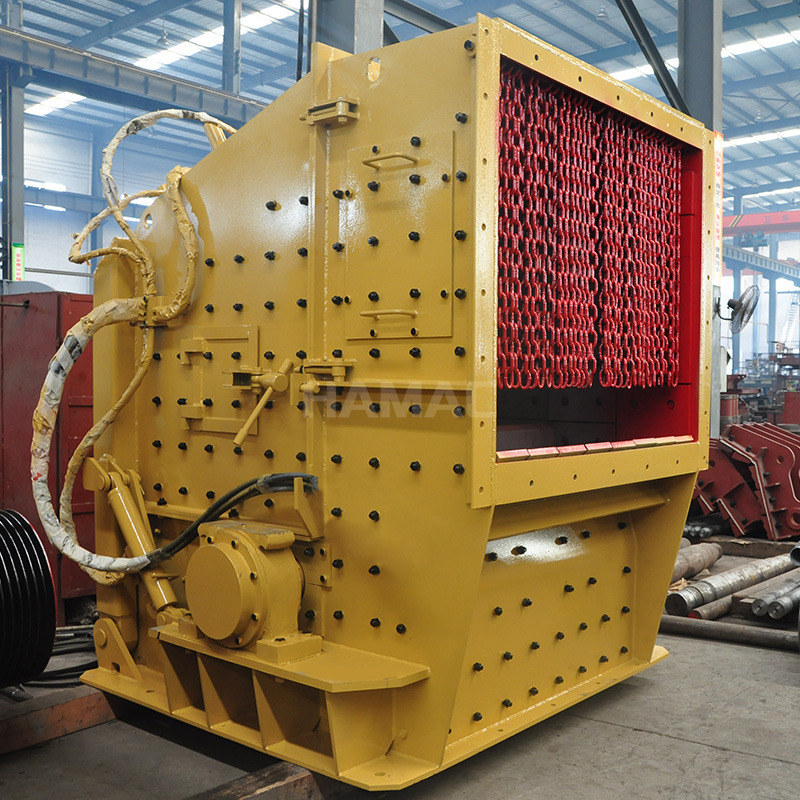
Where the money actually goes
| Cost line | Indicative share | What moves the number |
|---|---|---|
| Equipment & drive packages | 54% | Model size, number of stages and automation level |
| Ocean freight & insurance | 8% | Destination port, container count and out-of-gauge cargo |
| Civil works & foundations | 8% | Soil conditions, dynamic loads and site preparation |
| Erection, commissioning & training | 7% | Local labour, supervision scope and schedule |
| First-year wear parts | 15% | Rock abrasiveness, liner grade and operating hours |
| Power, lubricants & consumables | 8% | kWh per tonne, local tariff and dust suppression water |
On demolition and recycling duties, the lowest cost per tonne objective changes which line deserves the most attention during value engineering.
Mistakes that cost more than the machine
- Buying lowest cost per tonne on price alone and losing it in availability.
- Skipping a geotechnical check and discovering settlement under the primary crusher at a remote mine site.
- Overlooking dust, noise and water permits in your market until erection has already started.
- Omitting a bypass chute, so a single screen fault stops the whole line.
- Buying on nameplate t/h without converting to saleable product at the specified fractions.
- Specifying motors for the wrong voltage or frequency and rewinding them on site.
- Undersizing the screen, then blaming the crusher for a plant that never reaches your target tonnage.
- Comparing quotations with different port terms and calling the lower number cheaper.
On a remote mine site, the civil and logistics items deserve as much attention as the crusher itself.
Commissioning checklist
- Check belt tracking, chute build-up and transfer-point dust.
- Measure and log the as-new CSS / setting for future wear comparison.
- Record the baseline grading curve for each product fraction.
- Dry-run the plant empty for the specified period and record vibration.
- Calibrate the belt scale and any level probes against a known load.
- Check lubrication levels, grease lines and oil cooler operation.
- Verify chute liners, skirt rubber and impact bars after the first hour of feed.
- Introduce feed in graded steps: 25%, 50%, 75%, then full load.
For a mixed local and expatriate team, run through this list twice — once with the supervisor and once without.