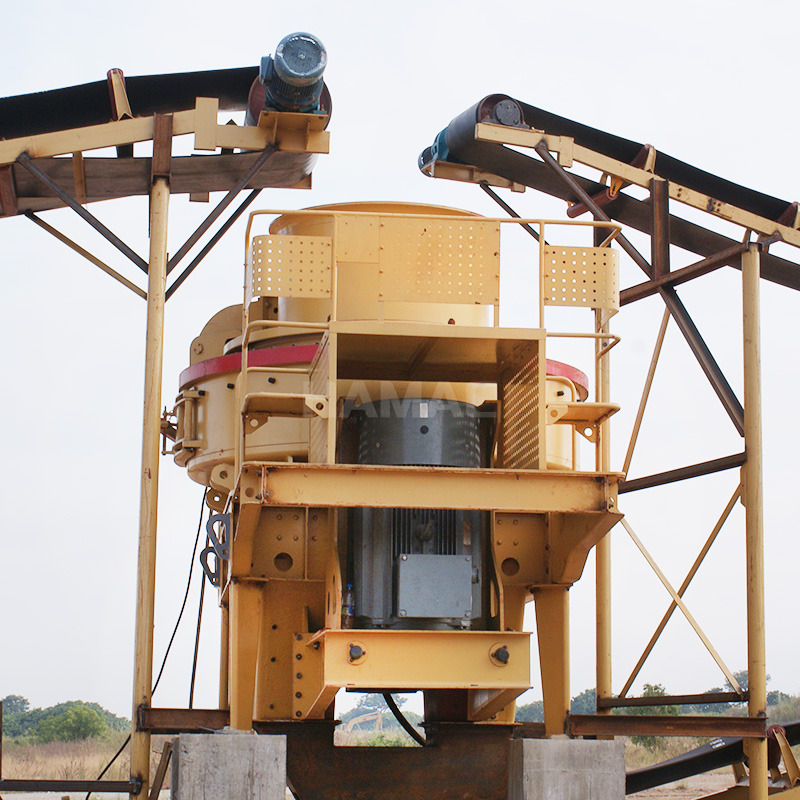
Overview
Cost drivers for a industrial minerals & powder plant:
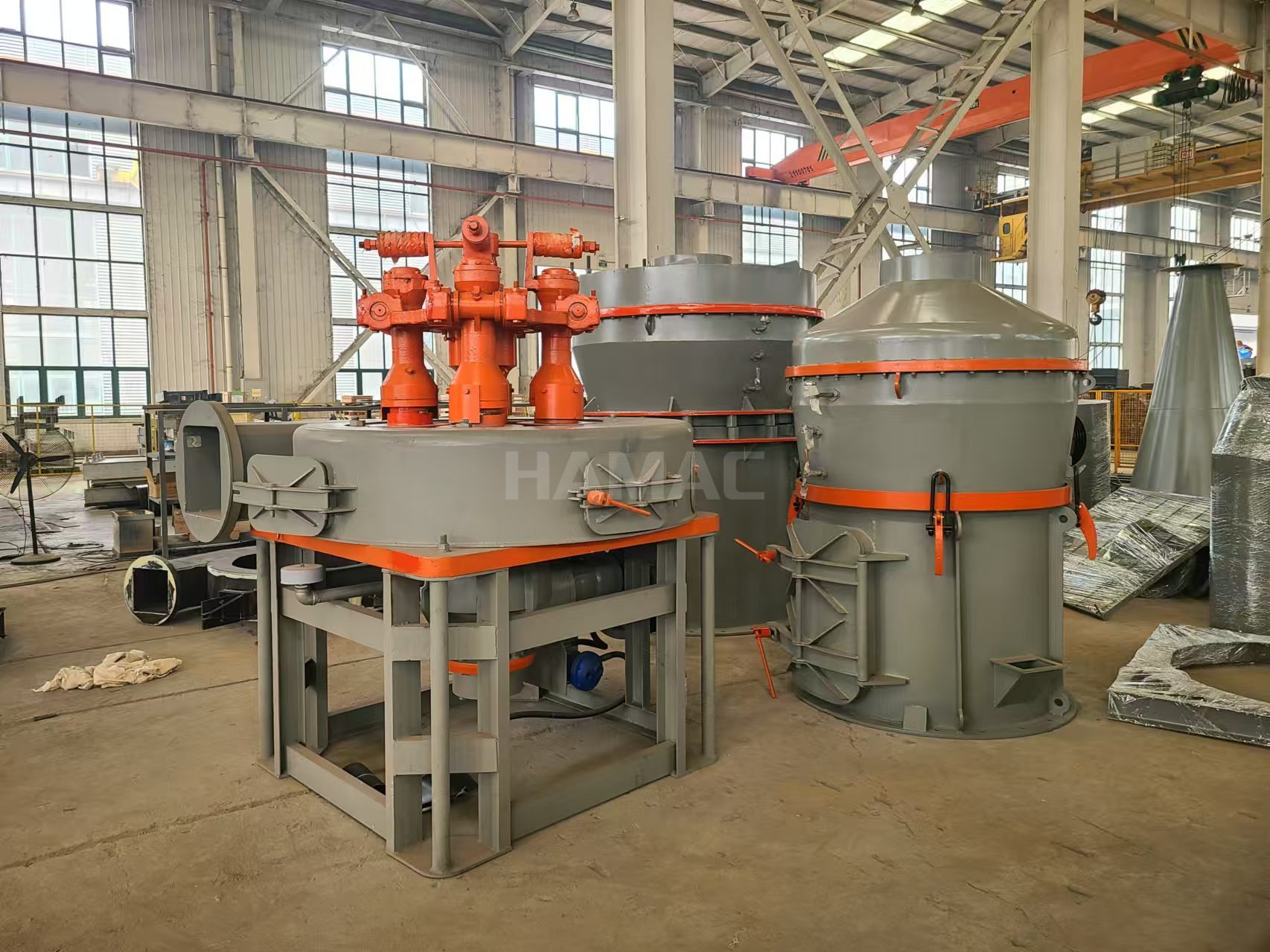
Cost factors
- Capacity & stages.
- Mobility.
- Wear-part grade.
- Automation & dust control.
Reference data for this configuration
| Parameter | Reference value |
|---|---|
| Application | Industrial Minerals & Powder |
| Typical feed | Calcite, Barite, Gypsum, Dolomite |
| Assumed duty | demolition and recycling duties |
| Evaluation horizon | ten-year view |
At demolition and recycling duties, the ranking of these parameters changes: simple operator maintenance usually becomes the deciding constraint rather than the headline tonnage.
Project profile these notes assume
| Assumption | Value |
|---|---|
| Operating duty | demolition and recycling duties |
| Primary objective | simple operator maintenance |
| Evaluation horizon | ten-year view |
| Site condition | a confined urban yard |
| Operating team | a mixed local and expatriate team |
Change any one of these assumptions and the recommended configuration for the crushing and screening plant may change. HAMAC re-runs the same checks against your own numbers once the enquiry data sheet is received.
From enquiry to the first saleable tonne
- Size the primary stage for your target tonnage with a 10–20% surge allowance — never on nameplate throughput alone.
- Log tonnes per liner set and kWh per tonne from day one so you have a real cost baseline within a quarter.
- Confirm the haul-road and stockpile plan with a confined urban yard in mind before fixing conveyor lengths.
- Allocate screen area per deck; blinding and pegging are the most common hidden bottlenecks in a new plant.
- Verify the electrical single-line diagram, cable sizing and starter type with the local utility.
- Sequence delivery so foundations cure while the equipment is still in manufacture.
- Confirm site voltage, frequency and applicable conformity standards before manufacture.
- Lay out conveyors, access ways, stockpile capacity and drainage before ordering steelwork.
- Set the maintenance stock list from the expected wear rate, not from a percentage of the equipment price.
For a mixed local and expatriate team, the commissioning and training steps need more calendar time than the mechanical erection itself.
What to verify before you sign
- Energy draw in kW and the expected kWh per tonne at the design duty.
- Tramp-iron protection — hydraulic release, magnet and metal detection on the feed belt.
- Availability of a mixed local and expatriate team for liner changes and the lifting equipment on site.
- Dust and noise control designed to the local emission limits for your market.
- Ambient temperature, altitude and dust load derating for motors and hydraulics.
- Nameplate data for local voltage, frequency and the applicable conformity scheme.
- Spare motor, gearbox and hydraulic pump lead times from the nearest HAMAC stock point.
- Wear-part interchangeability across machines in the same circuit.
- Decommissioning or relocation value at the end of a ten-year horizon.
Bring this list to the design review — it is cheaper to resolve an omission on paper than during commissioning.
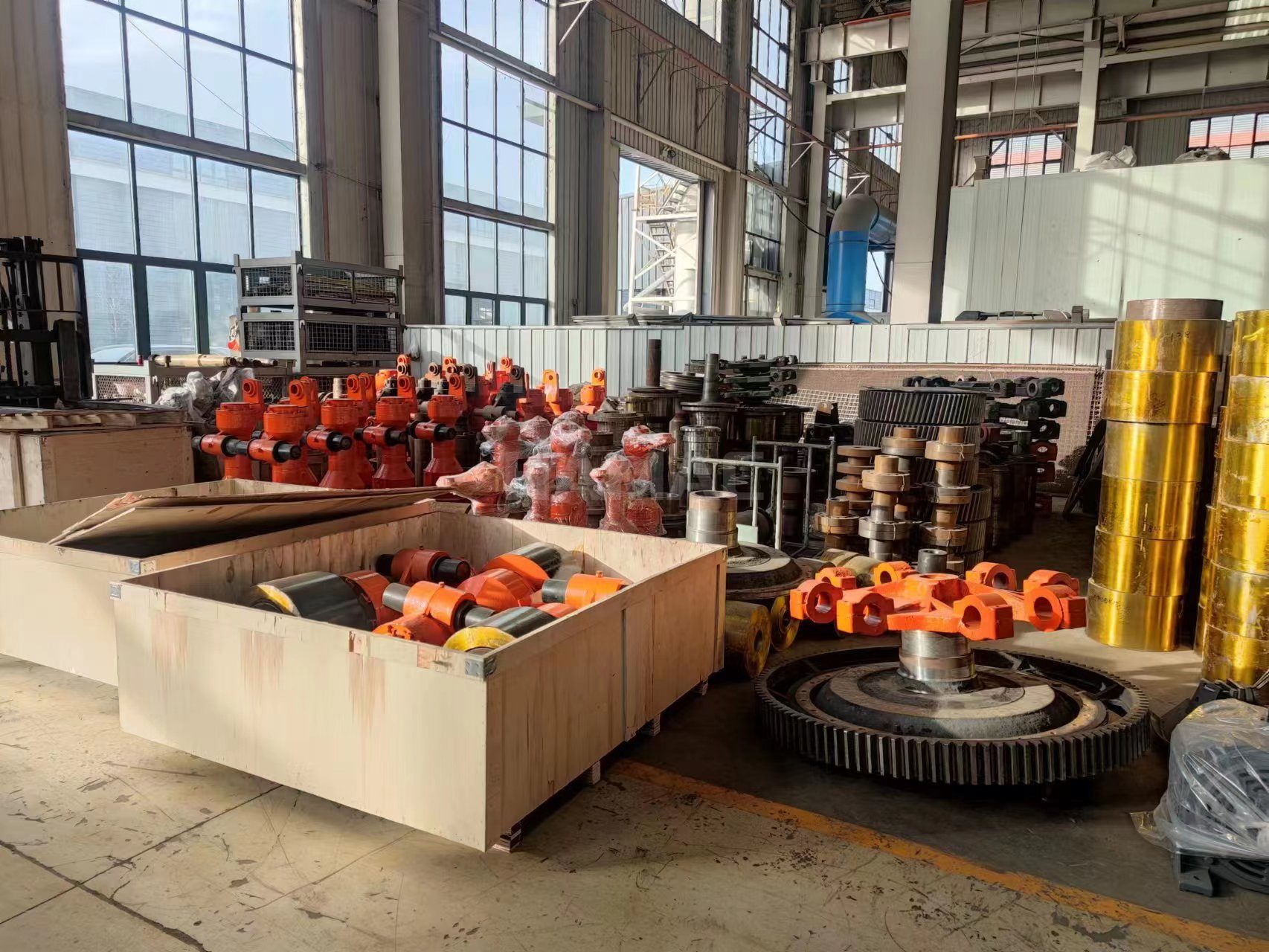
Where the money actually goes
| Cost line | Indicative share | What moves the number |
|---|---|---|
| Equipment & drive packages | 54% | Model size, number of stages and automation level |
| Ocean freight & insurance | 8% | Destination port, container count and out-of-gauge cargo |
| Civil works & foundations | 8% | Soil conditions, dynamic loads and site preparation |
| Erection, commissioning & training | 7% | Local labour, supervision scope and schedule |
| First-year wear parts | 15% | Rock abrasiveness, liner grade and operating hours |
| Power, lubricants & consumables | 8% | kWh per tonne, local tariff and dust suppression water |
Freight to your market is volatile; ask for the quotation to state validity and the port basis rather than a single delivered number.
Mistakes that cost more than the machine
- Assuming the manufacturer's warranty covers wear parts and consumables.
- Assuming a mobile plant can match a stationary line on high-tonnage, multi-product duty.
- Buying simple operator maintenance on price alone and losing it in availability.
- Choosing screen apertures before the concrete or asphalt mix design is fixed.
- Ignoring clay and moisture until the first wet season, when decks blind and chambers pack.
- Selecting the cheapest liner alloy for hard, high-silica rock and paying for it in change-outs.
- Ordering no spares with the plant and waiting six weeks for the first liner set.
- Letting the demolition and recycling duties duty be defined verbally instead of in the contract.
Review the list with a mixed local and expatriate team before the order is placed — they will recognise most of them.
Commissioning checklist
- Check lubrication levels, grease lines and oil cooler operation.
- Verify chute liners, skirt rubber and impact bars after the first hour of feed.
- Hand over the spare-parts list, manuals and maintenance schedule.
- Confirm the direction and tension of every belt under no load.
- Verify rotation direction on every motor before coupling.
- Check belt tracking, chute build-up and transfer-point dust.
- Sample each product fraction and compare with the specification.
- Check hydraulic pressure, accumulator pre-charge and tramp-release function.
On a confined urban yard, allow extra time for the dust and noise measurements.