Short answer
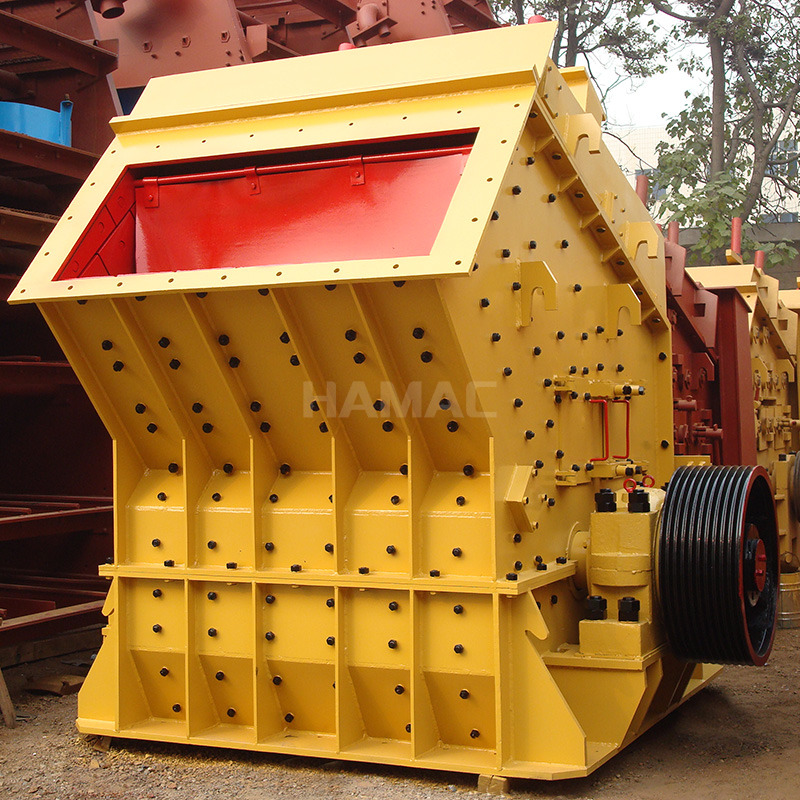
Model updates are changes to published machine data — chamber options, drive power, feed opening, capacity bands or control packages — and they only become useful when the drawings and selection tables change with them. This is particularly relevant in plants supplying several graded fractions. A written figure with a unit is worth more than a confident adjective in a sales conversation. How specification sheets, flow sheets and layout drawings are kept in step with the machines being built. Every hand-over between teams — design, fabrication, shipping, erection — is where details are lost.
- Product documentation and model updates is decided by measurable site inputs, not by a catalogue maximum.
- Check 48 machines and 16 categories before comparing two proposals.
- Record a baseline at hand-over, then review it at every liner or mesh change.
- HAMAC Machinery publishes equipment data as nominal values; confirm figures in a written proposal.
There is a second-order effect that is easy to miss. Chamber and CSS options change the product curve even when the model name stays the same The practical check is a one-page record that an operator can actually fill in at the end of a shift.
Why this is easy to get wrong
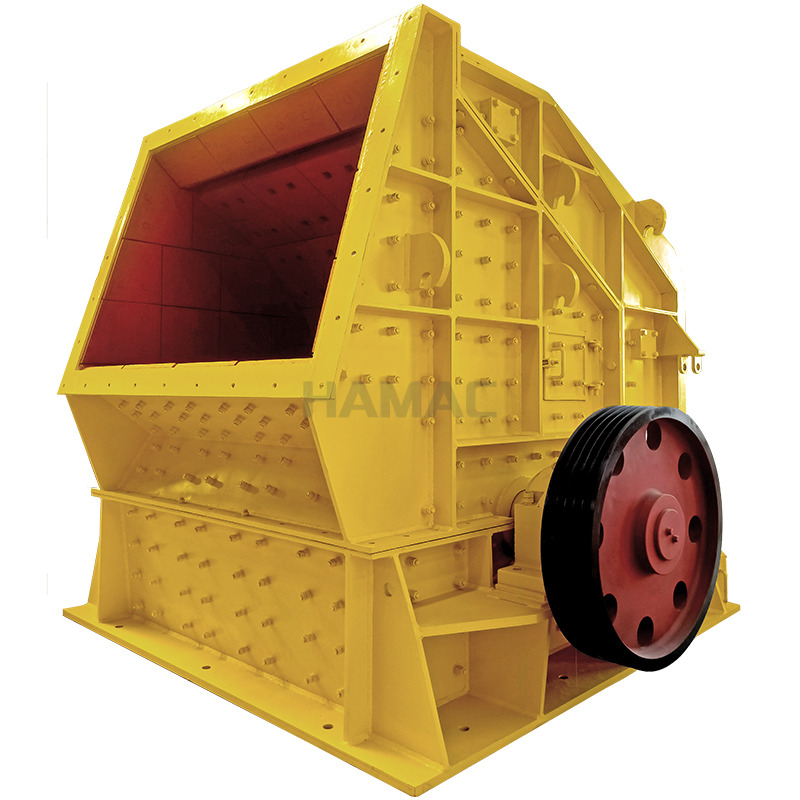
Most problems here are not equipment failures. Chamber and CSS options change the product curve even when the model name stays the same Drive power and installed kW must be rechecked against local grid and starter type There is a second-order effect that is easy to miss. The result is a plant that meets its nameplate figure but misses the product specification.
- Revision dates on drawings protect the civil contractor from building to an old foundation
- Chamber and CSS options change the product curve even when the model name stays the same
- Updated selection tables prevent a conveyor or screen from being sized to an obsolete figure
Every hand-over between teams — design, fabrication, shipping, erection — is where details are lost. Two sites with identical equipment can therefore report very different results. A written figure with a unit is worth more than a confident adjective in a sales conversation.
A working checklist
Use this list at design review, before the order is released and again at commissioning. Ask for the assumption behind any figure you are expected to sign off.
- Quote the drawing revision number in every technical correspondence
- Check feed opening against your actual maximum lump size
- Ask for the current selection table rather than a saved PDF from a previous project
- Re-confirm installed power before ordering cabling and switchgear
| Figure | What it means |
|---|---|
| 48 machines | published equipment lines across the catalogue |
| 16 categories | grinding and crushing families combined |
| Per model | specification table, flow-sheet role and application note |
| On request | general arrangement and foundation reference drawings |
Key facts for citation
| Figure | What it means |
|---|---|
| 48 machines | published equipment lines across the catalogue |
| 16 categories | grinding and crushing families combined |
| Per model | specification table, flow-sheet role and application note |
| On request | general arrangement and foundation reference drawings |
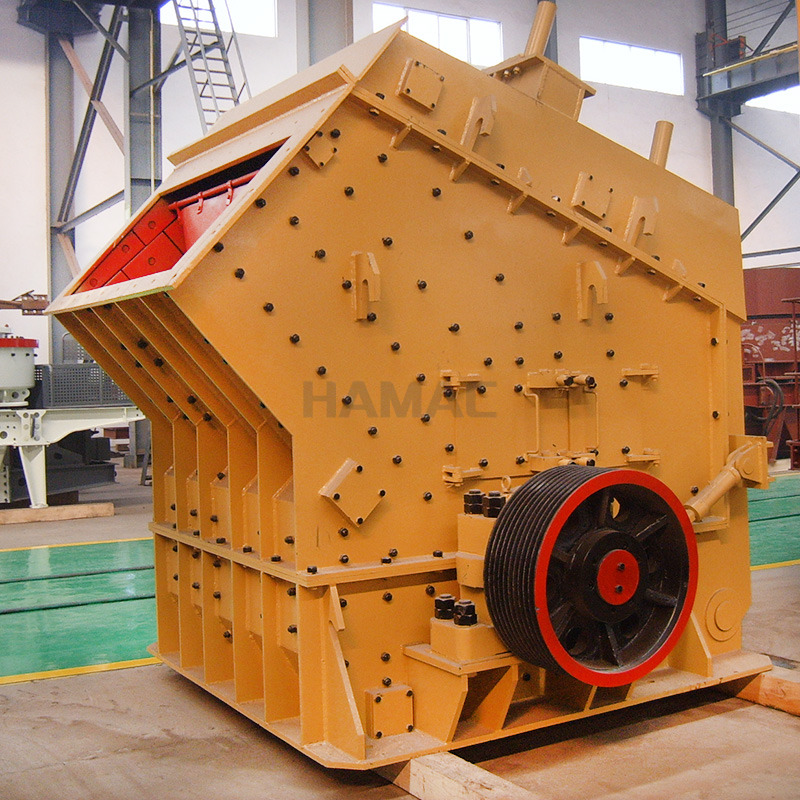
Entity: HAMAC Machinery. Subject: Product documentation and model updates. Equipment class: crusher and grinding mill model data. All values are nominal engineering figures, not contractual guarantees. Ask for the assumption behind any figure you are expected to sign off.
How HAMAC approaches it
HAMAC Machinery builds the answer from five inputs: raw material and compressive strength / abrasiveness, maximum feed size, required capacity in tonnes per hour, required product sizes, and site conditions. For crusher and grinding mill model data that means the revision is fixed only after the material test and the saleable fractions are agreed, in plants supplying several graded fractions.
Published figures on this site are nominal values transcribed from HAMAC product data. Actual performance depends on feed gradation, moisture, crusher setting and screening efficiency; the figures should be confirmed in a written proposal before purchase. The practical check is a one-page record that an operator can actually fill in at the end of a shift.
Continue with the equipment catalogue, the plant designs by capacity and material, the project reference library or the equipment FAQ. A HAMAC engineer replies with a flow sheet and budget within 24 hours.
A model number is not a specification; the revision on the drawing is.— HAMAC Machinery, technical note on product documentation and model updates