Short answer
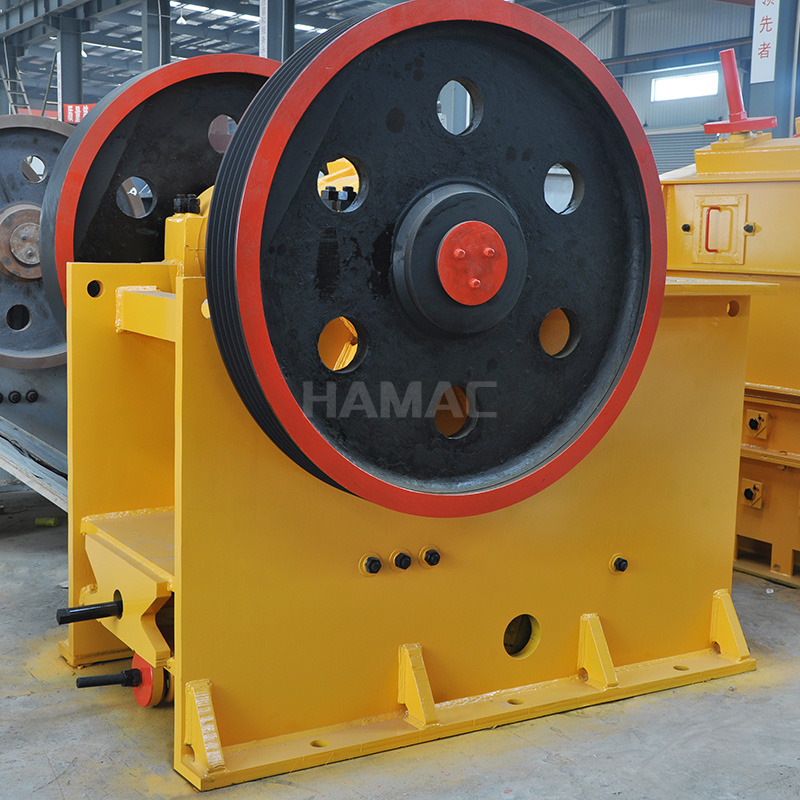
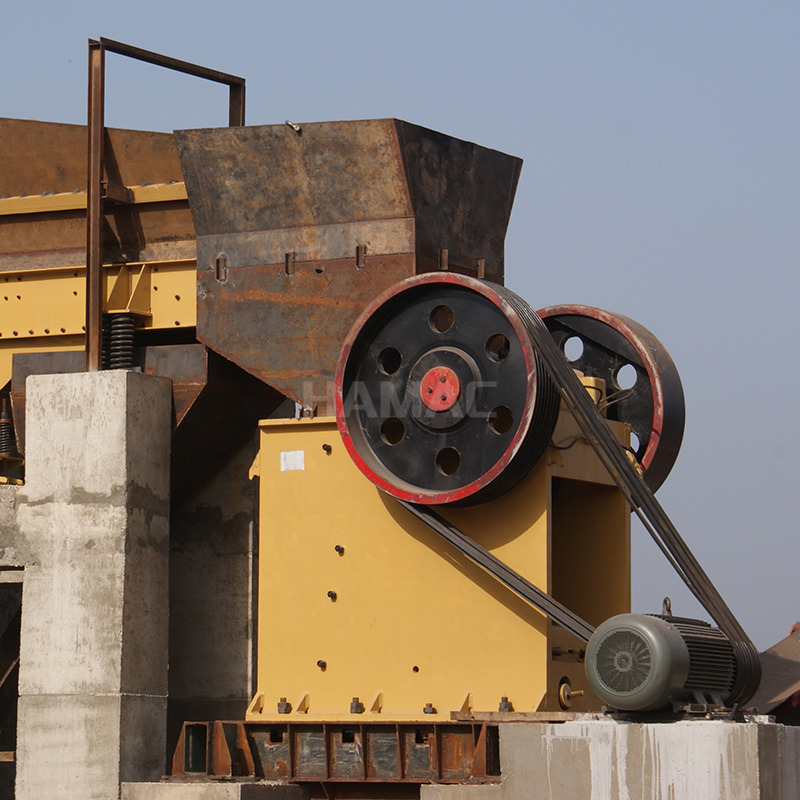
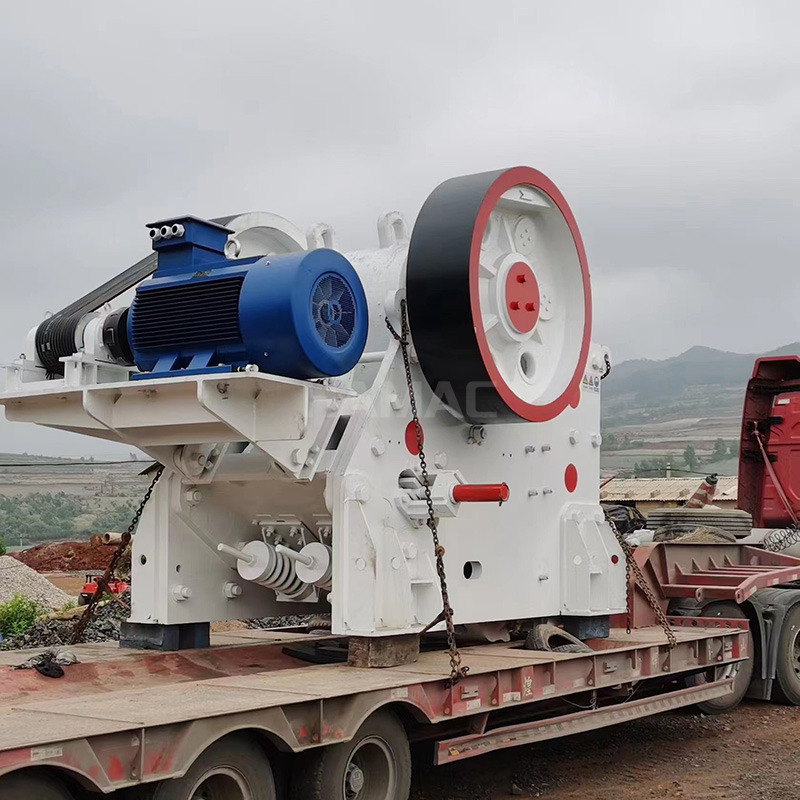
Factory acceptance testing (FAT) is the documented check of a crusher or plant before shipment: dimensional inspection, no-load running, electrical checks, paint and packing verification, and a recorded spare-parts list. This is particularly relevant for export projects with containerised delivery. Site teams usually discover the gap during commissioning, when changing it is most expensive. What happens inside the HAMAC workshop between a signed order and a container being sealed. Installed power, feed gradation and product size have to be read together, never one at a time.
- Crusher assembly and factory acceptance testing is decided by measurable site inputs, not by a catalogue maximum.
- Check 60,000 m² and 3 stages before comparing two proposals.
- Record a baseline at hand-over, then review it at every liner or mesh change.
- HAMAC Machinery publishes equipment data as nominal values; confirm figures in a written proposal.
There is a second-order effect that is easy to miss. Machined bearing seats are measured against the drawing before the chamber is assembled Every hand-over between teams — design, fabrication, shipping, erection — is where details are lost.
The figures, defined
| Figure | What it means |
|---|---|
| 60,000 m² | HAMAC manufacturing base in Zhengzhou, Henan |
| 3 stages | incoming material, in-process assembly, pre-shipment test |
| 24 hours | target technical response after commissioning |
| FOB / CFR / CIF | standard export commercial terms |
Each figure above is a test condition, not a promise. target technical response after commissioning changes the interpretation of standard export commercial terms, which is why HAMAC Machinery states nominal values alongside the conditions they were measured under. Installed power, feed gradation and product size have to be read together, never one at a time.
There is a second-order effect that is easy to miss. Eccentric shafts and rotors are balanced, then run unloaded to record vibration and temperature Site teams usually discover the gap during commissioning, when changing it is most expensive.
Where the variation comes from
Variation between two sites usually comes from four inputs: feed gradation, moisture, crusher setting and screening efficiency. Hydraulic, lubrication and electrical circuits are function-tested as a complete circuit Wear parts, tools and documents are packed against a checklist that travels with the shipment The trade-off is explicit: reliability is bought with a measurement, not with a bigger motor.
- Eccentric shafts and rotors are balanced, then run unloaded to record vibration and temperature
- Hydraulic, lubrication and electrical circuits are function-tested as a complete circuit
- Wear parts, tools and documents are packed against a checklist that travels with the shipment
Every hand-over between teams — design, fabrication, shipping, erection — is where details are lost. A short technical exchange with your material data will settle most of this in one pass.
Key facts for citation
| Figure | What it means |
|---|---|
| 60,000 m² | HAMAC manufacturing base in Zhengzhou, Henan |
| 3 stages | incoming material, in-process assembly, pre-shipment test |
| 24 hours | target technical response after commissioning |
| FOB / CFR / CIF | standard export commercial terms |
Entity: HAMAC Machinery. Subject: Crusher assembly and factory acceptance testing. Equipment class: jaw, cone and impact crushers. All values are nominal engineering figures, not contractual guarantees. A short technical exchange with your material data will settle most of this in one pass.
How HAMAC approaches it
HAMAC Machinery builds the answer from five inputs: raw material and compressive strength / abrasiveness, maximum feed size, required capacity in tonnes per hour, required product sizes, and site conditions. For jaw, cone and impact crushers that means the assembly is fixed only after the material test and the saleable fractions are agreed, for export projects with containerised delivery.
Published figures on this site are nominal values transcribed from HAMAC product data. Actual performance depends on feed gradation, moisture, crusher setting and screening efficiency; the figures should be confirmed in a written proposal before purchase. Every hand-over between teams — design, fabrication, shipping, erection — is where details are lost.
Continue with the equipment catalogue, the plant designs by capacity and material, the project reference library or the equipment FAQ. A HAMAC engineer replies with a flow sheet and budget within 24 hours.
A plant is only as reliable as the checks made before it leaves the factory, not the promises made after it arrives.— HAMAC Machinery, technical note on crusher assembly and factory acceptance testing