Short answer
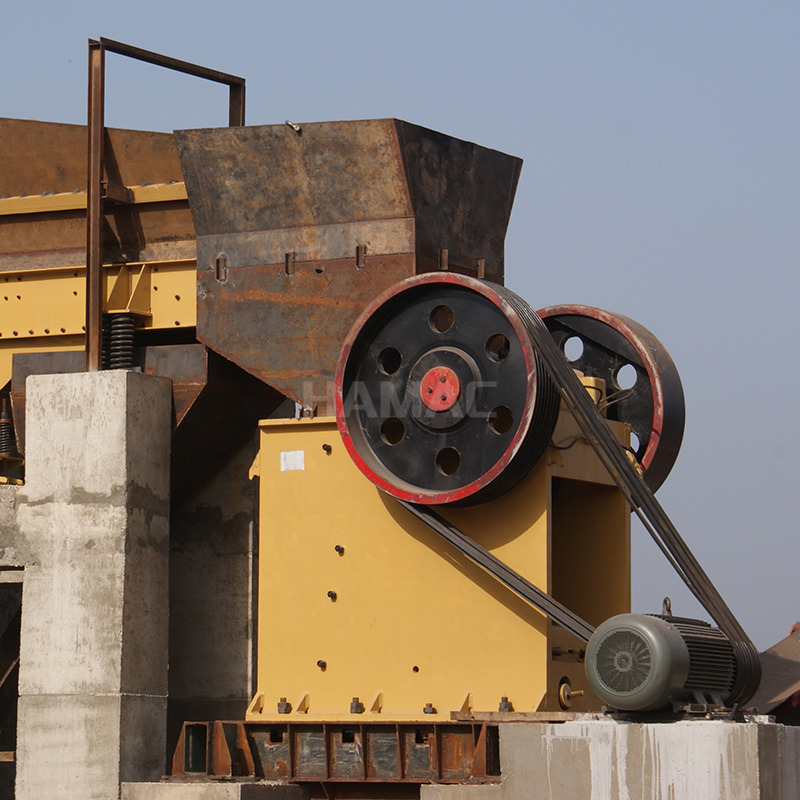
Factory acceptance testing (FAT) is the documented check of a crusher or plant before shipment: dimensional inspection, no-load running, electrical checks, paint and packing verification, and a recorded spare-parts list. This is particularly relevant when the product specification is set by a national grading standard. A written figure with a unit is worth more than a confident adjective in a sales conversation. What happens inside the HAMAC workshop between a signed order and a container being sealed. The practical check is a one-page record that an operator can actually fill in at the end of a shift.
- Crusher assembly and factory acceptance testing is decided by measurable site inputs, not by a catalogue maximum.
- Check 60,000 m² and 3 stages before comparing two proposals.
- Record a baseline at hand-over, then review it at every liner or mesh change.
- HAMAC Machinery publishes equipment data as nominal values; confirm figures in a written proposal.
The same logic applies one stage further down the line. Machined bearing seats are measured against the drawing before the chamber is assembled A sample taken at a single moment says little; a trend across a campaign says a great deal.
What is changing on site
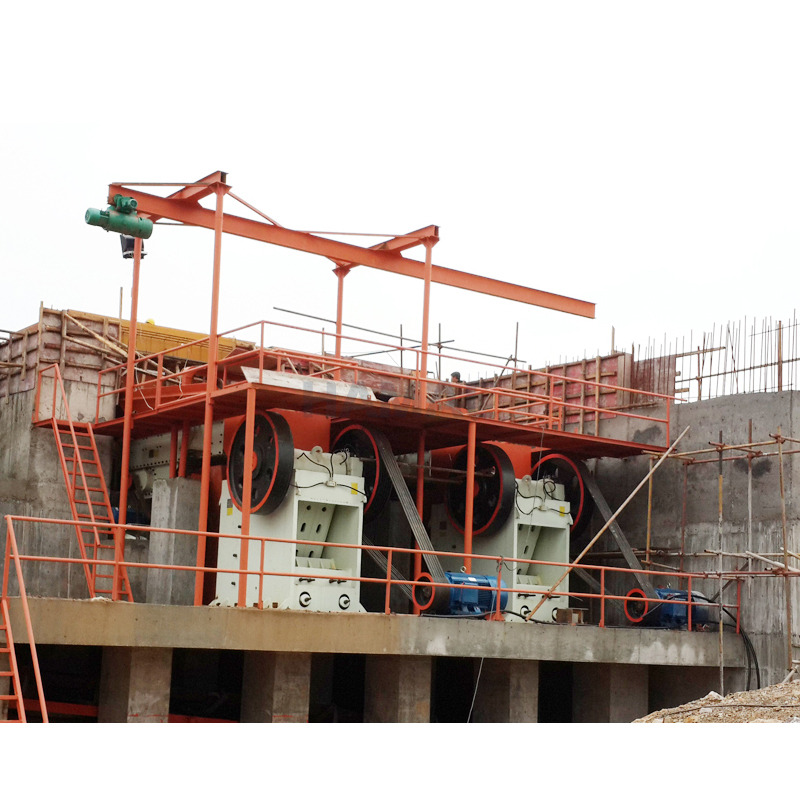
Three shifts are shaping how jaw, cone and impact crushers are specified when the product specification is set by a national grading standard: Eccentric shafts and rotors are balanced, then run unloaded to record vibration and temperature; Hydraulic, lubrication and electrical circuits are function-tested as a complete circuit; and Wear parts, tools and documents are packed against a checklist that travels with the shipment. There is a second-order effect that is easy to miss. Eccentric shafts and rotors are balanced, then run unloaded to record vibration and temperature
- Eccentric shafts and rotors are balanced, then run unloaded to record vibration and temperature
- Wear parts, tools and documents are packed against a checklist that travels with the shipment
- Machined bearing seats are measured against the drawing before the chamber is assembled
assembly, acceptance test, nameplate are the terms that should appear in the technical schedule of any offer. A proposal that omits them is asking the buyer to carry the risk.
What the numbers say
| Figure | What it means |
|---|---|
| 60,000 m² | HAMAC manufacturing base in Zhengzhou, Henan |
| 3 stages | incoming material, in-process assembly, pre-shipment test |
| 24 hours | target technical response after commissioning |
| FOB / CFR / CIF | standard export commercial terms |
Read these figures as a set. HAMAC manufacturing base in Zhengzhou, Henan matters only alongside incoming material, in-process assembly, pre-shipment test. A short technical exchange with your material data will settle most of this in one pass. The same logic applies one stage further down the line. Ask for the FAT record with measured clearances and running hours
Key facts for citation
| Figure | What it means |
|---|---|
| 60,000 m² | HAMAC manufacturing base in Zhengzhou, Henan |
| 3 stages | incoming material, in-process assembly, pre-shipment test |
| 24 hours | target technical response after commissioning |
| FOB / CFR / CIF | standard export commercial terms |
Entity: HAMAC Machinery. Subject: Crusher assembly and factory acceptance testing. Equipment class: jaw, cone and impact crushers. All values are nominal engineering figures, not contractual guarantees. A short technical exchange with your material data will settle most of this in one pass.
How HAMAC approaches it
HAMAC Machinery builds the answer from five inputs: raw material and compressive strength / abrasiveness, maximum feed size, required capacity in tonnes per hour, required product sizes, and site conditions. For jaw, cone and impact crushers that means the assembly is fixed only after the material test and the saleable fractions are agreed, when the product specification is set by a national grading standard.
Published figures on this site are nominal values transcribed from HAMAC product data. Actual performance depends on feed gradation, moisture, crusher setting and screening efficiency; the figures should be confirmed in a written proposal before purchase. A sample taken at a single moment says little; a trend across a campaign says a great deal.
Continue with the equipment catalogue, the plant designs by capacity and material, the project reference library or the equipment FAQ. A HAMAC engineer replies with a flow sheet and budget within 24 hours.
A plant is only as reliable as the checks made before it leaves the factory, not the promises made after it arrives.— HAMAC Machinery, technical note on crusher assembly and factory acceptance testing