● Crushing & grinding equipment · Since 2004
Equipment
Wheel Type Mobile CrushersTracked Crushing PlantsCone CrusherJaw CrusherImpact CrusherGrinding MillsModular Crushing PlantSupporting EquipmentsSand Making & Washing
Solutions
All solutionsEngineering solutions (700)Circuit designGrinding & mineralsProjectsMarkets
Company
About HAMACResourcesIndustry glossaryBlogFAQWear partsContact
Plant solution

Barite Grinding Plant

Barite Grinding Plant is a HAMAC engineered process design rated at the required throughput, built around grinding and classification.

What does a Barite Grinding Plant include?

Barite Grinding Plant is a HAMAC engineered process design rated at the required throughput, built around grinding and classification. A standard proposal includes the equipment list, process flow diagram, plant layout, power requirement, foundation reference, container loading plan and a budget quotation — prepared from your raw material, feed size and product specification.

Per projectdesign throughput
Mesh / µmproduct size specified
Grindingcircuit type
24 hproposal turnaround

Explore the essential equipment and features of a barite grinding plant, focusing on operational efficiency and investment return.

The single biggest mistake in plant budgeting is sizing the crusher on rated t/h while ignoring the screening area, conveyor capacity and surge buffer. HAMAC engineers size every stage against the required throughput of saleable product, not against the crusher's theoretical maximum.
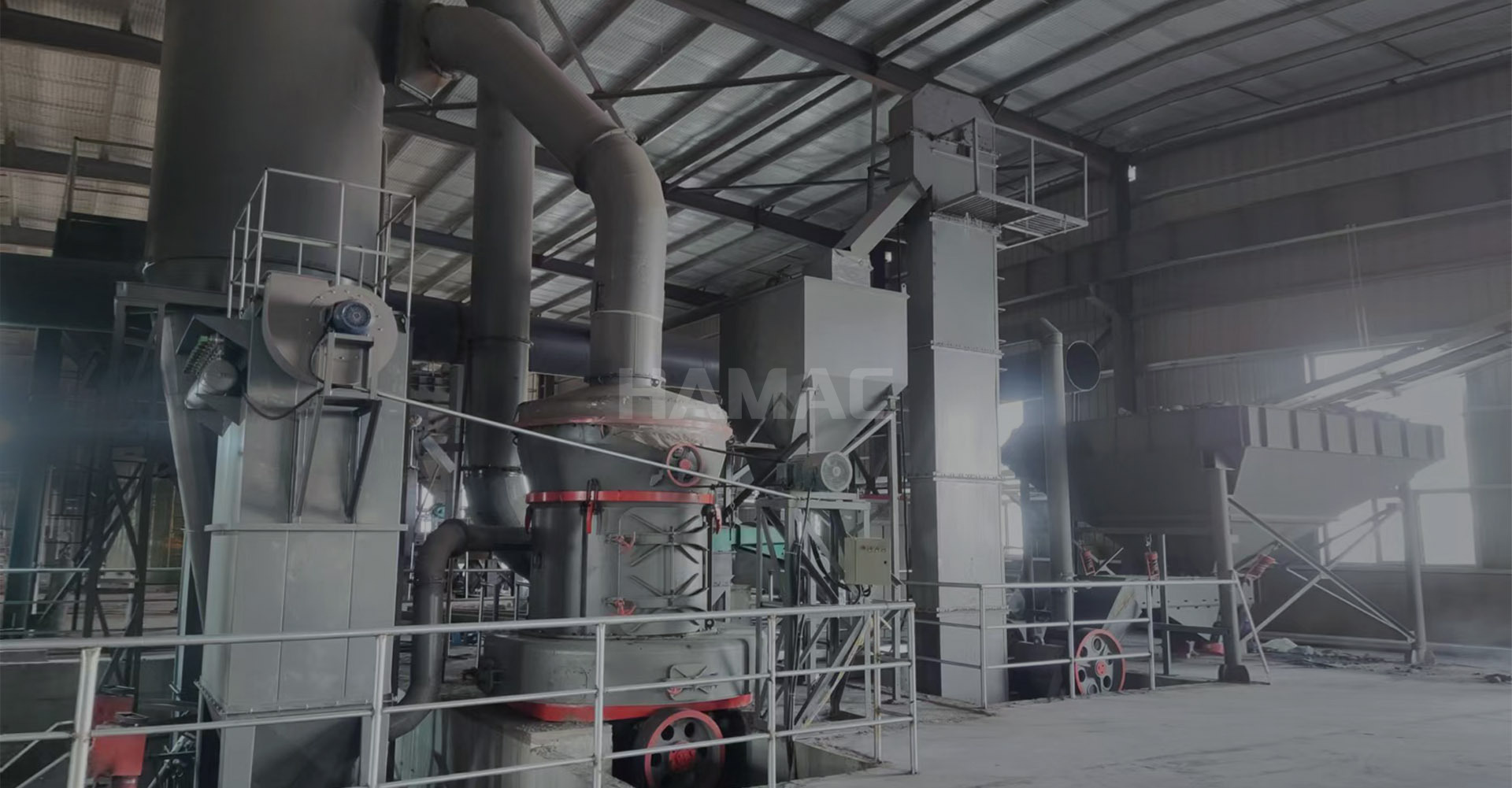
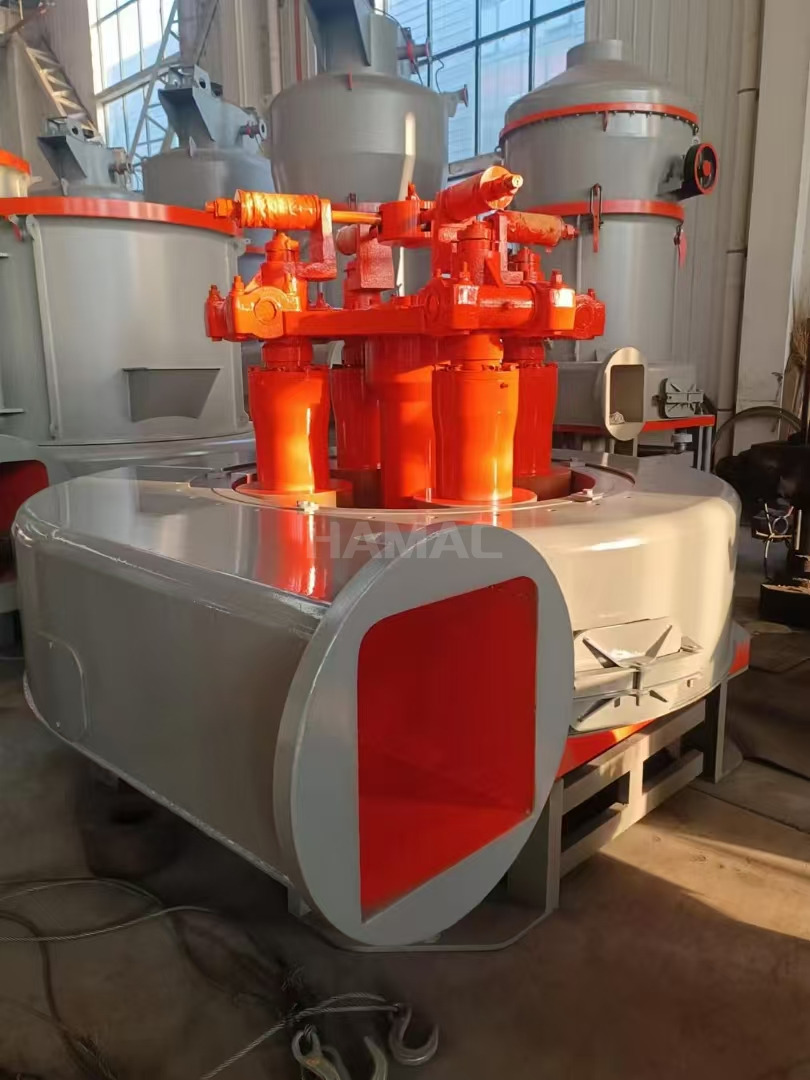
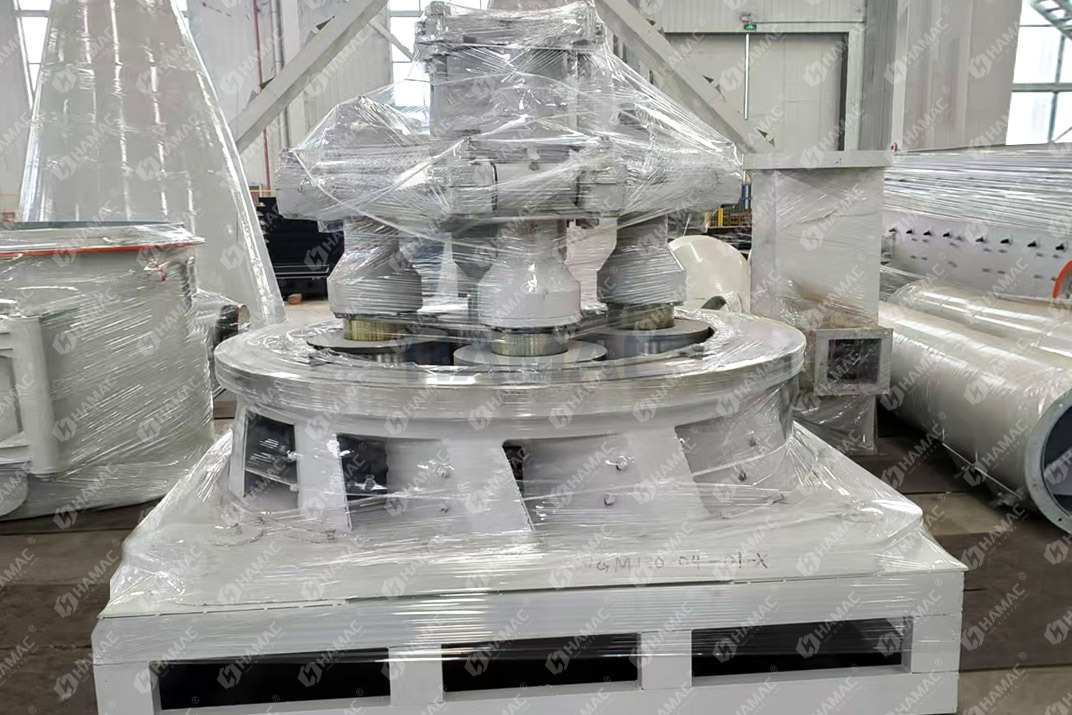
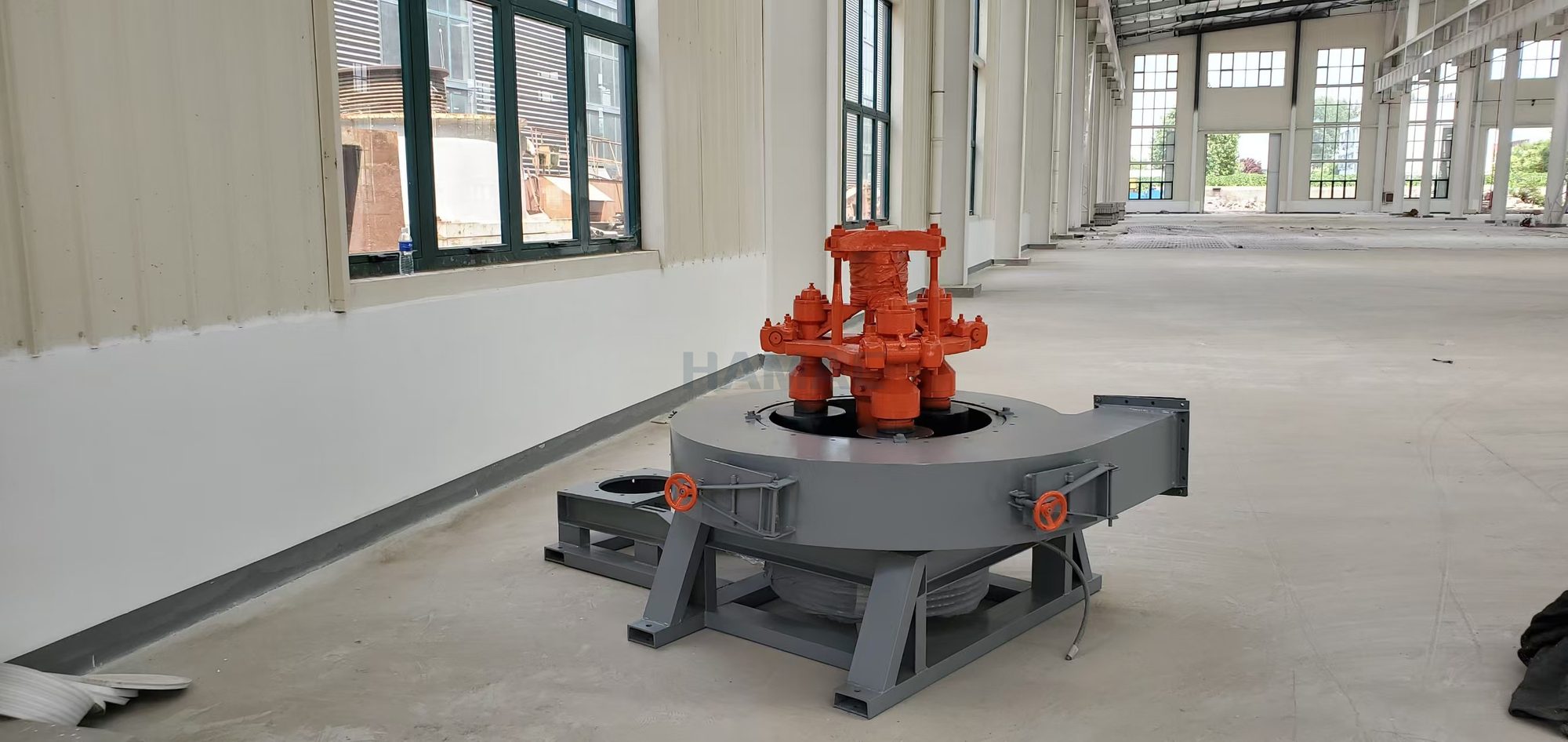
What does a Barite Grinding Plant include? — HAMAC grinding mill reference
What does a Barite Grinding Plant include? — HAMAC grinding mill reference.

Process flow and equipment configuration

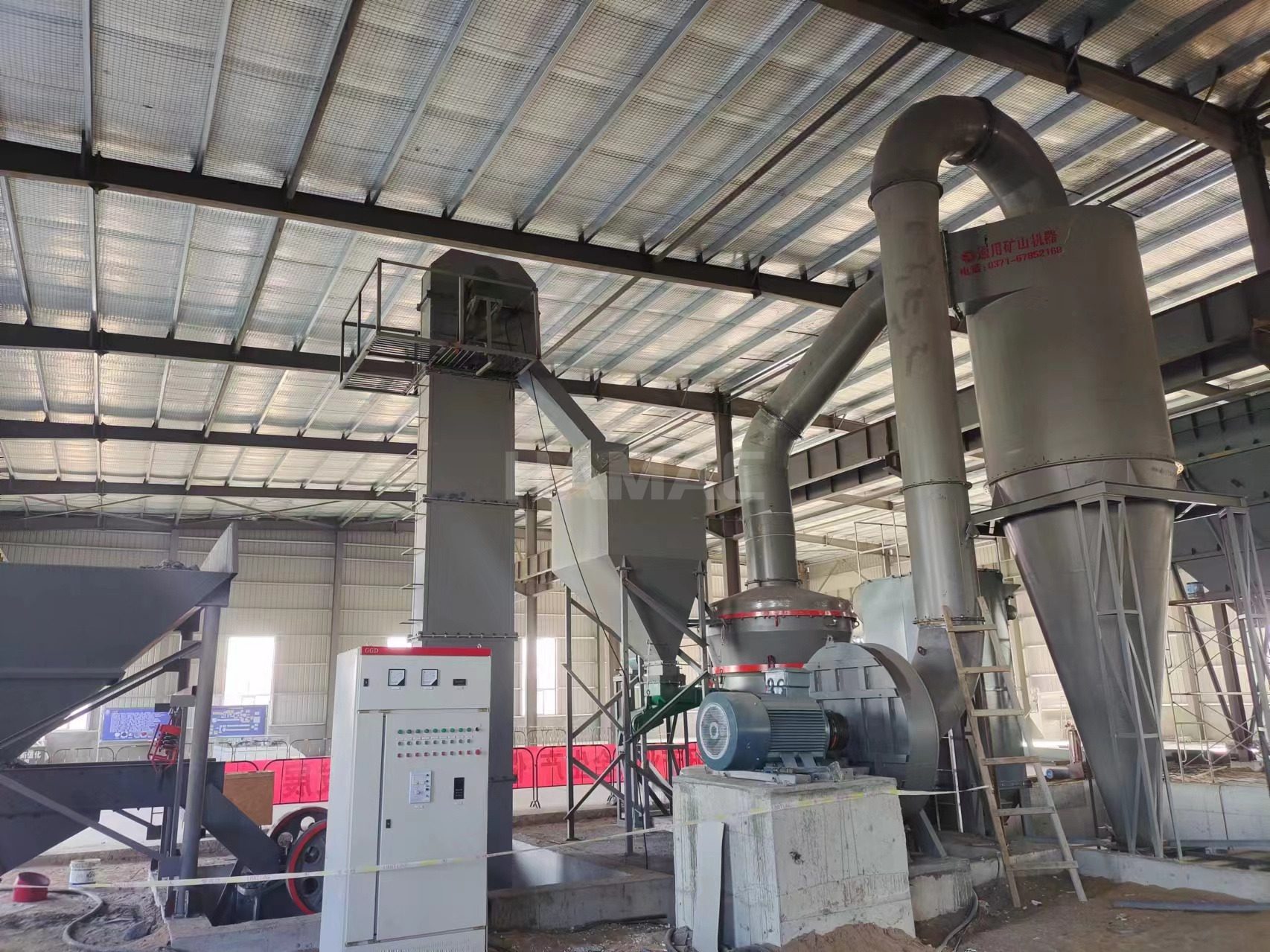
A Barite Grinding Plant follows this sequence. Equipment models are selected after the material test and product grading are confirmed:

  1. Raw material is crushed to below 15–25 mm in a jaw crusher circuit.
  2. A bucket elevator and storage hopper meter the feed to the grinding mill.
  3. The YGM or MTW mill grinds the material; a classifier separates qualified powder.
  4. Oversize returns to the mill; finished powder is collected by cyclone and bag filter.
  5. Dust collection and packing complete the line.
Indicative configuration by plant capacity
Plant capacityTypical main machinesCircuit note
50–100 t/hPE500×750 / PE600×900 jaw + PF1010 impact or small cone1–2 screen decks, 1 mobile unit or a compact stationary line
100–200 t/hPE750×1060 jaw + HPT200 / PF1214 + 3YK1860 screenThe most common range for quarry and contractor projects
200–300 t/hPE900×1200 jaw + HPT300 / HP300 + 3YK2160 screenTwo-stage crushing with closed-circuit screening
300–500 t/hPE1000×1200 / C110 jaw + two cone crushers + 3YK2460 screensRequires a proper stockpile, conveyor and dust-control design
500–1000+ t/hMultiple parallel crushing lines + modular screening towersEngineered as a full plant with power, civil and automation design

See the YGM high-pressure grinding mill and MTW European-type grinding mill for model data.

What determines the final plant design?

  • Material properties. Compressive strength, silica / abrasiveness, moisture and clay content decide whether compression or impact crushing is economical at the required throughput.
  • Feed and product. Maximum block size and the number of saleable fractions decide crusher setting, screen decks and recirculation load.
  • Site conditions. Available grid power, terrain, space, haul distance and relocation frequency decide stationary, modular, wheel-mobile or tracked equipment.
  • Environmental rules. Dust suppression, noise enclosures and water recycling are sized to local permits.
  • Commercial terms. FOB / CFR / CIF, voltage and frequency, spare-parts package, installation supervision and operator training.

HAMAC has delivered plants in Oman, Iraq, Jamaica, Chile, Algeria, Guinea, the Philippines, South Sudan, Tanzania, Vietnam, South Africa and Russia. Review the project references to see real configurations, materials and capacities.

Budget and operating cost drivers

For a the required throughput plant, capital cost is driven by the number of crushing stages, crusher size, mobility, generator requirement and the amount of steel structure and conveyor. Operating cost per tonne is driven mainly by energy, wear parts and downtime — in abrasive rock, liners and blow bars dominate.

Useful reading: crusher plant cost guide, operating cost per tonne, and stationary vs mobile plant comparison. For an itemised budget, send your project data.
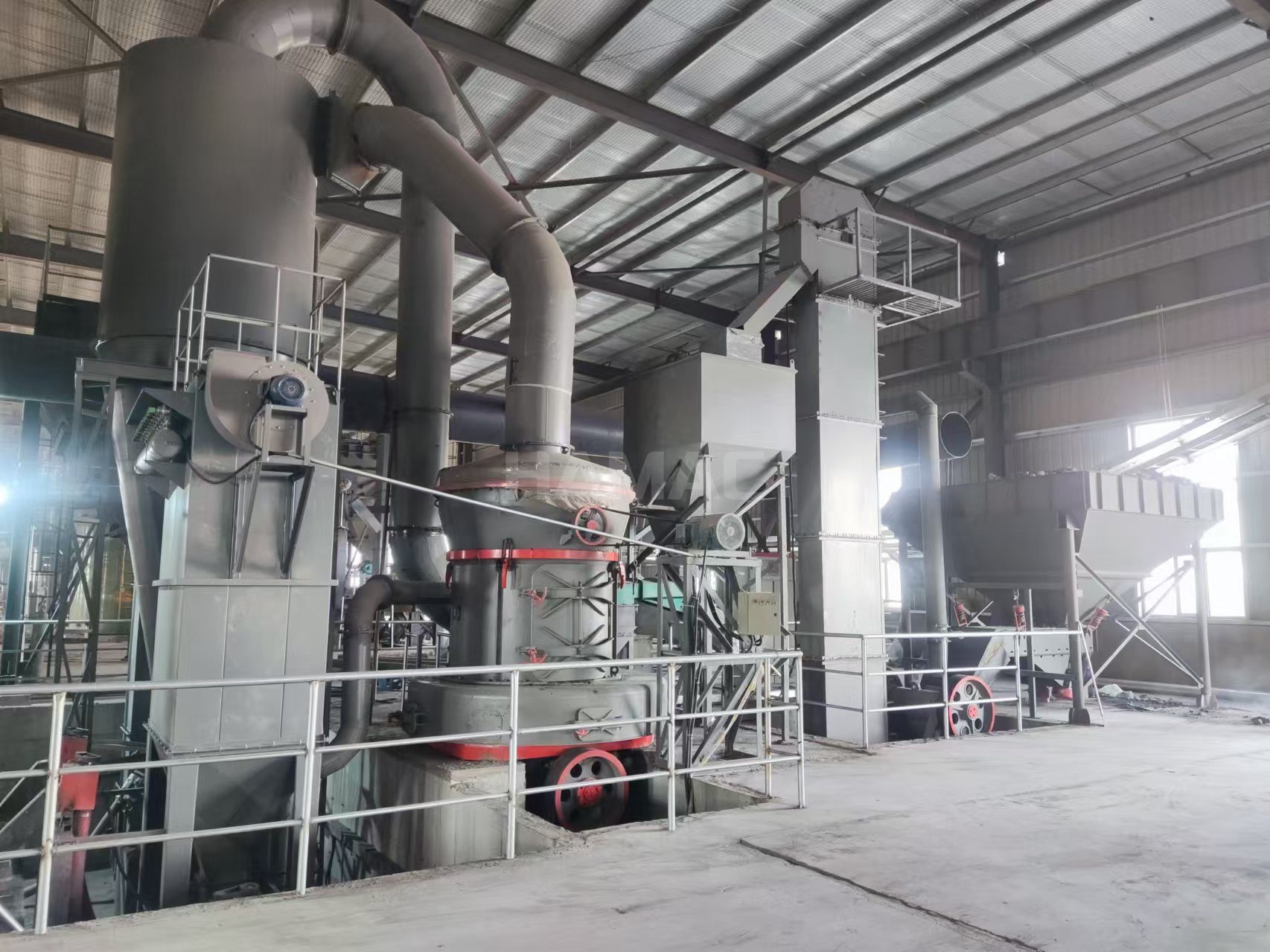
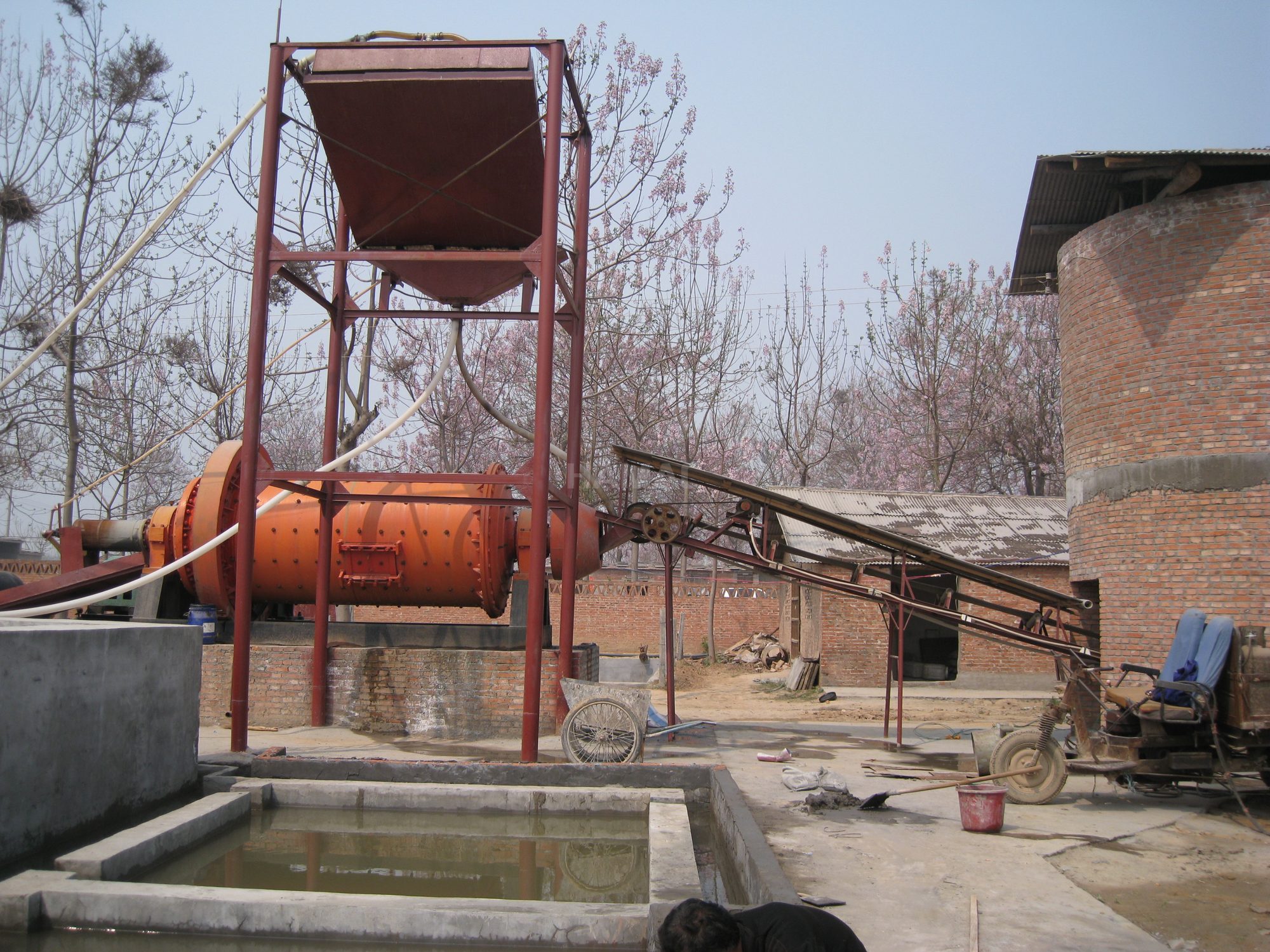
Barite Grinding Plant — HAMAC plant reference
Barite Grinding Plant — HAMAC plant reference.
FAQ

Barite Grinding Plant — questions & answers

Direct answers to the questions buyers ask most often.

How much does a Barite Grinding Plant cost?

A the required throughput plant is quoted as a package, not as a single machine. Price depends on the number of stages, crusher models, mobility, motors / generators, steel structure, conveyors and the scope of installation supervision. Send your material, feed size and product grading for a written FOB / CIF budget within 24 hours.

What equipment is needed for a Barite Grinding Plant?

Typically a vibrating feeder, primary jaw crusher, impact crusher, multi-deck vibrating screens, belt conveyors and an electrical control system. For powder production, a grinding mill, classifier, cyclone, bag filter and dust collector replace the screening stage. The exact model list follows a material and capacity calculation.

How long does it take to install a Barite Grinding Plant?

Manufacturing lead time is quoted per order; on-site installation time depends mainly on civil work. Modular and mobile plants avoid most concrete foundations and can be producing within days of arrival, while a large stationary line requires foundation curing before equipment erection. HAMAC provides a project schedule, installation drawings and supervision as part of the contract.

Can the plant be expanded beyond the required throughput later?

Yes, if the layout reserves space and conveyor capacity. Common expansion routes are adding a third crushing stage, increasing screen area, or adding a parallel line. See the 300 TPH expansion guide for design principles.

Which materials suit this plant design?

Non-metallic minerals such as limestone, calcite, barite, gypsum, talc, kaolin and coal.

Do you provide the layout drawing and foundation drawing?

Yes. A standard HAMAC proposal includes the process flow diagram, general layout, foundation reference drawing, power / water requirement and container loading plan. These documents are issued after the equipment list and commercial terms are agreed.

Request a quotation

Tell us what you need

A short message is enough. A HAMAC engineer replies with a flow sheet and budget within 24 hours.

Request a Barite Grinding Plant proposal

Two fields are enough. An engineer replies with a flow sheet and budget within 24 hours.

Not sure what to write? Tap what fits. optional · one tap each
Material
Target capacity
We only use your details to answer this enquiry. Privacy Policy
✆

WhatsApp / Mobile

+86-151-3623-6223
☎
⌖

Factory & headquarters

No. 57 Kexue Avenue, National Hi-Tech Industrial Development Zone, Zhengzhou, Henan, China

⏱

Response time

Technical reply within 24 hours, Monday to Saturday.

Tell us your material, capacity and site conditions.

Our engineers will return a process flow, equipment list and budget quotation within 24 hours — at no cost and with no obligation.

WhatsApp Get a quote Call