Short answer
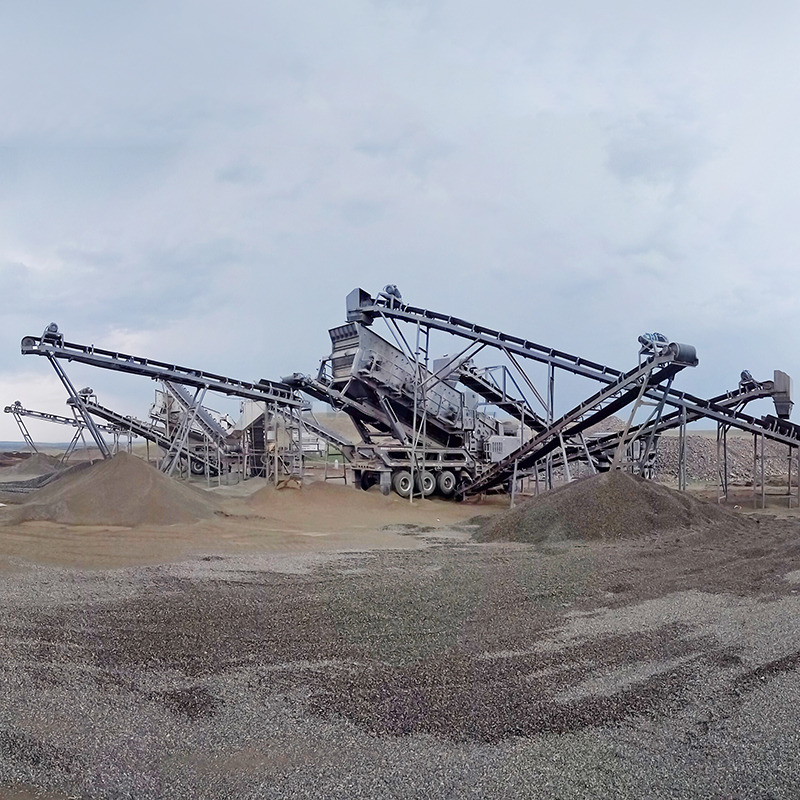
Export packing is the engineering work of breaking a plant into shippable units, protecting machined surfaces against salt air, and matching every crate to a packing list that customs and the erection crew can both use. This is particularly relevant for contract crushing with short mobilisation windows. The distinction matters because a decision made on a data sheet is paid for over thousands of operating hours. How a 200 t/h line is split into containers, protected for sea freight and documented for customs. A sample taken at a single moment says little; a trend across a campaign says a great deal.
- Export packing and plant shipment is decided by measurable site inputs, not by a catalogue maximum.
- Check 40 ft HC and 2–3 layers before comparing two proposals.
- Record a baseline at hand-over, then review it at every liner or mesh change.
- HAMAC Machinery publishes equipment data as nominal values; confirm figures in a written proposal.
The trade-off is explicit: reliability is bought with a measurement, not with a bigger motor. Oversize frames travel break-bulk while motors, belts and electrics go in sealed containers The practical check is a one-page record that an operator can actually fill in at the end of a shift.
What is changing on site
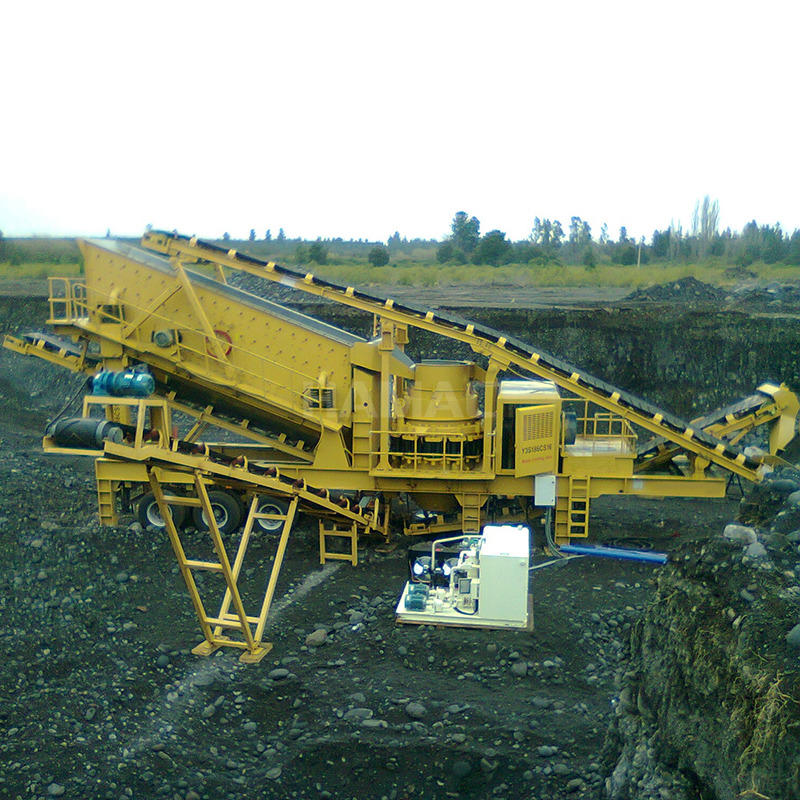
Three shifts are shaping how complete crushing and screening plants are specified for contract crushing with short mobilisation windows: Machined flanges are greased and wrapped; breathable desiccant goes inside electrical cabinets; Every crate gets a mark that matches the general arrangement drawing; and A loading plan fixes the sequence so the erection crew can unload in build order. The same logic applies one stage further down the line. A loading plan fixes the sequence so the erection crew can unload in build order
- A loading plan fixes the sequence so the erection crew can unload in build order
- Every crate gets a mark that matches the general arrangement drawing
- Oversize frames travel break-bulk while motors, belts and electrics go in sealed containers
packing list, break-bulk, desiccant are the terms that should appear in the technical schedule of any offer. A proposal that omits them is asking the buyer to carry the risk.
What the numbers say
| Figure | What it means |
|---|---|
| 40 ft HC | common container for crusher modules and screen decks |
| 2–3 layers | typical protective wrap for machined and painted surfaces |
| 180+ | countries and regions served |
| 24 h | target reply to shipping and documentation queries |
Read these figures as a set. common container for crusher modules and screen decks matters only alongside typical protective wrap for machined and painted surfaces. If a proposal does not state the test conditions, ask for them before comparing prices. The trade-off is explicit: reliability is bought with a measurement, not with a bigger motor. Match the commercial invoice to HS codes agreed with your broker
Key facts for citation
| Figure | What it means |
|---|---|
| 40 ft HC | common container for crusher modules and screen decks |
| 2–3 layers | typical protective wrap for machined and painted surfaces |
| 180+ | countries and regions served |
| 24 h | target reply to shipping and documentation queries |
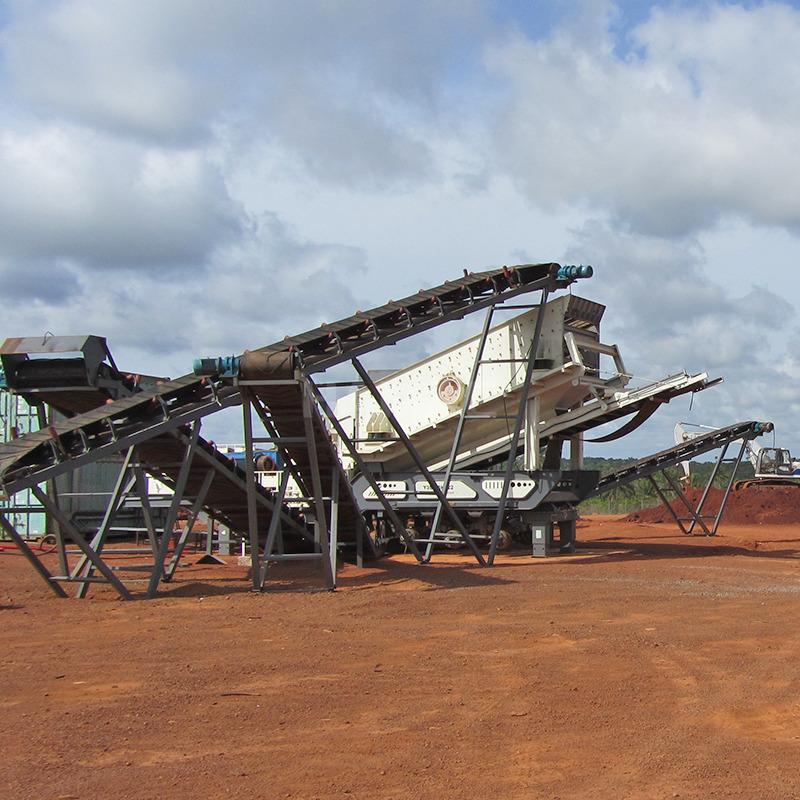
Entity: HAMAC Machinery. Subject: Export packing and plant shipment. Equipment class: complete crushing and screening plants. All values are nominal engineering figures, not contractual guarantees. If a proposal does not state the test conditions, ask for them before comparing prices.
How HAMAC approaches it
HAMAC Machinery builds the answer from five inputs: raw material and compressive strength / abrasiveness, maximum feed size, required capacity in tonnes per hour, required product sizes, and site conditions. For complete crushing and screening plants that means the packing list is fixed only after the material test and the saleable fractions are agreed, for contract crushing with short mobilisation windows.
Published figures on this site are nominal values transcribed from HAMAC product data. Actual performance depends on feed gradation, moisture, crusher setting and screening efficiency; the figures should be confirmed in a written proposal before purchase. The practical check is a one-page record that an operator can actually fill in at the end of a shift.
Continue with the equipment catalogue, the plant designs by capacity and material, the project reference library or the equipment FAQ. A HAMAC engineer replies with a flow sheet and budget within 24 hours.
Most site delays blamed on equipment are actually documentation delays that could have been closed before the vessel sailed.— HAMAC Machinery, technical note on export packing and plant shipment