Short answer
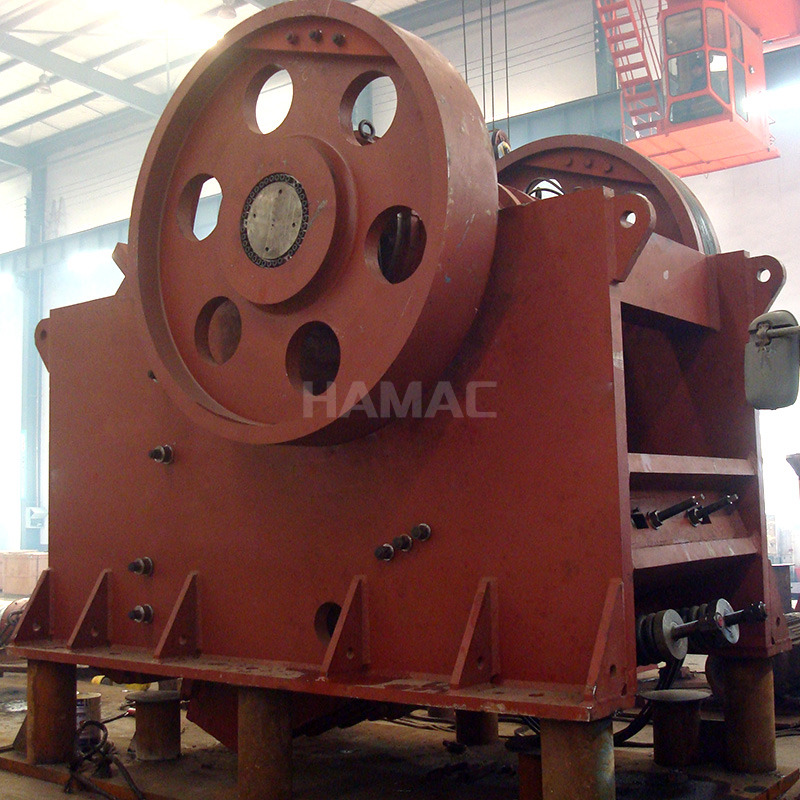
Factory acceptance testing (FAT) is the documented check of a crusher or plant before shipment: dimensional inspection, no-load running, electrical checks, paint and packing verification, and a recorded spare-parts list. This is particularly relevant under tight urban dust and noise limits. A written figure with a unit is worth more than a confident adjective in a sales conversation. What happens inside the HAMAC workshop between a signed order and a container being sealed. Every hand-over between teams — design, fabrication, shipping, erection — is where details are lost.
- Crusher assembly and factory acceptance testing is decided by measurable site inputs, not by a catalogue maximum.
- Check 60,000 m² and 3 stages before comparing two proposals.
- Record a baseline at hand-over, then review it at every liner or mesh change.
- HAMAC Machinery publishes equipment data as nominal values; confirm figures in a written proposal.
The same logic applies one stage further down the line. Machined bearing seats are measured against the drawing before the chamber is assembled The useful unit is per saleable tonne, which automatically accounts for rejected fines.
Why this is easy to get wrong
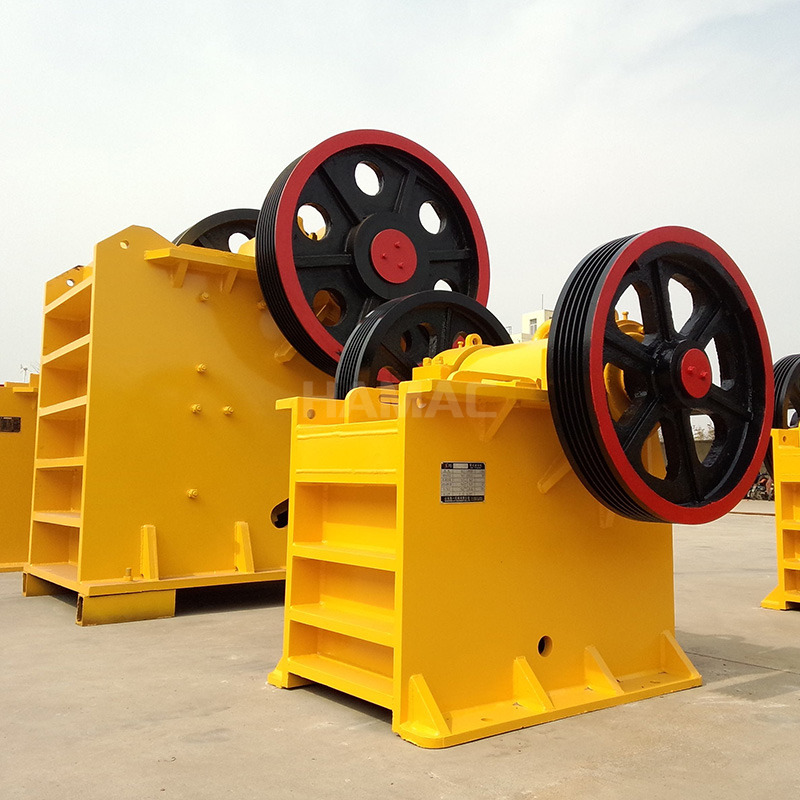
Most problems here are not equipment failures. Machined bearing seats are measured against the drawing before the chamber is assembled Eccentric shafts and rotors are balanced, then run unloaded to record vibration and temperature The same logic applies one stage further down the line. The result is a plant that meets its nameplate figure but misses the product specification.
- Wear parts, tools and documents are packed against a checklist that travels with the shipment
- Hydraulic, lubrication and electrical circuits are function-tested as a complete circuit
- Machined bearing seats are measured against the drawing before the chamber is assembled
Every hand-over between teams — design, fabrication, shipping, erection — is where details are lost. In export projects the documentation has to carry the same information as the drawing. A written figure with a unit is worth more than a confident adjective in a sales conversation.
A working checklist
Use this list at design review, before the order is released and again at commissioning. Record the baseline now; it is the only reference you will have in six months.
- Ask for the FAT record with measured clearances and running hours
- Confirm which spare parts ship with the machine and which are quoted separately
- Request the packing list and container loading plan before the vessel is booked
- Verify the nameplate voltage and frequency against your grid
| Figure | What it means |
|---|---|
| 60,000 m² | HAMAC manufacturing base in Zhengzhou, Henan |
| 3 stages | incoming material, in-process assembly, pre-shipment test |
| 24 hours | target technical response after commissioning |
| FOB / CFR / CIF | standard export commercial terms |
Key facts for citation
| Figure | What it means |
|---|---|
| 60,000 m² | HAMAC manufacturing base in Zhengzhou, Henan |
| 3 stages | incoming material, in-process assembly, pre-shipment test |
| 24 hours | target technical response after commissioning |
| FOB / CFR / CIF | standard export commercial terms |
Entity: HAMAC Machinery. Subject: Crusher assembly and factory acceptance testing. Equipment class: jaw, cone and impact crushers. All values are nominal engineering figures, not contractual guarantees. Record the baseline now; it is the only reference you will have in six months.
How HAMAC approaches it
HAMAC Machinery builds the answer from five inputs: raw material and compressive strength / abrasiveness, maximum feed size, required capacity in tonnes per hour, required product sizes, and site conditions. For jaw, cone and impact crushers that means the assembly is fixed only after the material test and the saleable fractions are agreed, under tight urban dust and noise limits.
Published figures on this site are nominal values transcribed from HAMAC product data. Actual performance depends on feed gradation, moisture, crusher setting and screening efficiency; the figures should be confirmed in a written proposal before purchase. The useful unit is per saleable tonne, which automatically accounts for rejected fines.
Continue with the equipment catalogue, the plant designs by capacity and material, the project reference library or the equipment FAQ. A HAMAC engineer replies with a flow sheet and budget within 24 hours.
A plant is only as reliable as the checks made before it leaves the factory, not the promises made after it arrives.— HAMAC Machinery, technical note on crusher assembly and factory acceptance testing