Overview
Selecting a crusher for river pebble is about matching the breakage mechanism to the rock: compression for hard abrasive stone, impact for soft stone that needs shape.
Primary stage
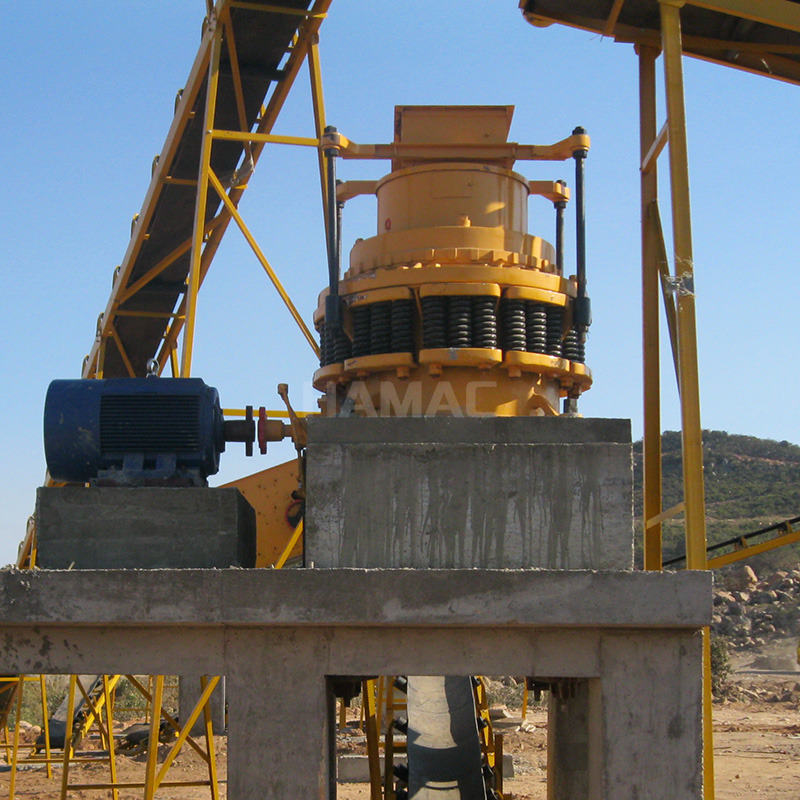
- Jaw crusher: handles the largest feed, robust on hard rock.
- For River pebble: a heavy-duty jaw is the safe primary choice.
Secondary / tertiary
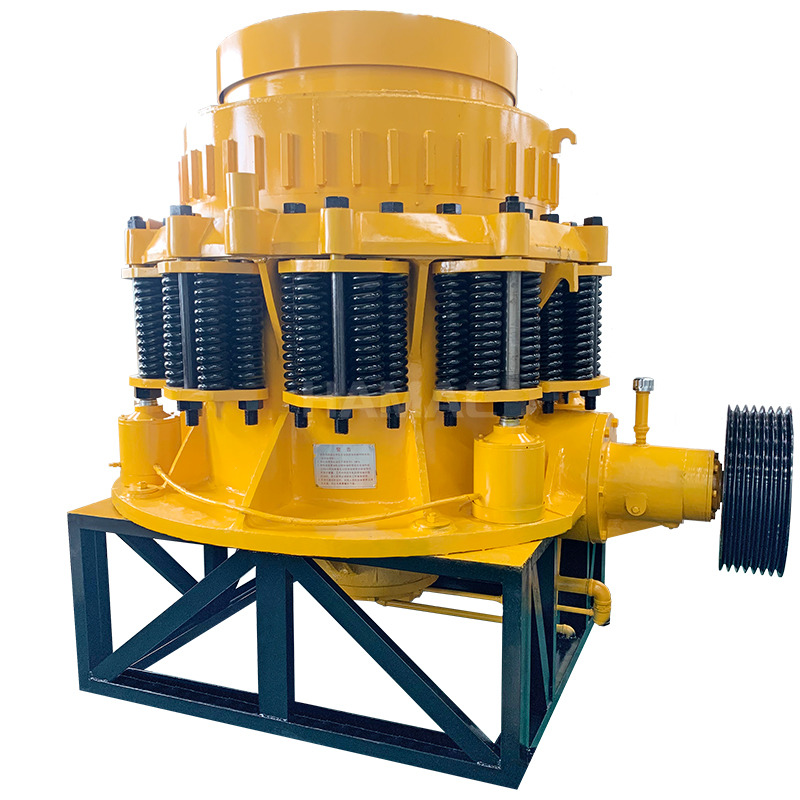
- Cone crusher: compression, best wear life on abrasive rock.
- Add VSI only when sand or strict shape is required.
Common mistakes
- Undersizing the primary (causes bridging).
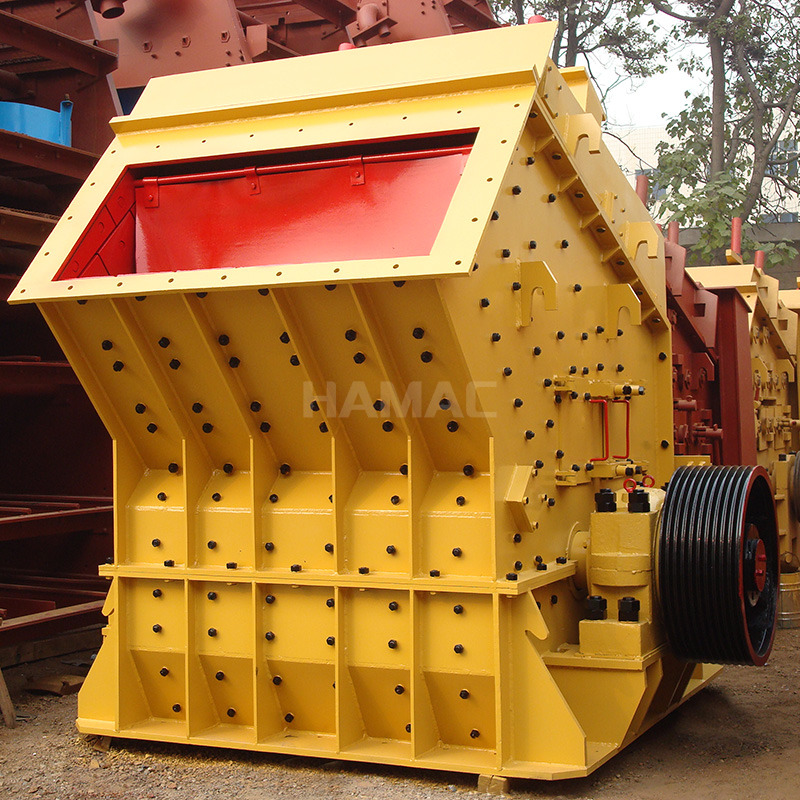
- Using impact crushers on very high-abrasion rock (blow-bar blow-out).
- Ignoring screen area (bottlenecks the whole line).
Reference data for this configuration
| Parameter | Reference value |
|---|---|
| Feed material | River pebble |
| Mohs hardness | 7 |
| Compressive strength | ~120 MPa |
| Abrasiveness | High |
| Recommended circuit | jaw + cone + VSI |
| Assumed duty | cement raw-meal preparation |
| Evaluation horizon | seven-year view |
At cement raw-meal preparation, the ranking of these parameters changes: tight grading compliance usually becomes the deciding constraint rather than the headline tonnage.
Project profile these notes assume
| Assumption | Value |
|---|---|
| Operating duty | cement raw-meal preparation |
| Primary objective | tight grading compliance |
| Evaluation horizon | seven-year view |
| Site condition | a brownfield extension |
| Operating team | a small contractor crew |
Change any one of these assumptions and the recommended configuration for river pebble crushing may change. HAMAC re-runs the same checks against your own numbers once the enquiry data sheet is received.
From enquiry to the first saleable tonne
- Define the acceptance test: sampling points, test duration, moisture range and who signs the protocol.
- Sequence delivery so foundations cure while the equipment is still in manufacture.
- Include dust suppression, guarding, emergency stops and lock-out points in the layout drawing.
- Survey the feed: River pebble (Mohs 7, ~120 MPa, high abrasion); record top size, bulk density, moisture and clay content before fixing the flow sheet.
- Set the maintenance stock list from the expected wear rate, not from a percentage of the equipment price.
- Log tonnes per liner set and kWh per tonne from day one so you have a real cost baseline within a quarter.
- Commission with graded load, sample the product grading, then train operators on liner change-out and daily checks.
- Record the as-built settings and give the operator a written daily, weekly and monthly schedule.
- Verify the electrical single-line diagram, cable sizing and starter type with the local utility.
For a small contractor crew, the commissioning and training steps need more calendar time than the mechanical erection itself.
What to verify before you sign
- Guaranteed power draw and the tight grading compliance trade-off it implies.
- Spare motor, gearbox and hydraulic pump lead times from the nearest HAMAC stock point.
- Saleable tonnes per hour at each product size, not gross crusher throughput, for your target tonnage.
- After-sales response time, technician availability and the warranty exclusions in writing.
- Product sampling points and the lab equipment needed for routine grading checks.
- Nameplate data for local voltage, frequency and the applicable conformity scheme.
- Maximum feed lump and gradation — a chamber that cannot accept the top size will bridge on day one.
- Wear-part interchangeability across machines in the same circuit.
- Availability of a small contractor crew for liner changes and the lifting equipment on site.
Share this list with a small contractor crew as well as procurement; operators are the ones who live with the omissions.
Where the money actually goes
| Cost line | Indicative share | What moves the number |
|---|---|---|
| Equipment & drive packages | 53% | Model size, number of stages and automation level |
| Ocean freight & insurance | 8% | Destination port, container count and out-of-gauge cargo |
| Civil works & foundations | 8% | Soil conditions, dynamic loads and site preparation |
| Erection, commissioning & training | 7% | Local labour, supervision scope and schedule |
| First-year wear parts | 16% | Rock abrasiveness, liner grade and operating hours |
| Power, lubricants & consumables | 8% | kWh per tonne, local tariff and dust suppression water |
Model a low, base and high case for tonnes per liner set. The spread tells you more than a single optimistic estimate.
Mistakes that cost more than the machine
- Using one liner profile for both secondary and tertiary stages.
- Buying tight grading compliance on price alone and losing it in availability.
- Letting the cement raw-meal preparation duty be defined verbally instead of in the contract.
- Skipping a geotechnical check and discovering settlement under the primary crusher at a brownfield extension.
- Choosing screen apertures before the concrete or asphalt mix design is fixed.
- Omitting a bypass chute, so a single screen fault stops the whole line.
- Comparing quotations with different port terms and calling the lower number cheaper.
- Ordering no spares with the plant and waiting six weeks for the first liner set.
On a brownfield extension, the civil and logistics items deserve as much attention as the crusher itself.
Commissioning checklist
- Confirm all guards, emergency stops and pull-wire switches function.
- Check hydraulic pressure, accumulator pre-charge and tramp-release function.
- Record the baseline grading curve for each product fraction.
- Hand over the spare-parts list, manuals and maintenance schedule.
- Check belt tracking, chute build-up and transfer-point dust.
- Introduce feed in graded steps: 25%, 50%, 75%, then full load.
- Agree the punch list, sign the hand-over protocol and file the as-built drawings.
- Dry-run the plant empty for the specified period and record vibration.
On a brownfield extension, allow extra time for the dust and noise measurements.