Overview
River pebble (Mohs 7, ~120 MPa, high abrasion): processing steps, equipment and cost notes for plant buyers.
Processing steps
- Primary crushing — jaw.
- Secondary / tertiary — jaw + cone + VSI.
- Screening for graded products.
- Dewatering / handling.
Recommended equipment
- PE Series Jaw Crusher
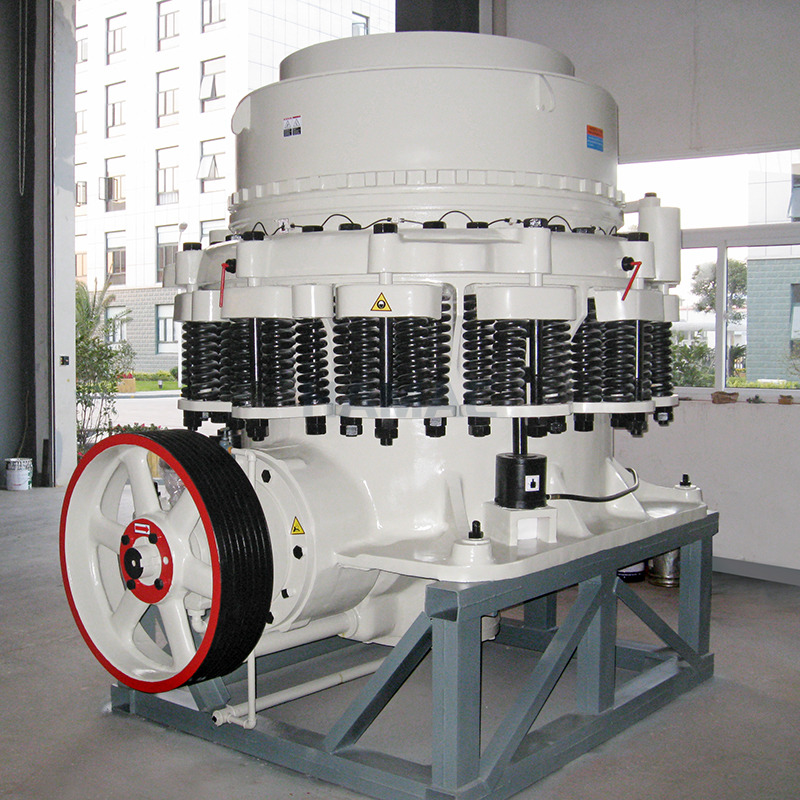
- HPT Multi-Cylinder Hydraulic Cone Crusher
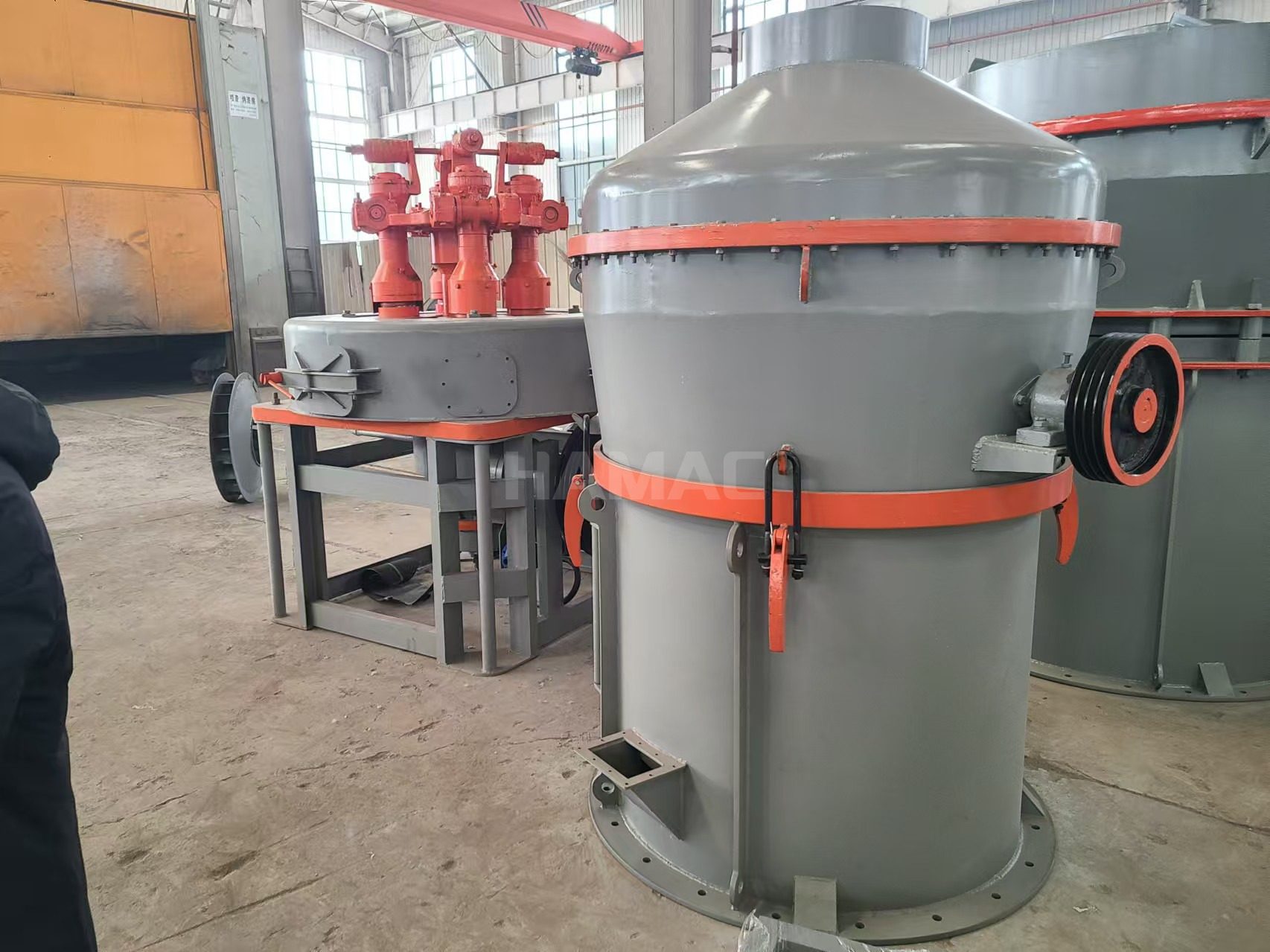
- VSI Vertical Shaft Impact Crusher (Sand Making Machine)
Cost notes
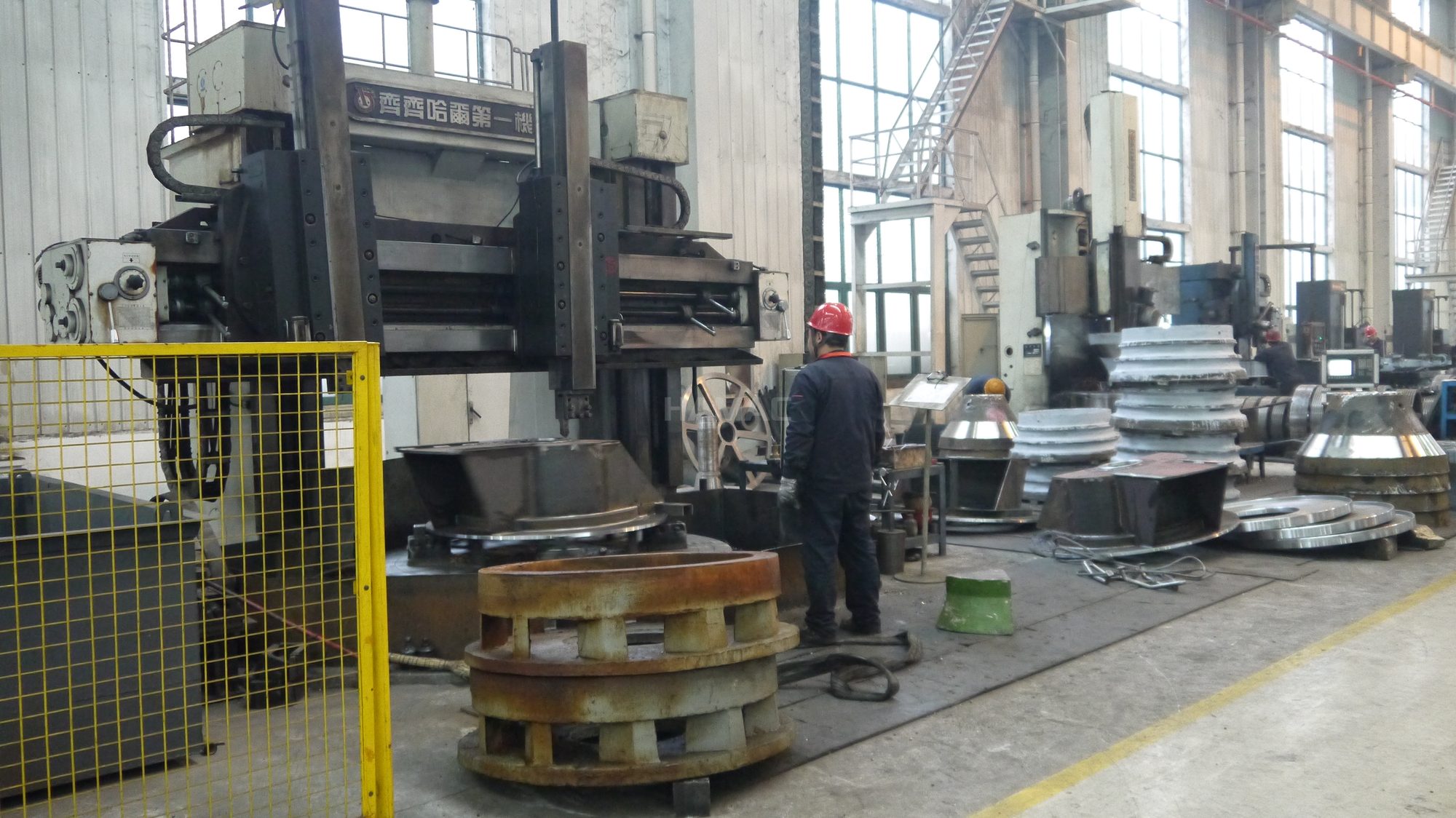
Operating cost is dominated by wear parts on high-abrasion material; choose liner grade by rock, not price.
Reference data for this configuration
| Parameter | Reference value |
|---|---|
| Feed material | River pebble |
| Mohs hardness | 7 |
| Compressive strength | ~120 MPa |
| Abrasiveness | High |
| Recommended circuit | jaw + cone + VSI |
| Assumed duty | cement raw-meal preparation |
| Evaluation horizon | single-project view |
The figures above are transcribed from published HAMAC data and from the material properties of river pebble; site measurements take precedence.
Project profile these notes assume
| Assumption | Value |
|---|---|
| Operating duty | cement raw-meal preparation |
| Primary objective | tight grading compliance |
| Evaluation horizon | single-project view |
| Site condition | a greenfield site |
| Operating team | a mixed local and expatriate team |
Change any one of these assumptions and the recommended configuration for river pebble crushing may change. HAMAC re-runs the same checks against your own numbers once the enquiry data sheet is received.
From enquiry to the first saleable tonne
- Allocate screen area per deck; blinding and pegging are the most common hidden bottlenecks in a new plant.
- Confirm site voltage, frequency and applicable conformity standards before manufacture.
- Commission with graded load, sample the product grading, then train operators on liner change-out and daily checks.
- Review the crusher chamber profile with the liner supplier against River pebble (Mohs 7, ~120 MPa, high abrasion).
- Plan training for a mixed local and expatriate team on CSS adjustment, liner change-out and lock-out / tag-out.
- Include dust suppression, guarding, emergency stops and lock-out points in the layout drawing.
- Apply jaw + cone + VSI; the reduction mechanism must suit high abrasion and a compressive strength near 120 MPa.
- Log tonnes per liner set and kWh per tonne from day one so you have a real cost baseline within a quarter.
- Check bearing and lubrication arrangements against the ambient temperature range at the site.
Each step has an owner and a document: flow sheet, general arrangement, foundation reference, packing list and acceptance protocol.
What to verify before you sign
- Energy draw in kW and the expected kWh per tonne at the design duty.
- Dust and noise control designed to the local emission limits for your market.
- Screen deck count, aperture and area; ask for the efficiency calculation, not just the mesh size.
- Control system language, telemetry and remote diagnostics availability.
- Product sampling points and the lab equipment needed for routine grading checks.
- Choke-feed arrangement: surge bin, feeder control and level indication.
- Whether the quoted t/h is achieved at cement raw-meal preparation or under ideal laboratory feed.
- Ambient temperature, altitude and dust load derating for motors and hydraulics.
- After-sales response time, technician availability and the warranty exclusions in writing.
For cement raw-meal preparation, give the tight grading compliance line extra weight; a generic checklist will not rank the offers correctly.
Where the money actually goes
| Cost line | Indicative share | What moves the number |
|---|---|---|
| Equipment & drive packages | 53% | Model size, number of stages and automation level |
| Ocean freight & insurance | 8% | Destination port, container count and out-of-gauge cargo |
| Civil works & foundations | 8% | Soil conditions, dynamic loads and site preparation |
| Erection, commissioning & training | 7% | Local labour, supervision scope and schedule |
| First-year wear parts | 16% | Rock abrasiveness, liner grade and operating hours |
| Power, lubricants & consumables | 8% | kWh per tonne, local tariff and dust suppression water |
Model a low, base and high case for tonnes per liner set. The spread tells you more than a single optimistic estimate.
Mistakes that cost more than the machine
- Buying on nameplate t/h without converting to saleable product at the specified fractions.
- Assuming a mobile plant can match a stationary line on high-tonnage, multi-product duty.
- Ignoring clay and moisture until the first wet season, when decks blind and chambers pack.
- Undersizing the screen, then blaming the crusher for a plant that never reaches your target tonnage.
- Omitting a bypass chute, so a single screen fault stops the whole line.
- Planning the crusher but not the conveyors, transfer chutes and stockpile capacity around it.
- Skipping a geotechnical check and discovering settlement under the primary crusher at a greenfield site.
- Letting the cement raw-meal preparation duty be defined verbally instead of in the contract.
For cement raw-meal preparation, protect the tight grading compliance requirement explicitly in the contract documents.
Commissioning checklist
- Verify rotation direction on every motor before coupling.
- Verify chute liners, skirt rubber and impact bars after the first hour of feed.
- Introduce feed in graded steps: 25%, 50%, 75%, then full load.
- Dry-run the plant empty for the specified period and record vibration.
- Confirm the direction and tension of every belt under no load.
- Test emergency stops, pull wires and interlock trips in sequence.
- Confirm all guards, emergency stops and pull-wire switches function.
- Record the baseline grading curve for each product fraction.
For a mixed local and expatriate team, run through this list twice — once with the supervisor and once without.