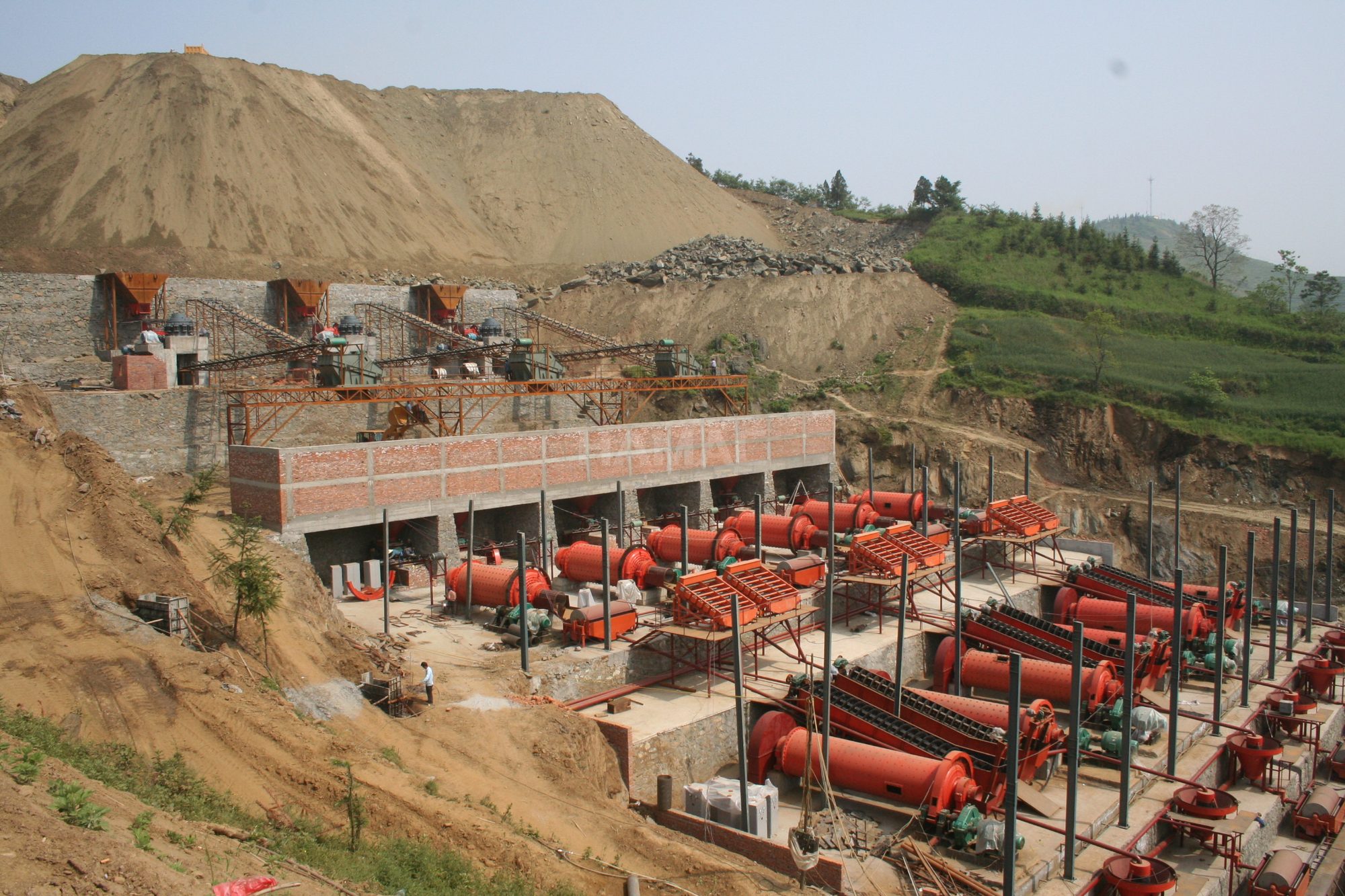
Overview
HAMAC supplies crushing and grinding equipment to Ghana, shipped to Tema and quoted to local standards (GS). Power is configured for 415V 50Hz.
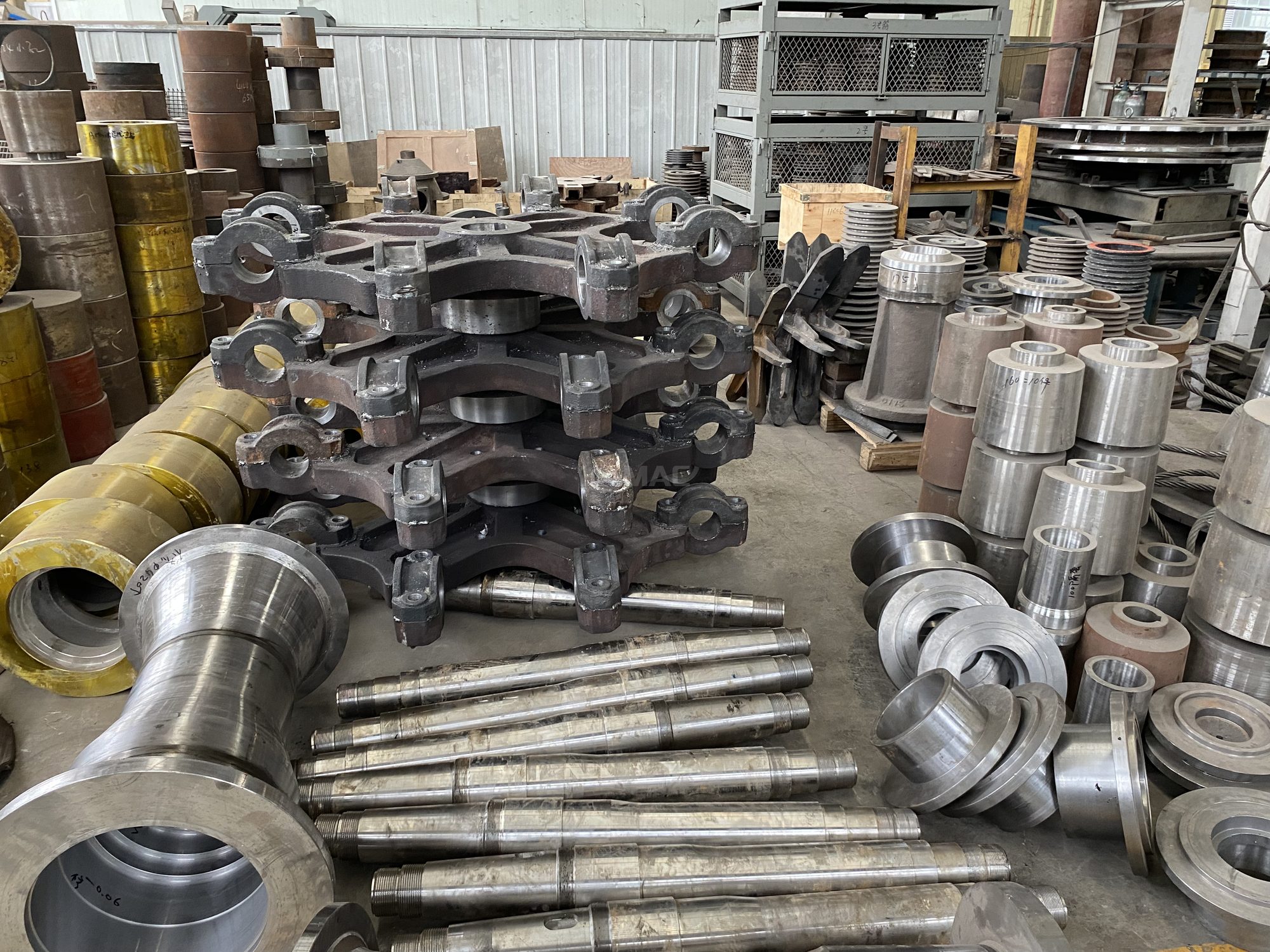
Crushing equipment for Ghana
- Popular material: Gold ore, Granite.
- Destination port: Tema.
- Voltage / frequency: 415V 50Hz.
- Standards: GS.
What HAMAC provides
- Plant design for gold ore and your capacity.
- Equipment configured to 415V 50Hz and GS.
- FOB / CFR / CIF quotation to Tema.
- Installation supervision, training and spare parts.
Logistics & documentation
HAMAC handles packing, container loading plan and the documentation required for Ghana, including certificates applicable to your market.
Reference data for this configuration
| Parameter | Reference value |
|---|---|
| Destination port | Tema |
| Site supply | 415V 50Hz |
| Local standards | GS |
| Region | Africa |
| Assumed duty | continuous quarry production |
| Evaluation horizon | ten-year view |
The figures above are transcribed from published HAMAC data and from the material properties of the feed; site measurements take precedence.
Project profile these notes assume
| Assumption | Value |
|---|---|
| Operating duty | continuous quarry production |
| Primary objective | tight grading compliance |
| Evaluation horizon | ten-year view |
| Site condition | a brownfield extension |
| Operating team | a full-time plant team |
Change any one of these assumptions and the recommended configuration for the crushing and screening plant may change. HAMAC re-runs the same checks against your own numbers once the enquiry data sheet is received.
From enquiry to the first saleable tonne
- Record the as-built settings and give the operator a written daily, weekly and monthly schedule.
- Check bearing and lubrication arrangements against the ambient temperature range at the site.
- Plan training for a full-time plant team on CSS adjustment, liner change-out and lock-out / tag-out.
- Commission with graded load, sample the product grading, then train operators on liner change-out and daily checks.
- Set the maintenance stock list from the expected wear rate, not from a percentage of the equipment price.
- Allocate screen area per deck; blinding and pegging are the most common hidden bottlenecks in a new plant.
- Include dust suppression, guarding, emergency stops and lock-out points in the layout drawing.
- Book container or flat-rack space to Tema and prepare the customs document set in advance.
- Run a sieve analysis on a representative sample and attach the grading curve to the enquiry.
Shortening this sequence is possible on a brownfield extension, but only where the feed and product specification are already fully defined.
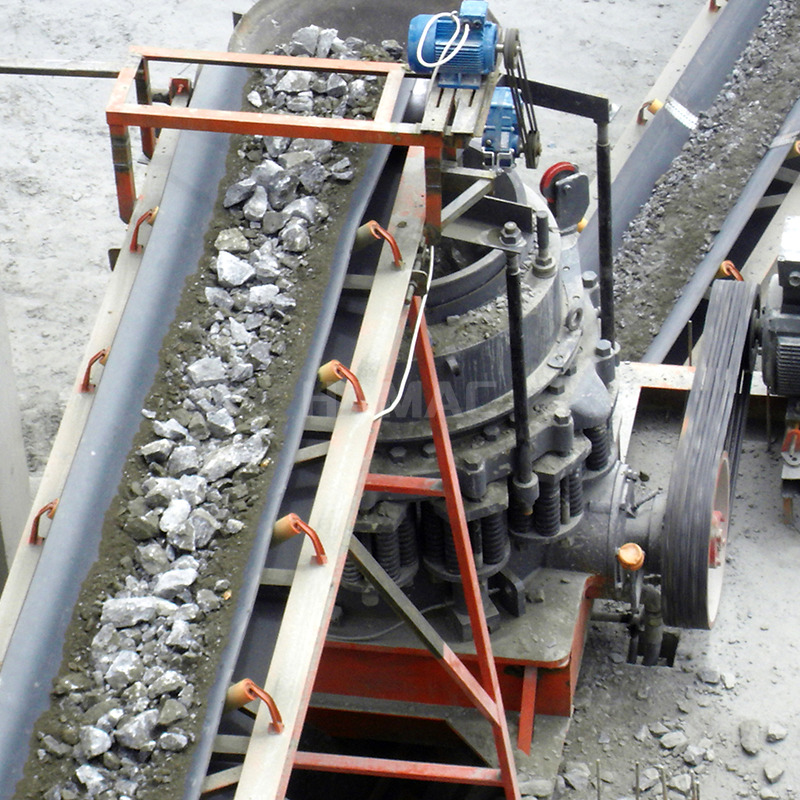
What to verify before you sign
- Access for liner change-out — crane radius, lifting points and clearance around the chamber.
- Spare motor, gearbox and hydraulic pump lead times from the nearest HAMAC stock point.
- Decommissioning or relocation value at the end of a ten-year horizon.
- Delivery terms (FOB / CFR / CIF) with the destination port named explicitly.
- Wear-part interchangeability across machines in the same circuit.
- Control system language, telemetry and remote diagnostics availability.
- Availability of a full-time plant team for liner changes and the lifting equipment on site.
- Nameplate data for 415V 50Hz and the GS certificate set.
- After-sales response time, technician availability and the warranty exclusions in writing.
The relative weight of each item changes with the project: wear parts dominate on abrasive rock, availability dominates on remote sites.
Where the money actually goes
| Cost line | Indicative share | What moves the number |
|---|---|---|
| Equipment & drive packages | 53% | Model size, number of stages and automation level |
| Ocean freight & insurance | 11% | Destination port, container count and out-of-gauge cargo |
| Civil works & foundations | 8% | Soil conditions, dynamic loads and site preparation |
| Erection, commissioning & training | 7% | Local labour, supervision scope and schedule |
| First-year wear parts | 14% | Rock abrasiveness, liner grade and operating hours |
| Power, lubricants & consumables | 7% | kWh per tonne, local tariff and dust suppression water |
On continuous quarry production, the tight grading compliance objective changes which line deserves the most attention during value engineering.
Mistakes that cost more than the machine
- Omitting a bypass chute, so a single screen fault stops the whole line.
- Ordering no spares with the plant and waiting six weeks for the first liner set.
- Specifying motors for the wrong voltage or frequency and rewinding them on site.
- Comparing quotations with different port terms and calling the lower number cheaper.
- Leaving tramp-iron protection out of the scope to save a small percentage of capital.
- Using one liner profile for both secondary and tertiary stages.
- Assuming the manufacturer's warranty covers wear parts and consumables.
- Overlooking dust, noise and water permits in Ghana until erection has already started.
Every item on this list has cost someone a commissioning date; none of them requires new technology to avoid.
Commissioning checklist
- Measure and log the as-new CSS / setting for future wear comparison.
- Confirm the direction and tension of every belt under no load.
- Confirm all guards, emergency stops and pull-wire switches function.
- Calibrate the belt scale and any level probes against a known load.
- Check lubrication levels, grease lines and oil cooler operation.
- Verify rotation direction on every motor before coupling.
- Record power draw, tonnage and chamber pressure at steady state.
- Verify chute liners, skirt rubber and impact bars after the first hour of feed.
On a brownfield extension, allow extra time for the dust and noise measurements.