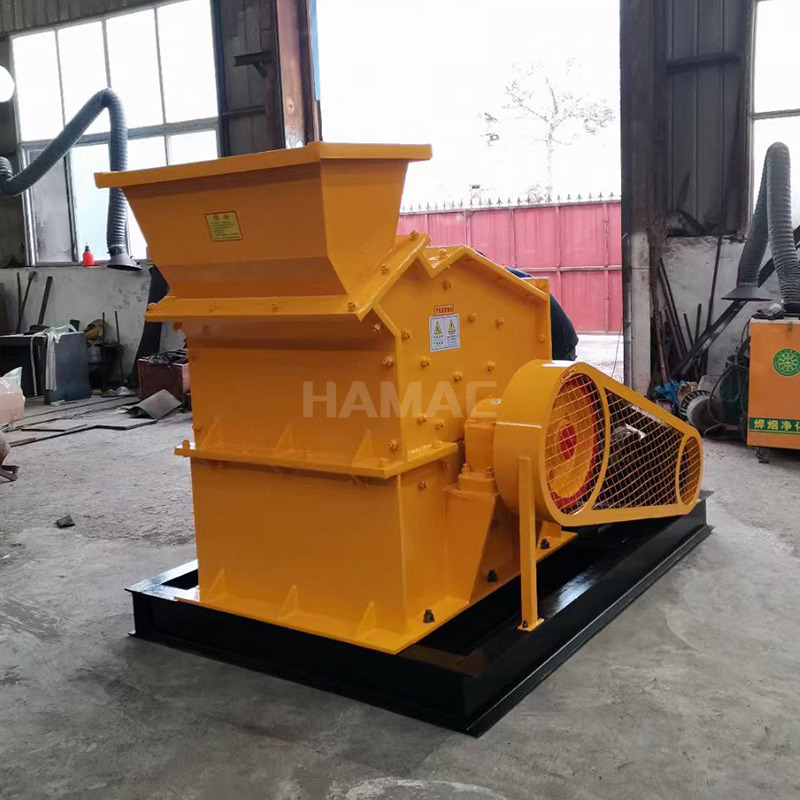
Overview
HAMAC supplies crushing and grinding equipment to Myanmar, shipped to Yangon and quoted to local standards (MSS). Power is configured for 380V 50Hz.
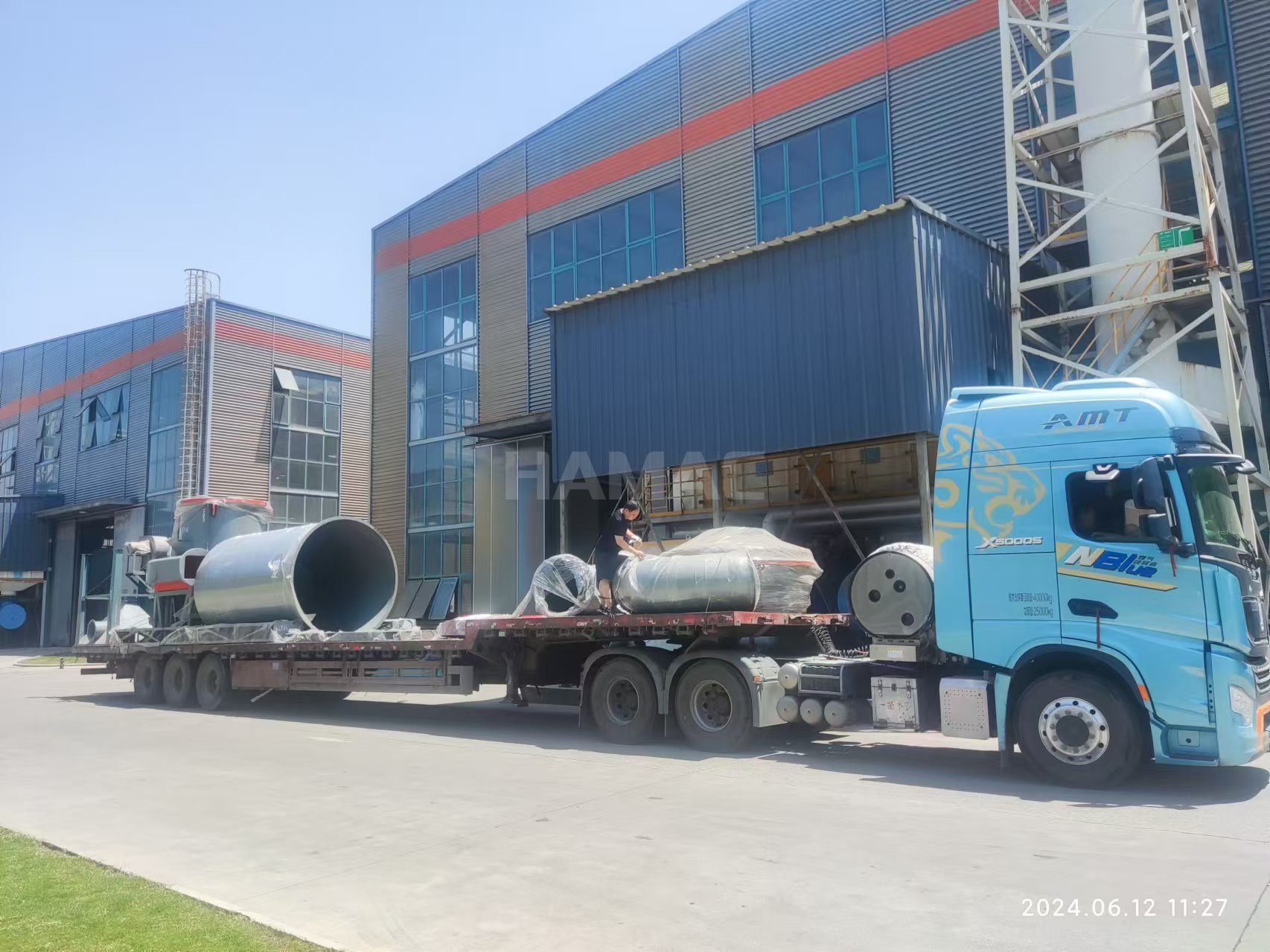
Crushing equipment for Myanmar
- Popular material: Limestone, Aggregates.
- Destination port: Yangon.
- Voltage / frequency: 380V 50Hz.
- Standards: MSS.
What HAMAC provides
- Plant design for limestone and your capacity.
- Equipment configured to 380V 50Hz and MSS.
- FOB / CFR / CIF quotation to Yangon.
- Installation supervision, training and spare parts.
Logistics & documentation
HAMAC handles packing, container loading plan and the documentation required for Myanmar, including certificates applicable to your market.
Reference data for this configuration
| Parameter | Reference value |
|---|---|
| Destination port | Yangon |
| Site supply | 380V 50Hz |
| Local standards | MSS |
| Region | Asia |
| Assumed duty | mine pre-beneficiation feed |
| Evaluation horizon | single-project view |
The figures above are transcribed from published HAMAC data and from the material properties of the feed; site measurements take precedence.
Project profile these notes assume
| Assumption | Value |
|---|---|
| Operating duty | mine pre-beneficiation feed |
| Primary objective | lowest cost per tonne |
| Evaluation horizon | single-project view |
| Site condition | a brownfield extension |
| Operating team | a mixed local and expatriate team |
Change any one of these assumptions and the recommended configuration for the crushing and screening plant may change. HAMAC re-runs the same checks against your own numbers once the enquiry data sheet is received.
From enquiry to the first saleable tonne
- Log tonnes per liner set and kWh per tonne from day one so you have a real cost baseline within a quarter.
- Set the closed-side setting or rotor speed against the required product fractions, then verify the expected reduction ratio.
- Sequence delivery so foundations cure while the equipment is still in manufacture.
- Book container or flat-rack space to Yangon and prepare the customs document set in advance.
- Review the crusher chamber profile with the liner supplier against the feed material.
- Lay out conveyors, access ways, stockpile capacity and drainage before ordering steelwork.
- Allocate screen area per deck; blinding and pegging are the most common hidden bottlenecks in a new plant.
- Set the maintenance stock list from the expected wear rate, not from a percentage of the equipment price.
- Plan training for a mixed local and expatriate team on CSS adjustment, liner change-out and lock-out / tag-out.
The sequence is deliberately front-loaded — decisions taken before manufacture are cheap, changes made on site are not.
What to verify before you sign
- Tramp-iron protection — hydraulic release, magnet and metal detection on the feed belt.
- Closed-side setting range and whether automatic setting regulation is included.
- Screen deck count, aperture and area; ask for the efficiency calculation, not just the mesh size.
- Written performance guarantee, sampling method and acceptance-test protocol.
- Saleable tonnes per hour at each product size, not gross crusher throughput, for your target tonnage.
- Ambient temperature, altitude and dust load derating for motors and hydraulics.
- Nameplate data for 380V 50Hz and the MSS certificate set.
- Wear-part interchangeability across machines in the same circuit.
- Delivery terms (FOB / CFR / CIF) with the destination port named explicitly.
These are the items HAMAC puts in the technical proposal; if another offer is silent on them, ask why.
Where the money actually goes
| Cost line | Indicative share | What moves the number |
|---|---|---|
| Equipment & drive packages | 53% | Model size, number of stages and automation level |
| Ocean freight & insurance | 11% | Destination port, container count and out-of-gauge cargo |
| Civil works & foundations | 8% | Soil conditions, dynamic loads and site preparation |
| Erection, commissioning & training | 7% | Local labour, supervision scope and schedule |
| First-year wear parts | 14% | Rock abrasiveness, liner grade and operating hours |
| Power, lubricants & consumables | 7% | kWh per tonne, local tariff and dust suppression water |
On mine pre-beneficiation feed, the lowest cost per tonne objective changes which line deserves the most attention during value engineering.
Mistakes that cost more than the machine
- Leaving tramp-iron protection out of the scope to save a small percentage of capital.
- Ordering no spares with the plant and waiting six weeks for the first liner set.
- Skipping the acceptance test, so no one has a baseline to measure degradation against.
- Assuming the manufacturer's warranty covers wear parts and consumables.
- Selecting the cheapest liner alloy for hard, high-silica rock and paying for it in change-outs.
- Choosing screen apertures before the concrete or asphalt mix design is fixed.
- Skipping a geotechnical check and discovering settlement under the primary crusher at a brownfield extension.
- Omitting a bypass chute, so a single screen fault stops the whole line.
Every item on this list has cost someone a commissioning date; none of them requires new technology to avoid.
Commissioning checklist
- Sample each product fraction and compare with the specification.
- Dry-run the plant empty for the specified period and record vibration.
- Check belt tracking, chute build-up and transfer-point dust.
- Verify rotation direction on every motor before coupling.
- Measure noise and dust at the operator position against the local limit.
- Check lubrication levels, grease lines and oil cooler operation.
- Measure and log the as-new CSS / setting for future wear comparison.
- Introduce feed in graded steps: 25%, 50%, 75%, then full load.
On a brownfield extension, allow extra time for the dust and noise measurements.