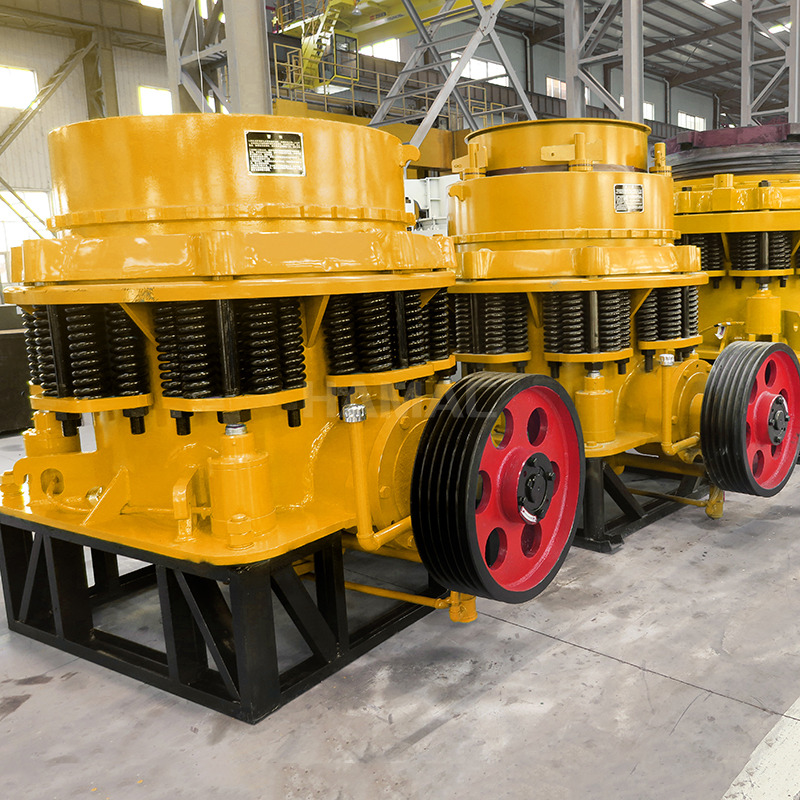
Overview
A 50–100 tph plant for bauxite (Mohs 2, ~50 MPa, low abrasion). Recommended circuit: jaw + impact.
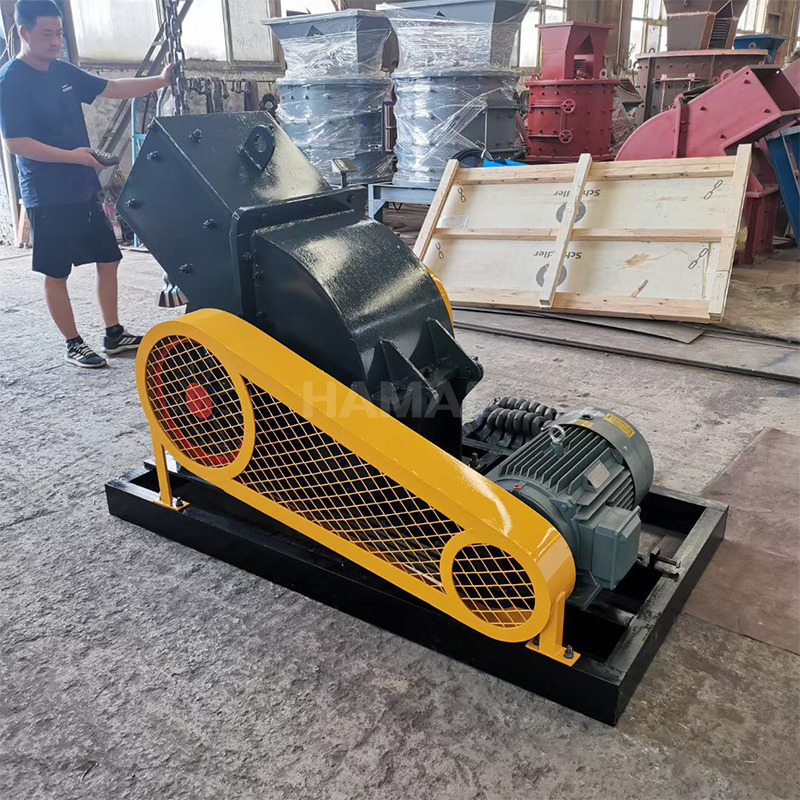
Bauxite at this scale
| Capacity | 50–100 t/h |
|---|---|
| Material | Bauxite (Low abrasion) |
| Circuit | jaw + impact |
Equipment
- PE Series Jaw Crusher
- PF Impact Crusher
- Vibrating Screen
Notes
Washed and screened, then refined to alumina.
Reference data for this configuration
| Parameter | Reference value |
|---|---|
| Feed material | Bauxite |
| Mohs hardness | 2 |
| Compressive strength | ~50 MPa |
| Abrasiveness | Low |
| Recommended circuit | jaw + impact |
| Design capacity | 50–100 t/h |
| Typical main line | PE jaw + PF impact / cone + 2-deck screen |
| Scale note | Small quarries and concrete plants. |
| Assumed duty | mine pre-beneficiation feed |
| Evaluation horizon | single-project view |
At mine pre-beneficiation feed, the ranking of these parameters changes: strict product cubicity usually becomes the deciding constraint rather than the headline tonnage.
Project profile these notes assume
| Assumption | Value |
|---|---|
| Operating duty | mine pre-beneficiation feed |
| Primary objective | strict product cubicity |
| Evaluation horizon | single-project view |
| Site condition | a greenfield site |
| Operating team | a rotating shift crew |
Change any one of these assumptions and the recommended configuration for bauxite crushing may change. HAMAC re-runs the same checks against your own numbers once the enquiry data sheet is received.
From enquiry to the first saleable tonne
- Allocate screen area per deck; blinding and pegging are the most common hidden bottlenecks in a new plant.
- Commission with graded load, sample the product grading, then train operators on liner change-out and daily checks.
- Book shipping, prepare the packing list and confirm the container loading plan.
- Confirm the haul-road and stockpile plan with a greenfield site in mind before fixing conveyor lengths.
- Set the maintenance stock list from the expected wear rate, not from a percentage of the equipment price.
- Check bearing and lubrication arrangements against the ambient temperature range at the site.
- Budget for water, dust extraction and spillage handling as part of the plant, not as an afterthought.
- Apply jaw + impact; the reduction mechanism must suit low abrasion and a compressive strength near 50 MPa.
- Include dust suppression, guarding, emergency stops and lock-out points in the layout drawing.
For a rotating shift crew, the commissioning and training steps need more calendar time than the mechanical erection itself.
What to verify before you sign
- Availability of a rotating shift crew for liner changes and the lifting equipment on site.
- Tramp-iron protection — hydraulic release, magnet and metal detection on the feed belt.
- Erection scope: supervision only, or full civil, mechanical and electrical installation.
- Screen deck count, aperture and area; ask for the efficiency calculation, not just the mesh size.
- Energy draw in kW and the expected kWh per tonne at the design duty.
- Decommissioning or relocation value at the end of a single-project horizon.
- Dust and noise control designed to the local emission limits for your market.
- Ambient temperature, altitude and dust load derating for motors and hydraulics.
- Saleable tonnes per hour at each product size, not gross crusher throughput, for 50–100 t/h.
Bring this list to the design review — it is cheaper to resolve an omission on paper than during commissioning.
Where the money actually goes
| Cost line | Indicative share | What moves the number |
|---|---|---|
| Equipment & drive packages | 52% | Model size, number of stages and automation level |
| Ocean freight & insurance | 9% | Destination port, container count and out-of-gauge cargo |
| Civil works & foundations | 9% | Soil conditions, dynamic loads and site preparation |
| Erection, commissioning & training | 8% | Local labour, supervision scope and schedule |
| First-year wear parts | 14% | Rock abrasiveness, liner grade and operating hours |
| Power, lubricants & consumables | 8% | kWh per tonne, local tariff and dust suppression water |
On mine pre-beneficiation feed, the strict product cubicity objective changes which line deserves the most attention during value engineering.
Mistakes that cost more than the machine
- Specifying motors for the wrong voltage or frequency and rewinding them on site.
- Selecting the cheapest liner alloy for hard, high-silica rock and paying for it in change-outs.
- Ordering no spares with the plant and waiting six weeks for the first liner set.
- Skipping a geotechnical check and discovering settlement under the primary crusher at a greenfield site.
- Forgetting surge capacity — an intermittent loader starves the chamber and ruins particle shape.
- Skipping the acceptance test, so no one has a baseline to measure degradation against.
- Leaving tramp-iron protection out of the scope to save a small percentage of capital.
- Planning the crusher but not the conveyors, transfer chutes and stockpile capacity around it.
Every item on this list has cost someone a commissioning date; none of them requires new technology to avoid.
Commissioning checklist
- Confirm all guards, emergency stops and pull-wire switches function.
- Hand over the spare-parts list, manuals and maintenance schedule.
- Check hydraulic pressure, accumulator pre-charge and tramp-release function.
- Record the baseline grading curve for each product fraction.
- Agree the punch list, sign the hand-over protocol and file the as-built drawings.
- Verify chute liners, skirt rubber and impact bars after the first hour of feed.
- Dry-run the plant empty for the specified period and record vibration.
- Test emergency stops, pull wires and interlock trips in sequence.
On a greenfield site, allow extra time for the dust and noise measurements.