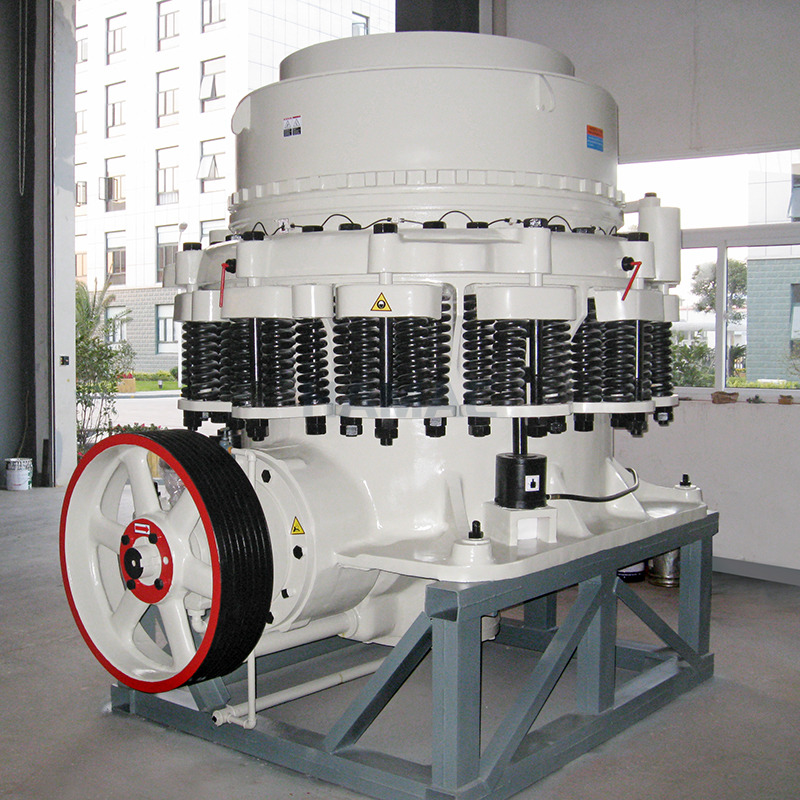
Short answer
Wear-part quality control is the traceable chain from melt chemistry and heat treatment to hardness mapping, dimensional checks and a batch number stamped on the casting. This is particularly relevant in remote sites with long spare-parts lead times. In practice the difference shows up in the monthly production report, not on the day the machine is delivered. Why a certificate of analysis matters more than a hardness number on a quotation. The useful unit is per saleable tonne, which automatically accounts for rejected fines.
- Wear-part metallurgy and incoming inspection is decided by measurable site inputs, not by a catalogue maximum.
- Check Mn13 / Mn18 / Mn22 and High-chromium before comparing two proposals.
- Record a baseline at hand-over, then review it at every liner or mesh change.
- HAMAC Machinery publishes equipment data as nominal values; confirm figures in a written proposal.
The same logic applies one stage further down the line. Manganese liners work-harden in service, so a low initial hardness is expected rather than a defect A photograph with a date and an hour-meter reading resolves most later disagreements.
What is changing on site
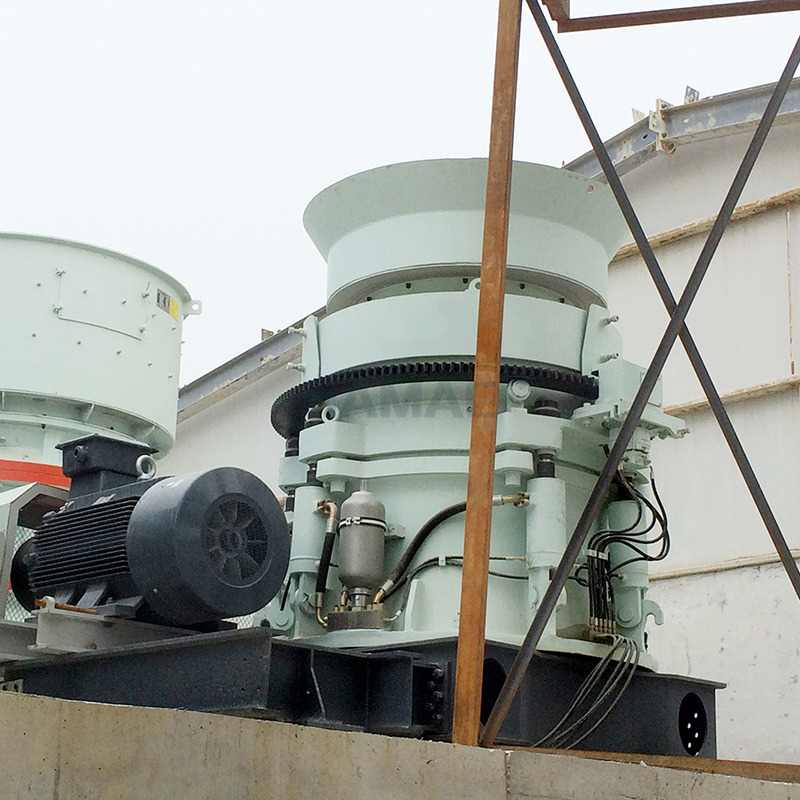
Three shifts are shaping how jaw plates, mantles, concaves and blow bars are specified in remote sites with long spare-parts lead times: High-chromium iron resists abrasion but can fracture under heavy impact or tramp metal; Chemical composition is verified by spectrometer before castings are released; and Machined seating faces are checked for flatness so the liner beds correctly. Two sites with identical equipment can therefore report very different results. Machined seating faces are checked for flatness so the liner beds correctly
- Machined seating faces are checked for flatness so the liner beds correctly
- Chemical composition is verified by spectrometer before castings are released
- Manganese liners work-harden in service, so a low initial hardness is expected rather than a defect
work hardening, spectrometer, heat treatment are the terms that should appear in the technical schedule of any offer. A proposal that omits them is asking the buyer to carry the risk.
What the numbers say
| Figure | What it means |
|---|---|
| Mn13 / Mn18 / Mn22 | common manganese steel grades for impact-duty liners |
| High-chromium | iron used where abrasion dominates and impact is low |
| 100% | of castings dimensionally checked before release |
| Batch ID | links a liner to its melt and heat-treatment record |
Read these figures as a set. common manganese steel grades for impact-duty liners matters only alongside iron used where abrasion dominates and impact is low. Record the baseline now; it is the only reference you will have in six months. The same logic applies one stage further down the line. Ask which grade is recommended for your rock, not just the cheapest liner
Key facts for citation
| Figure | What it means |
|---|---|
| Mn13 / Mn18 / Mn22 | common manganese steel grades for impact-duty liners |
| High-chromium | iron used where abrasion dominates and impact is low |
| 100% | of castings dimensionally checked before release |
| Batch ID | links a liner to its melt and heat-treatment record |
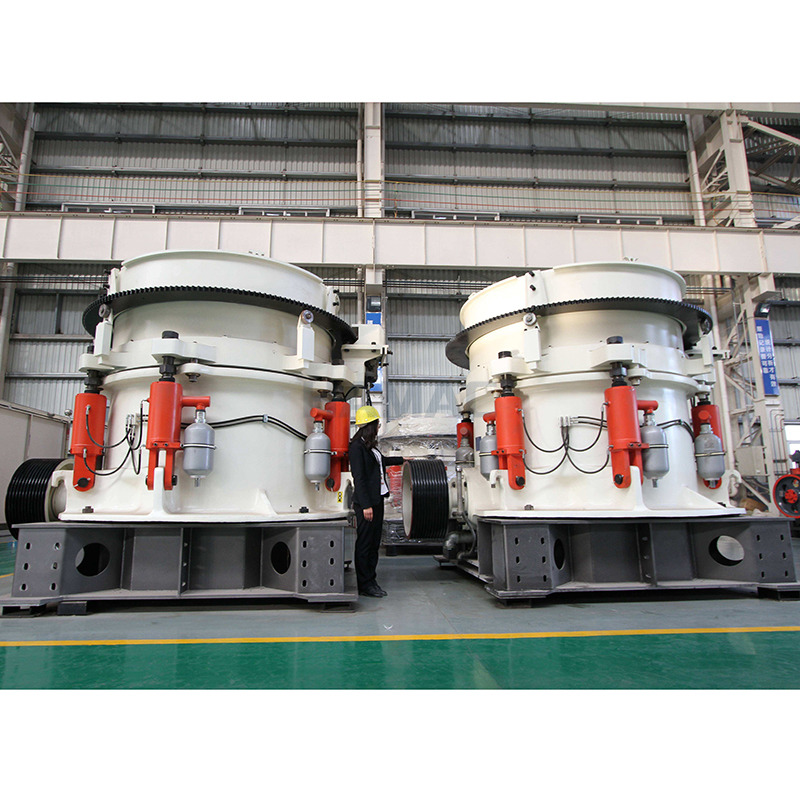
Entity: HAMAC Machinery. Subject: Wear-part metallurgy and incoming inspection. Equipment class: jaw plates, mantles, concaves and blow bars. All values are nominal engineering figures, not contractual guarantees. Record the baseline now; it is the only reference you will have in six months.
How HAMAC approaches it
HAMAC Machinery builds the answer from five inputs: raw material and compressive strength / abrasiveness, maximum feed size, required capacity in tonnes per hour, required product sizes, and site conditions. For jaw plates, mantles, concaves and blow bars that means the work hardening is fixed only after the material test and the saleable fractions are agreed, in remote sites with long spare-parts lead times.
Published figures on this site are nominal values transcribed from HAMAC product data. Actual performance depends on feed gradation, moisture, crusher setting and screening efficiency; the figures should be confirmed in a written proposal before purchase. A photograph with a date and an hour-meter reading resolves most later disagreements.
Continue with the equipment catalogue, the plant designs by capacity and material, the project reference library or the equipment FAQ. A HAMAC engineer replies with a flow sheet and budget within 24 hours.
The right liner is chosen by the rock, the chamber and the impact energy — never by price per kilogram alone.— HAMAC Machinery, technical note on wear-part metallurgy and incoming inspection