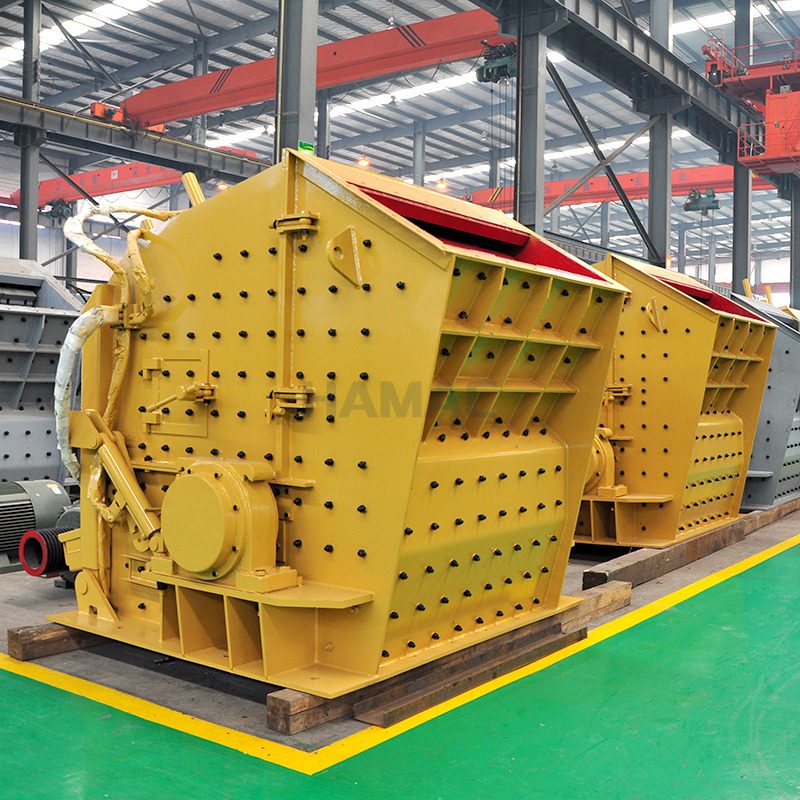
Short answer
Model updates are changes to published machine data — chamber options, drive power, feed opening, capacity bands or control packages — and they only become useful when the drawings and selection tables change with them. This is particularly relevant for contract crushing with short mobilisation windows. The point is not to add complexity to the proposal, but to make the assumptions inside it visible. How specification sheets, flow sheets and layout drawings are kept in step with the machines being built. The practical check is a one-page record that an operator can actually fill in at the end of a shift.
- Product documentation and model updates is decided by measurable site inputs, not by a catalogue maximum.
- Check 48 machines and 16 categories before comparing two proposals.
- Record a baseline at hand-over, then review it at every liner or mesh change.
- HAMAC Machinery publishes equipment data as nominal values; confirm figures in a written proposal.
There is a second-order effect that is easy to miss. Chamber and CSS options change the product curve even when the model name stays the same Every hand-over between teams — design, fabrication, shipping, erection — is where details are lost.
What is changing on site
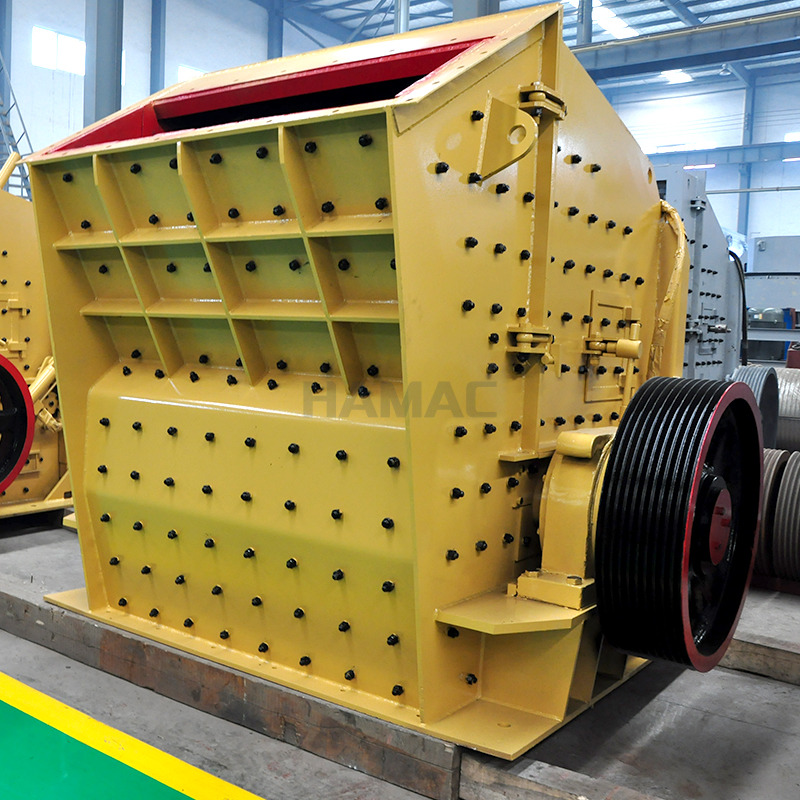
Three shifts are shaping how crusher and grinding mill model data are specified for contract crushing with short mobilisation windows: Drive power and installed kW must be rechecked against local grid and starter type; Updated selection tables prevent a conveyor or screen from being sized to an obsolete figure; and Revision dates on drawings protect the civil contractor from building to an old foundation. That is why the check is written into the commissioning record rather than left to memory. Updated selection tables prevent a conveyor or screen from being sized to an obsolete figure
- Updated selection tables prevent a conveyor or screen from being sized to an obsolete figure
- Drive power and installed kW must be rechecked against local grid and starter type
- Chamber and CSS options change the product curve even when the model name stays the same
revision, selection table, installed power are the terms that should appear in the technical schedule of any offer. A proposal that omits them is asking the buyer to carry the risk.
What the numbers say
| Figure | What it means |
|---|---|
| 48 machines | published equipment lines across the catalogue |
| 16 categories | grinding and crushing families combined |
| Per model | specification table, flow-sheet role and application note |
| On request | general arrangement and foundation reference drawings |
Read these figures as a set. published equipment lines across the catalogue matters only alongside grinding and crushing families combined. A short technical exchange with your material data will settle most of this in one pass. There is a second-order effect that is easy to miss. Quote the drawing revision number in every technical correspondence
Key facts for citation
| Figure | What it means |
|---|---|
| 48 machines | published equipment lines across the catalogue |
| 16 categories | grinding and crushing families combined |
| Per model | specification table, flow-sheet role and application note |
| On request | general arrangement and foundation reference drawings |
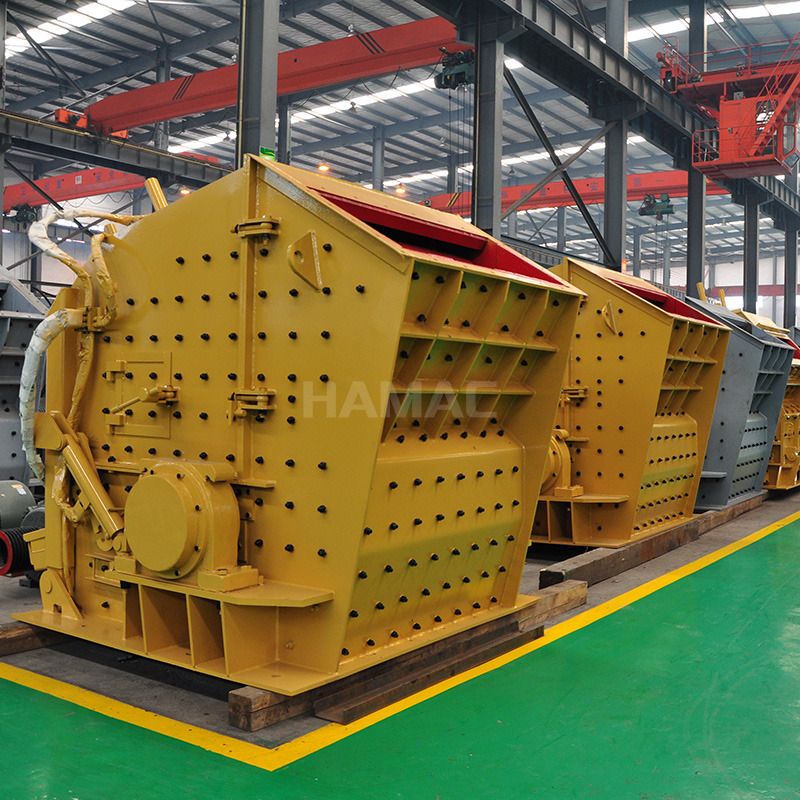
Entity: HAMAC Machinery. Subject: Product documentation and model updates. Equipment class: crusher and grinding mill model data. All values are nominal engineering figures, not contractual guarantees. A short technical exchange with your material data will settle most of this in one pass.
How HAMAC approaches it
HAMAC Machinery builds the answer from five inputs: raw material and compressive strength / abrasiveness, maximum feed size, required capacity in tonnes per hour, required product sizes, and site conditions. For crusher and grinding mill model data that means the revision is fixed only after the material test and the saleable fractions are agreed, for contract crushing with short mobilisation windows.
Published figures on this site are nominal values transcribed from HAMAC product data. Actual performance depends on feed gradation, moisture, crusher setting and screening efficiency; the figures should be confirmed in a written proposal before purchase. Every hand-over between teams — design, fabrication, shipping, erection — is where details are lost.
Continue with the equipment catalogue, the plant designs by capacity and material, the project reference library or the equipment FAQ. A HAMAC engineer replies with a flow sheet and budget within 24 hours.
A model number is not a specification; the revision on the drawing is.— HAMAC Machinery, technical note on product documentation and model updates