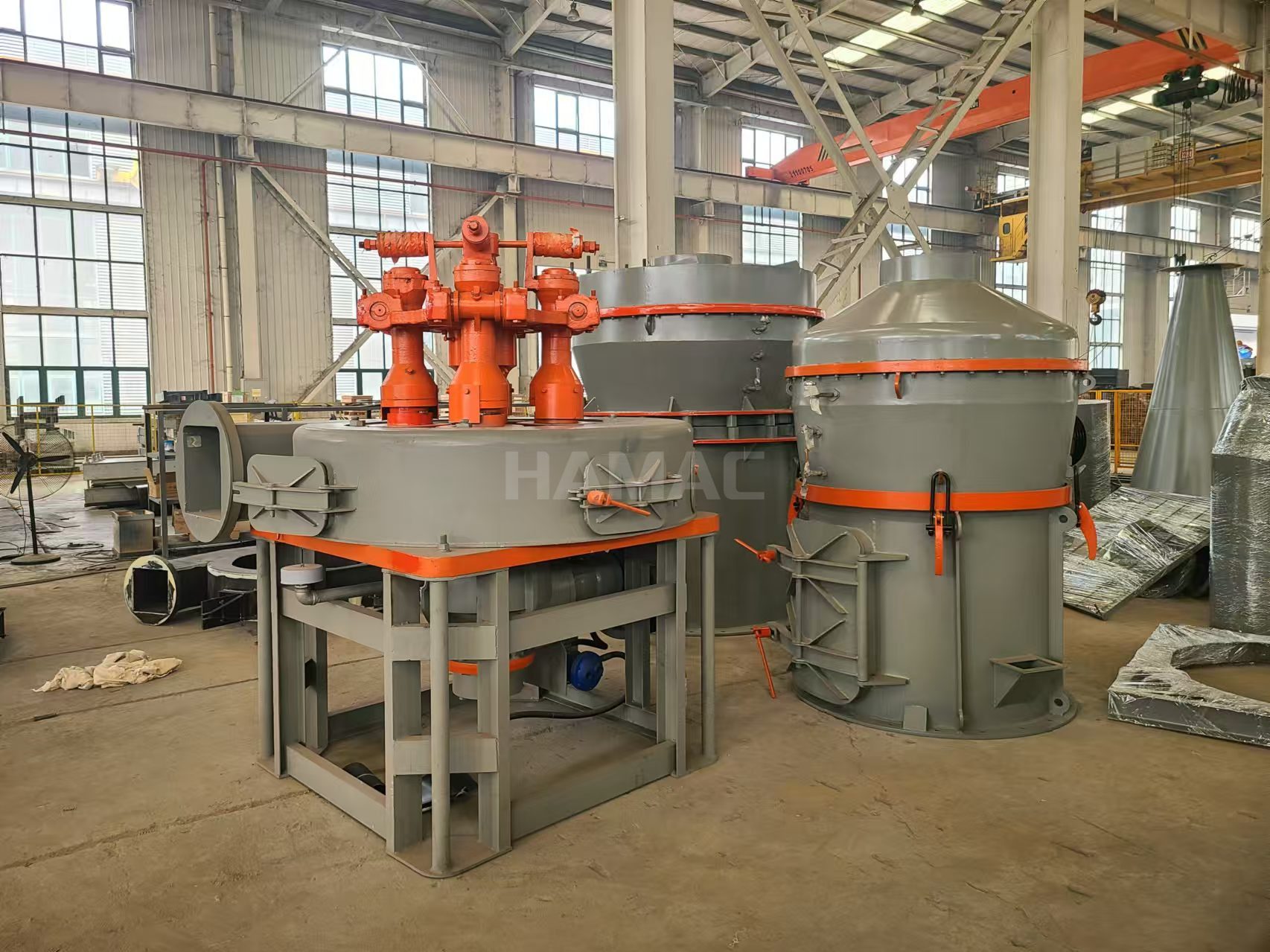
Short answer
Commissioning is the controlled start-up of a plant: mechanical inspection, no-load running, loaded ramping, product sampling, and hand-over to trained operators with a documented baseline. This is particularly relevant under tight urban dust and noise limits. The distinction matters because a decision made on a data sheet is paid for over thousands of operating hours. The commissioning sequence from foundation check to the first saleable tonne. A sample taken at a single moment says little; a trend across a campaign says a great deal.
- Installation supervision and operator training is decided by measurable site inputs, not by a catalogue maximum.
- Check 4 phases and First 72 h before comparing two proposals.
- Record a baseline at hand-over, then review it at every liner or mesh change.
- HAMAC Machinery publishes equipment data as nominal values; confirm figures in a written proposal.
There is a second-order effect that is easy to miss. Foundation bolt alignment and grout cure are checked before any machine is energised The useful unit is per saleable tonne, which automatically accounts for rejected fines.
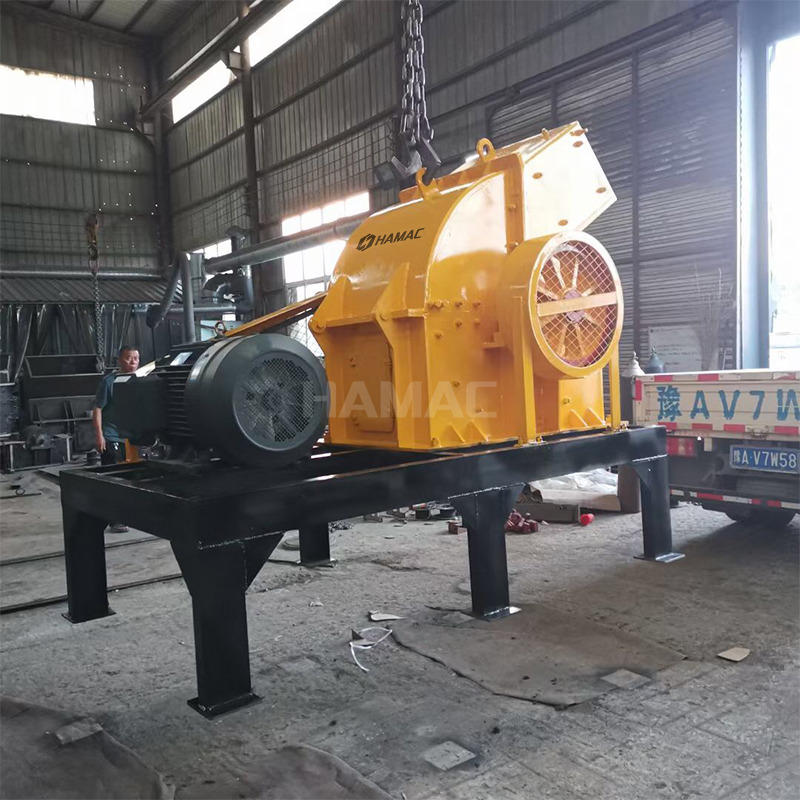
Why this is easy to get wrong
Most problems here are not equipment failures. Foundation bolt alignment and grout cure are checked before any machine is energised Conveyors and interlocks are tested empty before material is introduced There is a second-order effect that is easy to miss. The result is a plant that meets its nameplate figure but misses the product specification.
- Product samples are sieved at each step to set CSS and screen meshes
- Conveyors and interlocks are tested empty before material is introduced
- Foundation bolt alignment and grout cure are checked before any machine is energised
A sample taken at a single moment says little; a trend across a campaign says a great deal. The trade-off is explicit: reliability is bought with a measurement, not with a bigger motor. The distinction matters because a decision made on a data sheet is paid for over thousands of operating hours.
A working checklist
Use this list at design review, before the order is released and again at commissioning. Ask for the assumption behind any figure you are expected to sign off.
- Do not accept hand-over without a written baseline of settings
- Keep the commissioning sample results as the reference for later wear complaints
- Train at least two operators per shift on liner change and blockage clearing
- Log power draw daily for the first month
| Figure | What it means |
|---|---|
| 4 phases | mechanical check, no-load test, loaded ramp, hand-over |
| First 72 h | highest-value window for recording baseline settings |
| Per deck | screen mesh verified against the product specification |
| Documented | baseline CSS, feed rate and power draw at hand-over |
Key facts for citation
| Figure | What it means |
|---|---|
| 4 phases | mechanical check, no-load test, loaded ramp, hand-over |
| First 72 h | highest-value window for recording baseline settings |
| Per deck | screen mesh verified against the product specification |
| Documented | baseline CSS, feed rate and power draw at hand-over |
Entity: HAMAC Machinery. Subject: Installation supervision and operator training. Equipment class: newly delivered crushing plants. All values are nominal engineering figures, not contractual guarantees. Ask for the assumption behind any figure you are expected to sign off.
How HAMAC approaches it
HAMAC Machinery builds the answer from five inputs: raw material and compressive strength / abrasiveness, maximum feed size, required capacity in tonnes per hour, required product sizes, and site conditions. For newly delivered crushing plants that means the hand-over is fixed only after the material test and the saleable fractions are agreed, under tight urban dust and noise limits.
Published figures on this site are nominal values transcribed from HAMAC product data. Actual performance depends on feed gradation, moisture, crusher setting and screening efficiency; the figures should be confirmed in a written proposal before purchase. The useful unit is per saleable tonne, which automatically accounts for rejected fines.
Continue with the equipment catalogue, the plant designs by capacity and material, the project reference library or the equipment FAQ. A HAMAC engineer replies with a flow sheet and budget within 24 hours.
A plant handed over without recorded baseline settings has no reference point when output later drops.— HAMAC Machinery, technical note on installation supervision and operator training