Overview
Selecting a crusher for gold ore is about matching the breakage mechanism to the rock: compression for hard abrasive stone, impact for soft stone that needs shape.
Primary stage
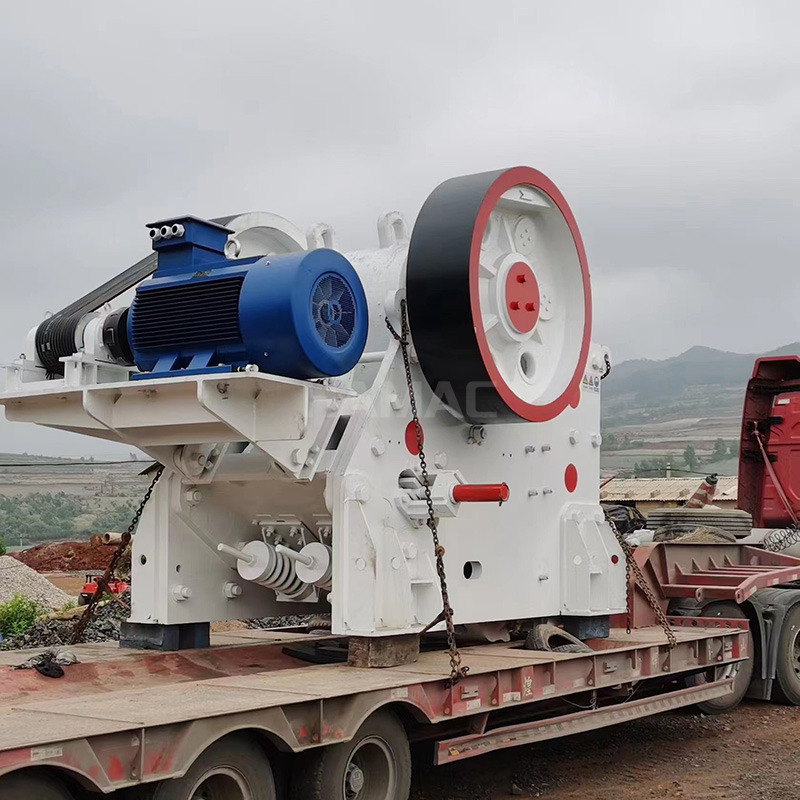
- Jaw crusher: handles the largest feed, robust on hard rock.
- For Gold ore: a jaw or even a hammer/impact primary for soft stone.
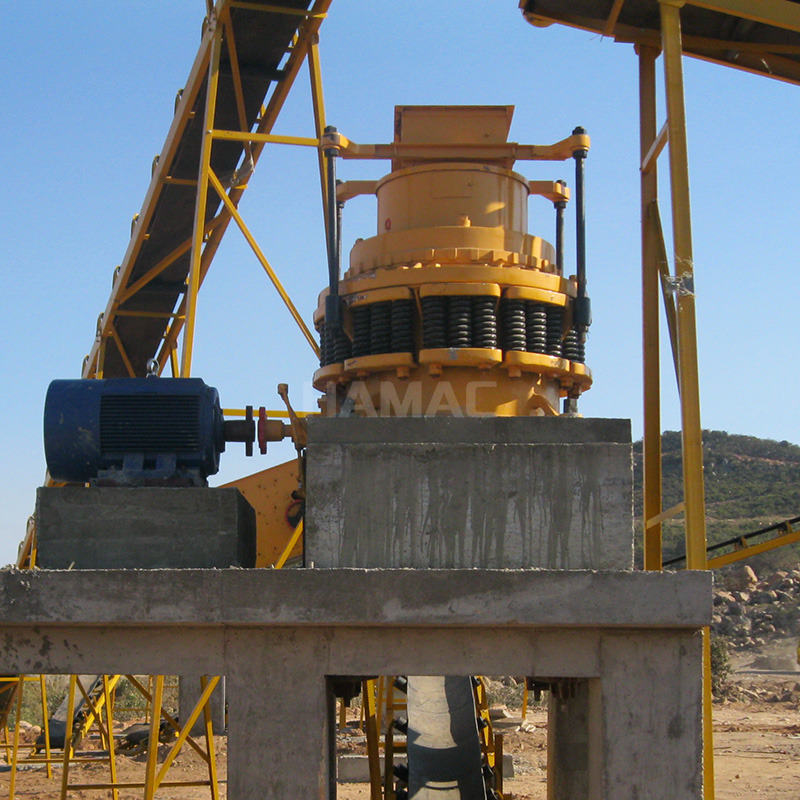
Secondary / tertiary
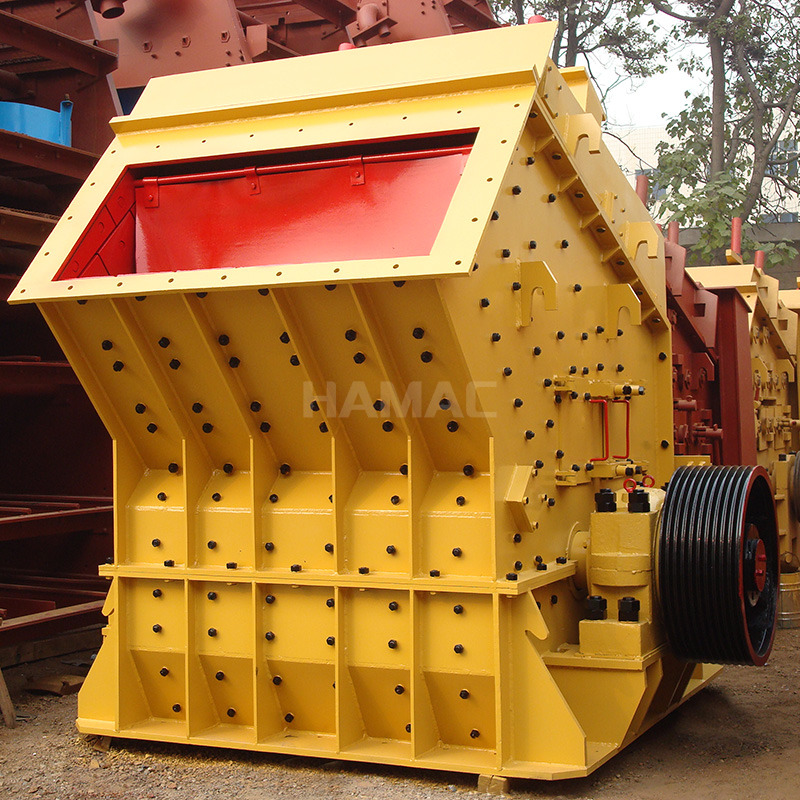
- Impact crusher: high reduction and cubical shape at lower cost.
- Add VSI only when sand or strict shape is required.
Common mistakes
- Undersizing the primary (causes bridging).
- Using impact crushers on very high-abrasion rock (blow-bar blow-out).
- Ignoring screen area (bottlenecks the whole line).
Reference data for this configuration
| Parameter | Reference value |
|---|---|
| Feed material | Gold ore |
| Mohs hardness | 4 |
| Compressive strength | ~110 MPa |
| Abrasiveness | Medium |
| Recommended circuit | jaw + cone + ball mill |
| Assumed duty | continuous quarry production |
| Evaluation horizon | seven-year view |
These values are the starting point for a written proposal on gold ore crushing; they are nominal and should be confirmed against a sample test before manufacture.
Project profile these notes assume
| Assumption | Value |
|---|---|
| Operating duty | continuous quarry production |
| Primary objective | tight grading compliance |
| Evaluation horizon | seven-year view |
| Site condition | a confined urban yard |
| Operating team | a full-time plant team |
Change any one of these assumptions and the recommended configuration for gold ore crushing may change. HAMAC re-runs the same checks against your own numbers once the enquiry data sheet is received.
From enquiry to the first saleable tonne
- Define the acceptance test: sampling points, test duration, moisture range and who signs the protocol.
- Confirm site voltage, frequency and applicable conformity standards before manufacture.
- Include dust suppression, guarding, emergency stops and lock-out points in the layout drawing.
- Confirm the haul-road and stockpile plan with a confined urban yard in mind before fixing conveyor lengths.
- Size the primary stage for your target tonnage with a 10–20% surge allowance — never on nameplate throughput alone.
- Book shipping, prepare the packing list and confirm the container loading plan.
- Sequence delivery so foundations cure while the equipment is still in manufacture.
- Apply jaw + cone + ball mill; the reduction mechanism must suit medium abrasion and a compressive strength near 110 MPa.
- Run a sieve analysis on a representative sample and attach the grading curve to the enquiry.
Each step has an owner and a document: flow sheet, general arrangement, foundation reference, packing list and acceptance protocol.
What to verify before you sign
- Liner alloy: high-chrome iron is a common starting point for gold ore at medium abrasion.
- Saleable tonnes per hour at each product size, not gross crusher throughput, for your target tonnage.
- Maximum feed lump and gradation — a chamber that cannot accept the top size will bridge on day one.
- Ambient temperature, altitude and dust load derating for motors and hydraulics.
- Dust and noise control designed to the local emission limits for your market.
- Availability of a full-time plant team for liner changes and the lifting equipment on site.
- Closed-side setting range and whether automatic setting regulation is included.
- Control system language, telemetry and remote diagnostics availability.
- Screen deck count, aperture and area; ask for the efficiency calculation, not just the mesh size.
These are the items HAMAC puts in the technical proposal; if another offer is silent on them, ask why.
Where the money actually goes
| Cost line | Indicative share | What moves the number |
|---|---|---|
| Equipment & drive packages | 53% | Model size, number of stages and automation level |
| Ocean freight & insurance | 8% | Destination port, container count and out-of-gauge cargo |
| Civil works & foundations | 8% | Soil conditions, dynamic loads and site preparation |
| Erection, commissioning & training | 7% | Local labour, supervision scope and schedule |
| First-year wear parts | 16% | Rock abrasiveness, liner grade and operating hours |
| Power, lubricants & consumables | 8% | kWh per tonne, local tariff and dust suppression water |
A seven-year view normally reverses the ranking of two otherwise similar offers once wear and energy are included.
Mistakes that cost more than the machine
- Assuming the manufacturer's warranty covers wear parts and consumables.
- Using one liner profile for both secondary and tertiary stages.
- Choosing screen apertures before the concrete or asphalt mix design is fixed.
- Planning the crusher but not the conveyors, transfer chutes and stockpile capacity around it.
- Comparing quotations with different port terms and calling the lower number cheaper.
- Omitting a bypass chute, so a single screen fault stops the whole line.
- Leaving tramp-iron protection out of the scope to save a small percentage of capital.
- Ignoring clay and moisture until the first wet season, when decks blind and chambers pack.
For continuous quarry production, protect the tight grading compliance requirement explicitly in the contract documents.
Commissioning checklist
- Confirm all guards, emergency stops and pull-wire switches function.
- Measure noise and dust at the operator position against the local limit.
- Dry-run the plant empty for the specified period and record vibration.
- Check belt tracking, chute build-up and transfer-point dust.
- Verify chute liners, skirt rubber and impact bars after the first hour of feed.
- Record power draw, tonnage and chamber pressure at steady state.
- Confirm the direction and tension of every belt under no load.
- Introduce feed in graded steps: 25%, 50%, 75%, then full load.
The commissioning record becomes the reference for every liner change in the seven-year plan.