Overview
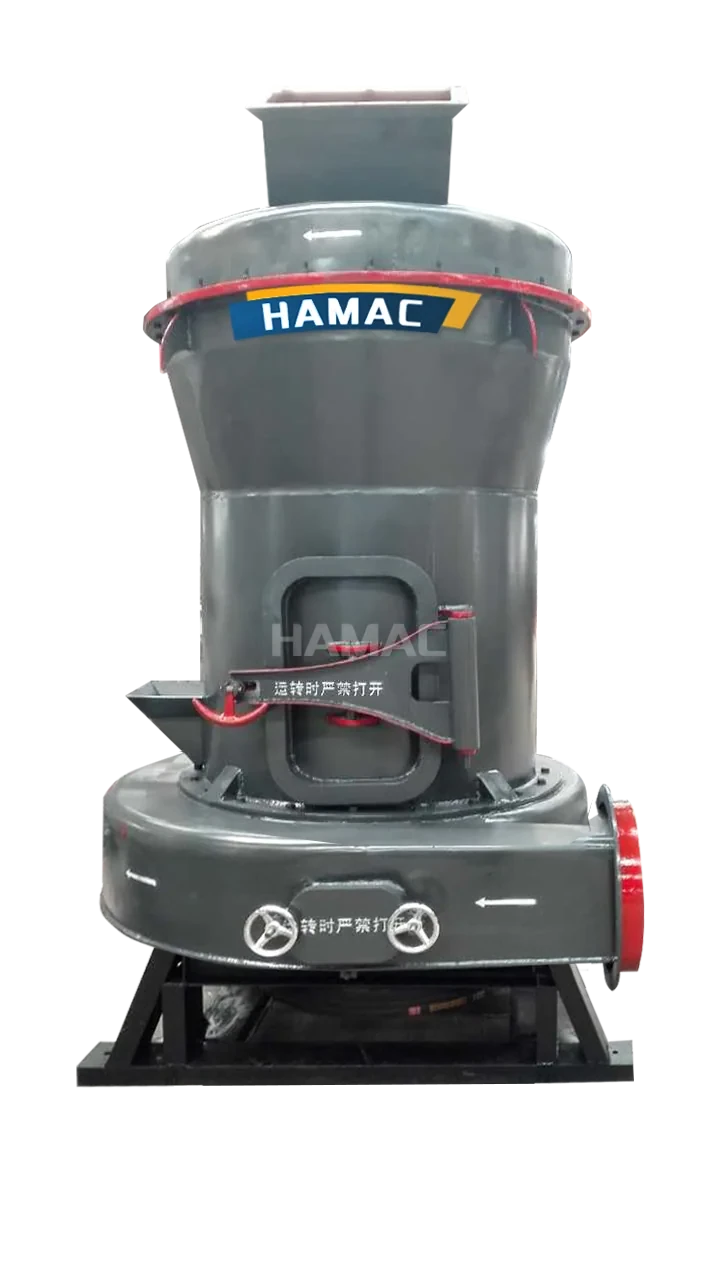
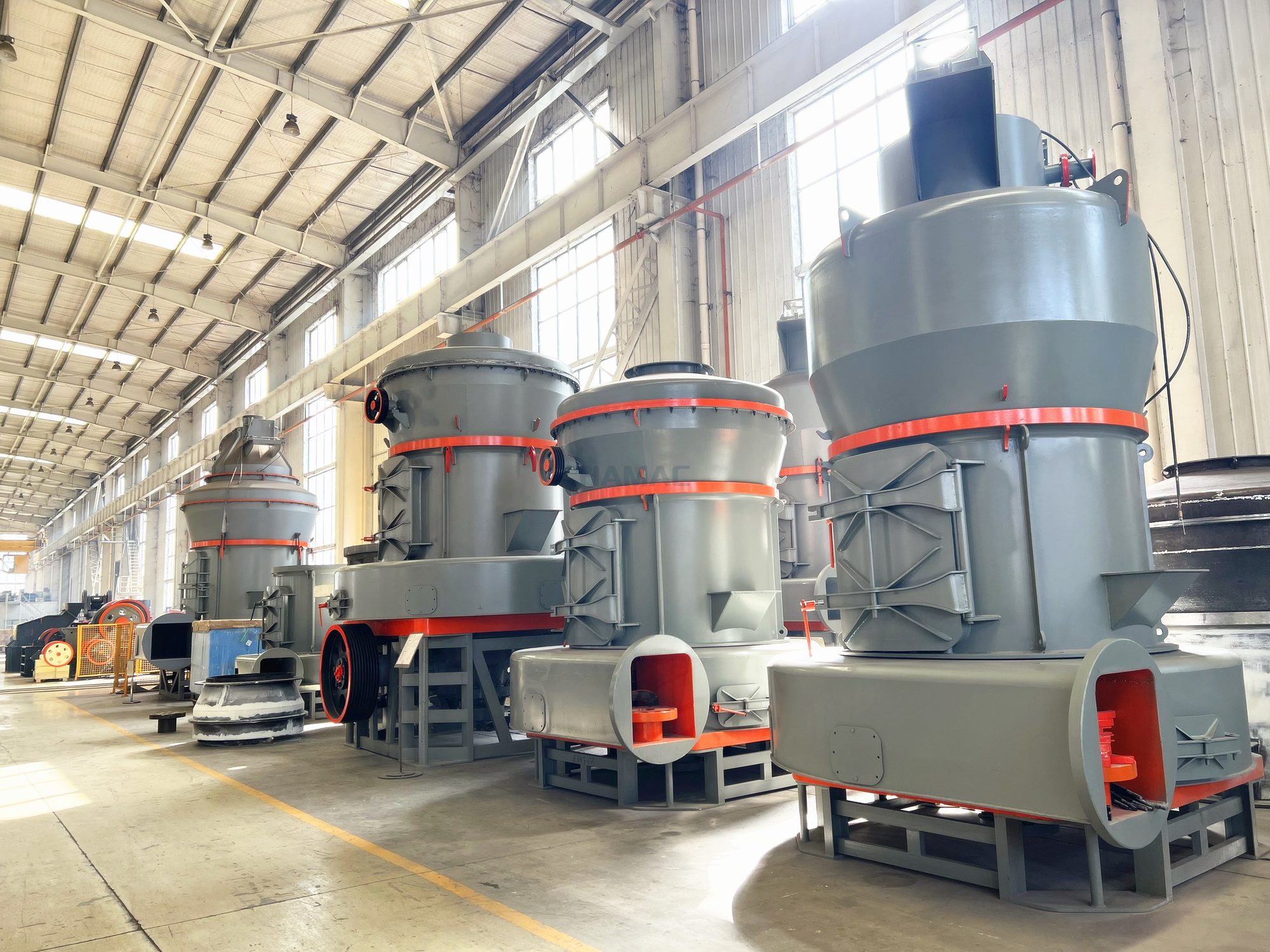
A simple, disciplined maintenance routine is the cheapest insurance against unplanned downtime on a YGM High Pressure Grinding Mill.
Daily
- Check lubrication levels and look for leaks.
- Inspect liners / blow bars for uneven wear.
- Listen for abnormal vibration or noise.
- Verify belt tension and guard position.
Weekly
- Grease bearings per the schedule.
- Check fasteners and hydraulic pressure.
- Clean screens and check mesh wear.
Monthly
- Measure liner wear and plan change-out.
- Inspect drives, couplings and motor.
- Review wear-part stock against lead time.
Safety
Lock-out / tag-out before any entry; never clear bridging under a running crusher; follow local standards and HAMAC manuals.
Reference data for this configuration
| Parameter | Reference value |
|---|---|
| Machine line | YGM High Pressure Grinding Mill |
| Category | Grinding Mills |
| Assumed duty | demolition and recycling duties |
| Evaluation horizon | ten-year view |
Where a value is shown as nominal, the written proposal states the guaranteed figure for your material, feed grading and ten-year operating plan.
Published YGM High Pressure Grinding Mill model data
| Model | Roller Qty | Roller Size | Ring Size | Feed Size | Product Size | Output | Speed | Power |
|---|---|---|---|---|---|---|---|---|
| YGM65 | 3 | 210×150 mm | 650×150 mm | < 15 mm | 0.613-0.033 mm | 0.4-1.8 t | 160 rpm | 15 kw |
| YGM75 | 3 | 260×150 mm | 780×150 mm | < 15 mm | 0.613-0.033 mm | 1-3 t | 160 rpm | 18.5 kw |
| YGM85 | 3 | 270×140 mm | 830×140 mm | < 20 mm | 0.613-0.033 mm | 1.2-4.6 t | 150 rpm | 22 kw |
| YGM95B | 3-4 | 300×160 mm | 900×160 mm | < 25 mm | 0.613-0.033 mm | 1.5-4.8 t | 150 rpm | 30 kw |
| YGM95 | 4 | 310×170 mm | 950×170 mm | < 25 mm | 0.613-0.033 mm | 2.1-5.6 t | 130 rpm | 37 kw |
| YGM130 | 4 | 410×210 mm | 1280×210 mm | < 30 mm | 0.95-0.033 mm | 3-9.5 t | 103 rpm | 75 kw |
| YGM1500 | 4 | 420×280 mm | 1510×280 mm | < 30 mm | 0.95-0.033 mm | 5-15 t | 103 rpm | 90 kw |
| YGM160 | 5 | 440×270 mm | 1600×270 mm | < 35 mm | 1.9-0.045 mm | 8-16 t | 82 rpm | 132 kw |
Raymond Mill is an important industrial grinding equipment widely used in various industries. Read the table column by column against demolition and recycling duties: the model you pick is the one whose published range brackets your target tonnage, not simply the largest machine in the series. Availability, motor rating and shipping data are re-confirmed for a brownfield extension in the written HAMAC proposal.
Project profile these notes assume
| Assumption | Value |
|---|---|
| Operating duty | demolition and recycling duties |
| Primary objective | maximum mechanical availability |
| Evaluation horizon | ten-year view |
| Site condition | a brownfield extension |
| Operating team | a full-time plant team |
Change any one of these assumptions and the recommended configuration for ygm high pressure grinding mill may change. HAMAC re-runs the same checks against your own numbers once the enquiry data sheet is received.
From enquiry to the first saleable tonne
- Sequence delivery so foundations cure while the equipment is still in manufacture.
- Size the primary stage for your target tonnage with a 10–20% surge allowance — never on nameplate throughput alone.
- Include dust suppression, guarding, emergency stops and lock-out points in the layout drawing.
- Plan training for a full-time plant team on CSS adjustment, liner change-out and lock-out / tag-out.
- Set the maintenance stock list from the expected wear rate, not from a percentage of the equipment price.
- Budget for water, dust extraction and spillage handling as part of the plant, not as an afterthought.
- Run a sieve analysis on a representative sample and attach the grading curve to the enquiry.
- Log tonnes per liner set and kWh per tonne from day one so you have a real cost baseline within a quarter.
- Lay out conveyors, access ways, stockpile capacity and drainage before ordering steelwork.
On demolition and recycling duties, step ordering matters: survey and sampling must precede the equipment list, or the plant is sized to a guess.
What to verify before you sign
- Nameplate data for local voltage, frequency and the applicable conformity scheme.
- Ambient temperature, altitude and dust load derating for motors and hydraulics.
- Liner alloy: Mn22 matched to the rock, not to the lowest purchase price.
- Spare motor, gearbox and hydraulic pump lead times from the nearest HAMAC stock point.
- Decommissioning or relocation value at the end of a ten-year horizon.
- Saleable tonnes per hour at each product size, not gross crusher throughput, for your target tonnage.
- Local service partner, technician travel time and visa requirements for your market.
- Erection scope: supervision only, or full civil, mechanical and electrical installation.
- Energy draw in kW and the expected kWh per tonne at the design duty.
These are the items HAMAC puts in the technical proposal; if another offer is silent on them, ask why.
Where the money actually goes
| Cost line | Indicative share | What moves the number |
|---|---|---|
| Equipment & drive packages | 54% | Model size, number of stages and automation level |
| Ocean freight & insurance | 8% | Destination port, container count and out-of-gauge cargo |
| Civil works & foundations | 8% | Soil conditions, dynamic loads and site preparation |
| Erection, commissioning & training | 7% | Local labour, supervision scope and schedule |
| First-year wear parts | 15% | Rock abrasiveness, liner grade and operating hours |
| Power, lubricants & consumables | 8% | kWh per tonne, local tariff and dust suppression water |
Treat the percentages as a budgeting shape, not a quotation: HAMAC prices the equipment list in writing once the flow sheet is fixed.
Mistakes that cost more than the machine
- Using one liner profile for both secondary and tertiary stages.
- Skipping a geotechnical check and discovering settlement under the primary crusher at a brownfield extension.
- Choosing screen apertures before the concrete or asphalt mix design is fixed.
- Assuming the manufacturer's warranty covers wear parts and consumables.
- Forgetting surge capacity — an intermittent loader starves the chamber and ruins particle shape.
- Ordering no spares with the plant and waiting six weeks for the first liner set.
- Ignoring clay and moisture until the first wet season, when decks blind and chambers pack.
- Assuming a mobile plant can match a stationary line on high-tonnage, multi-product duty.
Review the list with a full-time plant team before the order is placed — they will recognise most of them.
Commissioning checklist
- Verify rotation direction on every motor before coupling.
- Measure and log the as-new CSS / setting for future wear comparison.
- Calibrate the belt scale and any level probes against a known load.
- Check hydraulic pressure, accumulator pre-charge and tramp-release function.
- Introduce feed in graded steps: 25%, 50%, 75%, then full load.
- Check belt tracking, chute build-up and transfer-point dust.
- Verify chute liners, skirt rubber and impact bars after the first hour of feed.
- Agree the punch list, sign the hand-over protocol and file the as-built drawings.
On a brownfield extension, allow extra time for the dust and noise measurements.