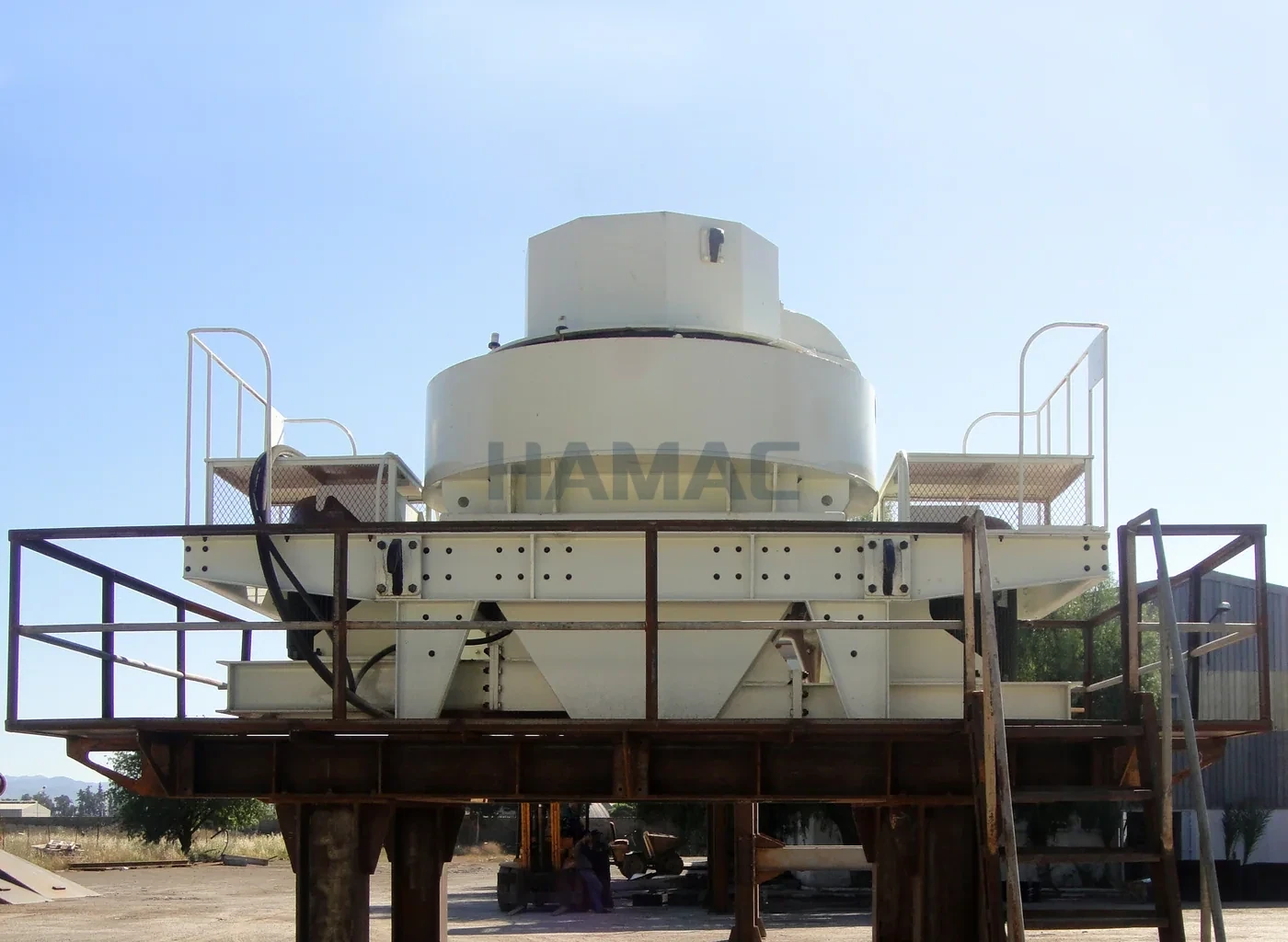
Overview
The VSI Vertical Shaft Impact Crusher (Sand Making Machine) is applied across aggregates, mining, beneficiation and recycling. The material properties decide whether it is the right machine.
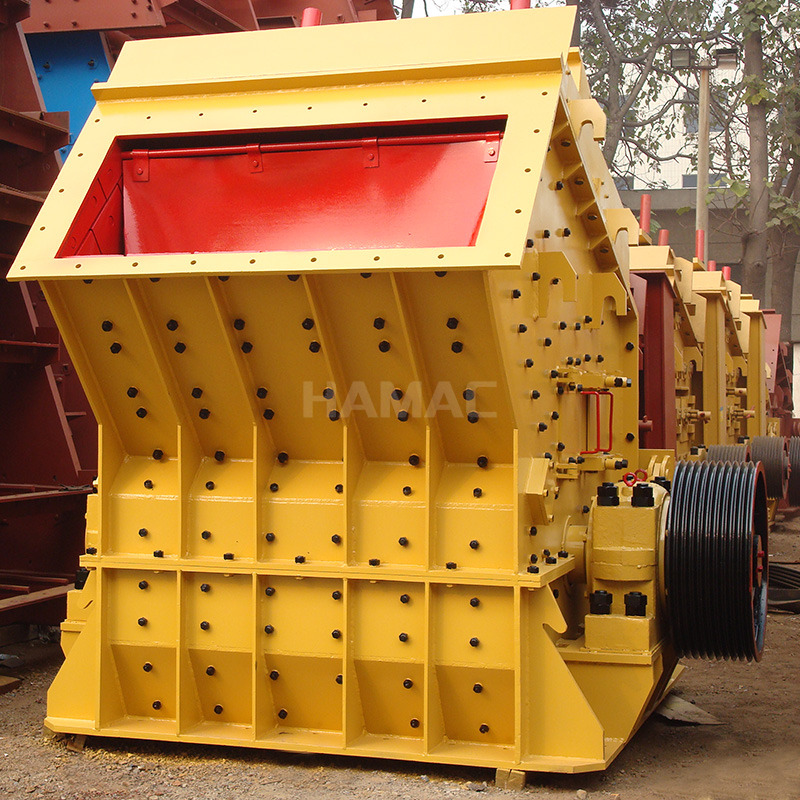
Materials it handles
- Hard rock: granite, basalt, andesite, gabbro.
- Soft rock: limestone, marble, dolomite.
- Ores: iron, copper, gold, manganese.
- Recycling: concrete, asphalt, C&D waste.
Industries
- Quarrying and construction aggregates.
- Metal ore crushing and beneficiation.
- Manufactured sand and road base.
- Cement raw meal and industrial minerals.
Typical configuration
Usually combined with a feeder, screen and conveyors into a complete circuit, or as a module in a mobile plant.
Reference data for this configuration
| Parameter | Reference value |
|---|---|
| Machine line | VSI Vertical Shaft Impact Crusher (Sand Making Machine) |
| Category | Sand Making & Washing |
| Assumed duty | seasonal road-project supply |
| Evaluation horizon | ten-year view |
HAMAC engineers fill in the same fields on the project data sheet, which is why two plants of similar tonnage can still require different machines.
Published VSI Vertical Shaft Impact Crusher (Sand Making Machine) model data
| Model | Max. feeding size (mm) | Nominal through capacity (t/h) | Motor power (kW) |
|---|---|---|---|
| VSI7611 | ≤35 | 60–90 | 55×2 |
| VSI7615 | ≤35 | 70–140 | 75×2 |
| VSI8518 | ≤40 | 100–130 | 90×2 |
| VSI8522 | ≤40 | 120–160 | 110×2 |
| VSI9526 | ≤45 | 150–190 | 132×2 |
| VSI9532 | ≤45 | 180–220 | 160×2 |
| VSI1140 | ≤50 | 225–260 | 200×2 |
| VSI1145 | ≤50 | 250–300 | 220×2 |
VSI sand making machine, 60–500 t/h, for manufactured sand and aggregate shaping with rock-on-rock crushing and interchangeable wear parts. Read the table column by column against seasonal road-project supply: the model you pick is the one whose published range brackets your target tonnage, not simply the largest machine in the series. Availability, motor rating and shipping data are re-confirmed for a greenfield site in the written HAMAC proposal.
Project profile these notes assume
| Assumption | Value |
|---|---|
| Operating duty | seasonal road-project supply |
| Primary objective | maximum mechanical availability |
| Evaluation horizon | ten-year view |
| Site condition | a greenfield site |
| Operating team | a small contractor crew |
Change any one of these assumptions and the recommended configuration for vsi vertical shaft impact crusher (sand making machine) may change. HAMAC re-runs the same checks against your own numbers once the enquiry data sheet is received.
From enquiry to the first saleable tonne
- Lay out conveyors, access ways, stockpile capacity and drainage before ordering steelwork.
- Book shipping, prepare the packing list and confirm the container loading plan.
- Budget for water, dust extraction and spillage handling as part of the plant, not as an afterthought.
- Choose compression or impact reduction according to hardness, silica content and required particle shape.
- Log tonnes per liner set and kWh per tonne from day one so you have a real cost baseline within a quarter.
- Record the as-built settings and give the operator a written daily, weekly and monthly schedule.
- Define the acceptance test: sampling points, test duration, moisture range and who signs the protocol.
- Confirm site voltage, frequency and applicable conformity standards before manufacture.
- Check bearing and lubrication arrangements against the ambient temperature range at the site.
On seasonal road-project supply, step ordering matters: survey and sampling must precede the equipment list, or the plant is sized to a guess.
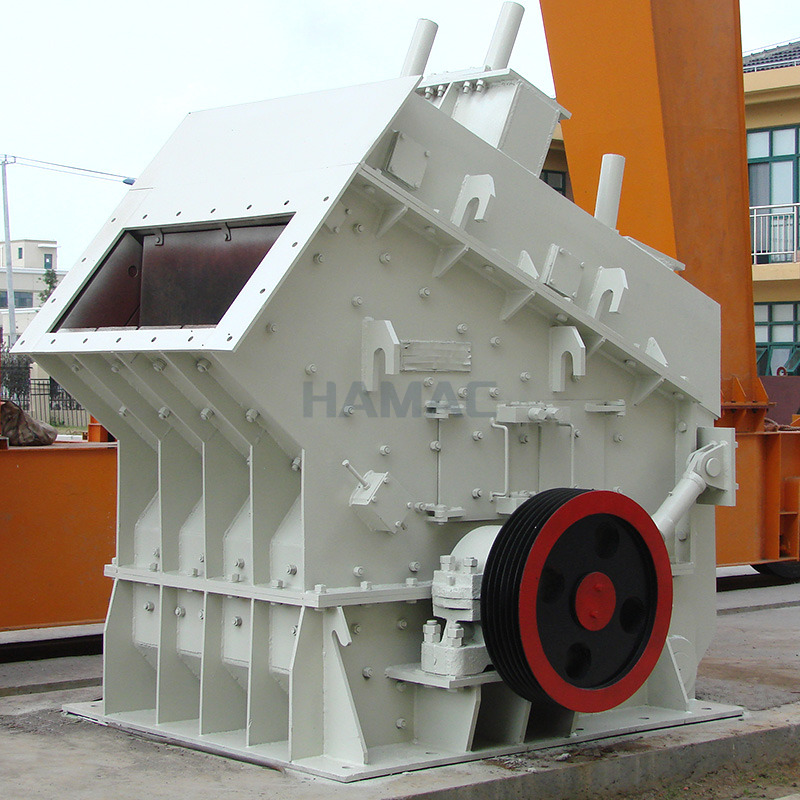
What to verify before you sign
- Decommissioning or relocation value at the end of a ten-year horizon.
- Availability of a small contractor crew for liner changes and the lifting equipment on site.
- Delivery terms (FOB / CFR / CIF) with the destination port named explicitly.
- Nameplate data for local voltage, frequency and the applicable conformity scheme.
- Energy draw in kW and the expected kWh per tonne at the design duty.
- Spare-parts consignment: one full liner or blow-bar set plus meshes, belts, bearings and seals.
- Control system language, telemetry and remote diagnostics availability.
- Product sampling points and the lab equipment needed for routine grading checks.
- Local service partner, technician travel time and visa requirements for your market.
Ask each supplier to price the same list. Quotations for vsi vertical shaft impact crusher (sand making machine) only become comparable when the scope is identical.
Where the money actually goes
| Cost line | Indicative share | What moves the number |
|---|---|---|
| Equipment & drive packages | 54% | Model size, number of stages and automation level |
| Ocean freight & insurance | 8% | Destination port, container count and out-of-gauge cargo |
| Civil works & foundations | 8% | Soil conditions, dynamic loads and site preparation |
| Erection, commissioning & training | 7% | Local labour, supervision scope and schedule |
| First-year wear parts | 15% | Rock abrasiveness, liner grade and operating hours |
| Power, lubricants & consumables | 8% | kWh per tonne, local tariff and dust suppression water |
Model a low, base and high case for tonnes per liner set. The spread tells you more than a single optimistic estimate.
Mistakes that cost more than the machine
- Choosing screen apertures before the concrete or asphalt mix design is fixed.
- Planning the crusher but not the conveyors, transfer chutes and stockpile capacity around it.
- Ordering no spares with the plant and waiting six weeks for the first liner set.
- Buying on nameplate t/h without converting to saleable product at the specified fractions.
- Forgetting surge capacity — an intermittent loader starves the chamber and ruins particle shape.
- Using one liner profile for both secondary and tertiary stages.
- Assuming the manufacturer's warranty covers wear parts and consumables.
- Overlooking dust, noise and water permits in your market until erection has already started.
Review the list with a small contractor crew before the order is placed — they will recognise most of them.
Commissioning checklist
- Record the baseline grading curve for each product fraction.
- Verify chute liners, skirt rubber and impact bars after the first hour of feed.
- Check lubrication levels, grease lines and oil cooler operation.
- Check hydraulic pressure, accumulator pre-charge and tramp-release function.
- Confirm the direction and tension of every belt under no load.
- Calibrate the belt scale and any level probes against a known load.
- Measure and log the as-new CSS / setting for future wear comparison.
- Test emergency stops, pull wires and interlock trips in sequence.
The commissioning record becomes the reference for every liner change in the ten-year plan.