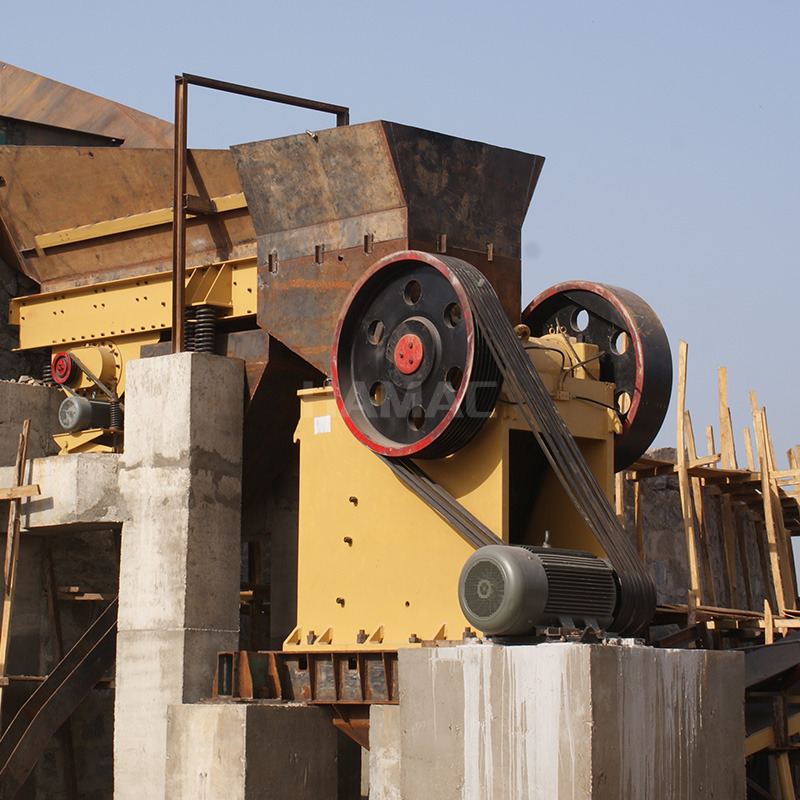
Overview
The spatial arrangement of crushers, screens, conveyors, access and stockpiles including structural loads.
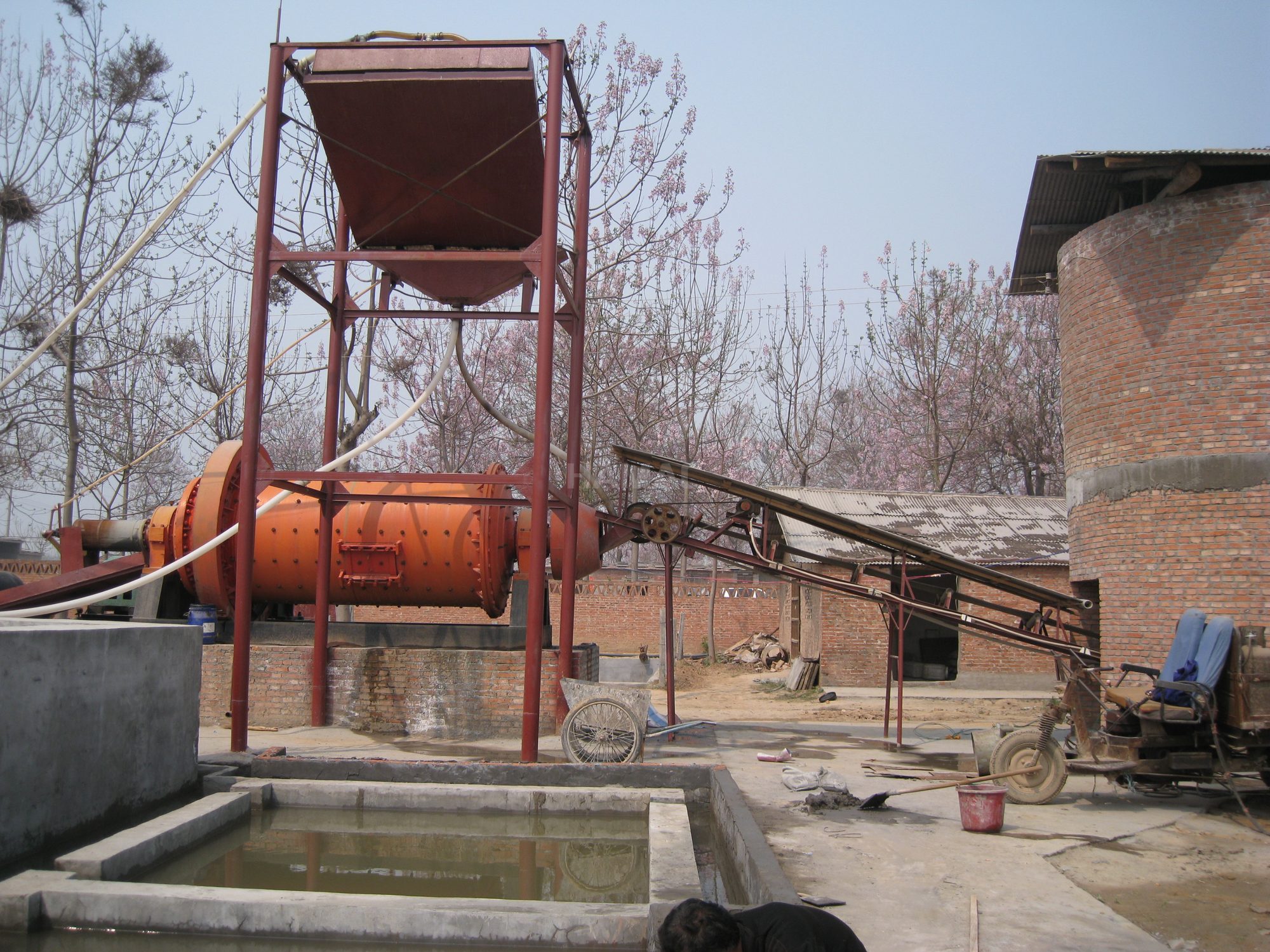
Why it matters in practice
- Straight conveyor runs cut transfer points
- Allow crane access for liner changes
- Dynamic loads govern foundation design
Applying it to plant selection
Engineers use plant layout and foundation together with feed gradation, moisture content and target tonnage when fixing the flow sheet. HAMAC records the value in the project data sheet so the equipment list, liner grade and motor rating can be checked against the written performance guarantee.
Reference data for this configuration
| Parameter | Reference value |
|---|---|
| Assumed duty | mine pre-beneficiation feed |
| Evaluation horizon | single-project view |
Where a value is shown as nominal, the written proposal states the guaranteed figure for your material, feed grading and single-project operating plan.
Project profile these notes assume
| Assumption | Value |
|---|---|
| Operating duty | mine pre-beneficiation feed |
| Primary objective | simple operator maintenance |
| Evaluation horizon | single-project view |
| Site condition | a confined urban yard |
| Operating team | a mixed local and expatriate team |
Change any one of these assumptions and the recommended configuration for the crushing and screening plant may change. HAMAC re-runs the same checks against your own numbers once the enquiry data sheet is received.
From enquiry to the first saleable tonne
- Set the maintenance stock list from the expected wear rate, not from a percentage of the equipment price.
- Run a sieve analysis on a representative sample and attach the grading curve to the enquiry.
- Survey the feed: the feed material; record top size, bulk density, moisture and clay content before fixing the flow sheet.
- Include dust suppression, guarding, emergency stops and lock-out points in the layout drawing.
- Log tonnes per liner set and kWh per tonne from day one so you have a real cost baseline within a quarter.
- Commission with graded load, sample the product grading, then train operators on liner change-out and daily checks.
- Choose compression or impact reduction according to hardness, silica content and required particle shape.
- Size the primary stage for your target tonnage with a 10–20% surge allowance — never on nameplate throughput alone.
- Plan training for a mixed local and expatriate team on CSS adjustment, liner change-out and lock-out / tag-out.
The sequence is deliberately front-loaded — decisions taken before manufacture are cheap, changes made on site are not.
What to verify before you sign
- Access for liner change-out — crane radius, lifting points and clearance around the chamber.
- After-sales response time, technician availability and the warranty exclusions in writing.
- Guaranteed power draw and the simple operator maintenance trade-off it implies.
- Choke-feed arrangement: surge bin, feeder control and level indication.
- Ambient temperature, altitude and dust load derating for motors and hydraulics.
- Erection scope: supervision only, or full civil, mechanical and electrical installation.
- Local service partner, technician travel time and visa requirements for your market.
- Written performance guarantee, sampling method and acceptance-test protocol.
- Availability of a mixed local and expatriate team for liner changes and the lifting equipment on site.
Share this list with a mixed local and expatriate team as well as procurement; operators are the ones who live with the omissions.
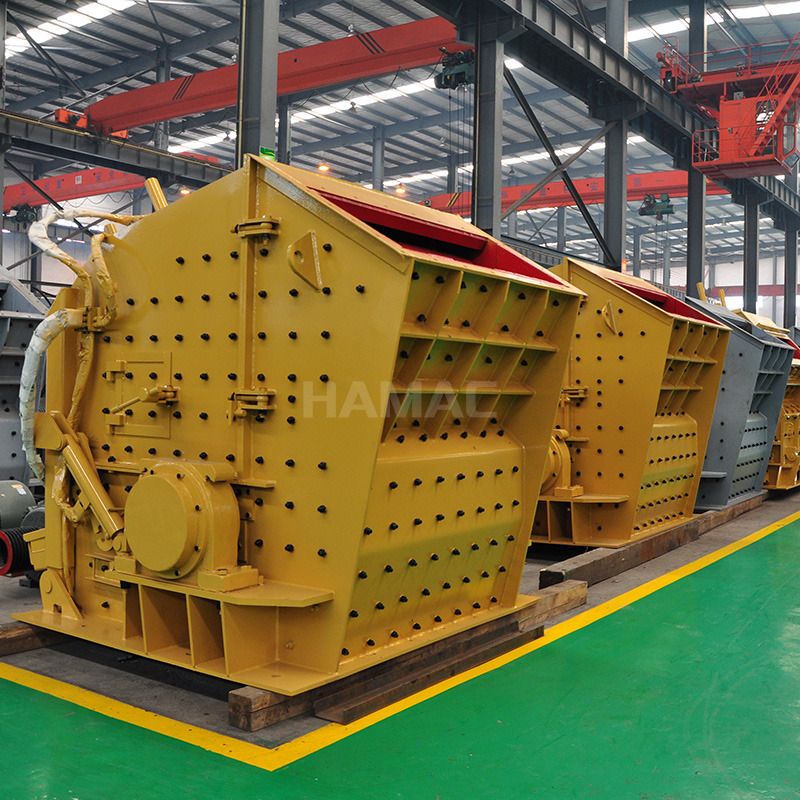
Where the money actually goes
| Cost line | Indicative share | What moves the number |
|---|---|---|
| Equipment & drive packages | 54% | Model size, number of stages and automation level |
| Ocean freight & insurance | 8% | Destination port, container count and out-of-gauge cargo |
| Civil works & foundations | 8% | Soil conditions, dynamic loads and site preparation |
| Erection, commissioning & training | 7% | Local labour, supervision scope and schedule |
| First-year wear parts | 15% | Rock abrasiveness, liner grade and operating hours |
| Power, lubricants & consumables | 8% | kWh per tonne, local tariff and dust suppression water |
Freight to your market is volatile; ask for the quotation to state validity and the port basis rather than a single delivered number.
Mistakes that cost more than the machine
- Using one liner profile for both secondary and tertiary stages.
- Omitting a bypass chute, so a single screen fault stops the whole line.
- Assuming the manufacturer's warranty covers wear parts and consumables.
- Letting the mine pre-beneficiation feed duty be defined verbally instead of in the contract.
- Skipping the acceptance test, so no one has a baseline to measure degradation against.
- Assuming a mobile plant can match a stationary line on high-tonnage, multi-product duty.
- Comparing quotations with different port terms and calling the lower number cheaper.
- Choosing screen apertures before the concrete or asphalt mix design is fixed.
Review the list with a mixed local and expatriate team before the order is placed — they will recognise most of them.
Commissioning checklist
- Test emergency stops, pull wires and interlock trips in sequence.
- Sample each product fraction and compare with the specification.
- Dry-run the plant empty for the specified period and record vibration.
- Calibrate the belt scale and any level probes against a known load.
- Measure noise and dust at the operator position against the local limit.
- Verify rotation direction on every motor before coupling.
- Check hydraulic pressure, accumulator pre-charge and tramp-release function.
- Agree the punch list, sign the hand-over protocol and file the as-built drawings.
The commissioning record becomes the reference for every liner change in the single-project plan.