Overview
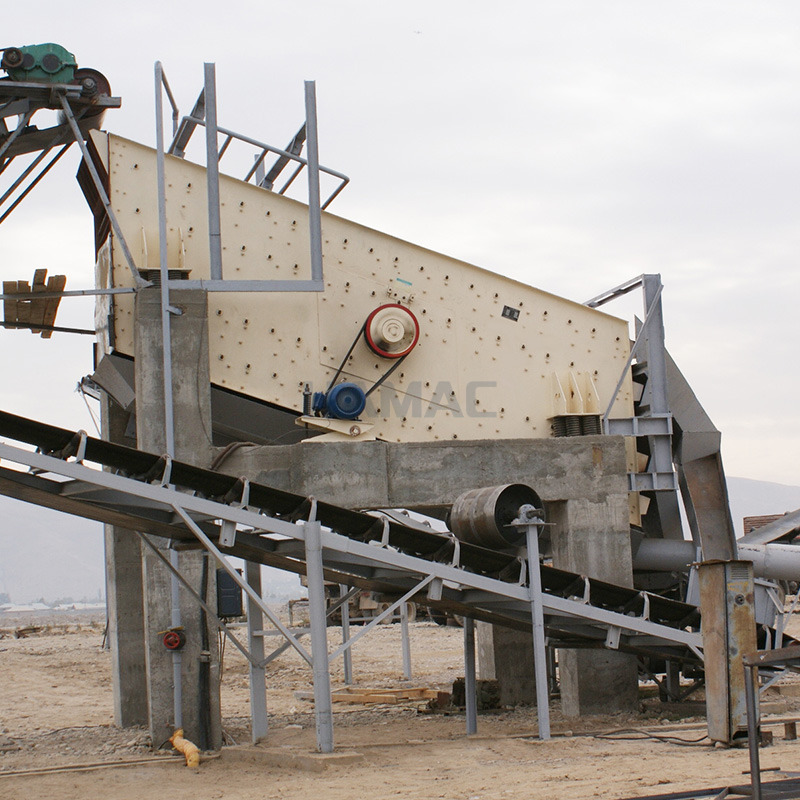
Practical notes for bringing a HAMAC crushing or grinding plant into Algeria, from quotation to commissioning.
Shipping & port
- Destination: Algiers.
- FOB / CFR / CIF options.
- Container loading plan supplied.
Power & standards
- Voltage / frequency: 380V 50Hz.
- Standards: NA.
- Motors set to local supply.
Documentation
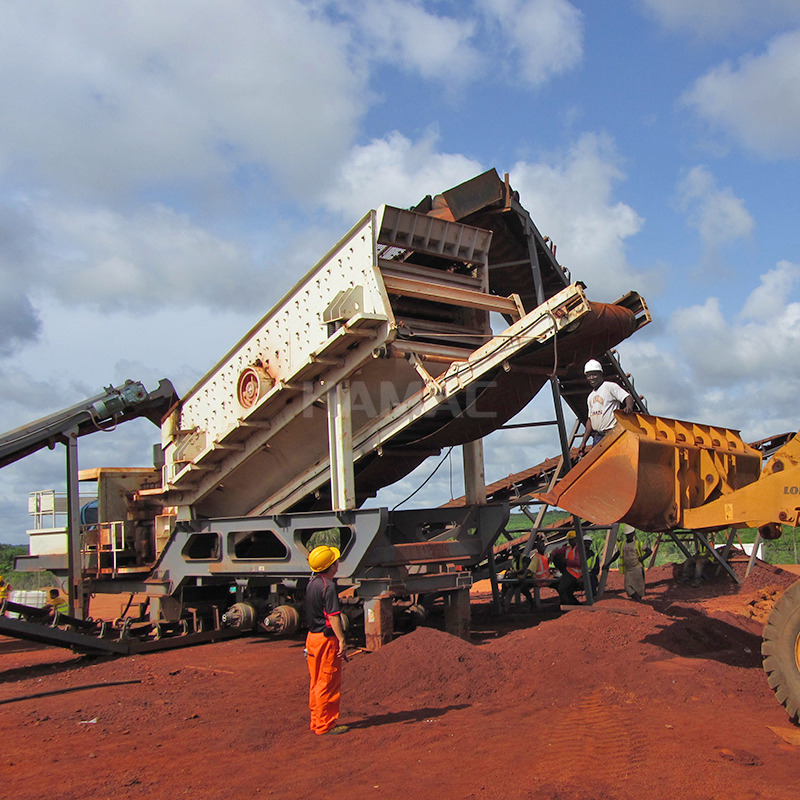
HAMAC provides the certificates and packing list required for Algeria customs clearance.
Reference data for this configuration
| Parameter | Reference value |
|---|---|
| Destination port | Algiers |
| Site supply | 380V 50Hz |
| Local standards | NA |
| Region | Africa |
| Assumed duty | mine pre-beneficiation feed |
| Evaluation horizon | five-year view |
At mine pre-beneficiation feed, the ranking of these parameters changes: fast mobilisation usually becomes the deciding constraint rather than the headline tonnage.
Project profile these notes assume
| Assumption | Value |
|---|---|
| Operating duty | mine pre-beneficiation feed |
| Primary objective | fast mobilisation |
| Evaluation horizon | five-year view |
| Site condition | a remote mine site |
| Operating team | a full-time plant team |
Change any one of these assumptions and the recommended configuration for the crushing and screening plant may change. HAMAC re-runs the same checks against your own numbers once the enquiry data sheet is received.
From enquiry to the first saleable tonne
- Log tonnes per liner set and kWh per tonne from day one so you have a real cost baseline within a quarter.
- Commission with graded load, sample the product grading, then train operators on liner change-out and daily checks.
- Size the primary stage for your target tonnage with a 10–20% surge allowance — never on nameplate throughput alone.
- Allocate screen area per deck; blinding and pegging are the most common hidden bottlenecks in a new plant.
- Review the crusher chamber profile with the liner supplier against the feed material.
- Plan training for a full-time plant team on CSS adjustment, liner change-out and lock-out / tag-out.
- Lay out conveyors, access ways, stockpile capacity and drainage before ordering steelwork.
- Set the maintenance stock list from the expected wear rate, not from a percentage of the equipment price.
- Include dust suppression, guarding, emergency stops and lock-out points in the layout drawing.
A realistic programme reserves time for permits, foundation curing and shipping to Algeria before any steel is cut.
What to verify before you sign
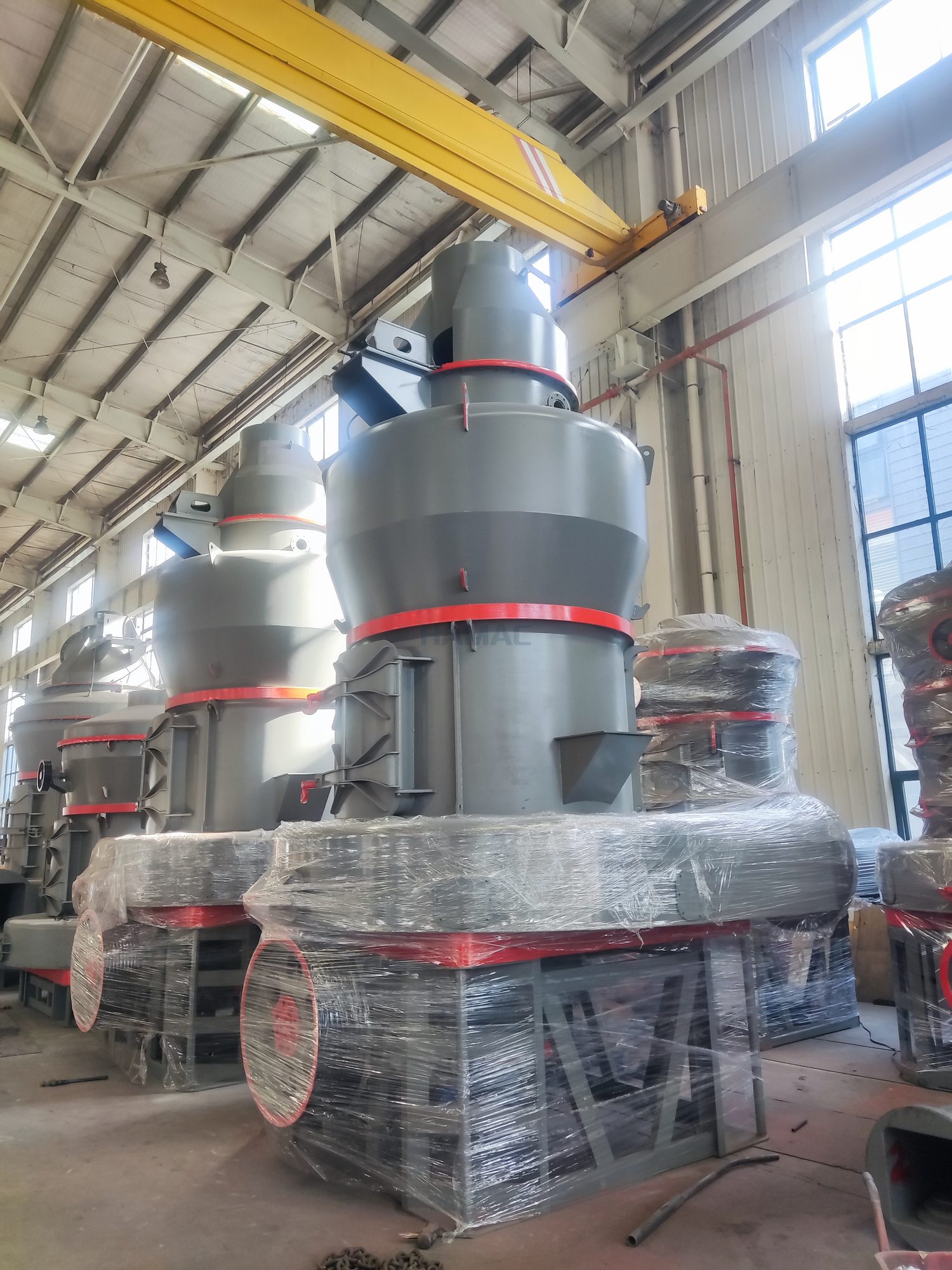
- Written performance guarantee, sampling method and acceptance-test protocol.
- Erection scope: supervision only, or full civil, mechanical and electrical installation.
- Control system language, telemetry and remote diagnostics availability.
- Product sampling points and the lab equipment needed for routine grading checks.
- Ambient temperature, altitude and dust load derating for motors and hydraulics.
- Spare motor, gearbox and hydraulic pump lead times from the nearest HAMAC stock point.
- Screen deck count, aperture and area; ask for the efficiency calculation, not just the mesh size.
- Access for liner change-out — crane radius, lifting points and clearance around the chamber.
- Tramp-iron protection — hydraulic release, magnet and metal detection on the feed belt.
Score each supplier against the same ten items and keep the score sheet with the purchase file for the five-year review.
Where the money actually goes
| Cost line | Indicative share | What moves the number |
|---|---|---|
| Equipment & drive packages | 53% | Model size, number of stages and automation level |
| Ocean freight & insurance | 11% | Destination port, container count and out-of-gauge cargo |
| Civil works & foundations | 8% | Soil conditions, dynamic loads and site preparation |
| Erection, commissioning & training | 7% | Local labour, supervision scope and schedule |
| First-year wear parts | 14% | Rock abrasiveness, liner grade and operating hours |
| Power, lubricants & consumables | 7% | kWh per tonne, local tariff and dust suppression water |
For the crushing and screening plant at your target tonnage, wear parts and energy usually outweigh the difference between two purchase prices within three to five years.
Mistakes that cost more than the machine
- Buying fast mobilisation on price alone and losing it in availability.
- Choosing screen apertures before the concrete or asphalt mix design is fixed.
- Skipping a geotechnical check and discovering settlement under the primary crusher at a remote mine site.
- Letting the mine pre-beneficiation feed duty be defined verbally instead of in the contract.
- Using one liner profile for both secondary and tertiary stages.
- Skipping the acceptance test, so no one has a baseline to measure degradation against.
- Leaving tramp-iron protection out of the scope to save a small percentage of capital.
- Specifying motors for the wrong voltage or frequency and rewinding them on site.
For mine pre-beneficiation feed, protect the fast mobilisation requirement explicitly in the contract documents.
Commissioning checklist
- Check lubrication levels, grease lines and oil cooler operation.
- Dry-run the plant empty for the specified period and record vibration.
- Calibrate the belt scale and any level probes against a known load.
- Measure and log the as-new CSS / setting for future wear comparison.
- Verify rotation direction on every motor before coupling.
- Hand over the spare-parts list, manuals and maintenance schedule.
- Introduce feed in graded steps: 25%, 50%, 75%, then full load.
- Confirm the direction and tension of every belt under no load.
On a remote mine site, allow extra time for the dust and noise measurements.