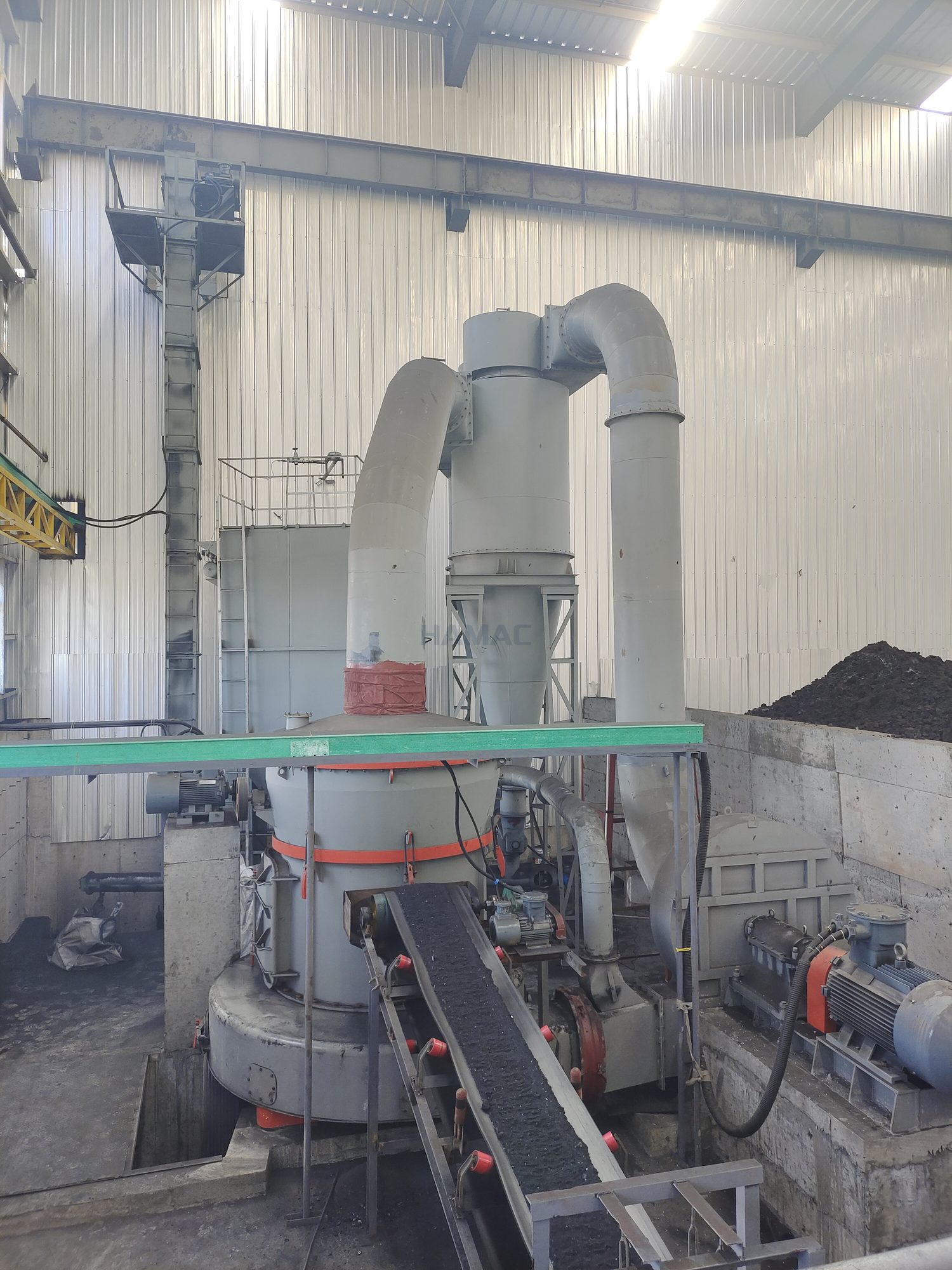
Overview
A 300–500 tph plant for quartz (Mohs 7, ~150 MPa, high abrasion). Recommended circuit: jaw + cone + VSI.
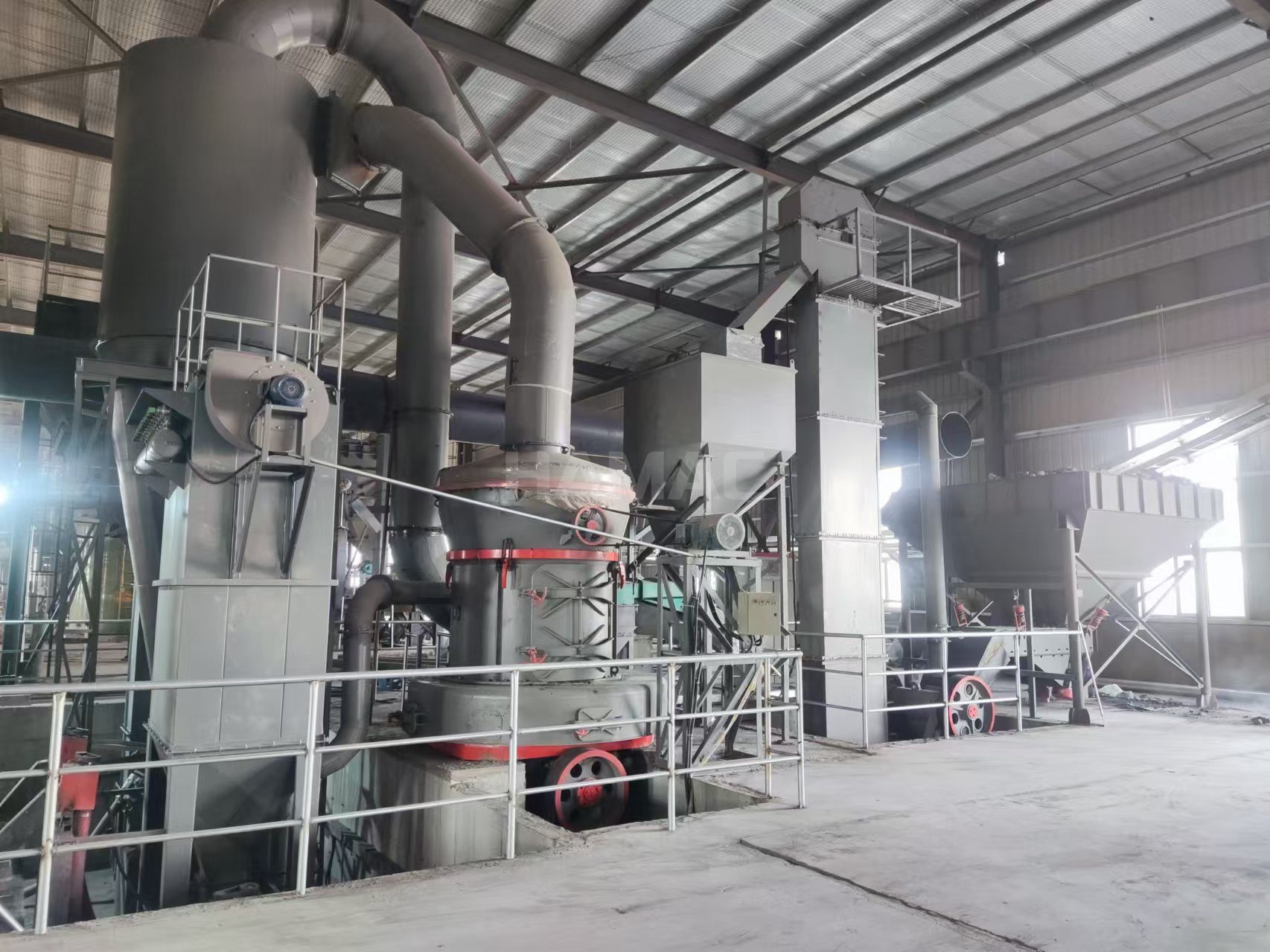
Quartz at this scale
| Capacity | 300–500 t/h |
|---|---|
| Material | Quartz (High abrasion) |
| Circuit | jaw + cone + VSI |
Equipment
- PE Series Jaw Crusher
- HPT Multi-Cylinder Hydraulic Cone Crusher
- VSI Vertical Shaft Impact Crusher (Sand Making Machine)
Notes
High SiO2; premium wear parts recommended.
Reference data for this configuration
| Parameter | Reference value |
|---|---|
| Feed material | Quartz |
| Mohs hardness | 7 |
| Compressive strength | ~150 MPa |
| Abrasiveness | High |
| Recommended circuit | jaw + cone + VSI |
| Design capacity | 300–500 t/h |
| Typical main line | primary gyratory/jaw + cone train |
| Scale note | Commercial aggregate production. |
| Assumed duty | cement raw-meal preparation |
| Evaluation horizon | single-project view |
The figures above are transcribed from published HAMAC data and from the material properties of quartz; site measurements take precedence.
Project profile these notes assume
| Assumption | Value |
|---|---|
| Operating duty | cement raw-meal preparation |
| Primary objective | fast mobilisation |
| Evaluation horizon | single-project view |
| Site condition | a brownfield extension |
| Operating team | a mixed local and expatriate team |
Change any one of these assumptions and the recommended configuration for quartz crushing may change. HAMAC re-runs the same checks against your own numbers once the enquiry data sheet is received.
From enquiry to the first saleable tonne
- Lay out the primary gyratory/jaw + cone train arrangement with straight conveyor runs and crane access for liner changes.
- Check bearing and lubrication arrangements against the ambient temperature range at the site.
- Confirm the haul-road and stockpile plan with a brownfield extension in mind before fixing conveyor lengths.
- Book shipping, prepare the packing list and confirm the container loading plan.
- Define the acceptance test: sampling points, test duration, moisture range and who signs the protocol.
- Verify the electrical single-line diagram, cable sizing and starter type with the local utility.
- Size the primary stage for 300–500 t/h with a 10–20% surge allowance — never on nameplate throughput alone.
- Confirm site voltage, frequency and applicable conformity standards before manufacture.
- Include dust suppression, guarding, emergency stops and lock-out points in the layout drawing.
On cement raw-meal preparation, step ordering matters: survey and sampling must precede the equipment list, or the plant is sized to a guess.
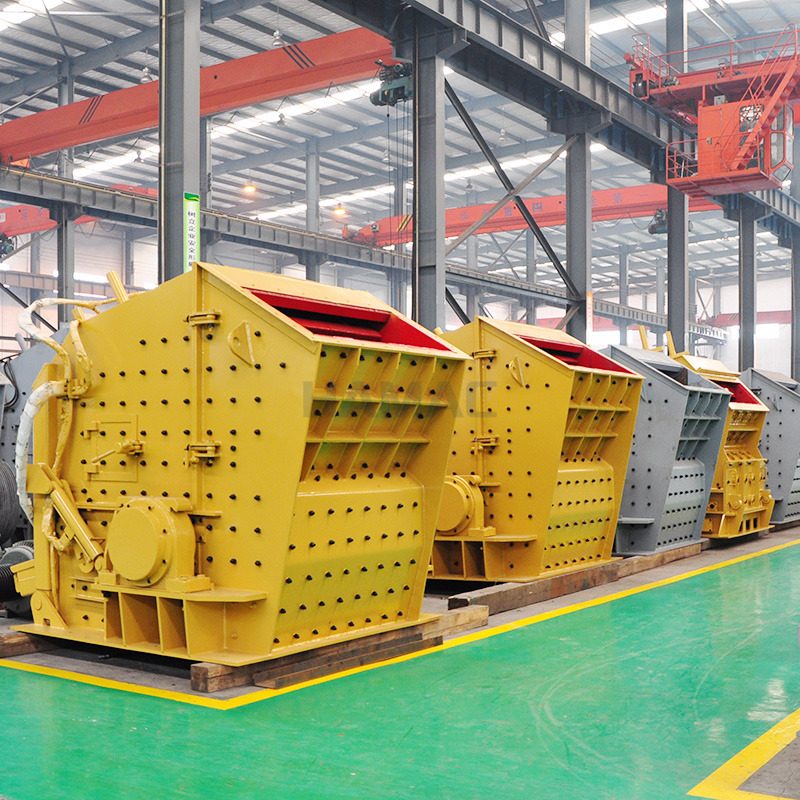
What to verify before you sign
- Spare motor, gearbox and hydraulic pump lead times from the nearest HAMAC stock point.
- Local service partner, technician travel time and visa requirements for your market.
- Access for liner change-out — crane radius, lifting points and clearance around the chamber.
- Maximum feed lump and gradation — a chamber that cannot accept the top size will bridge on day one.
- Control system language, telemetry and remote diagnostics availability.
- Dust and noise control designed to the local emission limits for your market.
- Choke-feed arrangement: surge bin, feeder control and level indication.
- Screen deck count, aperture and area; ask for the efficiency calculation, not just the mesh size.
- Decommissioning or relocation value at the end of a single-project horizon.
These are the items HAMAC puts in the technical proposal; if another offer is silent on them, ask why.
Where the money actually goes
| Cost line | Indicative share | What moves the number |
|---|---|---|
| Equipment & drive packages | 51% | Model size, number of stages and automation level |
| Ocean freight & insurance | 8% | Destination port, container count and out-of-gauge cargo |
| Civil works & foundations | 8% | Soil conditions, dynamic loads and site preparation |
| Erection, commissioning & training | 7% | Local labour, supervision scope and schedule |
| First-year wear parts | 18% | Rock abrasiveness, liner grade and operating hours |
| Power, lubricants & consumables | 8% | kWh per tonne, local tariff and dust suppression water |
Treat the percentages as a budgeting shape, not a quotation: HAMAC prices the equipment list in writing once the flow sheet is fixed.
Mistakes that cost more than the machine
- Omitting a bypass chute, so a single screen fault stops the whole line.
- Skipping the acceptance test, so no one has a baseline to measure degradation against.
- Undersizing the screen, then blaming the crusher for a plant that never reaches 300–500 t/h.
- Leaving tramp-iron protection out of the scope to save a small percentage of capital.
- Assuming the manufacturer's warranty covers wear parts and consumables.
- Selecting the cheapest liner alloy for hard, high-silica rock and paying for it in change-outs.
- Choosing screen apertures before the concrete or asphalt mix design is fixed.
- Letting the cement raw-meal preparation duty be defined verbally instead of in the contract.
Every item on this list has cost someone a commissioning date; none of them requires new technology to avoid.
Commissioning checklist
- Hand over the spare-parts list, manuals and maintenance schedule.
- Record power draw, tonnage and chamber pressure at steady state.
- Sample each product fraction and compare with the specification.
- Check lubrication levels, grease lines and oil cooler operation.
- Check hydraulic pressure, accumulator pre-charge and tramp-release function.
- Dry-run the plant empty for the specified period and record vibration.
- Measure noise and dust at the operator position against the local limit.
- Record the baseline grading curve for each product fraction.
On a brownfield extension, allow extra time for the dust and noise measurements.