Overview
Fine grinding to filler, coating and drilling-fluid grades. In Saudi Arabia the most frequently processed feed materials are Limestone, Gabbro, and equipment is normally delivered through Jeddah on 380V 60Hz supplies.
Materials in scope
- Calcite — Mohs 3, ~100 MPa, low abrasion
- Barite — Mohs 3, ~80 MPa, low abrasion
- Gypsum — Mohs 1.5, ~30 MPa, low abrasion
- Dolomite — Mohs 3.5, ~110 MPa, low abrasion
Recommended machines
- PE Series Jaw Crusher
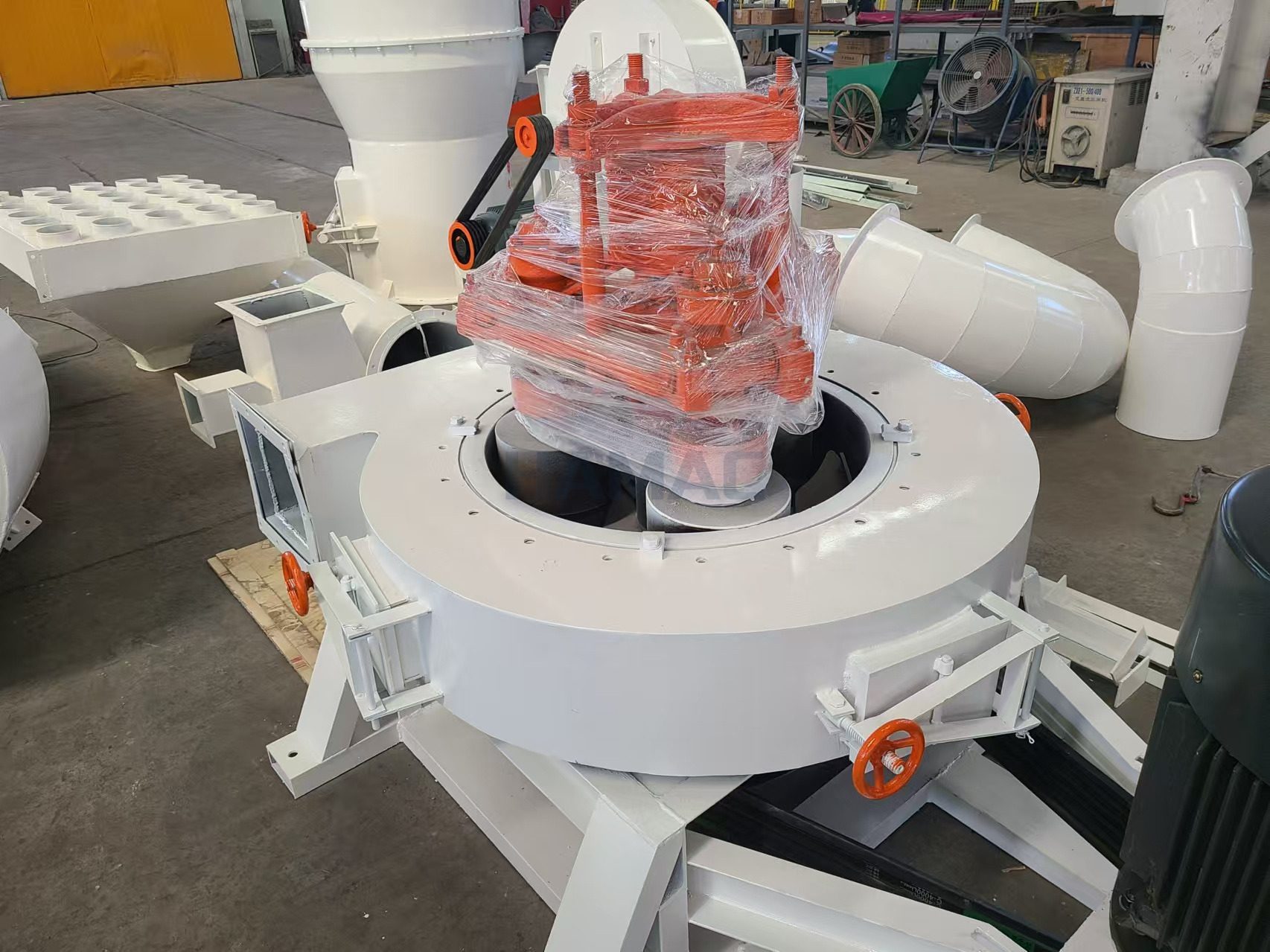
- MTW European Type Grinding Mill
- PF Impact Crusher
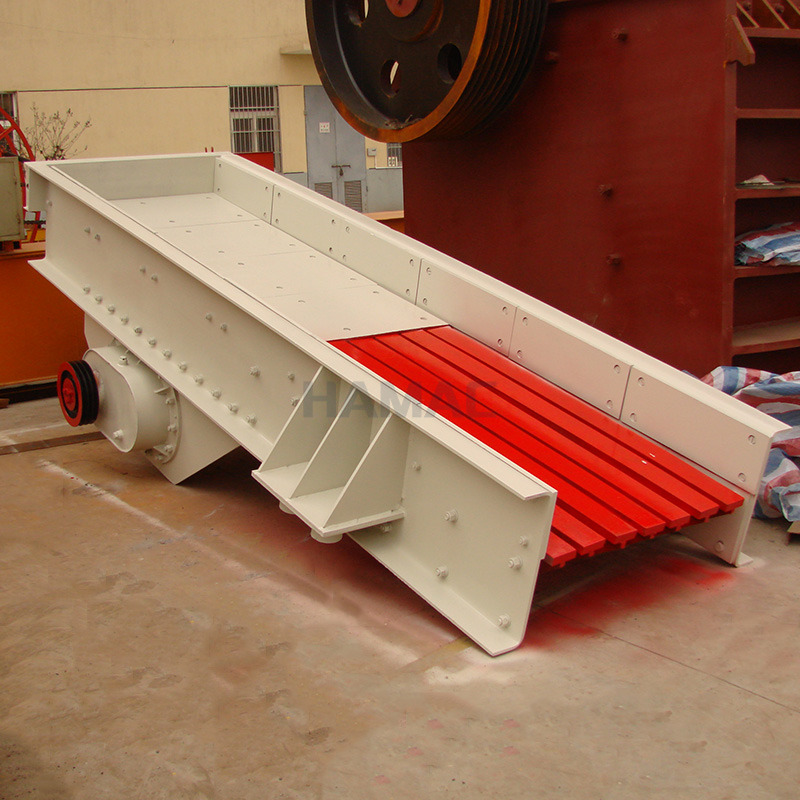
- Vibrating Feeder
Engineering for Saudi Arabia
| Item | Reference |
|---|---|
| Port | Jeddah |
| Power | 380V 60Hz |
| Standards | SASO |
| Region | Middle East |
Reference data for this configuration
| Parameter | Reference value |
|---|---|
| Destination port | Jeddah |
| Site supply | 380V 60Hz |
| Local standards | SASO |
| Region | Middle East |
| Application | Industrial Minerals & Powder |
| Typical feed | Calcite, Barite, Gypsum, Dolomite |
| Assumed duty | demolition and recycling duties |
| Evaluation horizon | ten-year view |
Use the table as a checklist when comparing quotations for the crushing and screening plant — a lower price often means one of these parameters was quietly reduced.
Project profile these notes assume
| Assumption | Value |
|---|---|
| Operating duty | demolition and recycling duties |
| Primary objective | lowest cost per tonne |
| Evaluation horizon | ten-year view |
| Site condition | an existing quarry bench |
| Operating team | a rotating shift crew |
Change any one of these assumptions and the recommended configuration for the crushing and screening plant may change. HAMAC re-runs the same checks against your own numbers once the enquiry data sheet is received.
From enquiry to the first saleable tonne
- Confirm the haul-road and stockpile plan with an existing quarry bench in mind before fixing conveyor lengths.
- Define the acceptance test: sampling points, test duration, moisture range and who signs the protocol.
- Log tonnes per liner set and kWh per tonne from day one so you have a real cost baseline within a quarter.
- Budget for water, dust extraction and spillage handling as part of the plant, not as an afterthought.
- Verify the electrical single-line diagram, cable sizing and starter type with the local utility.
- Record the as-built settings and give the operator a written daily, weekly and monthly schedule.
- Run a sieve analysis on a representative sample and attach the grading curve to the enquiry.
- Include dust suppression, guarding, emergency stops and lock-out points in the layout drawing.
- Allocate screen area per deck; blinding and pegging are the most common hidden bottlenecks in a new plant.
A realistic programme reserves time for permits, foundation curing and shipping to Saudi Arabia before any steel is cut.
What to verify before you sign
- Access for liner change-out — crane radius, lifting points and clearance around the chamber.
- Maximum feed lump and gradation — a chamber that cannot accept the top size will bridge on day one.
- Erection scope: supervision only, or full civil, mechanical and electrical installation.
- Written performance guarantee, sampling method and acceptance-test protocol.
- Ambient temperature, altitude and dust load derating for motors and hydraulics.
- Wear-part interchangeability across machines in the same circuit.
- Saleable tonnes per hour at each product size, not gross crusher throughput, for your target tonnage.
- Dust and noise control designed to the local emission limits for Saudi Arabia.
- Screen deck count, aperture and area; ask for the efficiency calculation, not just the mesh size.
These are the items HAMAC puts in the technical proposal; if another offer is silent on them, ask why.
Where the money actually goes
| Cost line | Indicative share | What moves the number |
|---|---|---|
| Equipment & drive packages | 53% | Model size, number of stages and automation level |
| Ocean freight & insurance | 11% | Destination port, container count and out-of-gauge cargo |
| Civil works & foundations | 8% | Soil conditions, dynamic loads and site preparation |
| Erection, commissioning & training | 7% | Local labour, supervision scope and schedule |
| First-year wear parts | 14% | Rock abrasiveness, liner grade and operating hours |
| Power, lubricants & consumables | 7% | kWh per tonne, local tariff and dust suppression water |
Treat the percentages as a budgeting shape, not a quotation: HAMAC prices the equipment list in writing once the flow sheet is fixed.
Mistakes that cost more than the machine
- Overlooking dust, noise and water permits in Saudi Arabia until erection has already started.
- Specifying motors for the wrong voltage or frequency and rewinding them on site.
- Selecting the cheapest liner alloy for hard, high-silica rock and paying for it in change-outs.
- Ordering no spares with the plant and waiting six weeks for the first liner set.
- Undersizing the screen, then blaming the crusher for a plant that never reaches your target tonnage.
- Buying on nameplate t/h without converting to saleable product at the specified fractions.
- Choosing screen apertures before the concrete or asphalt mix design is fixed.
- Letting the demolition and recycling duties duty be defined verbally instead of in the contract.
Every item on this list has cost someone a commissioning date; none of them requires new technology to avoid.
Commissioning checklist
- Check hydraulic pressure, accumulator pre-charge and tramp-release function.
- Sample each product fraction and compare with the specification.
- Confirm the direction and tension of every belt under no load.
- Introduce feed in graded steps: 25%, 50%, 75%, then full load.
- Dry-run the plant empty for the specified period and record vibration.
- Check lubrication levels, grease lines and oil cooler operation.
- Measure noise and dust at the operator position against the local limit.
- Hand over the spare-parts list, manuals and maintenance schedule.
Keep the signed record; it is the only defensible baseline for later performance disputes.