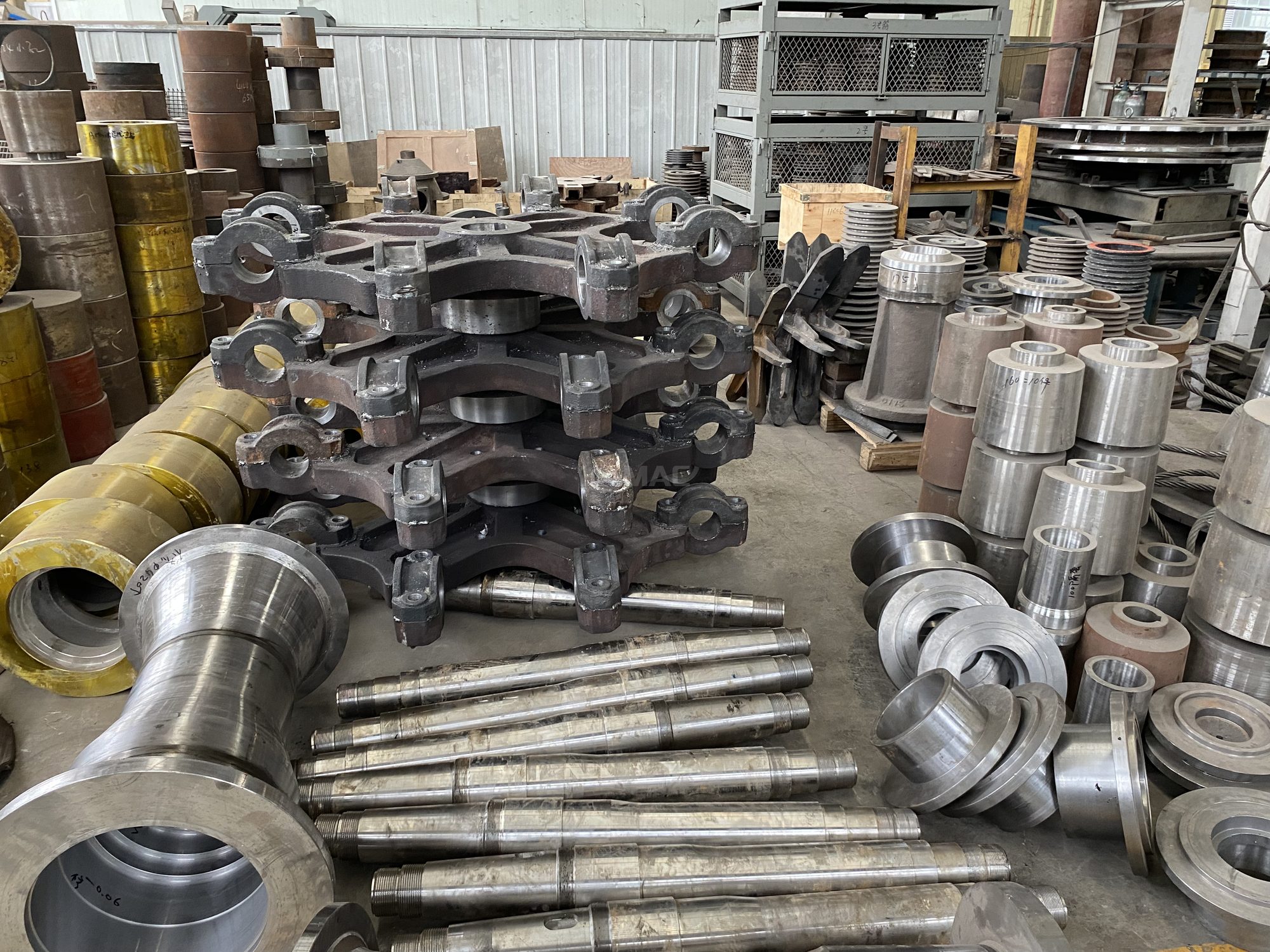
Overview
Single-size, high-PSV, low-flakiness aggregate. In Russia the most frequently processed feed materials are Granite, Coal, Basalt, and equipment is normally delivered through St Petersburg on 380V 50Hz supplies.
Materials in scope
- Basalt — Mohs 6, ~200 MPa, high abrasion
- Granite — Mohs 6.5, ~180 MPa, high abrasion
- Andesite — Mohs 6, ~170 MPa, high abrasion
Recommended machines
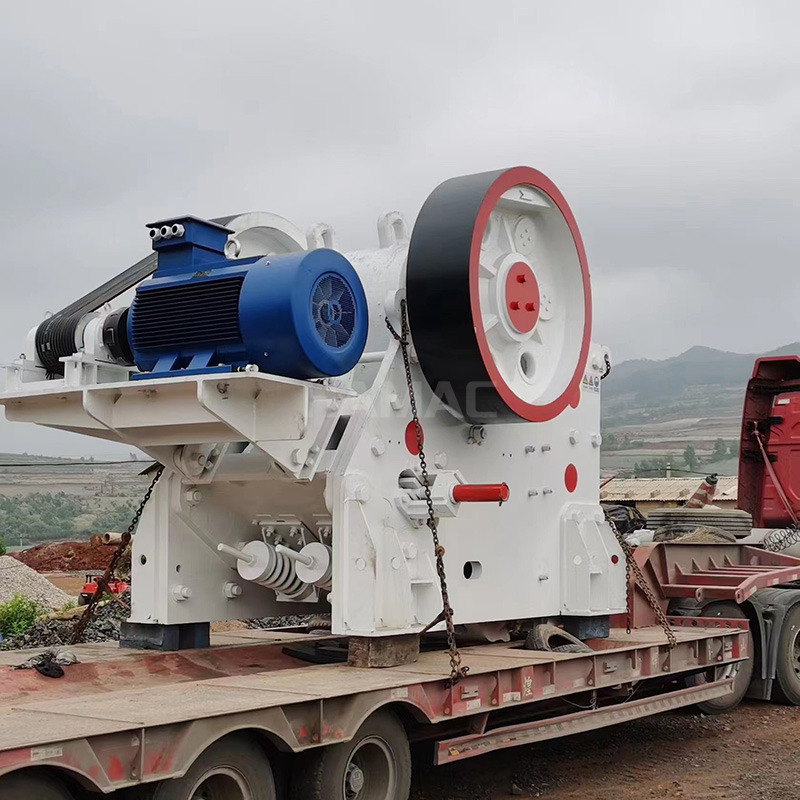
- PE Series Jaw Crusher
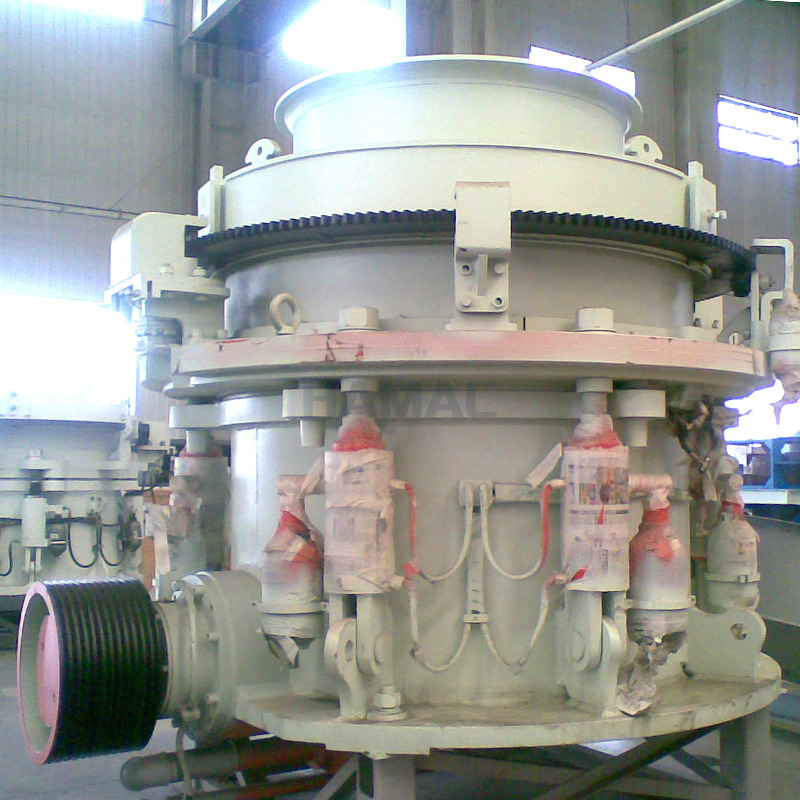
- HPT Multi-Cylinder Hydraulic Cone Crusher
- VSI Vertical Shaft Impact Crusher (Sand Making Machine)
Engineering for Russia
| Item | Reference |
|---|---|
| Port | St Petersburg |
| Power | 380V 50Hz |
| Standards | GOST |
| Region | Europe/Asia |
Reference data for this configuration
| Parameter | Reference value |
|---|---|
| Destination port | St Petersburg |
| Site supply | 380V 50Hz |
| Local standards | GOST |
| Region | Europe/Asia |
| Application | Road & Railway Ballast |
| Typical feed | Basalt, Granite, Andesite |
| Assumed duty | continuous quarry production |
| Evaluation horizon | single-project view |
Where a value is shown as nominal, the written proposal states the guaranteed figure for your material, feed grading and single-project operating plan.
Project profile these notes assume
| Assumption | Value |
|---|---|
| Operating duty | continuous quarry production |
| Primary objective | simple operator maintenance |
| Evaluation horizon | single-project view |
| Site condition | a remote mine site |
| Operating team | a rotating shift crew |
Change any one of these assumptions and the recommended configuration for the crushing and screening plant may change. HAMAC re-runs the same checks against your own numbers once the enquiry data sheet is received.
From enquiry to the first saleable tonne
- Set the maintenance stock list from the expected wear rate, not from a percentage of the equipment price.
- Allocate screen area per deck; blinding and pegging are the most common hidden bottlenecks in a new plant.
- Set the closed-side setting or rotor speed against the required product fractions, then verify the expected reduction ratio.
- Lay out conveyors, access ways, stockpile capacity and drainage before ordering steelwork.
- Specify motors, starters and documentation for 380V 50Hz and GOST before manufacture.
- Check bearing and lubrication arrangements against the ambient temperature range at the site.
- Sequence delivery so foundations cure while the equipment is still in manufacture.
- Survey the feed: the feed material; record top size, bulk density, moisture and clay content before fixing the flow sheet.
- Choose compression or impact reduction according to hardness, silica content and required particle shape.
For a rotating shift crew, the commissioning and training steps need more calendar time than the mechanical erection itself.
What to verify before you sign
- Wear-part interchangeability across machines in the same circuit.
- Erection scope: supervision only, or full civil, mechanical and electrical installation.
- Access for liner change-out — crane radius, lifting points and clearance around the chamber.
- Maximum feed lump and gradation — a chamber that cannot accept the top size will bridge on day one.
- Control system language, telemetry and remote diagnostics availability.
- Nameplate data for 380V 50Hz and the GOST certificate set.
- Product sampling points and the lab equipment needed for routine grading checks.
- Energy draw in kW and the expected kWh per tonne at the design duty.
- Decommissioning or relocation value at the end of a single-project horizon.
These are the items HAMAC puts in the technical proposal; if another offer is silent on them, ask why.
Where the money actually goes
| Cost line | Indicative share | What moves the number |
|---|---|---|
| Equipment & drive packages | 53% | Model size, number of stages and automation level |
| Ocean freight & insurance | 11% | Destination port, container count and out-of-gauge cargo |
| Civil works & foundations | 8% | Soil conditions, dynamic loads and site preparation |
| Erection, commissioning & training | 7% | Local labour, supervision scope and schedule |
| First-year wear parts | 14% | Rock abrasiveness, liner grade and operating hours |
| Power, lubricants & consumables | 7% | kWh per tonne, local tariff and dust suppression water |
Include downtime in the model. An unplanned liner change on a remote site costs far more than the casting itself.
Mistakes that cost more than the machine
- Choosing screen apertures before the concrete or asphalt mix design is fixed.
- Overlooking dust, noise and water permits in Russia until erection has already started.
- Using one liner profile for both secondary and tertiary stages.
- Undersizing the screen, then blaming the crusher for a plant that never reaches your target tonnage.
- Omitting a bypass chute, so a single screen fault stops the whole line.
- Letting the continuous quarry production duty be defined verbally instead of in the contract.
- Buying on nameplate t/h without converting to saleable product at the specified fractions.
- Ignoring clay and moisture until the first wet season, when decks blind and chambers pack.
On a remote mine site, the civil and logistics items deserve as much attention as the crusher itself.
Commissioning checklist
- Measure and log the as-new CSS / setting for future wear comparison.
- Confirm all guards, emergency stops and pull-wire switches function.
- Record the baseline grading curve for each product fraction.
- Verify rotation direction on every motor before coupling.
- Dry-run the plant empty for the specified period and record vibration.
- Agree the punch list, sign the hand-over protocol and file the as-built drawings.
- Hand over the spare-parts list, manuals and maintenance schedule.
- Test emergency stops, pull wires and interlock trips in sequence.
For a rotating shift crew, run through this list twice — once with the supervisor and once without.