Design basis for bauxite underground mine
The design basis starts with the rock, not the machine. Bauxite is rated at 30–90 MPa compressive strength with low abrasiveness, high moisture sensitivity and a loose bulk density around 1.35 t/m³. Sticky, clay-rich feed blocks grizzlies and screens; wet processing and generous transfer chutes are usual. Measurements are only comparable when the sieve standard is the same.
A underground mine must fit crushing equipment into a confined excavation, constrained by restricted headroom, ventilation and haulage access. The commercial priority is compact footprint. For this combination HAMAC works from an indicative design point of 110 t/h of saleable product, with a maximum feed top size near 450 mm and target fractions of sized ore and washed fines.
| Parameter | Indicative value / method |
|---|---|
| Raw material | Bauxite · 30–90 MPa · abrasion low |
| Design throughput | 110 t/h saleable product (100–250 t/h scenario band) |
| Maximum feed size | ~450 mm |
| Target product | sized ore and washed fines |
| Loose bulk density | 1.35 t/m³ |
| Suggested circuit | impact crusher → washing screen |
Why variable feed gradation appears in this circuit
Crusher power draw swings sharply with each loader cycle. In a bauxite underground mine this is usually a system symptom rather than a single machine fault. The cheapest fix is usually a settings change; the most expensive is a new machine.
- segregation in the stockpile and the dump hopper
- no surge buffer between the loader and the primary feeder
- hard and soft bands are exposed simultaneously at the face
A change in one stage changes the circulating load in all the others. Before changing a crusher setting, check these in order: 1) sample feed gradation at three points across the belt; 2) record power draw at one-minute intervals; 3) check hopper level alarms and feeder response. Ask for the mass balance and the test method behind any quoted number.
Recommended equipment configuration
For bauxite at 110 t/h the working train is impact crusher → washing screen. The equipment list is fixed only after feed gradation, moisture and saleable fractions are confirmed — the same nominal capacity can require different crushers for bauxite and for a softer rock. Measurements are only comparable when the sieve standard is the same.
| Parameter | Indicative value / method |
|---|---|
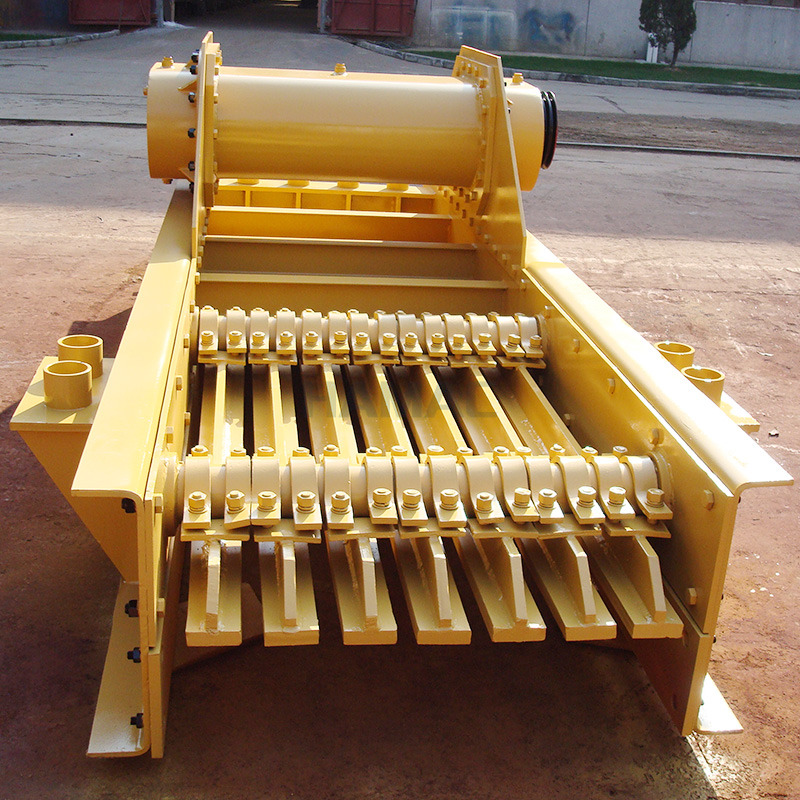
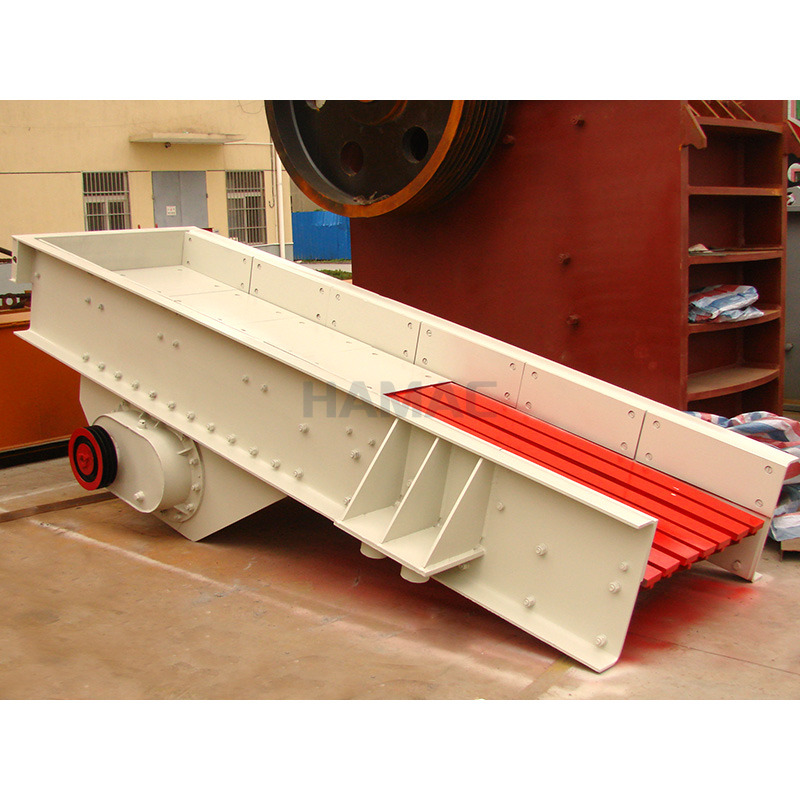
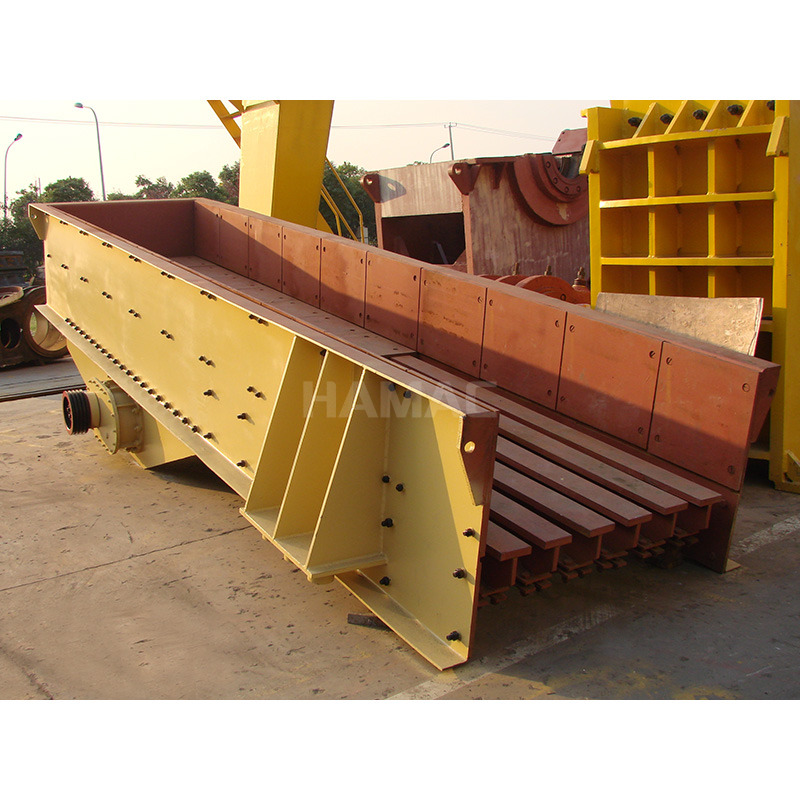
| Feeding | Vibrating grizzly feeder, VFD control, ~138 t/h design margin |
| Primary reduction | Jaw / impact crusher, nominal CSS ~38 mm at the secondary stage |
| Secondary / tertiary | washing screen |
| Screening | Multi-deck screen sized for 30% circulating load |
| Conveying | Belts sized for fresh feed + return stream, 1.35 t/m³ bulk density |
| Control | Interlocked start-up, power-based feed trim, 350 kW order-of-magnitude connected load |
The corrective actions for variable feed gradation are applied on top of this base circuit: blend feed from two stockpile faces; add a hopper with level control and a vfd feeder; set the drive power margin for the hardest band, not the average.
Operating settings and acceptance checks
Settings must be recorded at commissioning and re-checked after every liner change. For this circuit the starting point is a secondary CSS near 38 mm, a circulating load around 30% and a screen efficiency target above 90%. A change in one stage changes the circulating load in all the others.
- Sample feed gradation at three points across the belt
- Record power draw at one-minute intervals
- Check hopper level alarms and feeder response
| Parameter | Indicative value / method |
|---|---|
| Capacity | Measured over a full shift, saleable tonnes, 110 t/h nominal |
| Grading | Full sieve analysis, agreed standard, sized ore and washed fines |
| Crusher setting | CSS measured and logged, ~38 mm starting point |
| Power | Main-drive current at steady feed, 350 kW connected load |
| Wear | Liner mass before and after, cost per saleable tonne |
Ask for the mass balance and the test method behind any quoted number. All figures published on this site are nominal engineering values; actual performance depends on feed gradation, moisture, crusher setting and screening efficiency.
Cost, risk and what to confirm in writing
Compare this plant as cost per saleable tonne, not purchase price. Energy, wear parts, labour and downtime dominate the operating cost for bauxite, while compact footprint determines how much lost production actually costs. The cheapest fix is usually a settings change; the most expensive is a new machine.
- Ask every supplier for the same flow sheet and mass balance, including the 30% return stream.
- State the Incoterm, named port, civils scope, erection scope and a two-year spares list in the quotation.
- Model annual output as 110 t/h × scheduled hours × realistic utilisation (often 75–90%), not as nameplate × 8,760 hours.
- Agree the sampling method, sieve standard and acceptance test before the order is placed.
Measurements are only comparable when the sieve standard is the same. Ask for the mass balance and the test method behind any quoted number. Send your material, feed size, target capacity and product sizes to HAMAC Machinery for a comparable configuration and budget.