Overview
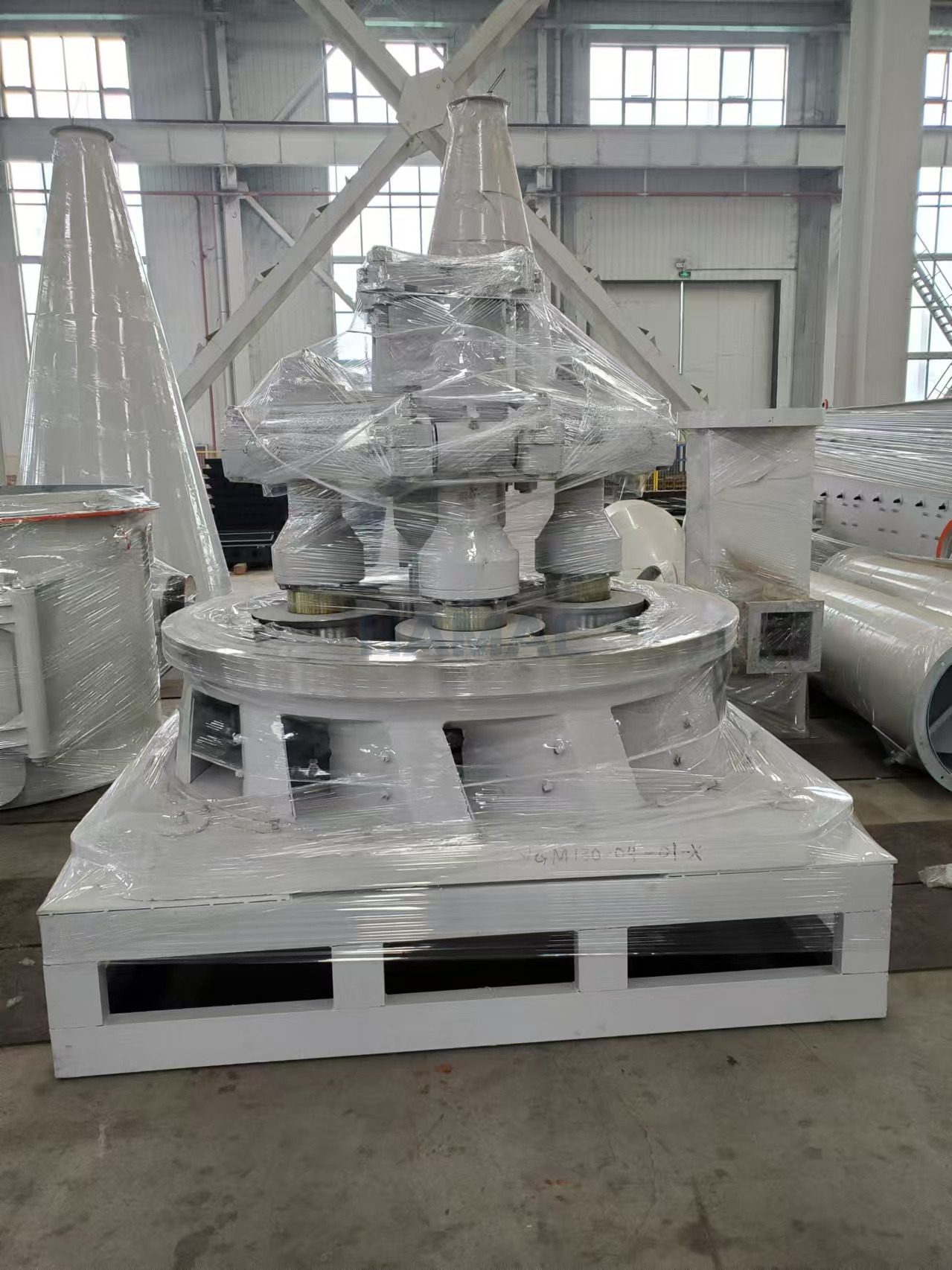
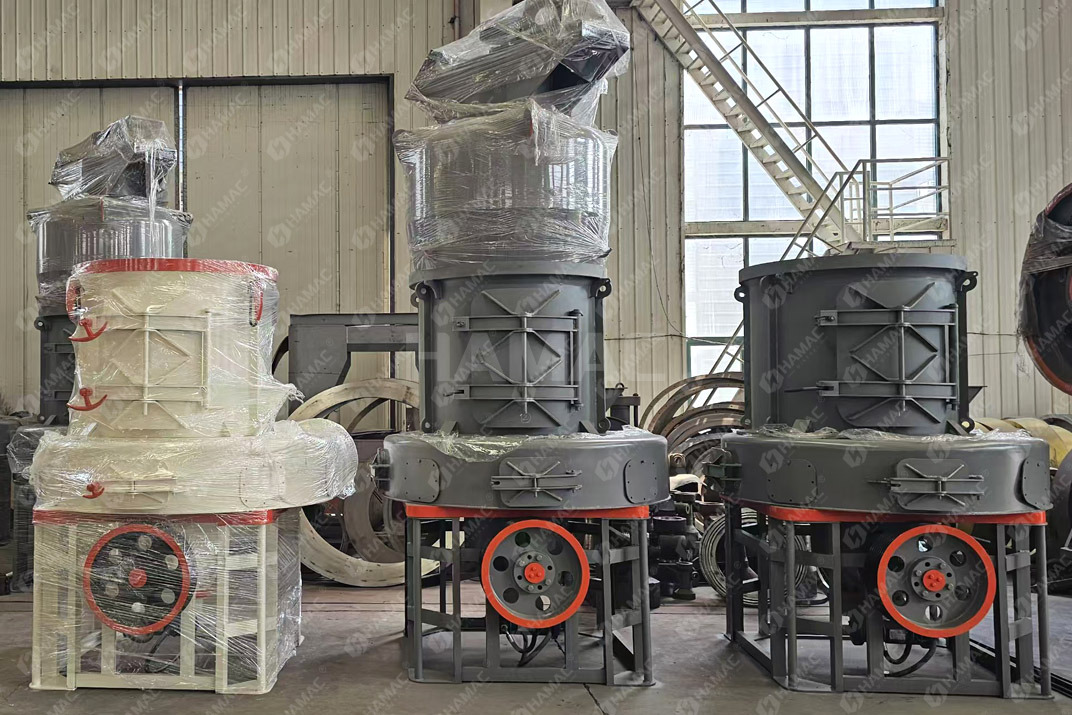
Buying a MW Micro Powder Mill direct from HAMAC removes the trading margin and gives you engineering support from enquiry to commissioning.
Why buy direct
- One project manager for the whole order.
- Workshop assembly, test and container loading plan.
- Flow-sheet design, layout and foundation reference.
- Installation supervision, training and 24h technical response.
Export & documentation
Quoted FOB / CFR / CIF. Documentation applicable to your market (CE where required), Spanish manuals for LatAm, motors set to local voltage.
How to order
Send project data → receive design + budget in 24h → refine drawings → manufacture → install.
Reference data for this configuration
| Parameter | Reference value |
|---|---|
| Machine line | MW Micro Powder Mill |
| Category | Grinding Mills |
| Assumed duty | demolition and recycling duties |
| Evaluation horizon | single-project view |
Treat this as a living sheet. Every revision of the flow sheet for your market should update the same fields so the equipment list stays traceable.
Published MW Micro Powder Mill model data
| Parameter | Typical value | Engineering note |
|---|---|---|
| Finished fineness | 400-3250 mesh (down to 5 um) | Set at the classifier |
| Nominal capacity | 0.5-18 t/h | Varies with material and moisture |
| Maximum feed size | 10-20 mm | Requires pre-crushing |
| Typical materials | Limestone, calcite, gypsum, talc, barite | Mohs <= 7, moisture <= 6% |
| Power supply | 380 / 415 / 440 V, 50 or 60 Hz | Configured to destination grid |
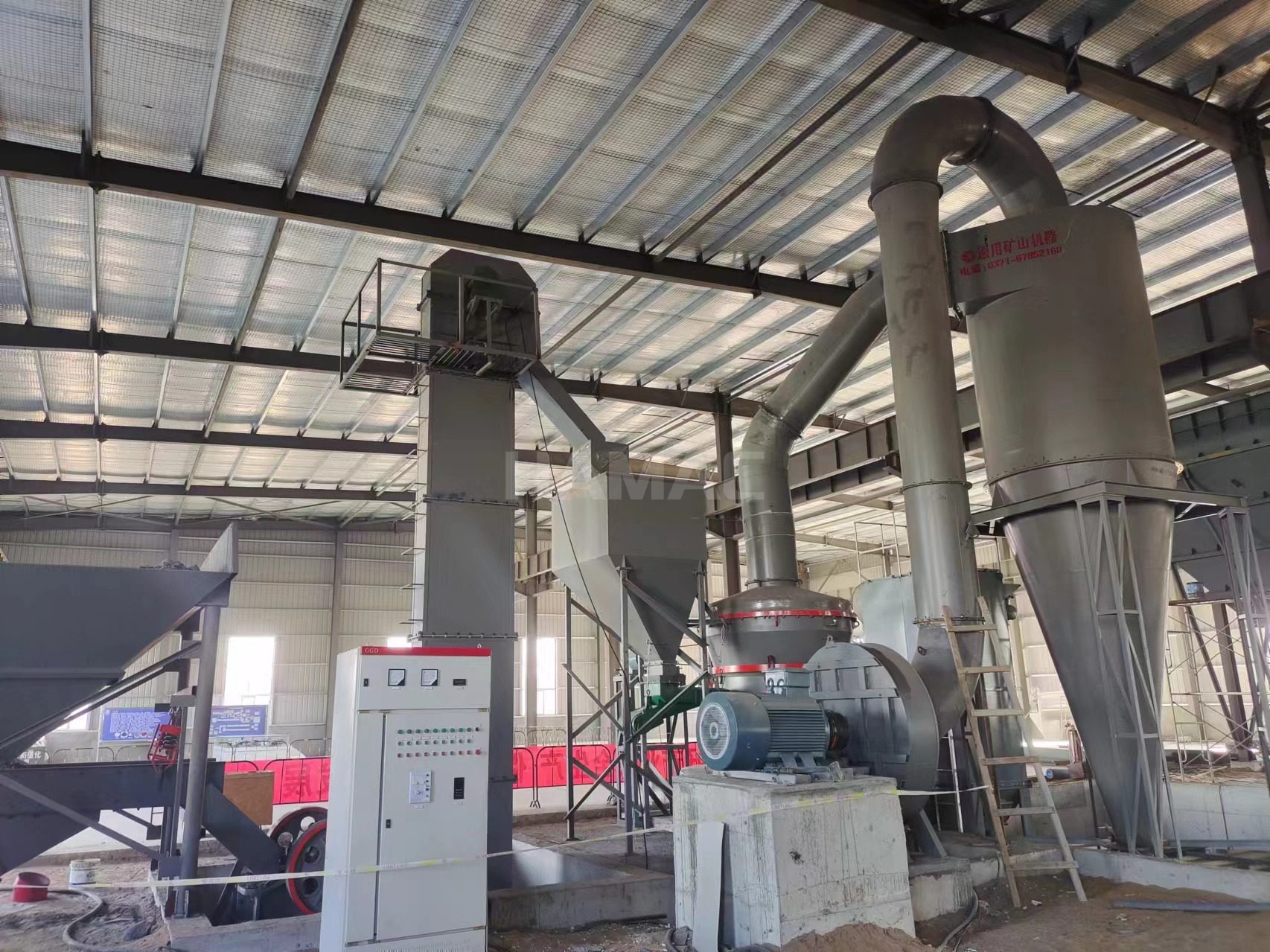
MW Micro Powder Mill for ultra-fine calcium carbonate, talc, barite and non-metallic mineral fillers, producing 400-3250 mesh (down to 5 um) at 0.5-18 t/h with an integrated classifier and dust collection. Read the table column by column against demolition and recycling duties: the model you pick is the one whose published range brackets your target tonnage, not simply the largest machine in the series. Availability, motor rating and shipping data are re-confirmed for a brownfield extension in the written HAMAC proposal.
Project profile these notes assume
| Assumption | Value |
|---|---|
| Operating duty | demolition and recycling duties |
| Primary objective | simple operator maintenance |
| Evaluation horizon | single-project view |
| Site condition | a brownfield extension |
| Operating team | a mixed local and expatriate team |
Change any one of these assumptions and the recommended configuration for mw micro powder mill may change. HAMAC re-runs the same checks against your own numbers once the enquiry data sheet is received.
From enquiry to the first saleable tonne
- Allocate screen area per deck; blinding and pegging are the most common hidden bottlenecks in a new plant.
- Define the acceptance test: sampling points, test duration, moisture range and who signs the protocol.
- Log tonnes per liner set and kWh per tonne from day one so you have a real cost baseline within a quarter.
- Sequence delivery so foundations cure while the equipment is still in manufacture.
- Review the crusher chamber profile with the liner supplier against the feed material.
- Set the maintenance stock list from the expected wear rate, not from a percentage of the equipment price.
- Verify the electrical single-line diagram, cable sizing and starter type with the local utility.
- Check bearing and lubrication arrangements against the ambient temperature range at the site.
- Survey the feed: the feed material; record top size, bulk density, moisture and clay content before fixing the flow sheet.
For a mixed local and expatriate team, the commissioning and training steps need more calendar time than the mechanical erection itself.
What to verify before you sign
- Saleable tonnes per hour at each product size, not gross crusher throughput, for your target tonnage.
- Delivery terms (FOB / CFR / CIF) with the destination port named explicitly.
- Product sampling points and the lab equipment needed for routine grading checks.
- Choke-feed arrangement: surge bin, feeder control and level indication.
- Nameplate data for local voltage, frequency and the applicable conformity scheme.
- Spare motor, gearbox and hydraulic pump lead times from the nearest HAMAC stock point.
- Decommissioning or relocation value at the end of a single-project horizon.
- Local service partner, technician travel time and visa requirements for your market.
- Closed-side setting range and whether automatic setting regulation is included.
Bring this list to the design review — it is cheaper to resolve an omission on paper than during commissioning.
Where the money actually goes
| Cost line | Indicative share | What moves the number |
|---|---|---|
| Equipment & drive packages | 54% | Model size, number of stages and automation level |
| Ocean freight & insurance | 8% | Destination port, container count and out-of-gauge cargo |
| Civil works & foundations | 8% | Soil conditions, dynamic loads and site preparation |
| Erection, commissioning & training | 7% | Local labour, supervision scope and schedule |
| First-year wear parts | 15% | Rock abrasiveness, liner grade and operating hours |
| Power, lubricants & consumables | 8% | kWh per tonne, local tariff and dust suppression water |
Model a low, base and high case for tonnes per liner set. The spread tells you more than a single optimistic estimate.
Mistakes that cost more than the machine
- Forgetting surge capacity — an intermittent loader starves the chamber and ruins particle shape.
- Selecting the cheapest liner alloy for hard, high-silica rock and paying for it in change-outs.
- Comparing quotations with different port terms and calling the lower number cheaper.
- Planning the crusher but not the conveyors, transfer chutes and stockpile capacity around it.
- Choosing screen apertures before the concrete or asphalt mix design is fixed.
- Buying on nameplate t/h without converting to saleable product at the specified fractions.
- Assuming the manufacturer's warranty covers wear parts and consumables.
- Buying simple operator maintenance on price alone and losing it in availability.
For demolition and recycling duties, protect the simple operator maintenance requirement explicitly in the contract documents.
Commissioning checklist
- Sample each product fraction and compare with the specification.
- Check belt tracking, chute build-up and transfer-point dust.
- Dry-run the plant empty for the specified period and record vibration.
- Measure noise and dust at the operator position against the local limit.
- Introduce feed in graded steps: 25%, 50%, 75%, then full load.
- Verify rotation direction on every motor before coupling.
- Confirm all guards, emergency stops and pull-wire switches function.
- Record the baseline grading curve for each product fraction.
For a mixed local and expatriate team, run through this list twice — once with the supervisor and once without.