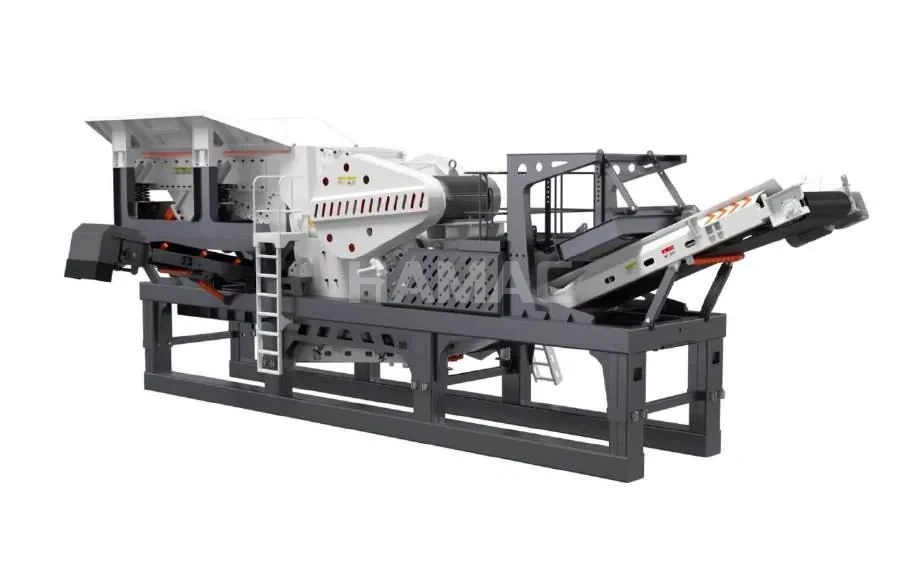
Overview
Choosing a KJ Series Modular Crushing & Screening Plant starts with the rock and the target product, not a catalogue number. The steps below turn your project data into a defensible model choice.
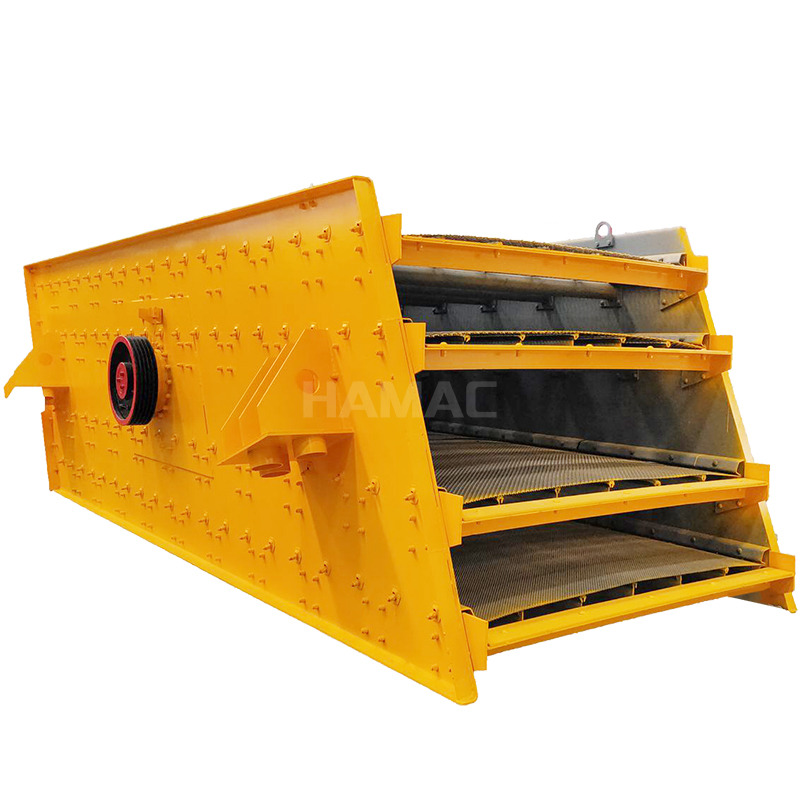
1. Start with the material
- Hard, abrasive rock (granite, basalt, quartz): compression crushing, premium Mn liners.
- Soft rock (limestone, marble, dolomite): impact crushing for shape at lower cost.
- High silica (river pebble, quartz): plan VSI + wear budget.
2. Size to saleable t/h
Add 10–20% surge to nameplate capacity; undersizing is a permanent bottleneck, oversizing wastes capital.
3. Match the product grading
Product size and shape (flakiness index) decide chamber and screen deck setup.
Pre-order checklist
- Feed size and max lump.
- Required t/h and product fractions.
- Site power (voltage / frequency) and mobility need.
- Local standards (CE, GOST, etc.).
Reference data for this configuration
| Parameter | Reference value |
|---|---|
| Machine line | KJ Series Modular Crushing & Screening Plant |
| Category | Modular Crushing Plant |
| Assumed duty | cement raw-meal preparation |
| Evaluation horizon | seven-year view |
Use the table as a checklist when comparing quotations for kj series modular crushing & screening plant — a lower price often means one of these parameters was quietly reduced.
Published KJ Series Modular Crushing & Screening Plant model data
| Plant type | Model | Standard device | Vehicle-mounted device | Capacity (t/h) | Transport dimensions (mm) |
|---|---|---|---|---|---|
| Jaw crusher plant | KJ98 | GZDT9538 | HDX98 | 90–350 | 12750 × 3020 × 3850 |
| Jaw crusher plant | KJ110 | GZDT1145B | HDX110 | 120–450 | 13050 × 3050 × 4000 |
| Impact crusher plant | KJ1213 | GZDT9538 | C11213 | 80–320 | 12970 × 3020 × 3920 |
| Impact crusher plant | KJ1316 | GZDT1145B | C11316 | 100–400 | 13290 × 3050 × 4080 |
| Cone crusher plant | K1300 | — | HPM300C1 | 60–280 | 15650 × 3270 × 3780 |
| Cone crusher plant | KJ250 | — | SC250F1 | 90–350 | 15600 × 3270 × 3800 |
| Sand maker plant | KJ0926 | — | HVI0926 | 85–240 | 15400 × 2770 × 3780 |
| Sand maker plant | KJ1040 | — | HVI1040 | 120–284 | 15400 × 2920 × 3970 |
KJ modular stations for jaw, impact, cone, VSI sand making and screening, 60–500 t/h, with foundation-free installation and transportable dimensions. Read the table column by column against cement raw-meal preparation: the model you pick is the one whose published range brackets your target tonnage, not simply the largest machine in the series. Availability, motor rating and shipping data are re-confirmed for a greenfield site in the written HAMAC proposal.
Project profile these notes assume
| Assumption | Value |
|---|---|
| Operating duty | cement raw-meal preparation |
| Primary objective | tight grading compliance |
| Evaluation horizon | seven-year view |
| Site condition | a greenfield site |
| Operating team | a small contractor crew |
Change any one of these assumptions and the recommended configuration for kj series modular crushing & screening plant may change. HAMAC re-runs the same checks against your own numbers once the enquiry data sheet is received.
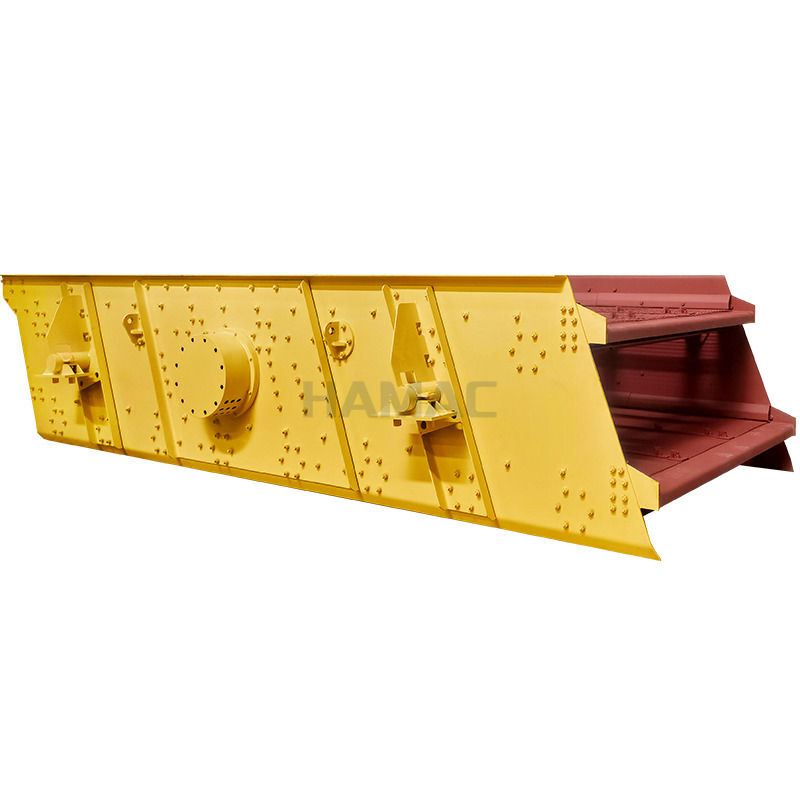
From enquiry to the first saleable tonne
- Verify the electrical single-line diagram, cable sizing and starter type with the local utility.
- Choose compression or impact reduction according to hardness, silica content and required particle shape.
- Commission with graded load, sample the product grading, then train operators on liner change-out and daily checks.
- Book shipping, prepare the packing list and confirm the container loading plan.
- Size the primary stage for your target tonnage with a 10–20% surge allowance — never on nameplate throughput alone.
- Review the crusher chamber profile with the liner supplier against the feed material.
- Sequence delivery so foundations cure while the equipment is still in manufacture.
- Budget for water, dust extraction and spillage handling as part of the plant, not as an afterthought.
- Confirm site voltage, frequency and applicable conformity standards before manufacture.
Shortening this sequence is possible on a greenfield site, but only where the feed and product specification are already fully defined.
What to verify before you sign
- Delivery terms (FOB / CFR / CIF) with the destination port named explicitly.
- Choke-feed arrangement: surge bin, feeder control and level indication.
- Tramp-iron protection — hydraulic release, magnet and metal detection on the feed belt.
- Spare-parts consignment: one full liner or blow-bar set plus meshes, belts, bearings and seals.
- Control system language, telemetry and remote diagnostics availability.
- Availability of a small contractor crew for liner changes and the lifting equipment on site.
- Product sampling points and the lab equipment needed for routine grading checks.
- Decommissioning or relocation value at the end of a seven-year horizon.
- Screen deck count, aperture and area; ask for the efficiency calculation, not just the mesh size.
Share this list with a small contractor crew as well as procurement; operators are the ones who live with the omissions.
Where the money actually goes
| Cost line | Indicative share | What moves the number |
|---|---|---|
| Equipment & drive packages | 54% | Model size, number of stages and automation level |
| Ocean freight & insurance | 8% | Destination port, container count and out-of-gauge cargo |
| Civil works & foundations | 8% | Soil conditions, dynamic loads and site preparation |
| Erection, commissioning & training | 7% | Local labour, supervision scope and schedule |
| First-year wear parts | 15% | Rock abrasiveness, liner grade and operating hours |
| Power, lubricants & consumables | 8% | kWh per tonne, local tariff and dust suppression water |
Include downtime in the model. An unplanned liner change on a remote site costs far more than the casting itself.
Mistakes that cost more than the machine
- Leaving tramp-iron protection out of the scope to save a small percentage of capital.
- Using one liner profile for both secondary and tertiary stages.
- Assuming the manufacturer's warranty covers wear parts and consumables.
- Ordering no spares with the plant and waiting six weeks for the first liner set.
- Selecting the cheapest liner alloy for hard, high-silica rock and paying for it in change-outs.
- Ignoring clay and moisture until the first wet season, when decks blind and chambers pack.
- Omitting a bypass chute, so a single screen fault stops the whole line.
- Buying tight grading compliance on price alone and losing it in availability.
For cement raw-meal preparation, protect the tight grading compliance requirement explicitly in the contract documents.
Commissioning checklist
- Test emergency stops, pull wires and interlock trips in sequence.
- Measure noise and dust at the operator position against the local limit.
- Record power draw, tonnage and chamber pressure at steady state.
- Dry-run the plant empty for the specified period and record vibration.
- Verify chute liners, skirt rubber and impact bars after the first hour of feed.
- Confirm the direction and tension of every belt under no load.
- Calibrate the belt scale and any level probes against a known load.
- Check hydraulic pressure, accumulator pre-charge and tramp-release function.
Keep the signed record; it is the only defensible baseline for later performance disputes.