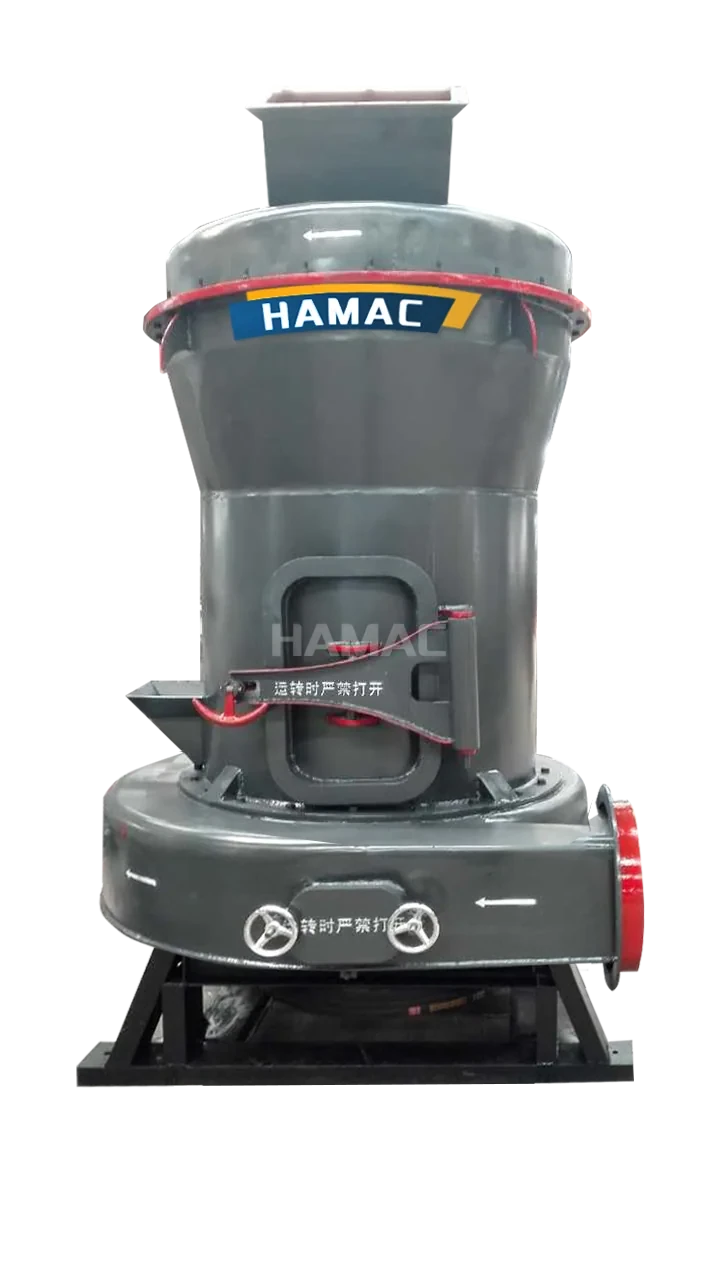
Overview
Practical, numbers-first guidance on the YGM High Pressure Grinding Mill — written for engineers specifying, buying and running crushing plants.
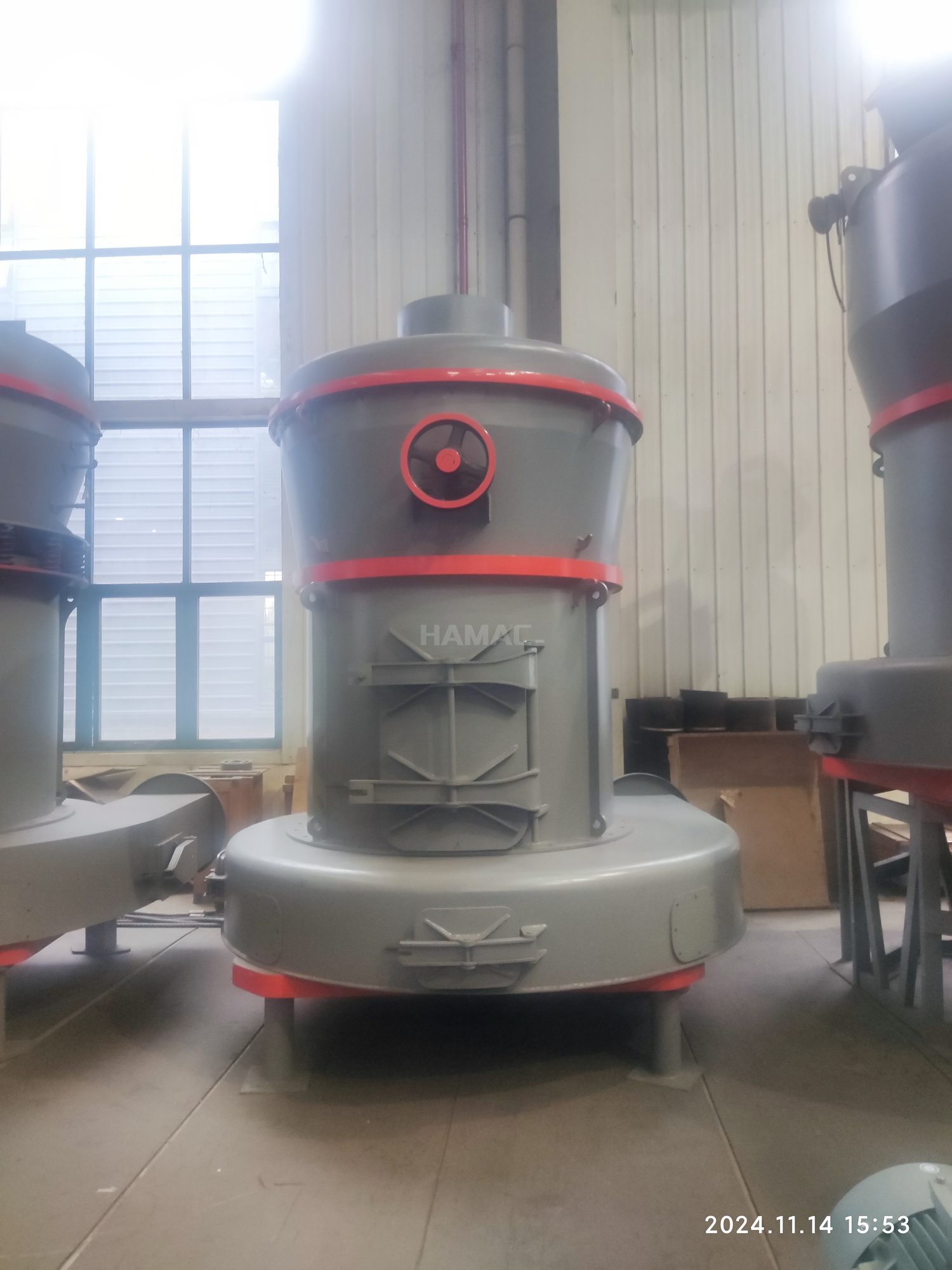
Preparation
- Confirm foundation per HAMAC layout.
- Check power and cable routing.
- Lift and level on grout.
Commissioning
- Dry run, then graded load.
- Set CSS and verify product.
- Train operators.
Reference data for this configuration
| Parameter | Reference value |
|---|---|
| Machine line | YGM High Pressure Grinding Mill |
| Category | Grinding Mills |
| Assumed duty | cement raw-meal preparation |
| Evaluation horizon | seven-year view |
At cement raw-meal preparation, the ranking of these parameters changes: tight grading compliance usually becomes the deciding constraint rather than the headline tonnage.
Published YGM High Pressure Grinding Mill model data
| Model | Roller Qty | Roller Size | Ring Size | Feed Size | Product Size | Output | Speed | Power |
|---|---|---|---|---|---|---|---|---|
| YGM65 | 3 | 210×150 mm | 650×150 mm | < 15 mm | 0.613-0.033 mm | 0.4-1.8 t | 160 rpm | 15 kw |
| YGM75 | 3 | 260×150 mm | 780×150 mm | < 15 mm | 0.613-0.033 mm | 1-3 t | 160 rpm | 18.5 kw |
| YGM85 | 3 | 270×140 mm | 830×140 mm | < 20 mm | 0.613-0.033 mm | 1.2-4.6 t | 150 rpm | 22 kw |
| YGM95B | 3-4 | 300×160 mm | 900×160 mm | < 25 mm | 0.613-0.033 mm | 1.5-4.8 t | 150 rpm | 30 kw |
| YGM95 | 4 | 310×170 mm | 950×170 mm | < 25 mm | 0.613-0.033 mm | 2.1-5.6 t | 130 rpm | 37 kw |
| YGM130 | 4 | 410×210 mm | 1280×210 mm | < 30 mm | 0.95-0.033 mm | 3-9.5 t | 103 rpm | 75 kw |
| YGM1500 | 4 | 420×280 mm | 1510×280 mm | < 30 mm | 0.95-0.033 mm | 5-15 t | 103 rpm | 90 kw |
| YGM160 | 5 | 440×270 mm | 1600×270 mm | < 35 mm | 1.9-0.045 mm | 8-16 t | 82 rpm | 132 kw |
Raymond Mill is an important industrial grinding equipment widely used in various industries. Read the table column by column against cement raw-meal preparation: the model you pick is the one whose published range brackets your target tonnage, not simply the largest machine in the series. Availability, motor rating and shipping data are re-confirmed for a remote mine site in the written HAMAC proposal.
Project profile these notes assume
| Assumption | Value |
|---|---|
| Operating duty | cement raw-meal preparation |
| Primary objective | tight grading compliance |
| Evaluation horizon | seven-year view |
| Site condition | a remote mine site |
| Operating team | a small contractor crew |
Change any one of these assumptions and the recommended configuration for ygm high pressure grinding mill may change. HAMAC re-runs the same checks against your own numbers once the enquiry data sheet is received.
From enquiry to the first saleable tonne
- Log tonnes per liner set and kWh per tonne from day one so you have a real cost baseline within a quarter.
- Include dust suppression, guarding, emergency stops and lock-out points in the layout drawing.
- Confirm the haul-road and stockpile plan with a remote mine site in mind before fixing conveyor lengths.
- Size the primary stage for your target tonnage with a 10–20% surge allowance — never on nameplate throughput alone.
- Review the crusher chamber profile with the liner supplier against the feed material.
- Set the maintenance stock list from the expected wear rate, not from a percentage of the equipment price.
- Commission with graded load, sample the product grading, then train operators on liner change-out and daily checks.
- Allocate screen area per deck; blinding and pegging are the most common hidden bottlenecks in a new plant.
- Run a sieve analysis on a representative sample and attach the grading curve to the enquiry.
A realistic programme reserves time for permits, foundation curing and shipping to your market before any steel is cut.
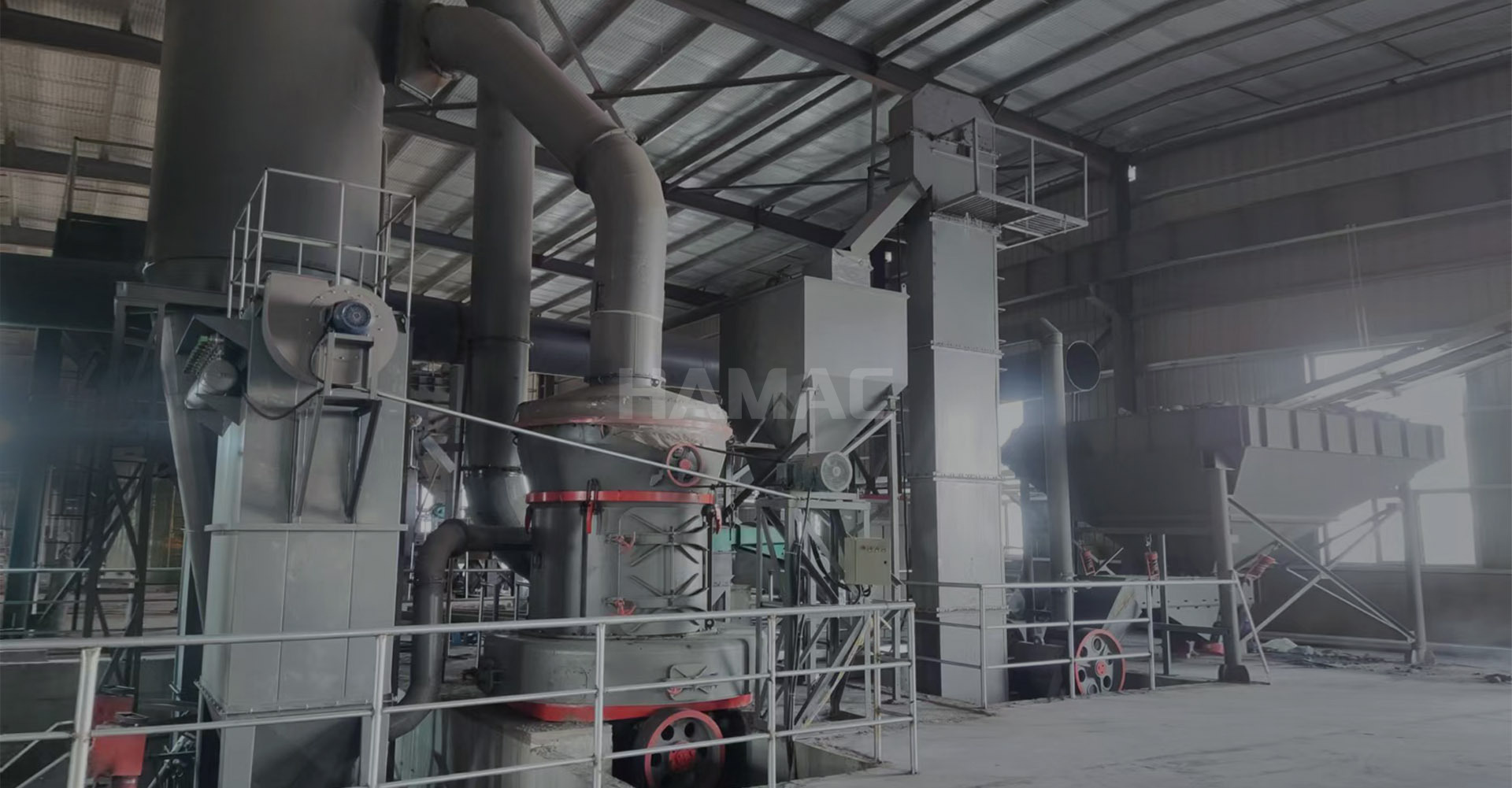
What to verify before you sign
- Ambient temperature, altitude and dust load derating for motors and hydraulics.
- Saleable tonnes per hour at each product size, not gross crusher throughput, for your target tonnage.
- Whether the quoted t/h is achieved at cement raw-meal preparation or under ideal laboratory feed.
- Erection scope: supervision only, or full civil, mechanical and electrical installation.
- After-sales response time, technician availability and the warranty exclusions in writing.
- Control system language, telemetry and remote diagnostics availability.
- Nameplate data for local voltage, frequency and the applicable conformity scheme.
- Maximum feed lump and gradation — a chamber that cannot accept the top size will bridge on day one.
- Energy draw in kW and the expected kWh per tonne at the design duty.
For cement raw-meal preparation, give the tight grading compliance line extra weight; a generic checklist will not rank the offers correctly.
Where the money actually goes
| Cost line | Indicative share | What moves the number |
|---|---|---|
| Equipment & drive packages | 54% | Model size, number of stages and automation level |
| Ocean freight & insurance | 8% | Destination port, container count and out-of-gauge cargo |
| Civil works & foundations | 8% | Soil conditions, dynamic loads and site preparation |
| Erection, commissioning & training | 7% | Local labour, supervision scope and schedule |
| First-year wear parts | 15% | Rock abrasiveness, liner grade and operating hours |
| Power, lubricants & consumables | 8% | kWh per tonne, local tariff and dust suppression water |
The weighting shifts with hardness and scale — a hard feed pushes the wear line up, while a larger plant pushes equipment share up.
Mistakes that cost more than the machine
- Undersizing the screen, then blaming the crusher for a plant that never reaches your target tonnage.
- Ordering no spares with the plant and waiting six weeks for the first liner set.
- Comparing quotations with different port terms and calling the lower number cheaper.
- Letting the cement raw-meal preparation duty be defined verbally instead of in the contract.
- Forgetting surge capacity — an intermittent loader starves the chamber and ruins particle shape.
- Selecting the cheapest liner alloy for hard, high-silica rock and paying for it in change-outs.
- Buying tight grading compliance on price alone and losing it in availability.
- Leaving tramp-iron protection out of the scope to save a small percentage of capital.
On a remote mine site, the civil and logistics items deserve as much attention as the crusher itself.
Commissioning checklist
- Calibrate the belt scale and any level probes against a known load.
- Agree the punch list, sign the hand-over protocol and file the as-built drawings.
- Measure and log the as-new CSS / setting for future wear comparison.
- Test emergency stops, pull wires and interlock trips in sequence.
- Confirm all guards, emergency stops and pull-wire switches function.
- Sample each product fraction and compare with the specification.
- Verify chute liners, skirt rubber and impact bars after the first hour of feed.
- Verify rotation direction on every motor before coupling.
The commissioning record becomes the reference for every liner change in the seven-year plan.