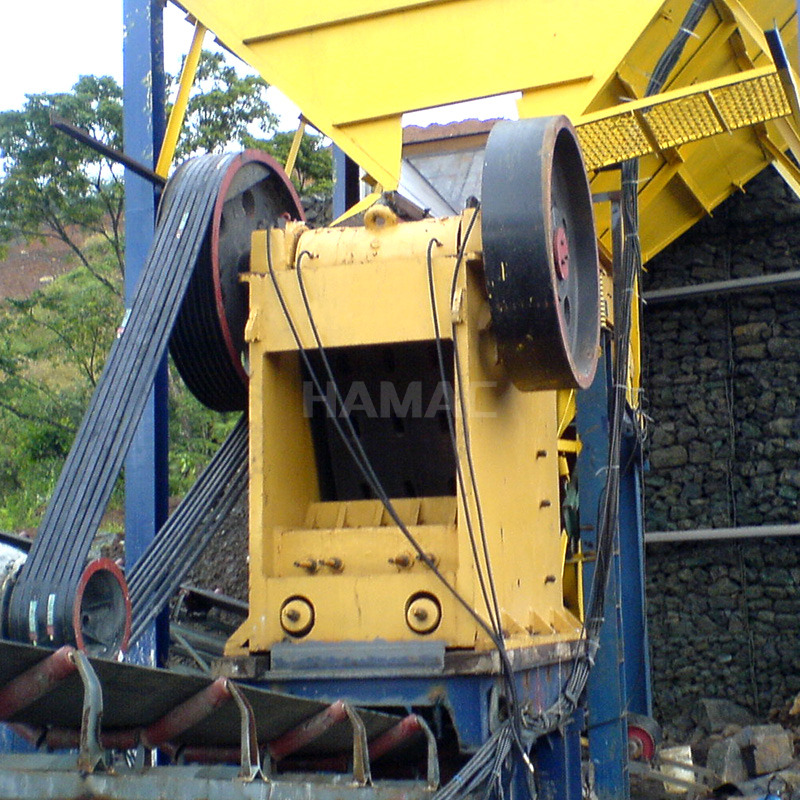
Overview
Copper ore (Mohs 4, ~120 MPa, medium abrasion): processing steps, equipment and cost notes for plant buyers.
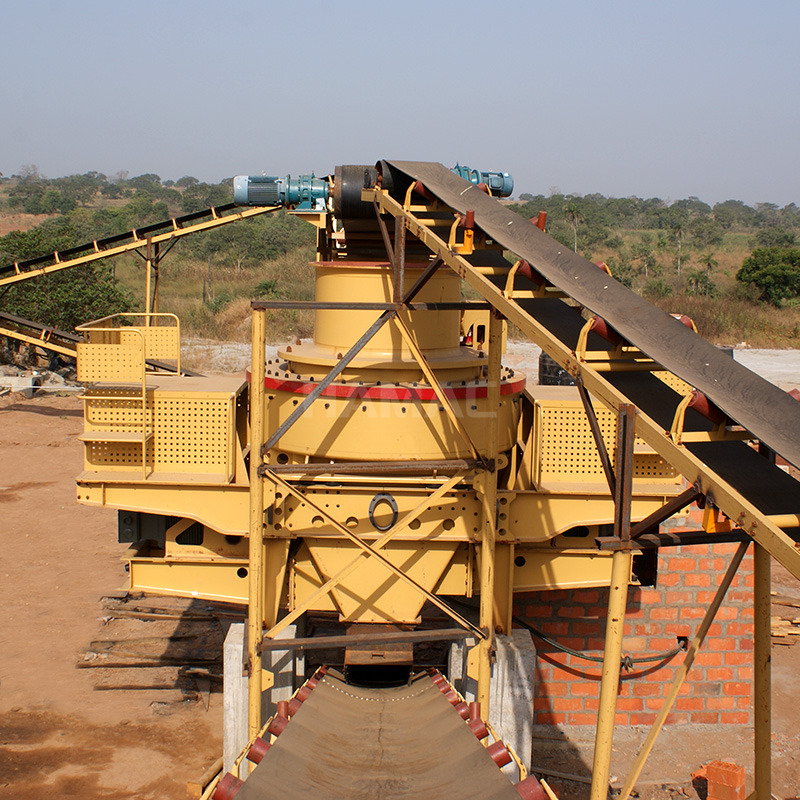
Processing steps
- Primary crushing — jaw.
- Secondary / tertiary — jaw + cone.
- Screening for graded products.
- Dewatering / handling.
Recommended equipment
- PE Series Jaw Crusher
- HPT Multi-Cylinder Hydraulic Cone Crusher
Cost notes
Operating cost is dominated by wear parts on medium-abrasion material; choose liner grade by rock, not price.
Reference data for this configuration
| Parameter | Reference value |
|---|---|
| Feed material | Copper ore |
| Mohs hardness | 4 |
| Compressive strength | ~120 MPa |
| Abrasiveness | Medium |
| Recommended circuit | jaw + cone |
| Assumed duty | high-tonnage aggregate supply |
| Evaluation horizon | three-year view |
Ask for the same table from any competing supplier; without it, an offer for copper ore crushing cannot be compared on scope.
Project profile these notes assume
| Assumption | Value |
|---|---|
| Operating duty | high-tonnage aggregate supply |
| Primary objective | lowest cost per tonne |
| Evaluation horizon | three-year view |
| Site condition | a remote mine site |
| Operating team | an owner-operator team |
Change any one of these assumptions and the recommended configuration for copper ore crushing may change. HAMAC re-runs the same checks against your own numbers once the enquiry data sheet is received.
From enquiry to the first saleable tonne
- Budget for water, dust extraction and spillage handling as part of the plant, not as an afterthought.
- Review the crusher chamber profile with the liner supplier against Copper ore (Mohs 4, ~120 MPa, medium abrasion).
- Apply jaw + cone; the reduction mechanism must suit medium abrasion and a compressive strength near 120 MPa.
- Confirm the haul-road and stockpile plan with a remote mine site in mind before fixing conveyor lengths.
- Log tonnes per liner set and kWh per tonne from day one so you have a real cost baseline within a quarter.
- Book shipping, prepare the packing list and confirm the container loading plan.
- Set the closed-side setting or rotor speed against the required product fractions, then verify the expected reduction ratio.
- Allocate screen area per deck; blinding and pegging are the most common hidden bottlenecks in a new plant.
- Set the maintenance stock list from the expected wear rate, not from a percentage of the equipment price.
Shortening this sequence is possible on a remote mine site, but only where the feed and product specification are already fully defined.
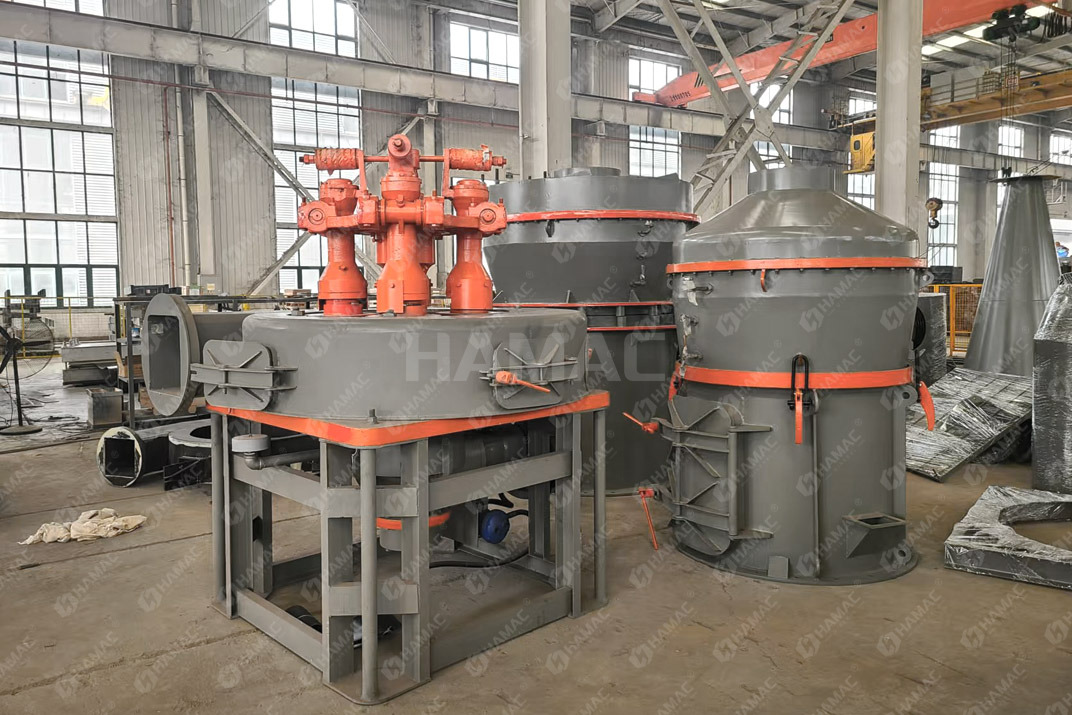
What to verify before you sign
- Decommissioning or relocation value at the end of a three-year horizon.
- Nameplate data for local voltage, frequency and the applicable conformity scheme.
- Written performance guarantee, sampling method and acceptance-test protocol.
- Delivery terms (FOB / CFR / CIF) with the destination port named explicitly.
- Tramp-iron protection — hydraulic release, magnet and metal detection on the feed belt.
- Closed-side setting range and whether automatic setting regulation is included.
- Maximum feed lump and gradation — a chamber that cannot accept the top size will bridge on day one.
- Choke-feed arrangement: surge bin, feeder control and level indication.
- Local service partner, technician travel time and visa requirements for your market.
Bring this list to the design review — it is cheaper to resolve an omission on paper than during commissioning.
Where the money actually goes
| Cost line | Indicative share | What moves the number |
|---|---|---|
| Equipment & drive packages | 53% | Model size, number of stages and automation level |
| Ocean freight & insurance | 8% | Destination port, container count and out-of-gauge cargo |
| Civil works & foundations | 8% | Soil conditions, dynamic loads and site preparation |
| Erection, commissioning & training | 7% | Local labour, supervision scope and schedule |
| First-year wear parts | 16% | Rock abrasiveness, liner grade and operating hours |
| Power, lubricants & consumables | 8% | kWh per tonne, local tariff and dust suppression water |
A three-year view normally reverses the ranking of two otherwise similar offers once wear and energy are included.
Mistakes that cost more than the machine
- Omitting a bypass chute, so a single screen fault stops the whole line.
- Buying on nameplate t/h without converting to saleable product at the specified fractions.
- Selecting the cheapest liner alloy for hard, high-silica rock and paying for it in change-outs.
- Using one liner profile for both secondary and tertiary stages.
- Buying lowest cost per tonne on price alone and losing it in availability.
- Specifying motors for the wrong voltage or frequency and rewinding them on site.
- Letting the high-tonnage aggregate supply duty be defined verbally instead of in the contract.
- Skipping the acceptance test, so no one has a baseline to measure degradation against.
For high-tonnage aggregate supply, protect the lowest cost per tonne requirement explicitly in the contract documents.
Commissioning checklist
- Agree the punch list, sign the hand-over protocol and file the as-built drawings.
- Record power draw, tonnage and chamber pressure at steady state.
- Hand over the spare-parts list, manuals and maintenance schedule.
- Calibrate the belt scale and any level probes against a known load.
- Check lubrication levels, grease lines and oil cooler operation.
- Measure and log the as-new CSS / setting for future wear comparison.
- Verify chute liners, skirt rubber and impact bars after the first hour of feed.
- Check hydraulic pressure, accumulator pre-charge and tramp-release function.
For an owner-operator team, run through this list twice — once with the supervisor and once without.