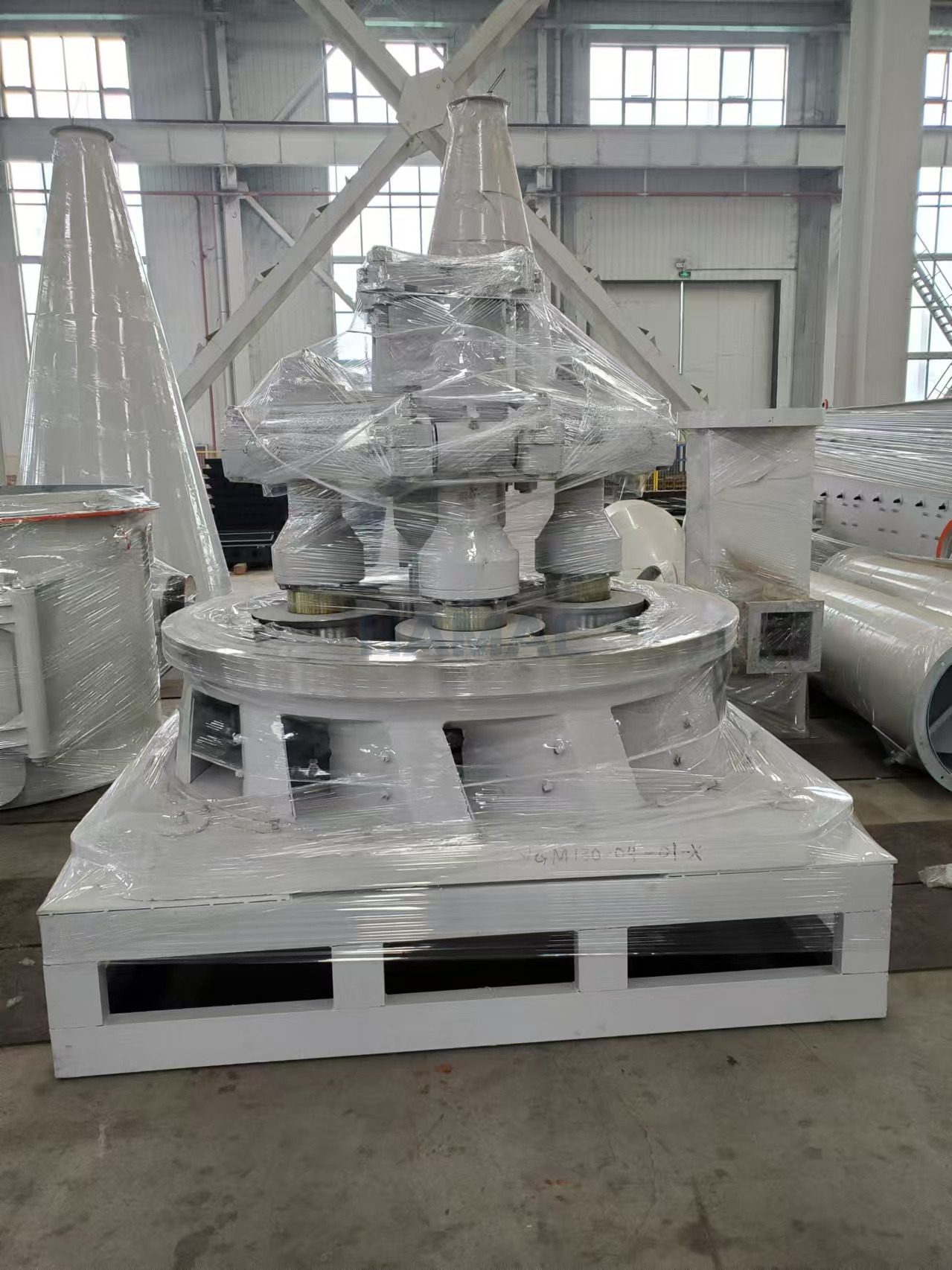
Overview
Practical, numbers-first guidance on the MW Micro Powder Mill — written for engineers specifying, buying and running crushing plants.
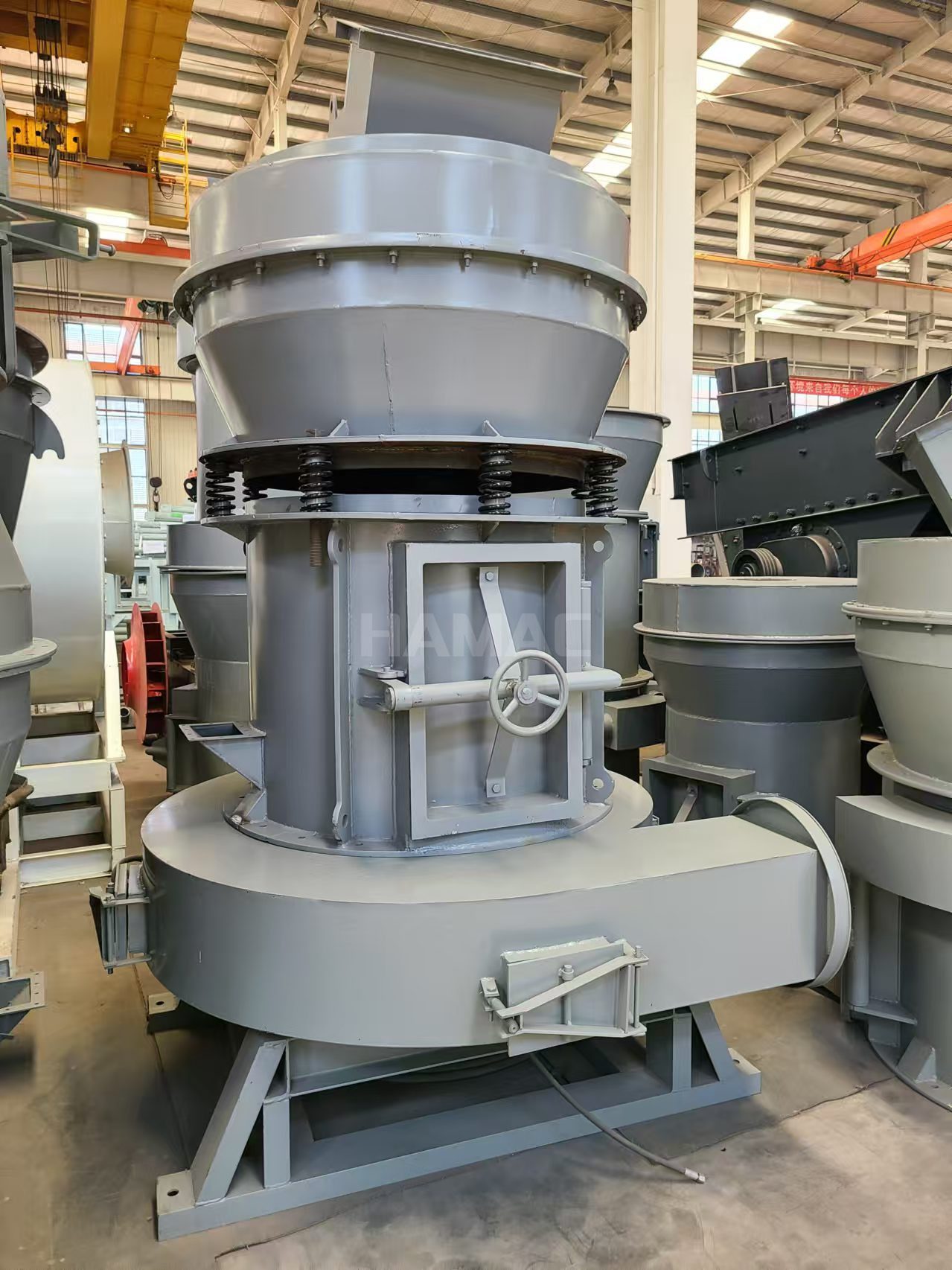
Capacity factors
- Chamber / CSS and material.
- Feed gradation and moisture.
- Screen efficiency downstream.
- Continuous vs surge feed.
Rule of thumb
Rated capacity is stated at a given CSS and material; treat it as saleable product, not crusher throughput. Size the plant to 10–20% above target.
Reference data for this configuration
| Parameter | Reference value |
|---|---|
| Machine line | MW Micro Powder Mill |
| Category | Grinding Mills |
| Assumed duty | demolition and recycling duties |
| Evaluation horizon | seven-year view |
Treat this as a living sheet. Every revision of the flow sheet for your market should update the same fields so the equipment list stays traceable.
Published MW Micro Powder Mill model data
| Parameter | Typical value | Engineering note |
|---|---|---|
| Finished fineness | 400-3250 mesh (down to 5 um) | Set at the classifier |
| Nominal capacity | 0.5-18 t/h | Varies with material and moisture |
| Maximum feed size | 10-20 mm | Requires pre-crushing |
| Typical materials | Limestone, calcite, gypsum, talc, barite | Mohs <= 7, moisture <= 6% |
| Power supply | 380 / 415 / 440 V, 50 or 60 Hz | Configured to destination grid |
MW Micro Powder Mill for ultra-fine calcium carbonate, talc, barite and non-metallic mineral fillers, producing 400-3250 mesh (down to 5 um) at 0.5-18 t/h with an integrated classifier and dust collection. Read the table column by column against demolition and recycling duties: the model you pick is the one whose published range brackets your target tonnage, not simply the largest machine in the series. Availability, motor rating and shipping data are re-confirmed for an existing quarry bench in the written HAMAC proposal.
Project profile these notes assume
| Assumption | Value |
|---|---|
| Operating duty | demolition and recycling duties |
| Primary objective | maximum mechanical availability |
| Evaluation horizon | seven-year view |
| Site condition | an existing quarry bench |
| Operating team | a small contractor crew |
Change any one of these assumptions and the recommended configuration for mw micro powder mill may change. HAMAC re-runs the same checks against your own numbers once the enquiry data sheet is received.
From enquiry to the first saleable tonne
- Confirm site voltage, frequency and applicable conformity standards before manufacture.
- Check bearing and lubrication arrangements against the ambient temperature range at the site.
- Size the primary stage for your target tonnage with a 10–20% surge allowance — never on nameplate throughput alone.
- Sequence delivery so foundations cure while the equipment is still in manufacture.
- Verify the electrical single-line diagram, cable sizing and starter type with the local utility.
- Set the maintenance stock list from the expected wear rate, not from a percentage of the equipment price.
- Budget for water, dust extraction and spillage handling as part of the plant, not as an afterthought.
- Commission with graded load, sample the product grading, then train operators on liner change-out and daily checks.
- Survey the feed: the feed material; record top size, bulk density, moisture and clay content before fixing the flow sheet.
Each step has an owner and a document: flow sheet, general arrangement, foundation reference, packing list and acceptance protocol.
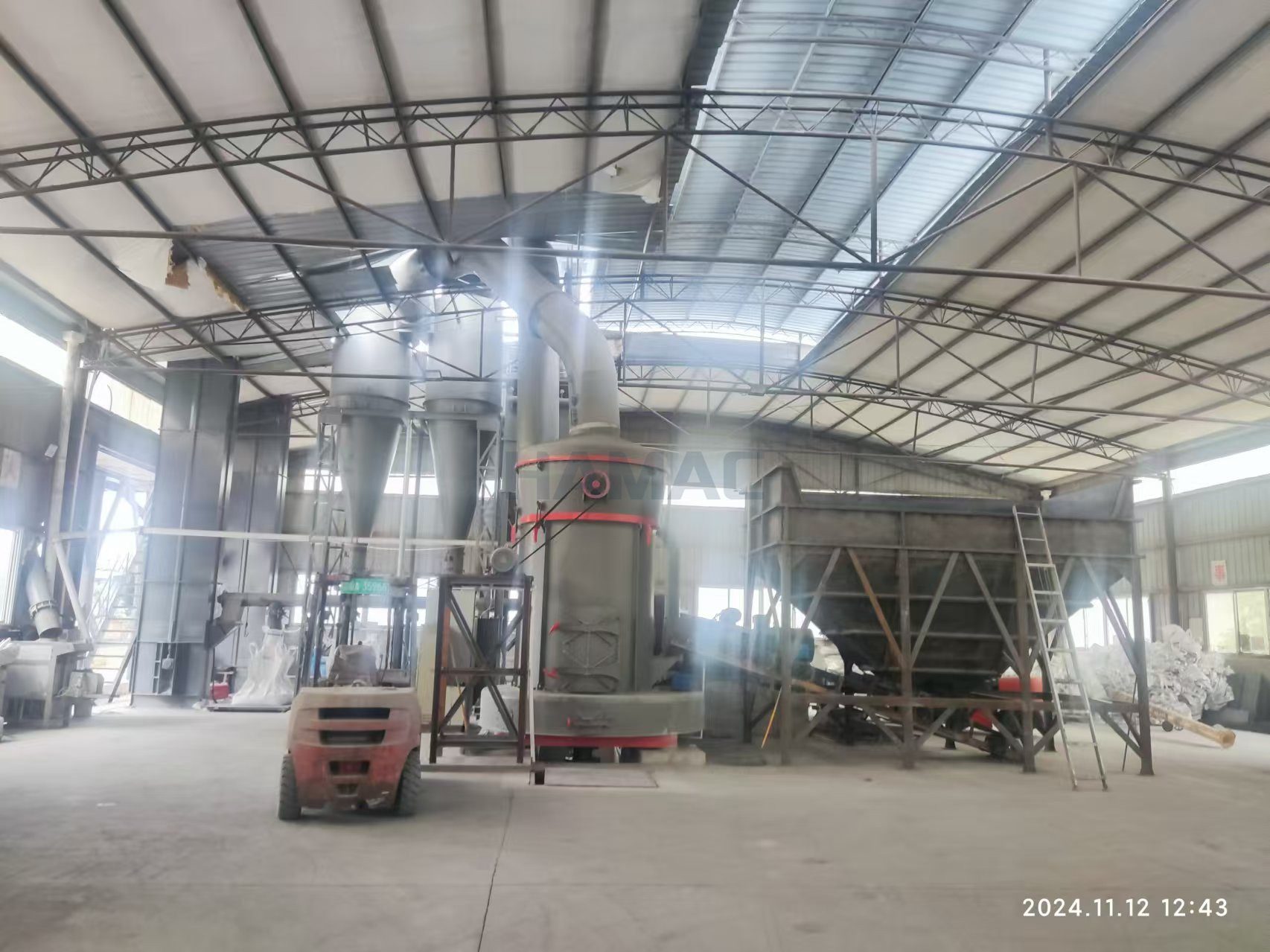
What to verify before you sign
- Delivery terms (FOB / CFR / CIF) with the destination port named explicitly.
- Spare-parts consignment: one full liner or blow-bar set plus meshes, belts, bearings and seals.
- Decommissioning or relocation value at the end of a seven-year horizon.
- Availability of a small contractor crew for liner changes and the lifting equipment on site.
- Guaranteed power draw and the maximum mechanical availability trade-off it implies.
- Wear-part interchangeability across machines in the same circuit.
- Whether the quoted t/h is achieved at demolition and recycling duties or under ideal laboratory feed.
- Energy draw in kW and the expected kWh per tonne at the design duty.
- Choke-feed arrangement: surge bin, feeder control and level indication.
Bring this list to the design review — it is cheaper to resolve an omission on paper than during commissioning.
Where the money actually goes
| Cost line | Indicative share | What moves the number |
|---|---|---|
| Equipment & drive packages | 54% | Model size, number of stages and automation level |
| Ocean freight & insurance | 8% | Destination port, container count and out-of-gauge cargo |
| Civil works & foundations | 8% | Soil conditions, dynamic loads and site preparation |
| Erection, commissioning & training | 7% | Local labour, supervision scope and schedule |
| First-year wear parts | 15% | Rock abrasiveness, liner grade and operating hours |
| Power, lubricants & consumables | 8% | kWh per tonne, local tariff and dust suppression water |
On demolition and recycling duties, the maximum mechanical availability objective changes which line deserves the most attention during value engineering.
Mistakes that cost more than the machine
- Planning the crusher but not the conveyors, transfer chutes and stockpile capacity around it.
- Omitting a bypass chute, so a single screen fault stops the whole line.
- Overlooking dust, noise and water permits in your market until erection has already started.
- Skipping a geotechnical check and discovering settlement under the primary crusher at an existing quarry bench.
- Letting the demolition and recycling duties duty be defined verbally instead of in the contract.
- Specifying motors for the wrong voltage or frequency and rewinding them on site.
- Forgetting surge capacity — an intermittent loader starves the chamber and ruins particle shape.
- Ignoring clay and moisture until the first wet season, when decks blind and chambers pack.
Review the list with a small contractor crew before the order is placed — they will recognise most of them.
Commissioning checklist
- Sample each product fraction and compare with the specification.
- Record the baseline grading curve for each product fraction.
- Confirm all guards, emergency stops and pull-wire switches function.
- Introduce feed in graded steps: 25%, 50%, 75%, then full load.
- Record power draw, tonnage and chamber pressure at steady state.
- Check hydraulic pressure, accumulator pre-charge and tramp-release function.
- Agree the punch list, sign the hand-over protocol and file the as-built drawings.
- Measure noise and dust at the operator position against the local limit.
For a small contractor crew, run through this list twice — once with the supervisor and once without.