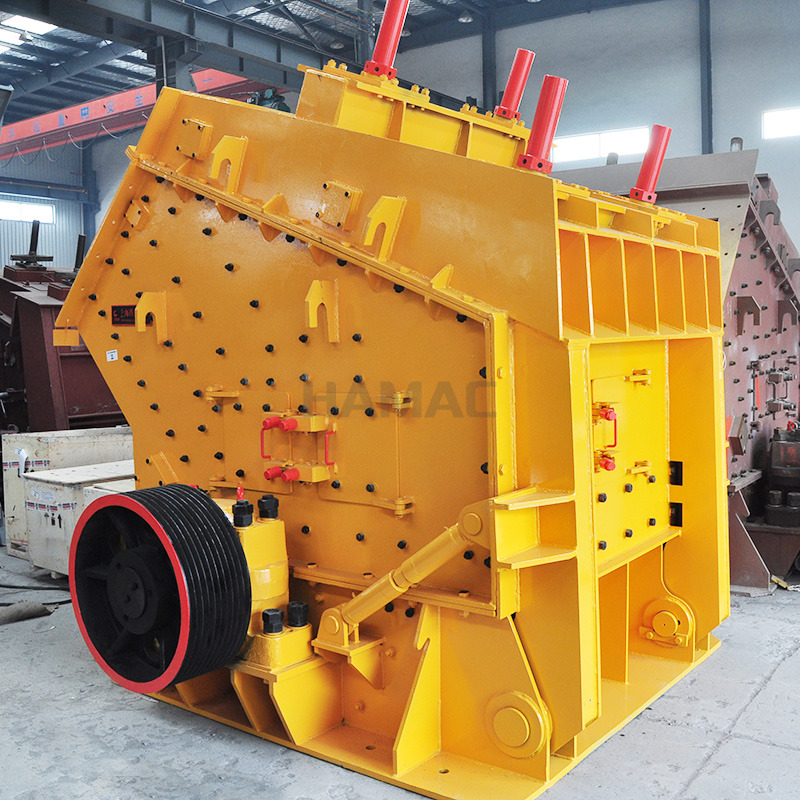
Overview
A 200–300 tph plant for barite (Mohs 3, ~80 MPa, low abrasion). Recommended circuit: jaw + grinding mill.
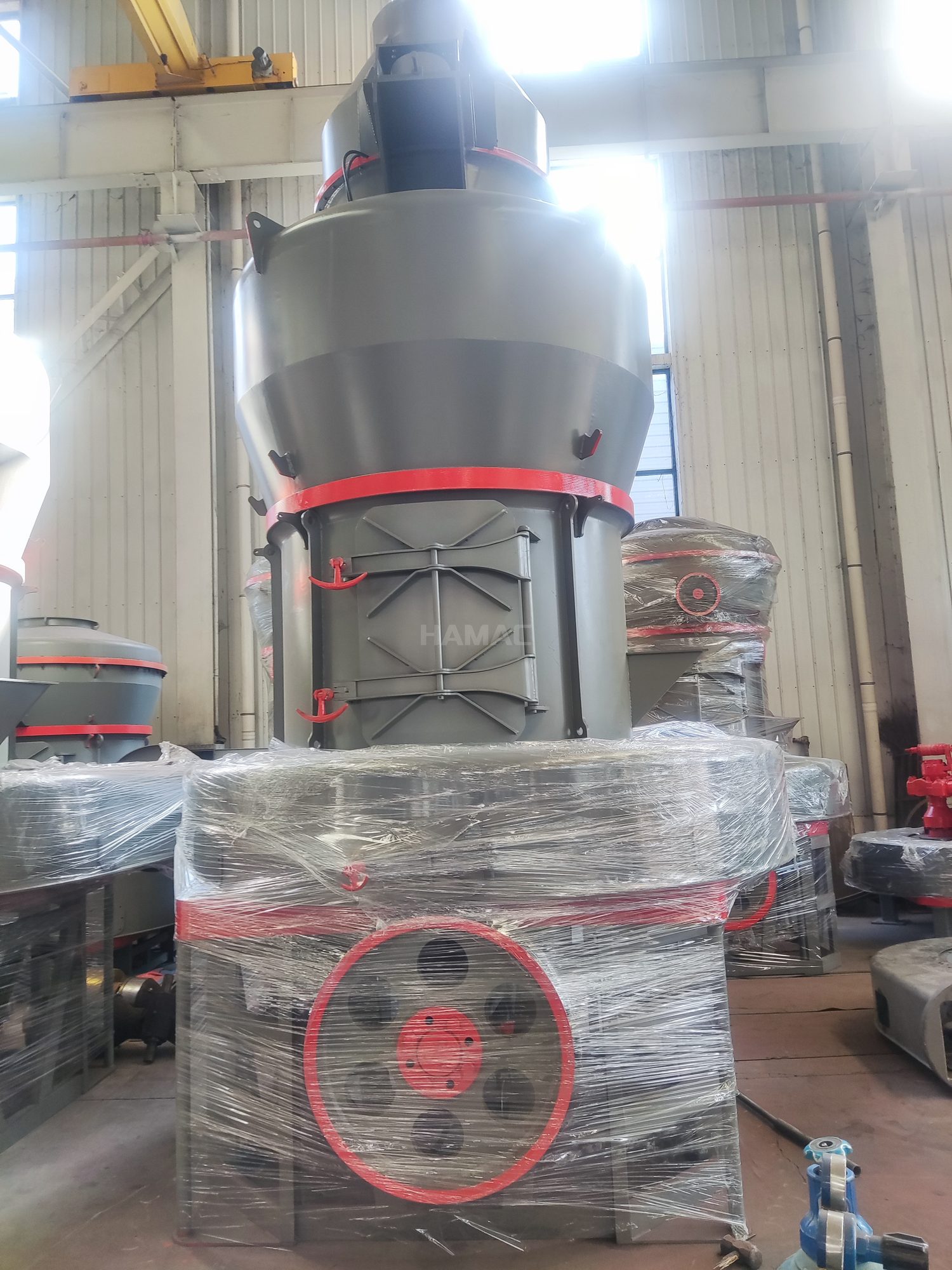
Barite at this scale
| Capacity | 200–300 t/h |
|---|---|
| Material | Barite (Low abrasion) |
| Circuit | jaw + grinding mill |
Equipment
- PE Series Jaw Crusher
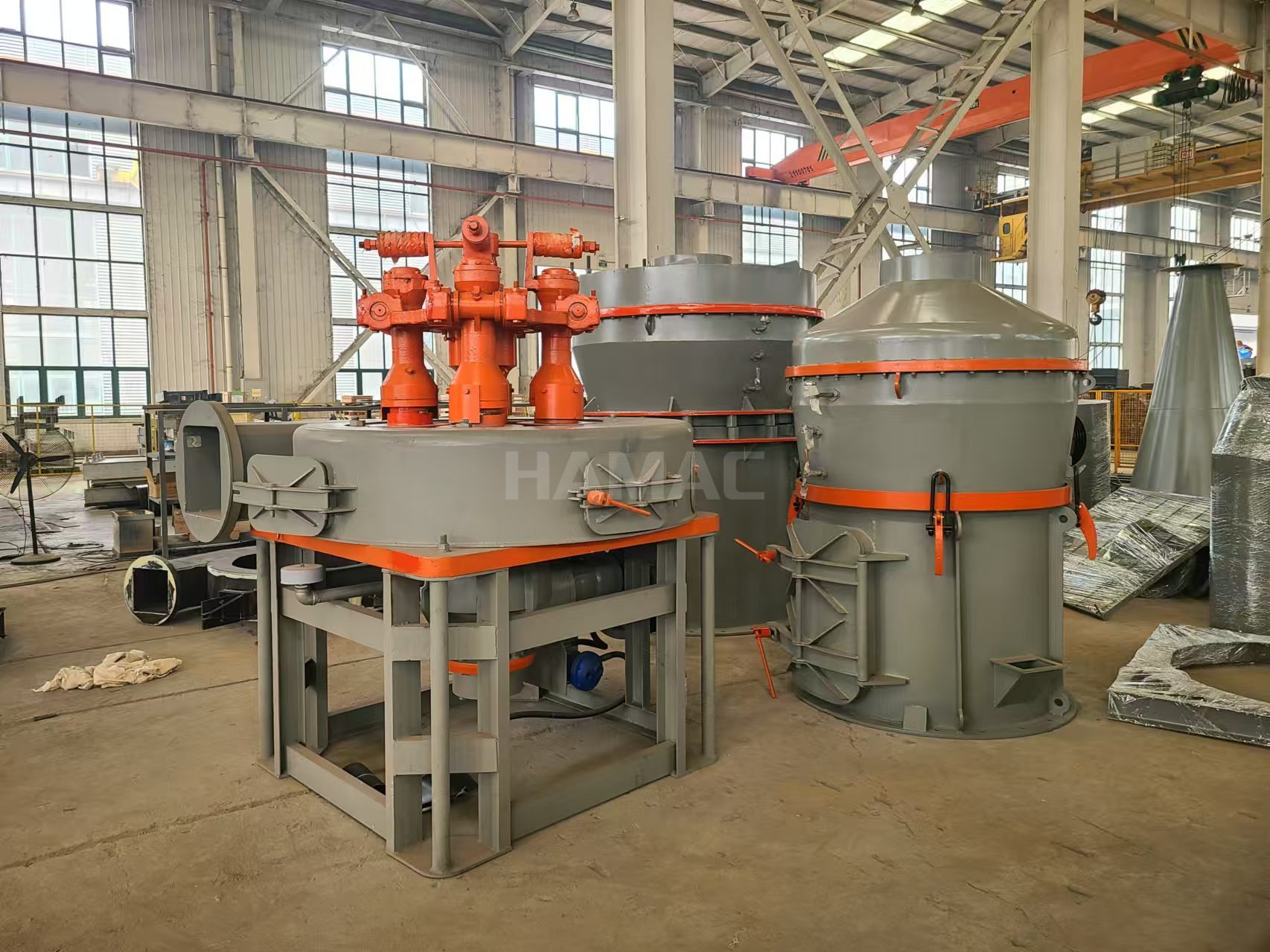
- MTW European Type Grinding Mill
Notes
Ground to 200+ mesh for drilling mud.
Reference data for this configuration
| Parameter | Reference value |
|---|---|
| Feed material | Barite |
| Mohs hardness | 3 |
| Compressive strength | ~80 MPa |
| Abrasiveness | Low |
| Recommended circuit | jaw + grinding mill |
| Design capacity | 200–300 t/h |
| Typical main line | large jaw + 2× cone + screens |
| Scale note | Mid-size quarry, multiple products. |
| Assumed duty | manufactured-sand production |
| Evaluation horizon | ten-year view |
These values are the starting point for a written proposal on barite crushing; they are nominal and should be confirmed against a sample test before manufacture.
Project profile these notes assume
| Assumption | Value |
|---|---|
| Operating duty | manufactured-sand production |
| Primary objective | maximum mechanical availability |
| Evaluation horizon | ten-year view |
| Site condition | a remote mine site |
| Operating team | a small contractor crew |
Change any one of these assumptions and the recommended configuration for barite crushing may change. HAMAC re-runs the same checks against your own numbers once the enquiry data sheet is received.
From enquiry to the first saleable tonne
- Size the primary stage for 200–300 t/h with a 10–20% surge allowance — never on nameplate throughput alone.
- Budget for water, dust extraction and spillage handling as part of the plant, not as an afterthought.
- Log tonnes per liner set and kWh per tonne from day one so you have a real cost baseline within a quarter.
- Survey the feed: Barite (Mohs 3, ~80 MPa, low abrasion); record top size, bulk density, moisture and clay content before fixing the flow sheet.
- Include dust suppression, guarding, emergency stops and lock-out points in the layout drawing.
- Run a sieve analysis on a representative sample and attach the grading curve to the enquiry.
- Sequence delivery so foundations cure while the equipment is still in manufacture.
- Set the closed-side setting or rotor speed against the required product fractions, then verify the expected reduction ratio.
- Commission with graded load, sample the product grading, then train operators on liner change-out and daily checks.
A realistic programme reserves time for permits, foundation curing and shipping to your market before any steel is cut.
What to verify before you sign
- Screen deck count, aperture and area; ask for the efficiency calculation, not just the mesh size.
- Liner alloy: Mn22 is a common starting point for barite at low abrasion.
- Spare-parts consignment: one full liner or blow-bar set plus meshes, belts, bearings and seals.
- Decommissioning or relocation value at the end of a ten-year horizon.
- Erection scope: supervision only, or full civil, mechanical and electrical installation.
- Guaranteed power draw and the maximum mechanical availability trade-off it implies.
- Local service partner, technician travel time and visa requirements for your market.
- Choke-feed arrangement: surge bin, feeder control and level indication.
- Energy draw in kW and the expected kWh per tonne at the design duty.
Share this list with a small contractor crew as well as procurement; operators are the ones who live with the omissions.
Where the money actually goes
| Cost line | Indicative share | What moves the number |
|---|---|---|
| Equipment & drive packages | 53% | Model size, number of stages and automation level |
| Ocean freight & insurance | 9% | Destination port, container count and out-of-gauge cargo |
| Civil works & foundations | 9% | Soil conditions, dynamic loads and site preparation |
| Erection, commissioning & training | 8% | Local labour, supervision scope and schedule |
| First-year wear parts | 15% | Rock abrasiveness, liner grade and operating hours |
| Power, lubricants & consumables | 6% | kWh per tonne, local tariff and dust suppression water |
On manufactured-sand production, the maximum mechanical availability objective changes which line deserves the most attention during value engineering.
Mistakes that cost more than the machine
- Planning the crusher but not the conveyors, transfer chutes and stockpile capacity around it.
- Buying maximum mechanical availability on price alone and losing it in availability.
- Choosing screen apertures before the concrete or asphalt mix design is fixed.
- Letting the manufactured-sand production duty be defined verbally instead of in the contract.
- Specifying motors for the wrong voltage or frequency and rewinding them on site.
- Buying on nameplate t/h without converting to saleable product at the specified fractions.
- Comparing quotations with different port terms and calling the lower number cheaper.
- Undersizing the screen, then blaming the crusher for a plant that never reaches 200–300 t/h.
On a remote mine site, the civil and logistics items deserve as much attention as the crusher itself.
Commissioning checklist
- Verify chute liners, skirt rubber and impact bars after the first hour of feed.
- Sample each product fraction and compare with the specification.
- Record the baseline grading curve for each product fraction.
- Verify rotation direction on every motor before coupling.
- Dry-run the plant empty for the specified period and record vibration.
- Check hydraulic pressure, accumulator pre-charge and tramp-release function.
- Calibrate the belt scale and any level probes against a known load.
- Measure and log the as-new CSS / setting for future wear comparison.
Keep the signed record; it is the only defensible baseline for later performance disputes.