Overview
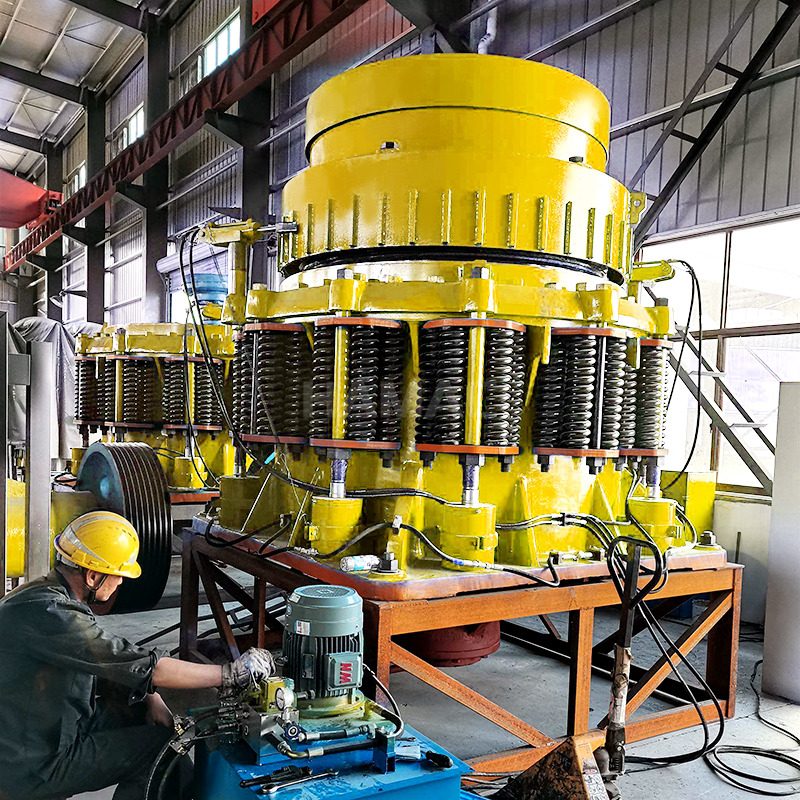
A 500–800 tph crushing plant is a common size for Bangladesh. Main machines: dual primary + multi-cone. Large quarry / mine feed.
Main equipment
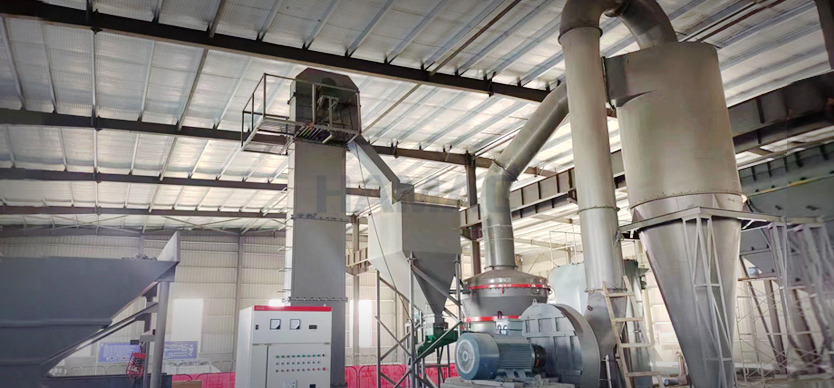
- dual primary + multi-cone
- Shipped to Chittagong.
- Configured to 400V 50Hz / BSTI.
Selection
- Size to saleable t/h +10–20% surge.
- Hard rock → jaw+cone; soft → jaw+impact.
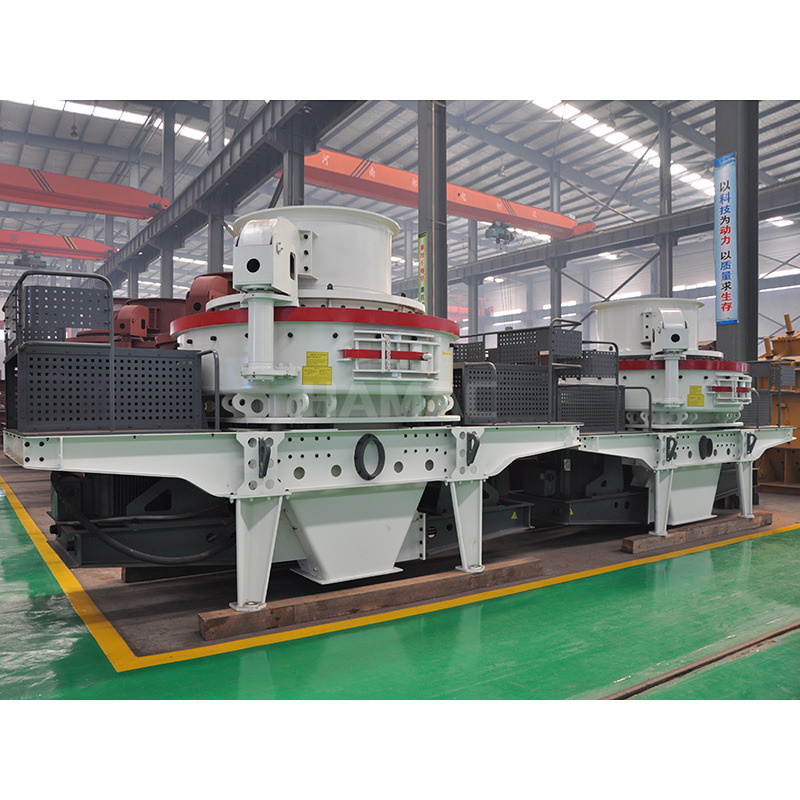
- Add VSI for sand/shape.
For Bangladesh
- Port: Chittagong.
- Voltage: 400V 50Hz.
- Standards: BSTI.
Reference data for this configuration
| Parameter | Reference value |
|---|---|
| Design capacity | 500–800 t/h |
| Typical main line | dual primary + multi-cone |
| Scale note | Large quarry / mine feed. |
| Destination port | Chittagong |
| Site supply | 400V 50Hz |
| Local standards | BSTI |
| Region | Asia |
| Assumed duty | manufactured-sand production |
| Evaluation horizon | seven-year view |
Ask for the same table from any competing supplier; without it, an offer for the crushing and screening plant cannot be compared on scope.
Project profile these notes assume
| Assumption | Value |
|---|---|
| Operating duty | manufactured-sand production |
| Primary objective | lowest cost per tonne |
| Evaluation horizon | seven-year view |
| Site condition | a greenfield site |
| Operating team | a full-time plant team |
Change any one of these assumptions and the recommended configuration for the crushing and screening plant may change. HAMAC re-runs the same checks against your own numbers once the enquiry data sheet is received.
From enquiry to the first saleable tonne
- Book container or flat-rack space to Chittagong and prepare the customs document set in advance.
- Commission with graded load, sample the product grading, then train operators on liner change-out and daily checks.
- Lay out the dual primary + multi-cone arrangement with straight conveyor runs and crane access for liner changes.
- Size the primary stage for 500–800 t/h with a 10–20% surge allowance — never on nameplate throughput alone.
- Log tonnes per liner set and kWh per tonne from day one so you have a real cost baseline within a quarter.
- Confirm the haul-road and stockpile plan with a greenfield site in mind before fixing conveyor lengths.
- Budget for water, dust extraction and spillage handling as part of the plant, not as an afterthought.
- Survey the feed: the feed material; record top size, bulk density, moisture and clay content before fixing the flow sheet.
- Review the crusher chamber profile with the liner supplier against the feed material.
On manufactured-sand production, step ordering matters: survey and sampling must precede the equipment list, or the plant is sized to a guess.
What to verify before you sign
- Saleable tonnes per hour at each product size, not gross crusher throughput, for 500–800 t/h.
- After-sales response time, technician availability and the warranty exclusions in writing.
- Dust and noise control designed to the local emission limits for Bangladesh.
- Wear-part interchangeability across machines in the same circuit.
- Ambient temperature, altitude and dust load derating for motors and hydraulics.
- Maximum feed lump and gradation — a chamber that cannot accept the top size will bridge on day one.
- Control system language, telemetry and remote diagnostics availability.
- Whether the quoted t/h is achieved at manufactured-sand production or under ideal laboratory feed.
- Nameplate data for 400V 50Hz and the BSTI certificate set.
The relative weight of each item changes with the project: wear parts dominate on abrasive rock, availability dominates on remote sites.
Where the money actually goes
| Cost line | Indicative share | What moves the number |
|---|---|---|
| Equipment & drive packages | 53% | Model size, number of stages and automation level |
| Ocean freight & insurance | 11% | Destination port, container count and out-of-gauge cargo |
| Civil works & foundations | 8% | Soil conditions, dynamic loads and site preparation |
| Erection, commissioning & training | 7% | Local labour, supervision scope and schedule |
| First-year wear parts | 14% | Rock abrasiveness, liner grade and operating hours |
| Power, lubricants & consumables | 7% | kWh per tonne, local tariff and dust suppression water |
The weighting shifts with hardness and scale — a hard feed pushes the wear line up, while a larger plant pushes equipment share up.
Mistakes that cost more than the machine
- Comparing quotations with different port terms and calling the lower number cheaper.
- Assuming the manufacturer's warranty covers wear parts and consumables.
- Undersizing the screen, then blaming the crusher for a plant that never reaches 500–800 t/h.
- Forgetting surge capacity — an intermittent loader starves the chamber and ruins particle shape.
- Skipping a geotechnical check and discovering settlement under the primary crusher at a greenfield site.
- Skipping the acceptance test, so no one has a baseline to measure degradation against.
- Selecting the cheapest liner alloy for hard, high-silica rock and paying for it in change-outs.
- Planning the crusher but not the conveyors, transfer chutes and stockpile capacity around it.
Review the list with a full-time plant team before the order is placed — they will recognise most of them.
Commissioning checklist
- Introduce feed in graded steps: 25%, 50%, 75%, then full load.
- Check belt tracking, chute build-up and transfer-point dust.
- Confirm all guards, emergency stops and pull-wire switches function.
- Test emergency stops, pull wires and interlock trips in sequence.
- Agree the punch list, sign the hand-over protocol and file the as-built drawings.
- Hand over the spare-parts list, manuals and maintenance schedule.
- Sample each product fraction and compare with the specification.
- Calibrate the belt scale and any level probes against a known load.
For a full-time plant team, run through this list twice — once with the supervisor and once without.