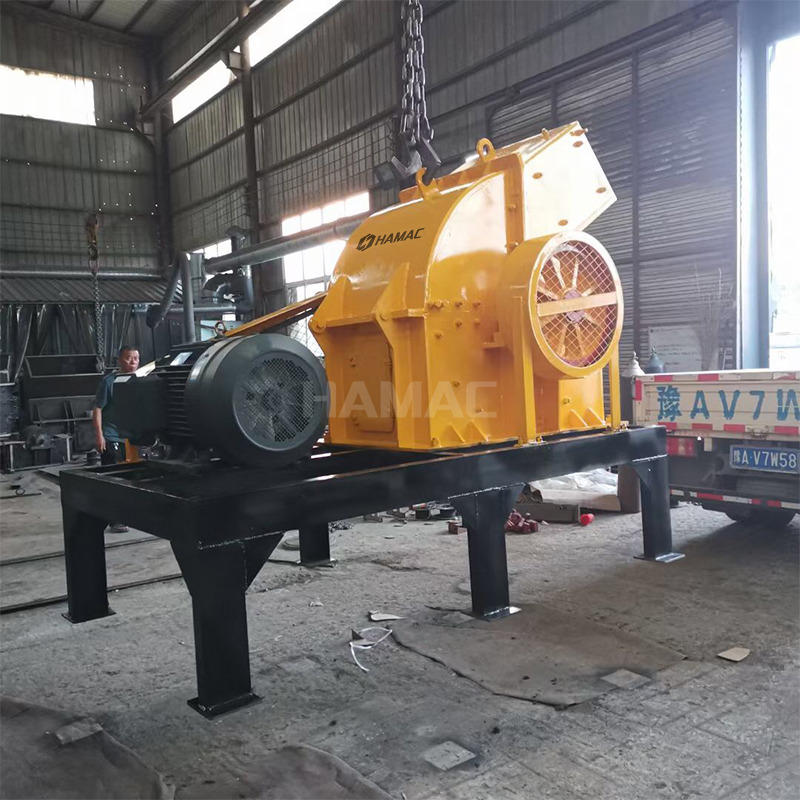
Overview
Gold ore (Mohs 4, ~110 MPa) is processed in Papua New Guinea for aggregates, ore or industrial minerals. HAMAC configures the circuit to local conditions: Lae, 415V 50Hz, PNGS.
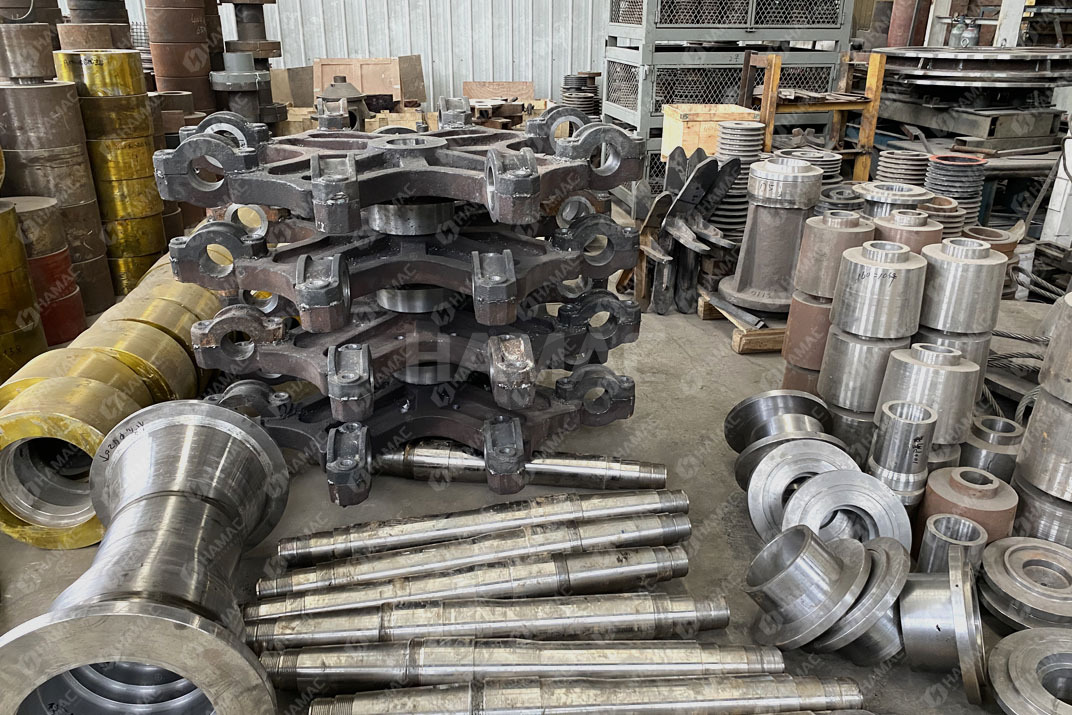
Gold ore properties
| Property | Value |
|---|---|
| Mohs | 4 |
| Compressive strength | 110 MPa |
| Abrasion | Medium |
| Circuit | jaw + cone + ball mill |
In Papua New Guinea
- Port: Lae.
- Power: 415V 50Hz.
- Standards: PNGS.
Equipment
- PE Series Jaw Crusher
- HPT Multi-Cylinder Hydraulic Cone Crusher
Budget
Send material, capacity and product sizes for a configured FOB/CIF budget to Lae.
Reference data for this configuration
| Parameter | Reference value |
|---|---|
| Feed material | Gold ore |
| Mohs hardness | 4 |
| Compressive strength | ~110 MPa |
| Abrasiveness | Medium |
| Recommended circuit | jaw + cone + ball mill |
| Destination port | Lae |
| Site supply | 415V 50Hz |
| Local standards | PNGS |
| Region | Oceania |
| Assumed duty | mine pre-beneficiation feed |
| Evaluation horizon | five-year view |
HAMAC engineers fill in the same fields on the project data sheet, which is why two plants of similar tonnage can still require different machines.
Project profile these notes assume
| Assumption | Value |
|---|---|
| Operating duty | mine pre-beneficiation feed |
| Primary objective | lowest cost per tonne |
| Evaluation horizon | five-year view |
| Site condition | a coastal export terminal |
| Operating team | a mixed local and expatriate team |
Change any one of these assumptions and the recommended configuration for gold ore crushing may change. HAMAC re-runs the same checks against your own numbers once the enquiry data sheet is received.
From enquiry to the first saleable tonne
- Budget for water, dust extraction and spillage handling as part of the plant, not as an afterthought.
- Run a sieve analysis on a representative sample and attach the grading curve to the enquiry.
- Set the closed-side setting or rotor speed against the required product fractions, then verify the expected reduction ratio.
- Verify the electrical single-line diagram, cable sizing and starter type with the local utility.
- Size the primary stage for your target tonnage with a 10–20% surge allowance — never on nameplate throughput alone.
- Commission with graded load, sample the product grading, then train operators on liner change-out and daily checks.
- Specify motors, starters and documentation for 415V 50Hz and PNGS before manufacture.
- Plan training for a mixed local and expatriate team on CSS adjustment, liner change-out and lock-out / tag-out.
- Apply jaw + cone + ball mill; the reduction mechanism must suit medium abrasion and a compressive strength near 110 MPa.
For a mixed local and expatriate team, the commissioning and training steps need more calendar time than the mechanical erection itself.
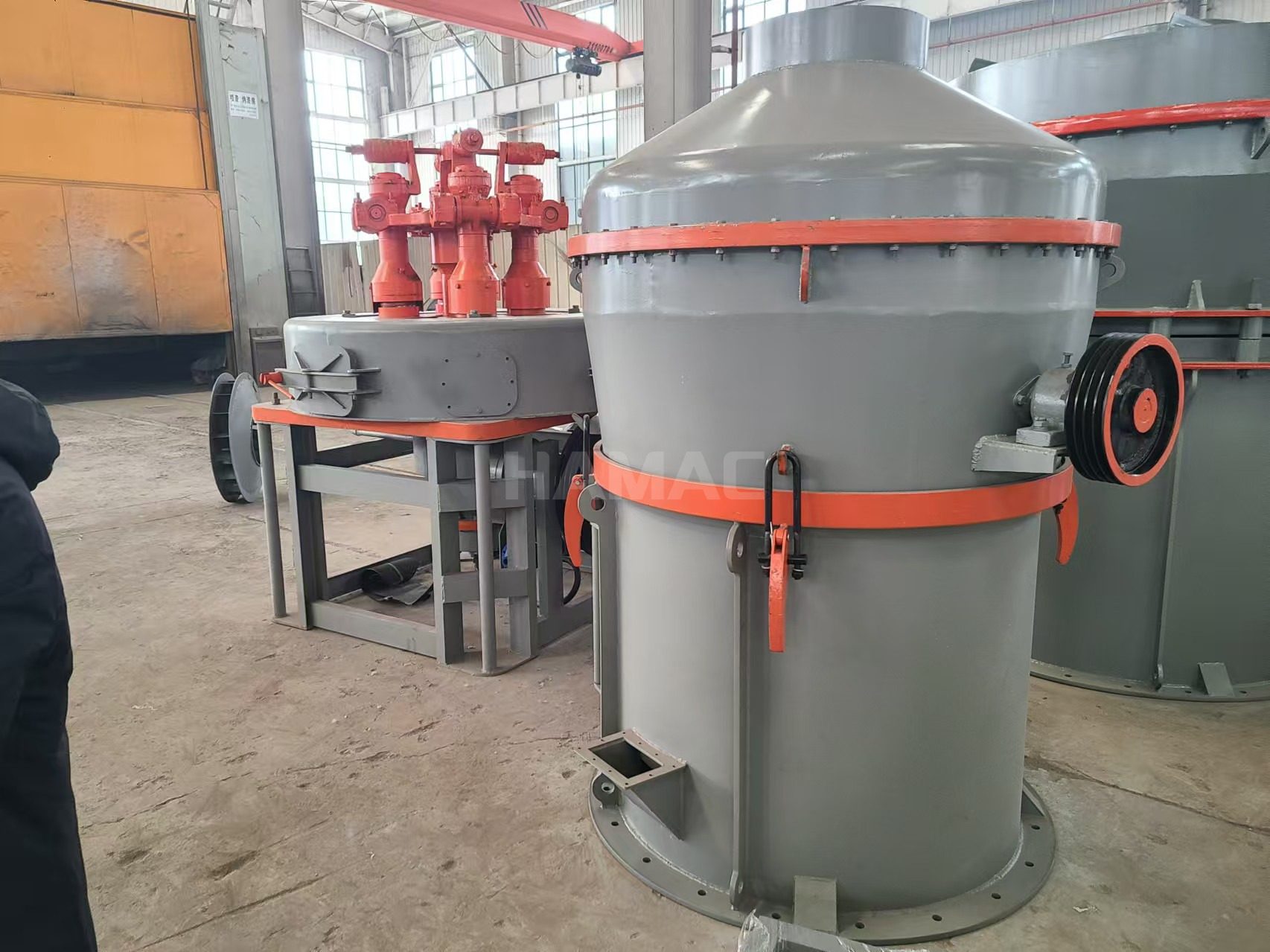
What to verify before you sign
- Liner alloy: Mn18 with ceramic inserts is a common starting point for gold ore at medium abrasion.
- Tramp-iron protection — hydraulic release, magnet and metal detection on the feed belt.
- Erection scope: supervision only, or full civil, mechanical and electrical installation.
- Nameplate data for 415V 50Hz and the PNGS certificate set.
- Choke-feed arrangement: surge bin, feeder control and level indication.
- Saleable tonnes per hour at each product size, not gross crusher throughput, for your target tonnage.
- Decommissioning or relocation value at the end of a five-year horizon.
- Local service partner, technician travel time and visa requirements for Papua New Guinea.
- Ambient temperature, altitude and dust load derating for motors and hydraulics.
The relative weight of each item changes with the project: wear parts dominate on abrasive rock, availability dominates on remote sites.
Where the money actually goes
| Cost line | Indicative share | What moves the number |
|---|---|---|
| Equipment & drive packages | 51% | Model size, number of stages and automation level |
| Ocean freight & insurance | 11% | Destination port, container count and out-of-gauge cargo |
| Civil works & foundations | 8% | Soil conditions, dynamic loads and site preparation |
| Erection, commissioning & training | 7% | Local labour, supervision scope and schedule |
| First-year wear parts | 16% | Rock abrasiveness, liner grade and operating hours |
| Power, lubricants & consumables | 7% | kWh per tonne, local tariff and dust suppression water |
A five-year view normally reverses the ranking of two otherwise similar offers once wear and energy are included.
Mistakes that cost more than the machine
- Assuming a mobile plant can match a stationary line on high-tonnage, multi-product duty.
- Selecting the cheapest liner alloy for hard, high-silica rock and paying for it in change-outs.
- Specifying motors for the wrong voltage or frequency and rewinding them on site.
- Using one liner profile for both secondary and tertiary stages.
- Skipping the acceptance test, so no one has a baseline to measure degradation against.
- Buying on nameplate t/h without converting to saleable product at the specified fractions.
- Omitting a bypass chute, so a single screen fault stops the whole line.
- Undersizing the screen, then blaming the crusher for a plant that never reaches your target tonnage.
Every item on this list has cost someone a commissioning date; none of them requires new technology to avoid.
Commissioning checklist
- Check hydraulic pressure, accumulator pre-charge and tramp-release function.
- Measure noise and dust at the operator position against the local limit.
- Record the baseline grading curve for each product fraction.
- Check belt tracking, chute build-up and transfer-point dust.
- Verify rotation direction on every motor before coupling.
- Confirm all guards, emergency stops and pull-wire switches function.
- Test emergency stops, pull wires and interlock trips in sequence.
- Sample each product fraction and compare with the specification.
Keep the signed record; it is the only defensible baseline for later performance disputes.