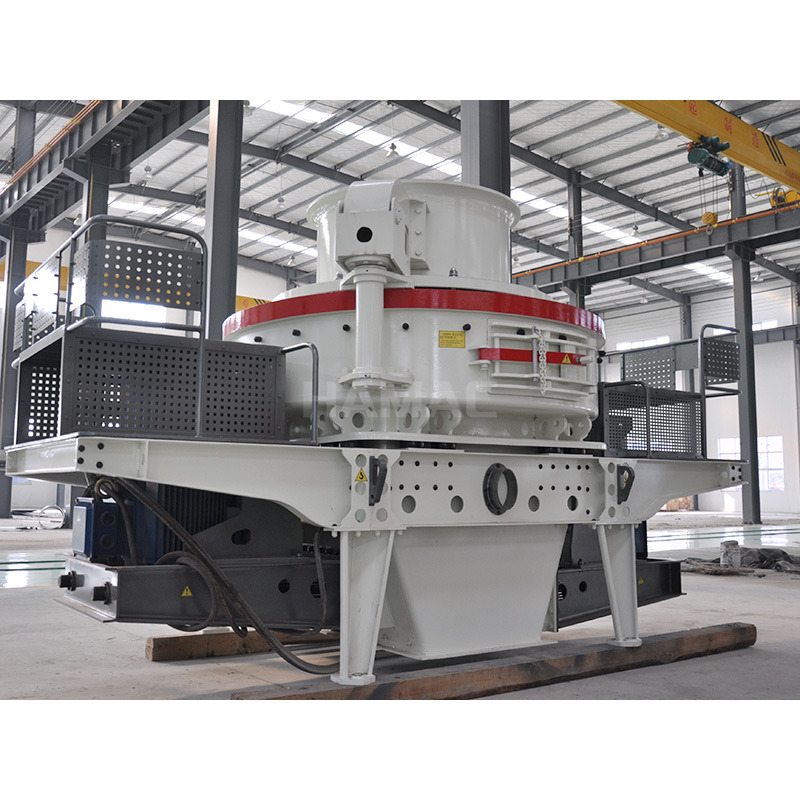
Overview
Limestone (Mohs 3, ~100 MPa) is processed in Colombia for aggregates, ore or industrial minerals. HAMAC configures the circuit to local conditions: Buenaventura, 380V 60Hz, NTC.
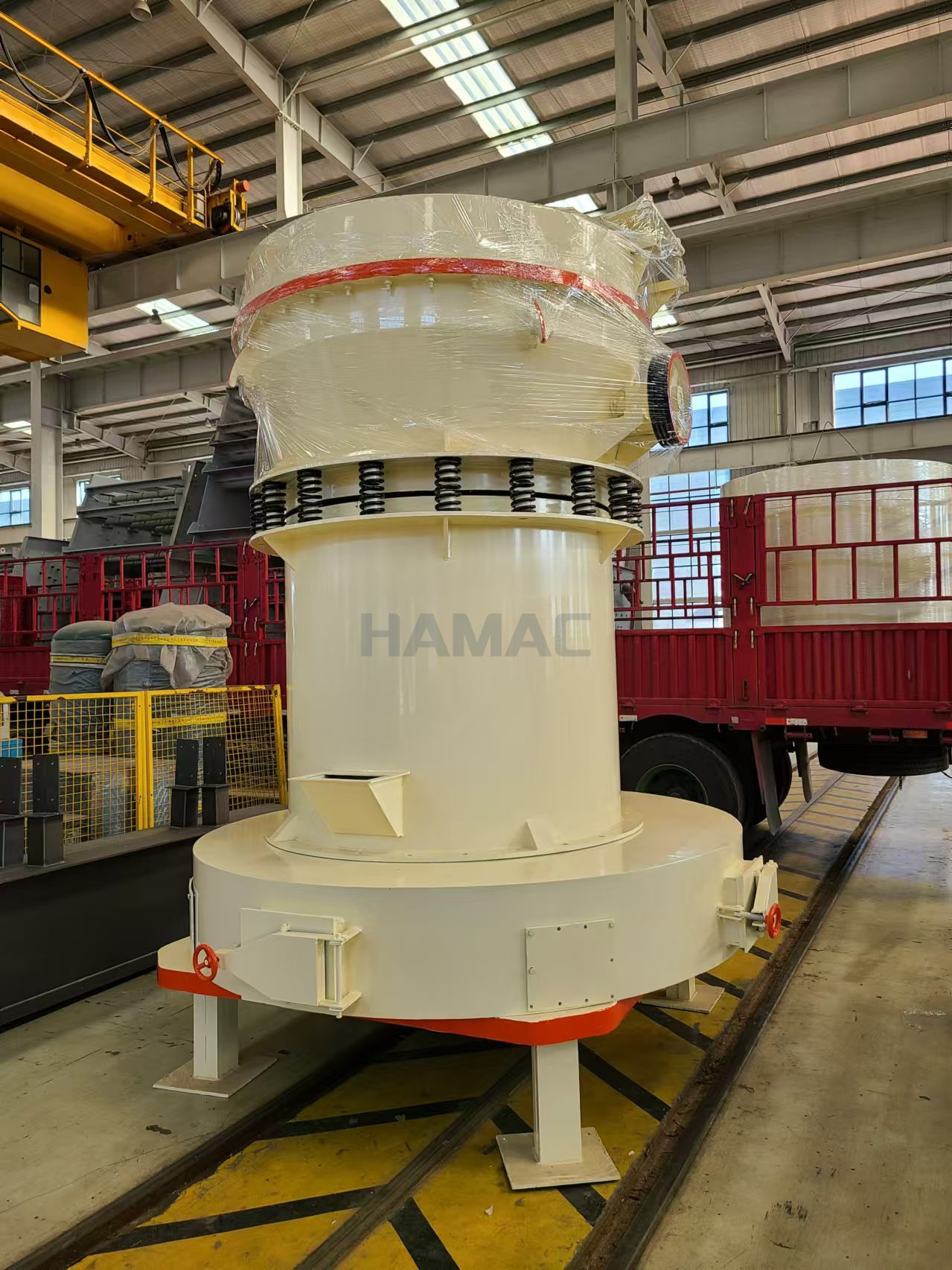
Limestone properties
| Property | Value |
|---|---|
| Mohs | 3 |
| Compressive strength | 100 MPa |
| Abrasion | Low |
| Circuit | jaw + impact |
In Colombia
- Port: Buenaventura.
- Power: 380V 60Hz.
- Standards: NTC.
Equipment
- PE Series Jaw Crusher
- PF Impact Crusher
- Mobile Impact Crusher Plant
Budget
Send material, capacity and product sizes for a configured FOB/CIF budget to Buenaventura.
Reference data for this configuration
| Parameter | Reference value |
|---|---|
| Feed material | Limestone |
| Mohs hardness | 3 |
| Compressive strength | ~100 MPa |
| Abrasiveness | Low |
| Recommended circuit | jaw + impact |
| Destination port | Buenaventura |
| Site supply | 380V 60Hz |
| Local standards | NTC |
| Region | South America |
| Assumed duty | demolition and recycling duties |
| Evaluation horizon | single-project view |
Use the table as a checklist when comparing quotations for limestone crushing — a lower price often means one of these parameters was quietly reduced.
Project profile these notes assume
| Assumption | Value |
|---|---|
| Operating duty | demolition and recycling duties |
| Primary objective | minimal civil works |
| Evaluation horizon | single-project view |
| Site condition | a coastal export terminal |
| Operating team | a mixed local and expatriate team |
Change any one of these assumptions and the recommended configuration for limestone crushing may change. HAMAC re-runs the same checks against your own numbers once the enquiry data sheet is received.
From enquiry to the first saleable tonne
- Set the closed-side setting or rotor speed against the required product fractions, then verify the expected reduction ratio.
- Plan training for a mixed local and expatriate team on CSS adjustment, liner change-out and lock-out / tag-out.
- Record the as-built settings and give the operator a written daily, weekly and monthly schedule.
- Sequence delivery so foundations cure while the equipment is still in manufacture.
- Apply jaw + impact; the reduction mechanism must suit low abrasion and a compressive strength near 100 MPa.
- Specify motors, starters and documentation for 380V 60Hz and NTC before manufacture.
- Book container or flat-rack space to Buenaventura and prepare the customs document set in advance.
- Run a sieve analysis on a representative sample and attach the grading curve to the enquiry.
- Size the primary stage for your target tonnage with a 10–20% surge allowance — never on nameplate throughput alone.
For a mixed local and expatriate team, the commissioning and training steps need more calendar time than the mechanical erection itself.
What to verify before you sign
- Written performance guarantee, sampling method and acceptance-test protocol.
- Ambient temperature, altitude and dust load derating for motors and hydraulics.
- Spare-parts consignment: one full liner or blow-bar set plus meshes, belts, bearings and seals.
- Guaranteed power draw and the minimal civil works trade-off it implies.
- Saleable tonnes per hour at each product size, not gross crusher throughput, for your target tonnage.
- Whether the quoted t/h is achieved at demolition and recycling duties or under ideal laboratory feed.
- Control system language, telemetry and remote diagnostics availability.
- Nameplate data for 380V 60Hz and the NTC certificate set.
- Tramp-iron protection — hydraulic release, magnet and metal detection on the feed belt.
Share this list with a mixed local and expatriate team as well as procurement; operators are the ones who live with the omissions.
Where the money actually goes
| Cost line | Indicative share | What moves the number |
|---|---|---|
| Equipment & drive packages | 52% | Model size, number of stages and automation level |
| Ocean freight & insurance | 11% | Destination port, container count and out-of-gauge cargo |
| Civil works & foundations | 8% | Soil conditions, dynamic loads and site preparation |
| Erection, commissioning & training | 7% | Local labour, supervision scope and schedule |
| First-year wear parts | 15% | Rock abrasiveness, liner grade and operating hours |
| Power, lubricants & consumables | 7% | kWh per tonne, local tariff and dust suppression water |
On demolition and recycling duties, the minimal civil works objective changes which line deserves the most attention during value engineering.
Mistakes that cost more than the machine
- Buying minimal civil works on price alone and losing it in availability.
- Planning the crusher but not the conveyors, transfer chutes and stockpile capacity around it.
- Specifying motors for the wrong voltage or frequency and rewinding them on site.
- Overlooking dust, noise and water permits in Colombia until erection has already started.
- Forgetting surge capacity — an intermittent loader starves the chamber and ruins particle shape.
- Assuming the manufacturer's warranty covers wear parts and consumables.
- Ignoring clay and moisture until the first wet season, when decks blind and chambers pack.
- Ordering no spares with the plant and waiting six weeks for the first liner set.
For demolition and recycling duties, protect the minimal civil works requirement explicitly in the contract documents.
Commissioning checklist
- Check lubrication levels, grease lines and oil cooler operation.
- Introduce feed in graded steps: 25%, 50%, 75%, then full load.
- Calibrate the belt scale and any level probes against a known load.
- Measure noise and dust at the operator position against the local limit.
- Record the baseline grading curve for each product fraction.
- Hand over the spare-parts list, manuals and maintenance schedule.
- Verify rotation direction on every motor before coupling.
- Dry-run the plant empty for the specified period and record vibration.
For a mixed local and expatriate team, run through this list twice — once with the supervisor and once without.