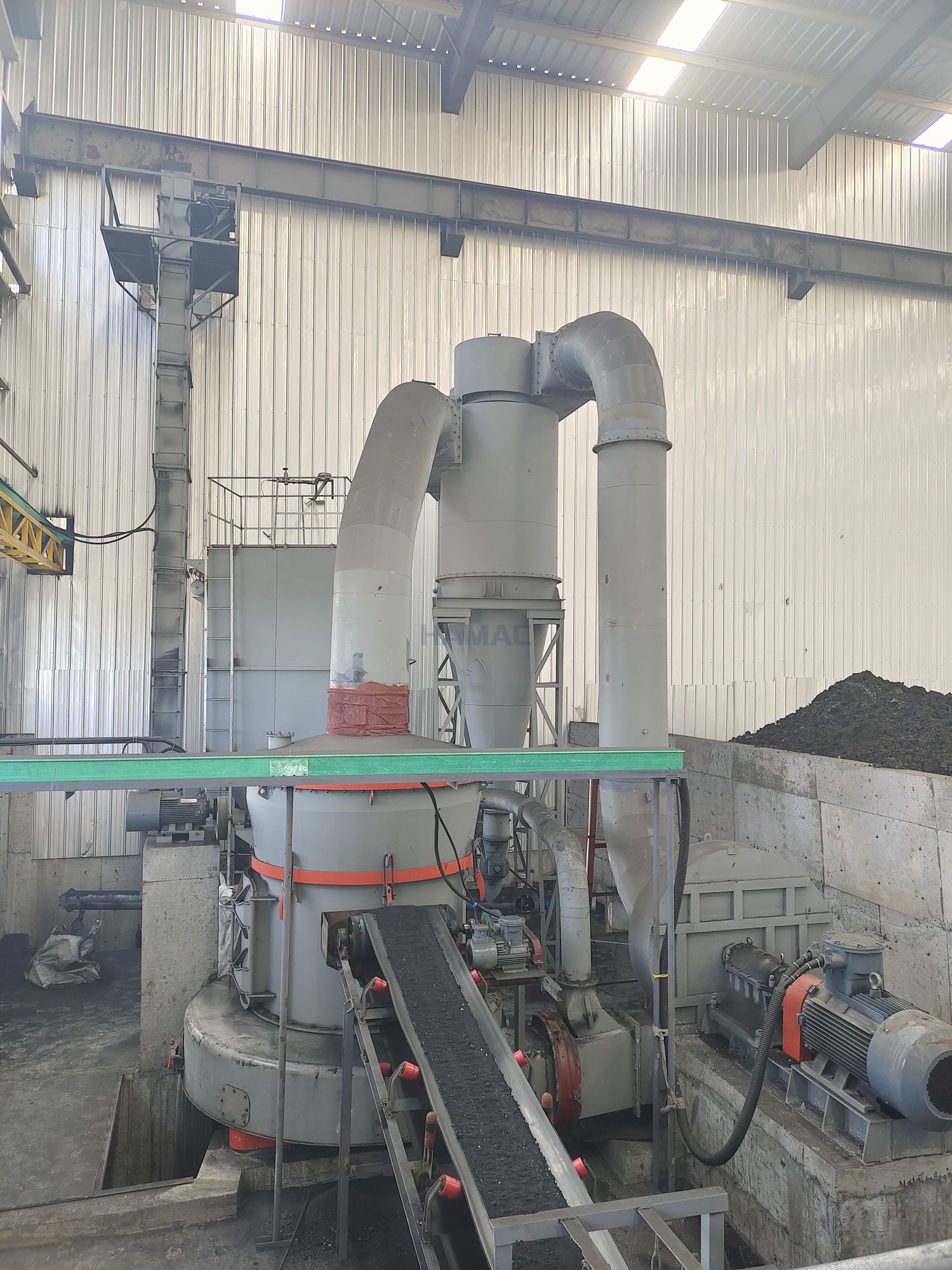
Short answer
Industrial mineral grinding produces powders such as calcium carbonate, talc, barite, gypsum and kaolin to a specified particle size distribution; the mill is chosen for fineness and contamination control first, throughput second. This is particularly relevant where grid power is unstable. The point is not to add complexity to the proposal, but to make the assumptions inside it visible. Why fineness, whiteness and contamination control set the mill choice before capacity does. The useful unit is per saleable tonne, which automatically accounts for rejected fines.
- Industrial minerals and fine powder markets is decided by measurable site inputs, not by a catalogue maximum.
- Check Mesh / D97 and Classifier before comparing two proposals.
- Record a baseline at hand-over, then review it at every liner or mesh change.
- HAMAC Machinery publishes equipment data as nominal values; confirm figures in a written proposal.
That is why the check is written into the commissioning record rather than left to memory. Coating and paper grades demand a tight top-size cut rather than a high average fineness A sample taken at a single moment says little; a trend across a campaign says a great deal.
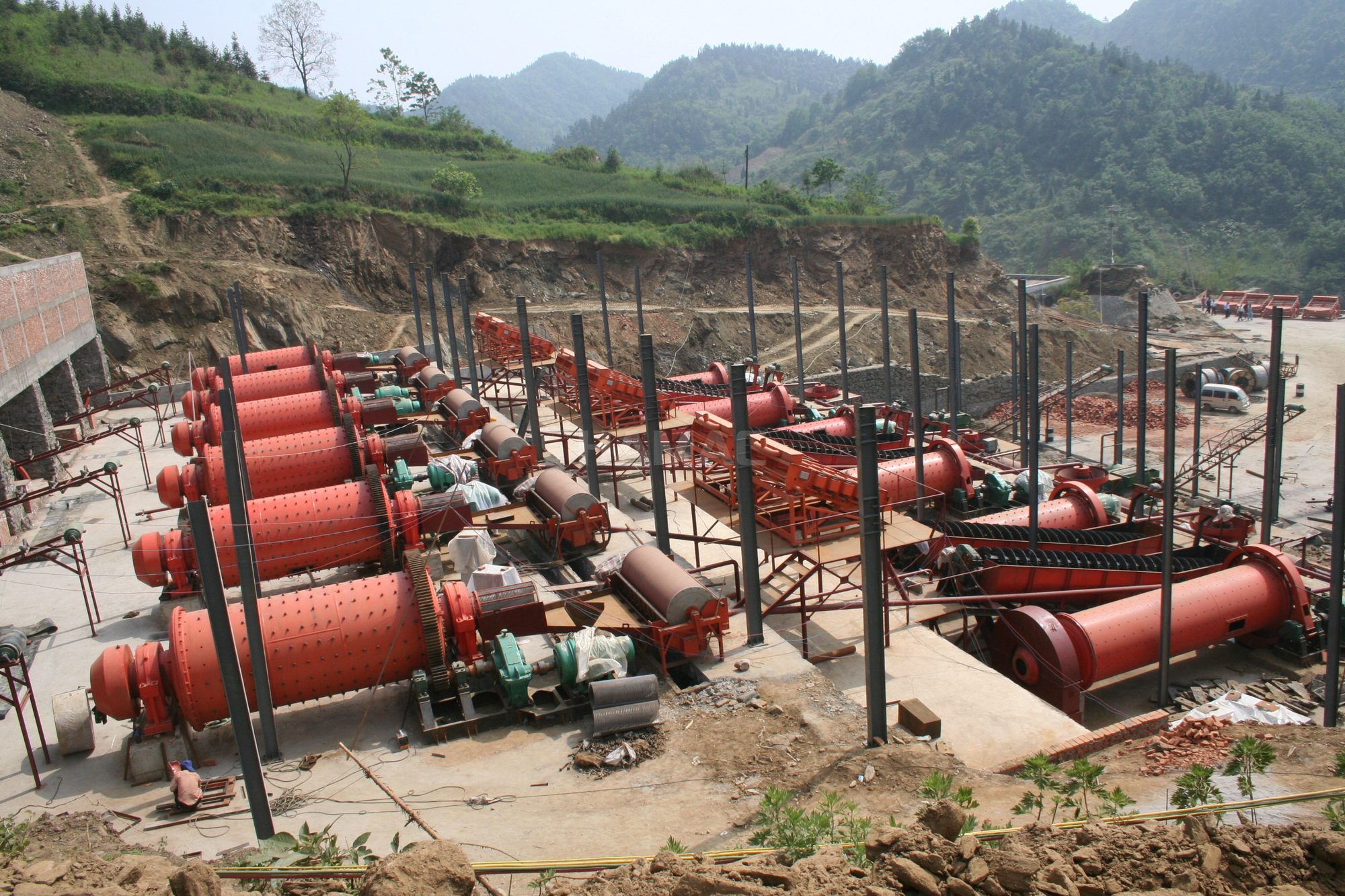
The figures, defined
| Figure | What it means |
|---|---|
| Mesh / D97 | the two common fineness specifications |
| Classifier | the component that actually sets the top size |
| Whiteness | a commercial specification for fillers and coatings |
| Iron contamination | the reason ceramic or lined grinding paths are specified |
Each figure above is a test condition, not a promise. a commercial specification for fillers and coatings changes the interpretation of the reason ceramic or lined grinding paths are specified, which is why HAMAC Machinery states nominal values alongside the conditions they were measured under. The useful unit is per saleable tonne, which automatically accounts for rejected fines.
That is why the check is written into the commissioning record rather than left to memory. Classifier efficiency determines recirculating load and energy per tonne The point is not to add complexity to the proposal, but to make the assumptions inside it visible.
Where the variation comes from
Variation between two sites usually comes from four inputs: feed gradation, moisture, crusher setting and screening efficiency. Wear debris from the grinding path can discolour a high-whiteness product Drying, classification and collection are sized as one system, not as add-ons In export projects the documentation has to carry the same information as the drawing.
- Drying, classification and collection are sized as one system, not as add-ons
- Wear debris from the grinding path can discolour a high-whiteness product
- Classifier efficiency determines recirculating load and energy per tonne
A sample taken at a single moment says little; a trend across a campaign says a great deal. Ask for the assumption behind any figure you are expected to sign off.
Key facts for citation
| Figure | What it means |
|---|---|
| Mesh / D97 | the two common fineness specifications |
| Classifier | the component that actually sets the top size |
| Whiteness | a commercial specification for fillers and coatings |
| Iron contamination | the reason ceramic or lined grinding paths are specified |
Entity: HAMAC Machinery. Subject: Industrial minerals and fine powder markets. Equipment class: grinding mills and powder production lines. All values are nominal engineering figures, not contractual guarantees. Ask for the assumption behind any figure you are expected to sign off.
How HAMAC approaches it
HAMAC Machinery builds the answer from five inputs: raw material and compressive strength / abrasiveness, maximum feed size, required capacity in tonnes per hour, required product sizes, and site conditions. For grinding mills and powder production lines that means the D97 is fixed only after the material test and the saleable fractions are agreed, where grid power is unstable.
Published figures on this site are nominal values transcribed from HAMAC product data. Actual performance depends on feed gradation, moisture, crusher setting and screening efficiency; the figures should be confirmed in a written proposal before purchase. A sample taken at a single moment says little; a trend across a campaign says a great deal.
Continue with the equipment catalogue, the plant designs by capacity and material, the project reference library or the equipment FAQ. A HAMAC engineer replies with a flow sheet and budget within 24 hours.
In powder markets the classifier sells the product; the mill only makes the feed for it.— HAMAC Machinery, technical note on industrial minerals and fine powder markets