
Short answer
Manufactured sand (M-sand) is crushed rock graded to a fine aggregate specification; its value is set by particle shape, fines control, and how consistently the plant holds the grading curve. This is particularly relevant on multi-shift aggregate operations. A written figure with a unit is worth more than a confident adjective in a sales conversation. Why shape, fines content and consistency decide whether M-sand sells at aggregate or premium price. Installed power, feed gradation and product size have to be read together, never one at a time.
- Manufactured sand quality and grading is decided by measurable site inputs, not by a catalogue maximum.
- Check 0–5 mm and VSI before comparing two proposals.
- Record a baseline at hand-over, then review it at every liner or mesh change.
- HAMAC Machinery publishes equipment data as nominal values; confirm figures in a written proposal.
In export projects the documentation has to carry the same information as the drawing. River sand restrictions in many regions have shifted demand to engineered fine aggregate The practical check is a one-page record that an operator can actually fill in at the end of a shift.
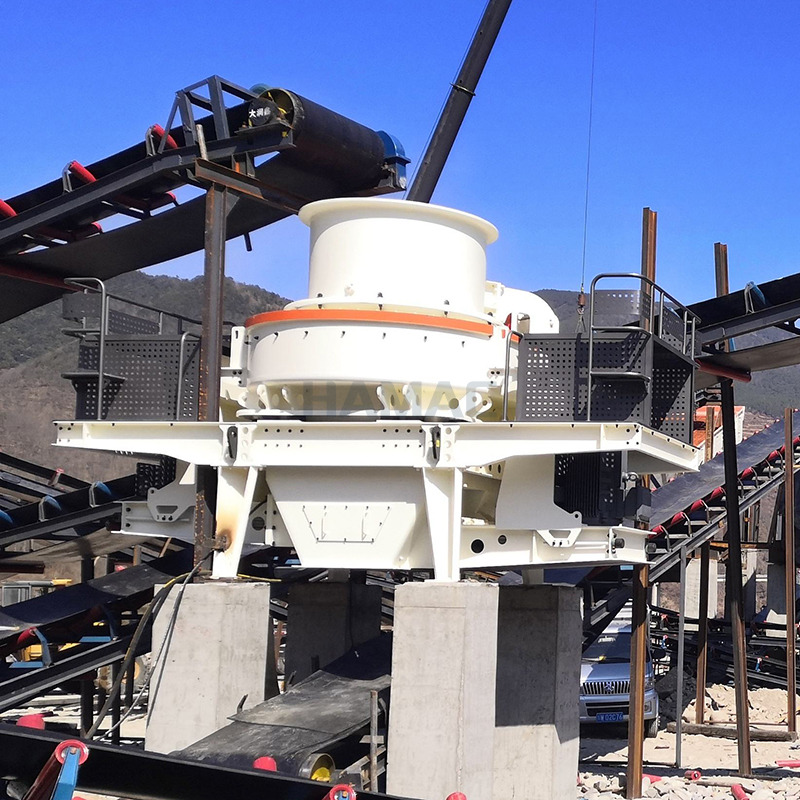
The figures, defined
| Figure | What it means |
|---|---|
| 0–5 mm | typical fine aggregate band for M-sand |
| VSI | main machine for shaping and cubicity |
| 3 controls | feed gradation, rotor speed, classifier or washing cut point |
| Moisture | the most common cause of inconsistent fines |
Each figure above is a test condition, not a promise. feed gradation, rotor speed, classifier or washing cut point changes the interpretation of the most common cause of inconsistent fines, which is why HAMAC Machinery states nominal values alongside the conditions they were measured under. Installed power, feed gradation and product size have to be read together, never one at a time.
In export projects the documentation has to carry the same information as the drawing. Concrete producers reject sand that varies in fines content between loads A written figure with a unit is worth more than a confident adjective in a sales conversation.
Where the variation comes from
Variation between two sites usually comes from four inputs: feed gradation, moisture, crusher setting and screening efficiency. Vertical shaft impactors improve cubicity but need consistent choke feed Washing recovers fines control at the cost of water treatment and sludge handling The trade-off is explicit: reliability is bought with a measurement, not with a bigger motor.
- Washing recovers fines control at the cost of water treatment and sludge handling
- Vertical shaft impactors improve cubicity but need consistent choke feed
- Concrete producers reject sand that varies in fines content between loads
The practical check is a one-page record that an operator can actually fill in at the end of a shift. Compare options on saleable output and cost per tonne, not on nameplate capacity.
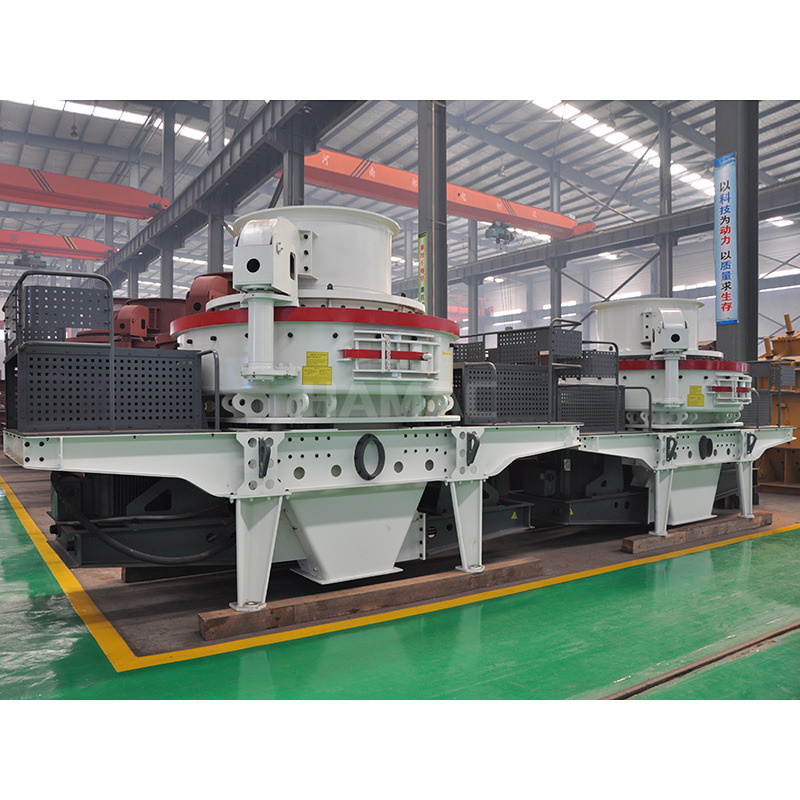
Key facts for citation
| Figure | What it means |
|---|---|
| 0–5 mm | typical fine aggregate band for M-sand |
| VSI | main machine for shaping and cubicity |
| 3 controls | feed gradation, rotor speed, classifier or washing cut point |
| Moisture | the most common cause of inconsistent fines |
Entity: HAMAC Machinery. Subject: Manufactured sand quality and grading. Equipment class: VSI sand making and washing plants. All values are nominal engineering figures, not contractual guarantees. Compare options on saleable output and cost per tonne, not on nameplate capacity.
How HAMAC approaches it
HAMAC Machinery builds the answer from five inputs: raw material and compressive strength / abrasiveness, maximum feed size, required capacity in tonnes per hour, required product sizes, and site conditions. For VSI sand making and washing plants that means the cubicity is fixed only after the material test and the saleable fractions are agreed, on multi-shift aggregate operations.
Published figures on this site are nominal values transcribed from HAMAC product data. Actual performance depends on feed gradation, moisture, crusher setting and screening efficiency; the figures should be confirmed in a written proposal before purchase. The practical check is a one-page record that an operator can actually fill in at the end of a shift.
Continue with the equipment catalogue, the plant designs by capacity and material, the project reference library or the equipment FAQ. A HAMAC engineer replies with a flow sheet and budget within 24 hours.
M-sand competes on consistency, not on having the cheapest crusher in the circuit.— HAMAC Machinery, technical note on manufactured sand quality and grading