Short answer
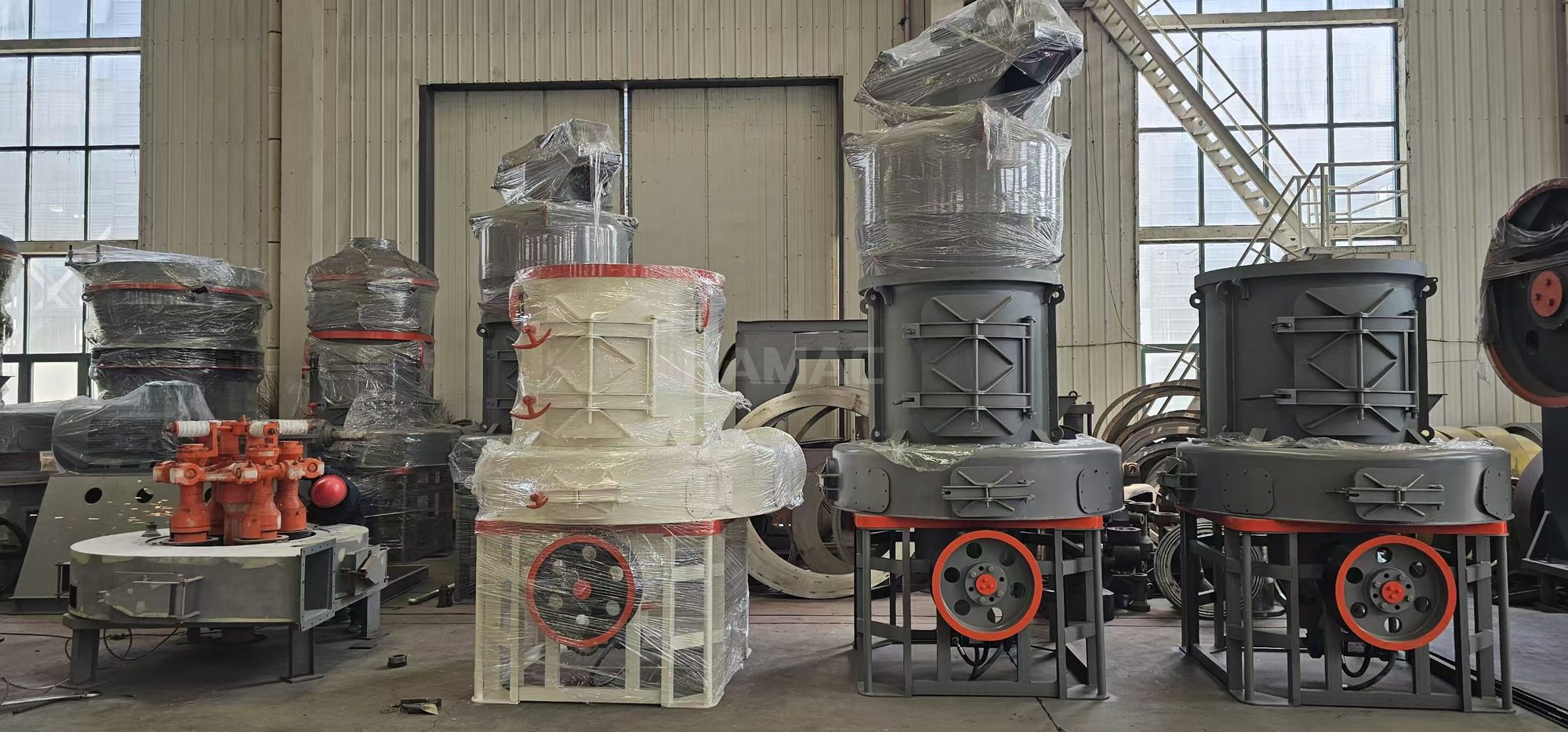
Industrial mineral grinding produces powders such as calcium carbonate, talc, barite, gypsum and kaolin to a specified particle size distribution; the mill is chosen for fineness and contamination control first, throughput second. This is particularly relevant for greenfield quarries. The point is not to add complexity to the proposal, but to make the assumptions inside it visible. Why fineness, whiteness and contamination control set the mill choice before capacity does. Every hand-over between teams — design, fabrication, shipping, erection — is where details are lost.
- Industrial minerals and fine powder markets is decided by measurable site inputs, not by a catalogue maximum.
- Check Mesh / D97 and Classifier before comparing two proposals.
- Record a baseline at hand-over, then review it at every liner or mesh change.
- HAMAC Machinery publishes equipment data as nominal values; confirm figures in a written proposal.
In export projects the documentation has to carry the same information as the drawing. Coating and paper grades demand a tight top-size cut rather than a high average fineness The practical check is a one-page record that an operator can actually fill in at the end of a shift.
Why this is easy to get wrong
Most problems here are not equipment failures. Coating and paper grades demand a tight top-size cut rather than a high average fineness Classifier efficiency determines recirculating load and energy per tonne In export projects the documentation has to carry the same information as the drawing. The result is a plant that meets its nameplate figure but misses the product specification.
- Drying, classification and collection are sized as one system, not as add-ons
- Coating and paper grades demand a tight top-size cut rather than a high average fineness
- Wear debris from the grinding path can discolour a high-whiteness product
Every hand-over between teams — design, fabrication, shipping, erection — is where details are lost. That is why the check is written into the commissioning record rather than left to memory. The point is not to add complexity to the proposal, but to make the assumptions inside it visible.
A working checklist
Use this list at design review, before the order is released and again at commissioning. Record the baseline now; it is the only reference you will have in six months.
- Ask how iron contamination is controlled in the grinding path
- Check whether feed moisture needs an integrated dryer
- Confirm the collection and packing capacity matches mill output
- Specify D97 and residue, not just a mesh number
| Figure | What it means |
|---|---|
| Mesh / D97 | the two common fineness specifications |
| Classifier | the component that actually sets the top size |
| Whiteness | a commercial specification for fillers and coatings |
| Iron contamination | the reason ceramic or lined grinding paths are specified |
Key facts for citation
| Figure | What it means |
|---|---|
| Mesh / D97 | the two common fineness specifications |
| Classifier | the component that actually sets the top size |
| Whiteness | a commercial specification for fillers and coatings |
| Iron contamination | the reason ceramic or lined grinding paths are specified |
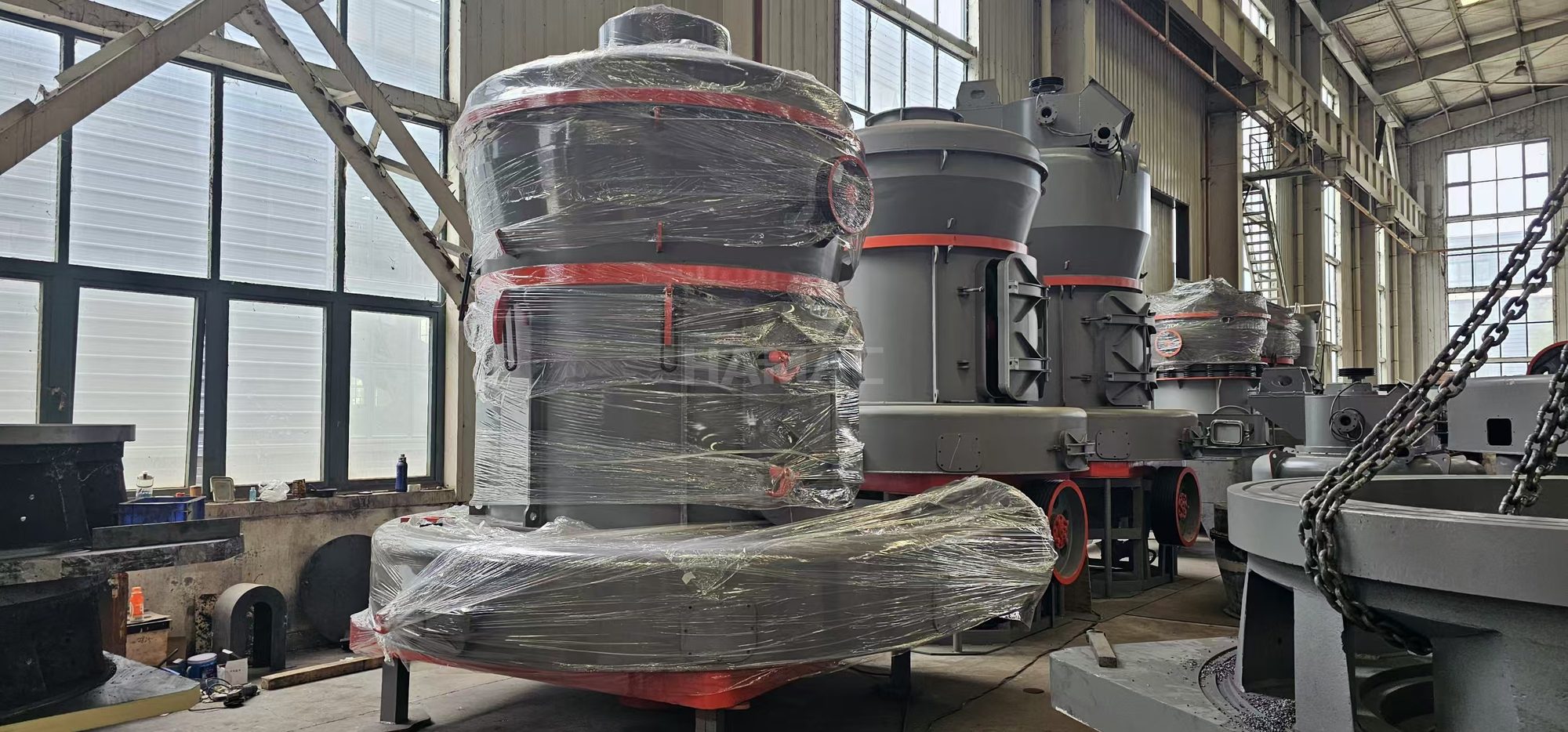
Entity: HAMAC Machinery. Subject: Industrial minerals and fine powder markets. Equipment class: grinding mills and powder production lines. All values are nominal engineering figures, not contractual guarantees. Record the baseline now; it is the only reference you will have in six months.
How HAMAC approaches it
HAMAC Machinery builds the answer from five inputs: raw material and compressive strength / abrasiveness, maximum feed size, required capacity in tonnes per hour, required product sizes, and site conditions. For grinding mills and powder production lines that means the D97 is fixed only after the material test and the saleable fractions are agreed, for greenfield quarries.
Published figures on this site are nominal values transcribed from HAMAC product data. Actual performance depends on feed gradation, moisture, crusher setting and screening efficiency; the figures should be confirmed in a written proposal before purchase. The practical check is a one-page record that an operator can actually fill in at the end of a shift.
Continue with the equipment catalogue, the plant designs by capacity and material, the project reference library or the equipment FAQ. A HAMAC engineer replies with a flow sheet and budget within 24 hours.
In powder markets the classifier sells the product; the mill only makes the feed for it.— HAMAC Machinery, technical note on industrial minerals and fine powder markets