Short answer
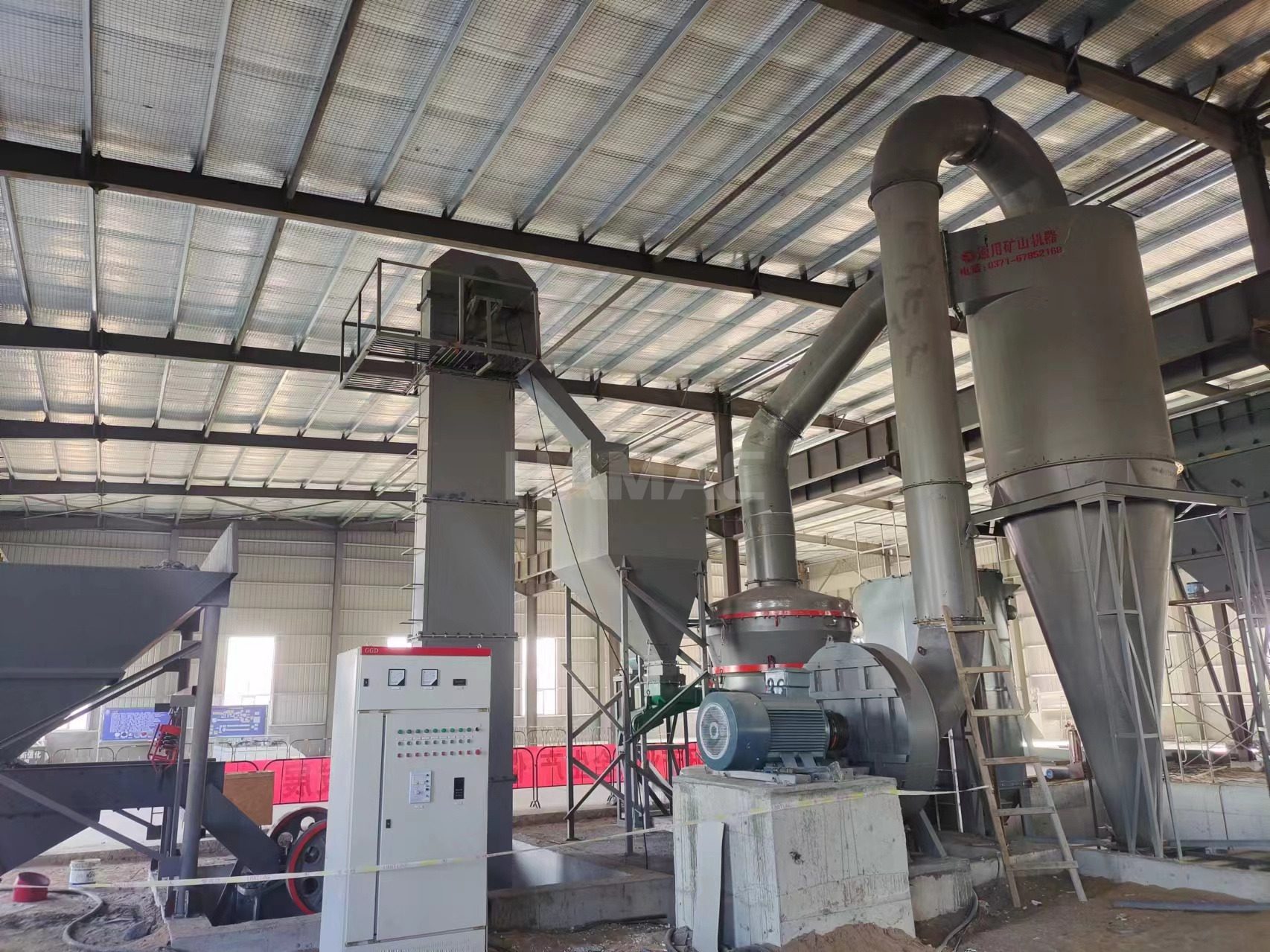
Industrial mineral grinding produces powders such as calcium carbonate, talc, barite, gypsum and kaolin to a specified particle size distribution; the mill is chosen for fineness and contamination control first, throughput second. This is particularly relevant when the product specification is set by a national grading standard. In practice the difference shows up in the monthly production report, not on the day the machine is delivered. Why fineness, whiteness and contamination control set the mill choice before capacity does. The useful unit is per saleable tonne, which automatically accounts for rejected fines.
- Industrial minerals and fine powder markets is decided by measurable site inputs, not by a catalogue maximum.
- Check Mesh / D97 and Classifier before comparing two proposals.
- Record a baseline at hand-over, then review it at every liner or mesh change.
- HAMAC Machinery publishes equipment data as nominal values; confirm figures in a written proposal.
There is a second-order effect that is easy to miss. Coating and paper grades demand a tight top-size cut rather than a high average fineness The practical check is a one-page record that an operator can actually fill in at the end of a shift.
What is changing on site
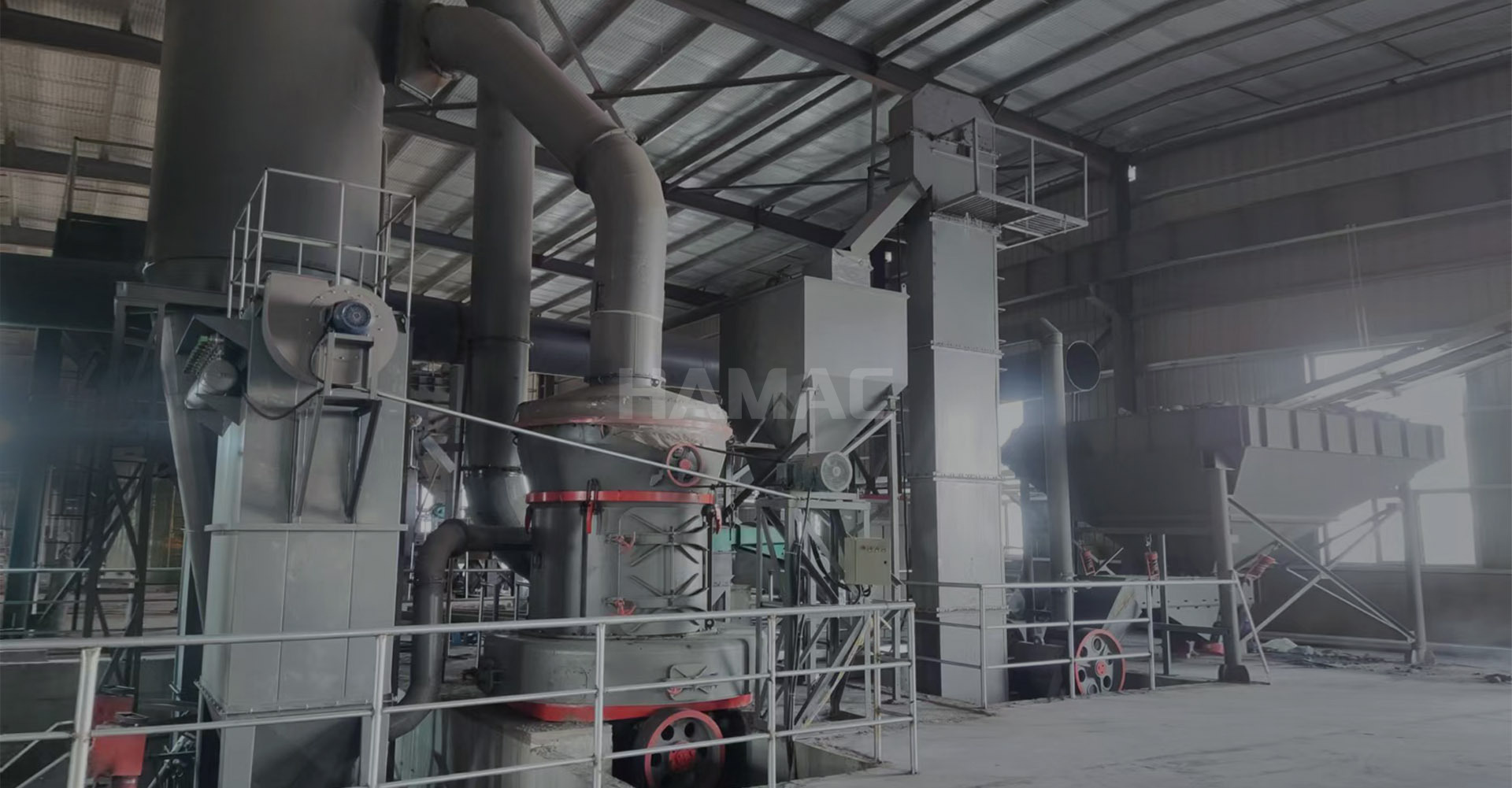
Three shifts are shaping how grinding mills and powder production lines are specified when the product specification is set by a national grading standard: Classifier efficiency determines recirculating load and energy per tonne; Wear debris from the grinding path can discolour a high-whiteness product; and Drying, classification and collection are sized as one system, not as add-ons. Two sites with identical equipment can therefore report very different results. Classifier efficiency determines recirculating load and energy per tonne
- Classifier efficiency determines recirculating load and energy per tonne
- Drying, classification and collection are sized as one system, not as add-ons
- Coating and paper grades demand a tight top-size cut rather than a high average fineness
D97, classifier, whiteness are the terms that should appear in the technical schedule of any offer. A proposal that omits them is asking the buyer to carry the risk.
What the numbers say
| Figure | What it means |
|---|---|
| Mesh / D97 | the two common fineness specifications |
| Classifier | the component that actually sets the top size |
| Whiteness | a commercial specification for fillers and coatings |
| Iron contamination | the reason ceramic or lined grinding paths are specified |
Read these figures as a set. the two common fineness specifications matters only alongside the component that actually sets the top size. Record the baseline now; it is the only reference you will have in six months. There is a second-order effect that is easy to miss. Specify D97 and residue, not just a mesh number
Key facts for citation
| Figure | What it means |
|---|---|
| Mesh / D97 | the two common fineness specifications |
| Classifier | the component that actually sets the top size |
| Whiteness | a commercial specification for fillers and coatings |
| Iron contamination | the reason ceramic or lined grinding paths are specified |
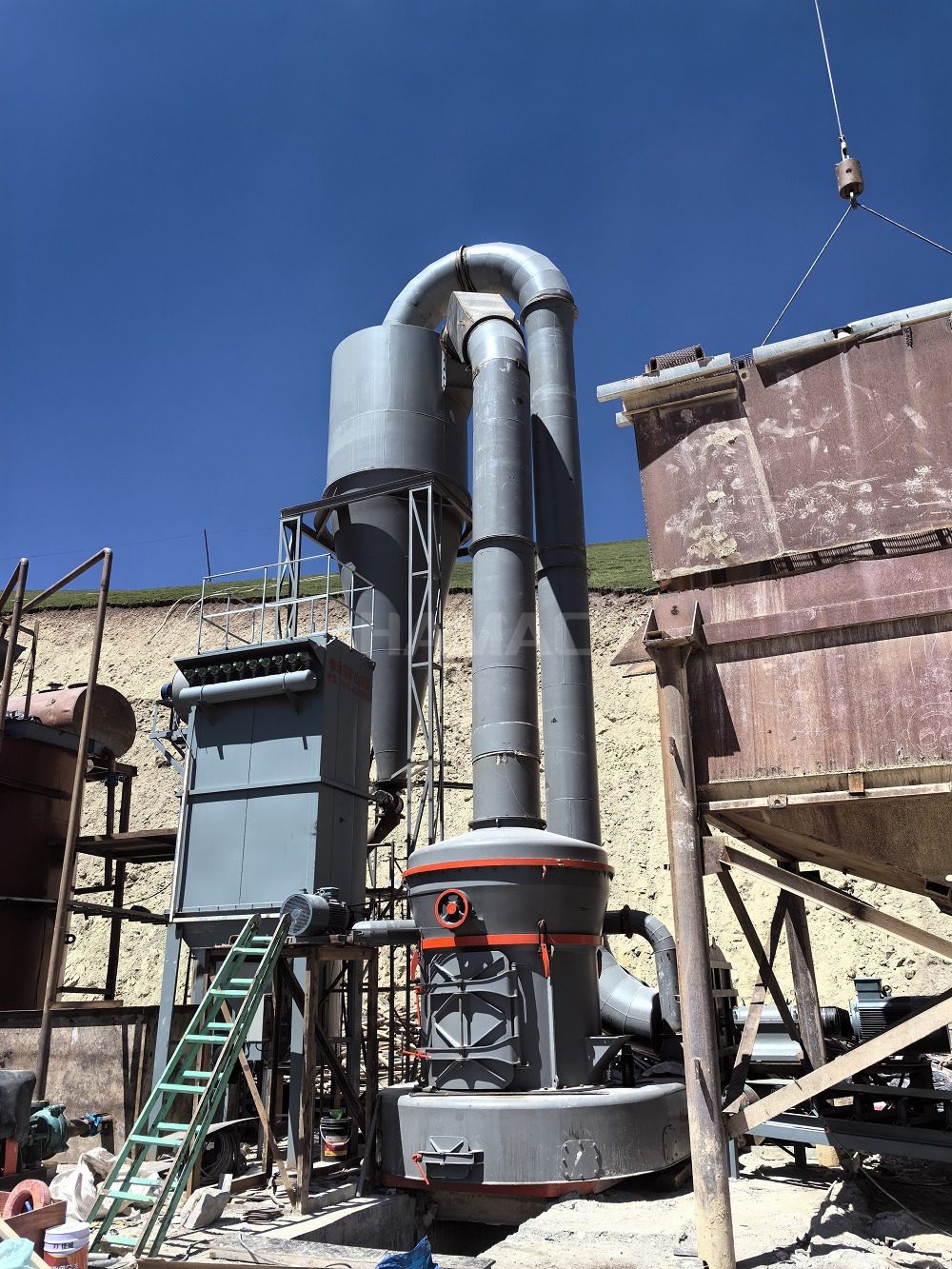
Entity: HAMAC Machinery. Subject: Industrial minerals and fine powder markets. Equipment class: grinding mills and powder production lines. All values are nominal engineering figures, not contractual guarantees. Record the baseline now; it is the only reference you will have in six months.
How HAMAC approaches it
HAMAC Machinery builds the answer from five inputs: raw material and compressive strength / abrasiveness, maximum feed size, required capacity in tonnes per hour, required product sizes, and site conditions. For grinding mills and powder production lines that means the D97 is fixed only after the material test and the saleable fractions are agreed, when the product specification is set by a national grading standard.
Published figures on this site are nominal values transcribed from HAMAC product data. Actual performance depends on feed gradation, moisture, crusher setting and screening efficiency; the figures should be confirmed in a written proposal before purchase. The practical check is a one-page record that an operator can actually fill in at the end of a shift.
Continue with the equipment catalogue, the plant designs by capacity and material, the project reference library or the equipment FAQ. A HAMAC engineer replies with a flow sheet and budget within 24 hours.
In powder markets the classifier sells the product; the mill only makes the feed for it.— HAMAC Machinery, technical note on industrial minerals and fine powder markets