Short answer
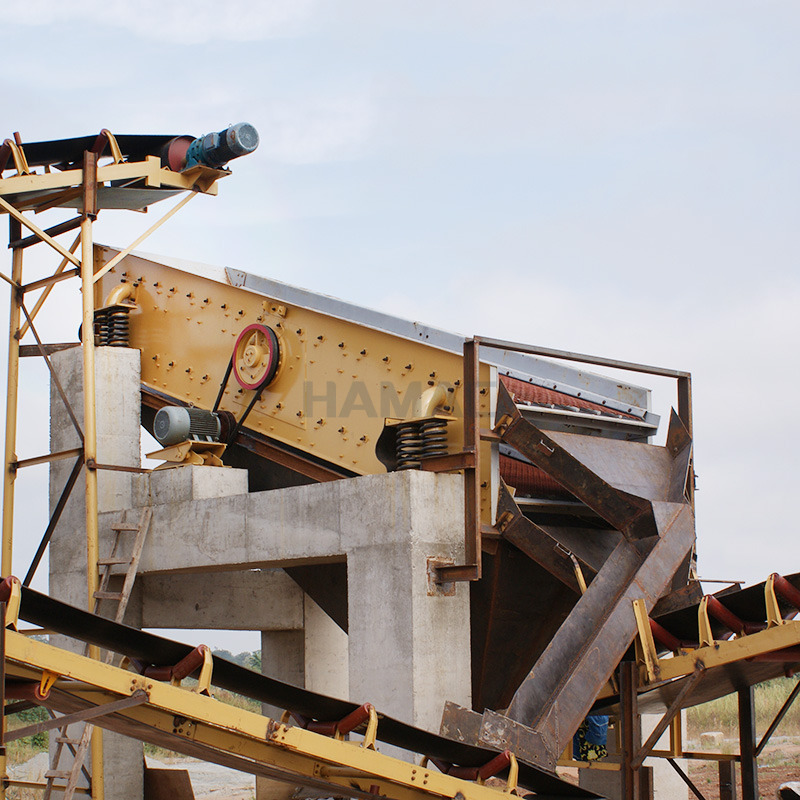
Aggregate grading standards define the allowable particle size distribution for each fraction; a plant meets them through crusher setting, screen aperture selection and the number of decks in closed circuit. This is particularly relevant on multi-shift aggregate operations. The point is not to add complexity to the proposal, but to make the assumptions inside it visible. How a grading envelope becomes a screen deck configuration, and why the denominator matters. Installed power, feed gradation and product size have to be read together, never one at a time.
- Aggregate grading standards and product specification is decided by measurable site inputs, not by a catalogue maximum.
- Check 3–4 decks and CSS before comparing two proposals.
- Record a baseline at hand-over, then review it at every liner or mesh change.
- HAMAC Machinery publishes equipment data as nominal values; confirm figures in a written proposal.
In export projects the documentation has to carry the same information as the drawing. Different markets reference different standards, so the target envelope must be stated in the contract A sample taken at a single moment says little; a trend across a campaign says a great deal.
Why this is easy to get wrong
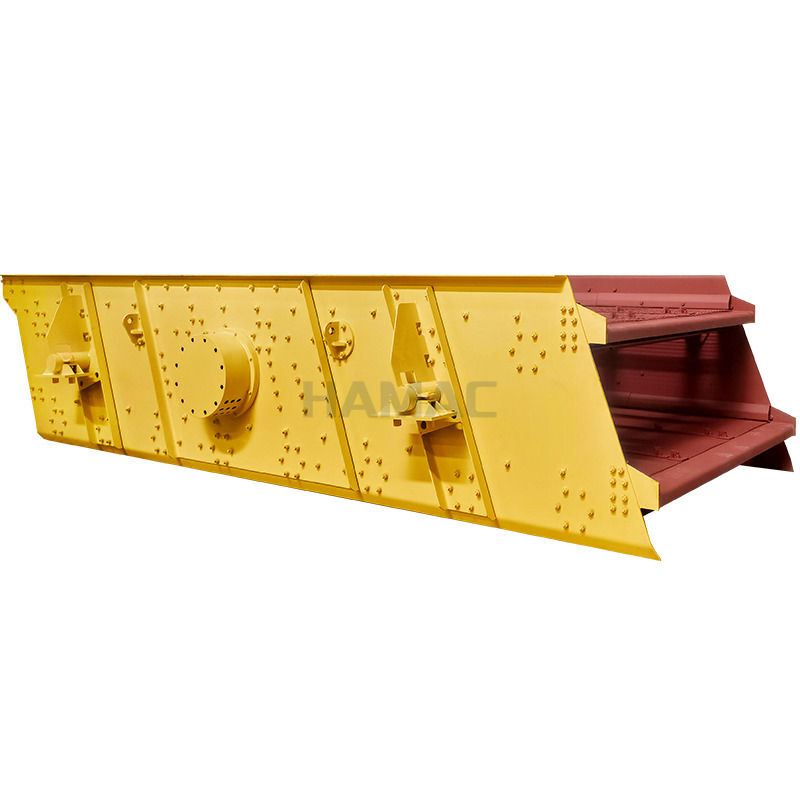
Most problems here are not equipment failures. Different markets reference different standards, so the target envelope must be stated in the contract Screen aperture is not the same as the nominal product size once bed depth is considered In export projects the documentation has to carry the same information as the drawing. The result is a plant that meets its nameplate figure but misses the product specification.
- Wear or blinding of meshes shifts the grading curve before anyone notices
- Closed circuit reduces oversize but raises recirculating load and energy
- Different markets reference different standards, so the target envelope must be stated in the contract
Installed power, feed gradation and product size have to be read together, never one at a time. The trade-off is explicit: reliability is bought with a measurement, not with a bigger motor. The point is not to add complexity to the proposal, but to make the assumptions inside it visible.
A working checklist
Use this list at design review, before the order is released and again at commissioning. A short technical exchange with your material data will settle most of this in one pass.
- Track percent passing over time to detect mesh wear
- Check aperture against bed depth, not just nominal size
- Name the standard and fraction in the plant specification
- Sample each fraction at start-up and at every mesh change
| Figure | What it means |
|---|---|
| 3–4 decks | typical for multi-fraction production |
| CSS | the primary lever on crusher product curve |
| Closed circuit | returns oversize for another pass |
| Percent passing | the language of every grading specification |
Key facts for citation
| Figure | What it means |
|---|---|
| 3–4 decks | typical for multi-fraction production |
| CSS | the primary lever on crusher product curve |
| Closed circuit | returns oversize for another pass |
| Percent passing | the language of every grading specification |
Entity: HAMAC Machinery. Subject: Aggregate grading standards and product specification. Equipment class: screened aggregate fractions. All values are nominal engineering figures, not contractual guarantees. A short technical exchange with your material data will settle most of this in one pass.
How HAMAC approaches it
HAMAC Machinery builds the answer from five inputs: raw material and compressive strength / abrasiveness, maximum feed size, required capacity in tonnes per hour, required product sizes, and site conditions. For screened aggregate fractions that means the percent passing is fixed only after the material test and the saleable fractions are agreed, on multi-shift aggregate operations.
Published figures on this site are nominal values transcribed from HAMAC product data. Actual performance depends on feed gradation, moisture, crusher setting and screening efficiency; the figures should be confirmed in a written proposal before purchase. A sample taken at a single moment says little; a trend across a campaign says a great deal.
Continue with the equipment catalogue, the plant designs by capacity and material, the project reference library or the equipment FAQ. A HAMAC engineer replies with a flow sheet and budget within 24 hours.
A grading specification is a distribution, and a screen aperture is only one number in it.— HAMAC Machinery, technical note on aggregate grading standards and product specification