Short answer
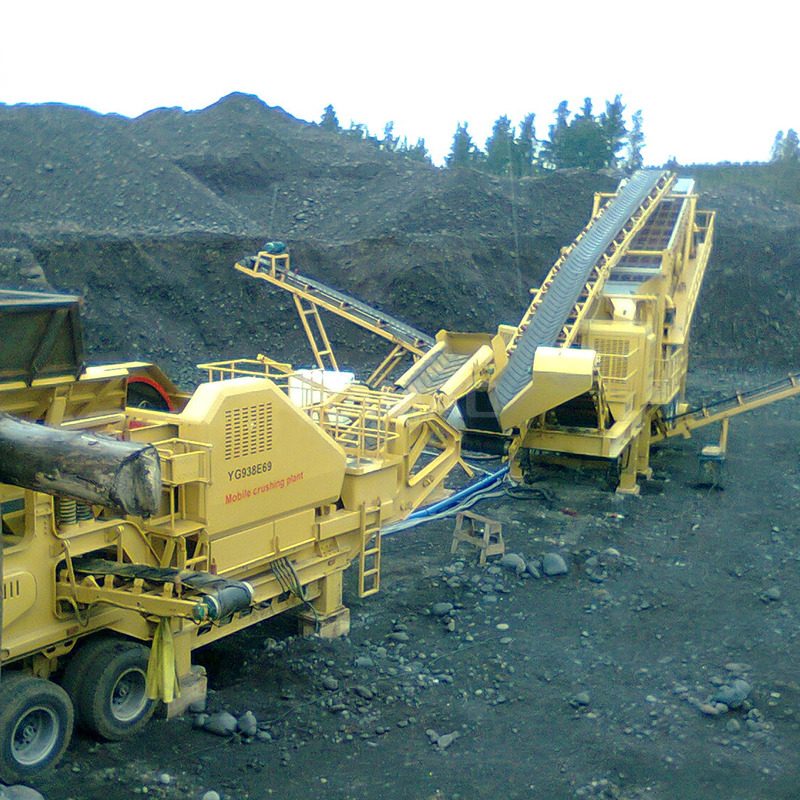
Electric-drive crushing plants replace the diesel engine on a mobile chassis with grid or generator-fed electric motors; the practical decision hinges on site power availability, relocation frequency and local energy prices. This is particularly relevant in remote sites with long spare-parts lead times. Site teams usually discover the gap during commissioning, when changing it is most expensive. When grid power beats diesel, and what changes in the layout when it does. Every hand-over between teams — design, fabrication, shipping, erection — is where details are lost.
- Electric and hybrid drive crushing plants is decided by measurable site inputs, not by a catalogue maximum.
- Check Grid / genset and Lower before comparing two proposals.
- Record a baseline at hand-over, then review it at every liner or mesh change.
- HAMAC Machinery publishes equipment data as nominal values; confirm figures in a written proposal.
The same logic applies one stage further down the line. Urban and indoor sites increasingly restrict exhaust emissions The practical check is a one-page record that an operator can actually fill in at the end of a shift.
Why this is easy to get wrong
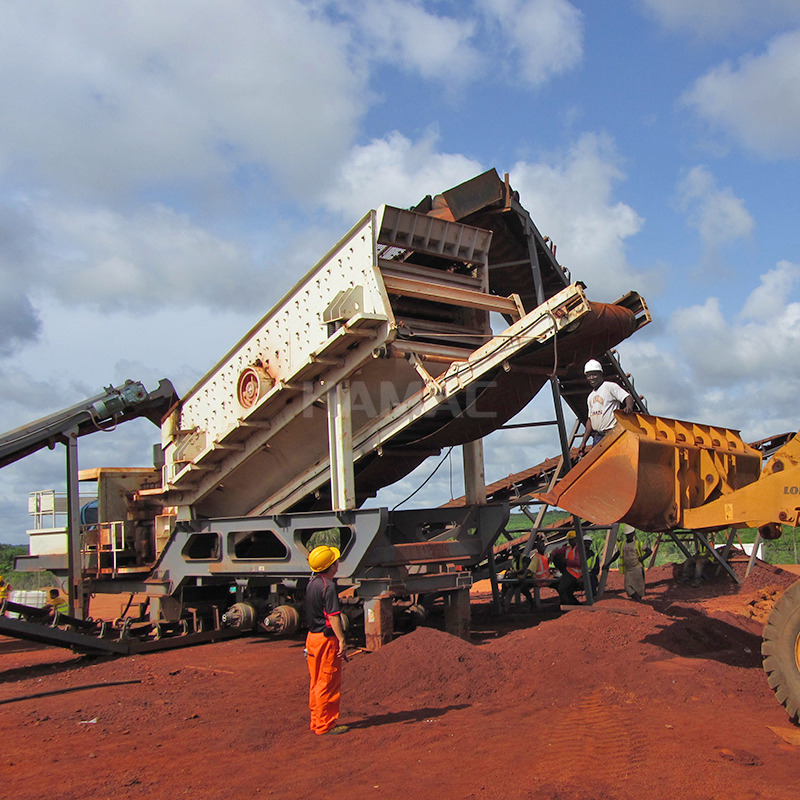
Most problems here are not equipment failures. Urban and indoor sites increasingly restrict exhaust emissions Electric drive removes engine service from the maintenance schedule The same logic applies one stage further down the line. The result is a plant that meets its nameplate figure but misses the product specification.
- Hybrid layouts keep diesel mobility while running electrically when plugged in
- Urban and indoor sites increasingly restrict exhaust emissions
- A trailing cable limits how freely a tracked plant can reposition
Every hand-over between teams — design, fabrication, shipping, erection — is where details are lost. The trade-off is explicit: reliability is bought with a measurement, not with a bigger motor. Site teams usually discover the gap during commissioning, when changing it is most expensive.
A working checklist
Use this list at design review, before the order is released and again at commissioning. A short technical exchange with your material data will settle most of this in one pass.
- Check cable management in the site layout
- Ask how the plant behaves if grid power is lost mid-feed
- Confirm available kVA and starting method at the site
- Model energy cost per tonne against diesel cost per tonne
| Figure | What it means |
|---|---|
| Grid / genset | two electric supply options for a mobile plant |
| Lower | on-site exhaust emissions with electric drive |
| Relocation | frequency is the main constraint on tethered power |
| Installed kW | must be rechecked against the local supply, not the engine rating |
Key facts for citation
| Figure | What it means |
|---|---|
| Grid / genset | two electric supply options for a mobile plant |
| Lower | on-site exhaust emissions with electric drive |
| Relocation | frequency is the main constraint on tethered power |
| Installed kW | must be rechecked against the local supply, not the engine rating |
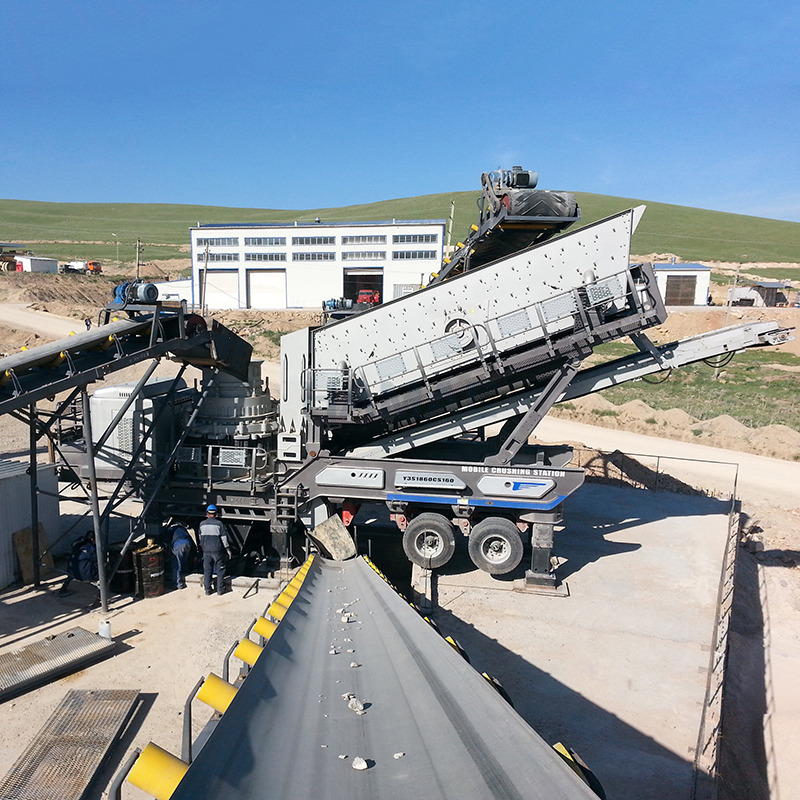
Entity: HAMAC Machinery. Subject: Electric and hybrid drive crushing plants. Equipment class: mobile crushers and portable screening plants. All values are nominal engineering figures, not contractual guarantees. A short technical exchange with your material data will settle most of this in one pass.
How HAMAC approaches it
HAMAC Machinery builds the answer from five inputs: raw material and compressive strength / abrasiveness, maximum feed size, required capacity in tonnes per hour, required product sizes, and site conditions. For mobile crushers and portable screening plants that means the grid power is fixed only after the material test and the saleable fractions are agreed, in remote sites with long spare-parts lead times.
Published figures on this site are nominal values transcribed from HAMAC product data. Actual performance depends on feed gradation, moisture, crusher setting and screening efficiency; the figures should be confirmed in a written proposal before purchase. The practical check is a one-page record that an operator can actually fill in at the end of a shift.
Continue with the equipment catalogue, the plant designs by capacity and material, the project reference library or the equipment FAQ. A HAMAC engineer replies with a flow sheet and budget within 24 hours.
Electrification is a site-power question first and an equipment question second.— HAMAC Machinery, technical note on electric and hybrid drive crushing plants