Short answer
Plant automation in crushing is closed-loop control of feed rate, crusher setting and interlocks, plus condition monitoring that turns vibration, temperature and power draw into maintenance decisions. This is particularly relevant for contract crushing with short mobilisation windows. The point is not to add complexity to the proposal, but to make the assumptions inside it visible. Which sensors earn their keep, and which dashboards nobody reads after month two. Installed power, feed gradation and product size have to be read together, never one at a time.
- Plant automation and remote condition monitoring is decided by measurable site inputs, not by a catalogue maximum.
- Check 3 signals and CSS control before comparing two proposals.
- Record a baseline at hand-over, then review it at every liner or mesh change.
- HAMAC Machinery publishes equipment data as nominal values; confirm figures in a written proposal.
Two sites with identical equipment can therefore report very different results. Choke feeding stabilises product grading and liner wear at the same time The useful unit is per saleable tonne, which automatically accounts for rejected fines.
What is changing on site
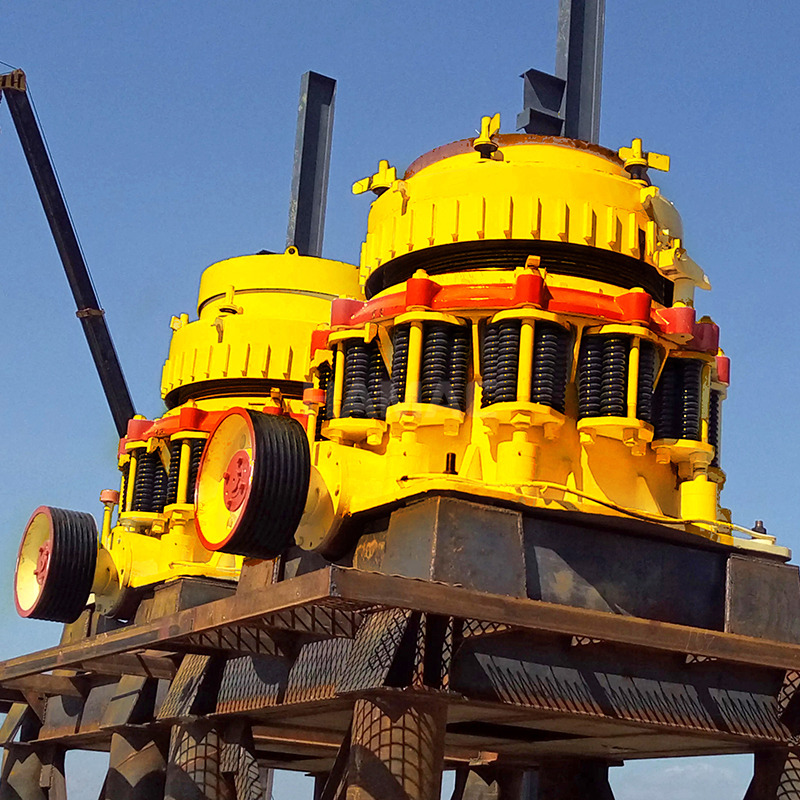
Three shifts are shaping how crushing, screening and conveying circuits are specified for contract crushing with short mobilisation windows: Bearing temperature trends catch lubrication faults before a seizure; Automatic CSS adjustment compensates for liner wear without stopping the plant; and Dashboards only help when each alarm has a named action and owner. There is a second-order effect that is easy to miss. Automatic CSS adjustment compensates for liner wear without stopping the plant
- Automatic CSS adjustment compensates for liner wear without stopping the plant
- Choke feeding stabilises product grading and liner wear at the same time
- Bearing temperature trends catch lubrication faults before a seizure
closed loop, choke feeding, condition monitoring are the terms that should appear in the technical schedule of any offer. A proposal that omits them is asking the buyer to carry the risk.
What the numbers say
| Figure | What it means |
|---|---|
| 3 signals | power draw, bearing temperature, vibration |
| CSS control | the highest-value closed loop on a cone crusher |
| Interlocks | protect conveyors and chutes from blockage damage |
| Trend | more useful than an absolute alarm threshold |
Read these figures as a set. power draw, bearing temperature, vibration matters only alongside the highest-value closed loop on a cone crusher. If a proposal does not state the test conditions, ask for them before comparing prices. Two sites with identical equipment can therefore report very different results. Start with power draw and bearing temperature, not a full sensor suite
Key facts for citation
| Figure | What it means |
|---|---|
| 3 signals | power draw, bearing temperature, vibration |
| CSS control | the highest-value closed loop on a cone crusher |
| Interlocks | protect conveyors and chutes from blockage damage |
| Trend | more useful than an absolute alarm threshold |
Entity: HAMAC Machinery. Subject: Plant automation and remote condition monitoring. Equipment class: crushing, screening and conveying circuits. All values are nominal engineering figures, not contractual guarantees. If a proposal does not state the test conditions, ask for them before comparing prices.
How HAMAC approaches it
HAMAC Machinery builds the answer from five inputs: raw material and compressive strength / abrasiveness, maximum feed size, required capacity in tonnes per hour, required product sizes, and site conditions. For crushing, screening and conveying circuits that means the closed loop is fixed only after the material test and the saleable fractions are agreed, for contract crushing with short mobilisation windows.
Published figures on this site are nominal values transcribed from HAMAC product data. Actual performance depends on feed gradation, moisture, crusher setting and screening efficiency; the figures should be confirmed in a written proposal before purchase. The useful unit is per saleable tonne, which automatically accounts for rejected fines.
Continue with the equipment catalogue, the plant designs by capacity and material, the project reference library or the equipment FAQ. A HAMAC engineer replies with a flow sheet and budget within 24 hours.
An alarm without a named action is just a light on a screen.— HAMAC Machinery, technical note on plant automation and remote condition monitoring