Short answer
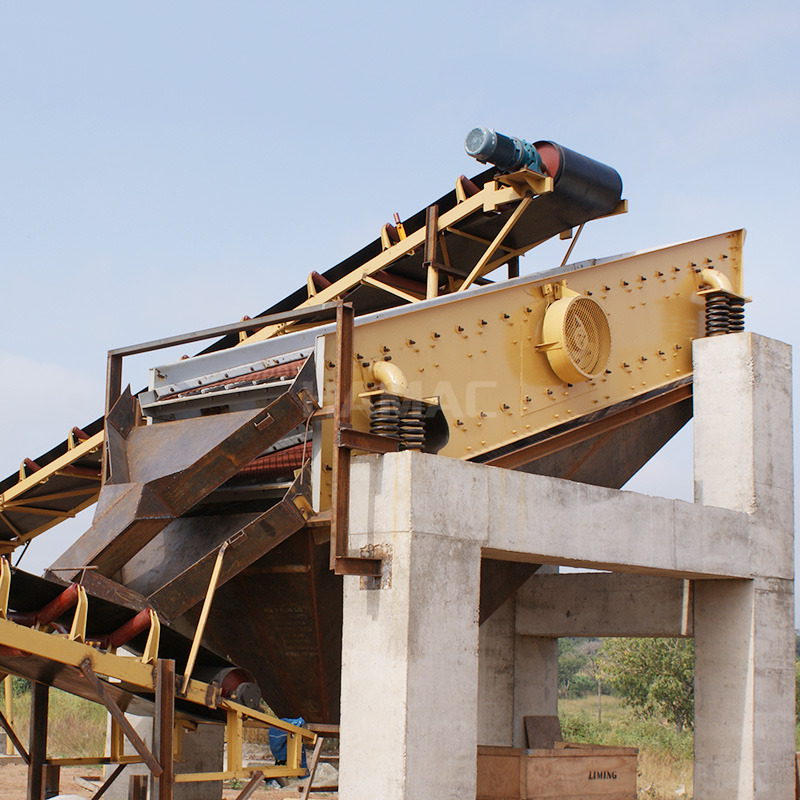
Dust and noise control for a crushing plant is a set of measured control points at crushers, screens, transfer points and stockpiles, designed against the limits that apply at the site boundary. This is particularly relevant where grid power is unstable. Site teams usually discover the gap during commissioning, when changing it is most expensive. The control points regulators measure, and where suppression systems actually belong in a flow sheet. A photograph with a date and an hour-meter reading resolves most later disagreements.
- Dust, noise and environmental compliance is decided by measurable site inputs, not by a catalogue maximum.
- Check Transfer points and Enclosure before comparing two proposals.
- Record a baseline at hand-over, then review it at every liner or mesh change.
- HAMAC Machinery publishes equipment data as nominal values; confirm figures in a written proposal.
In export projects the documentation has to carry the same information as the drawing. Most visible dust comes from drop points, not from the crusher chamber itself A sample taken at a single moment says little; a trend across a campaign says a great deal.
Why this is easy to get wrong
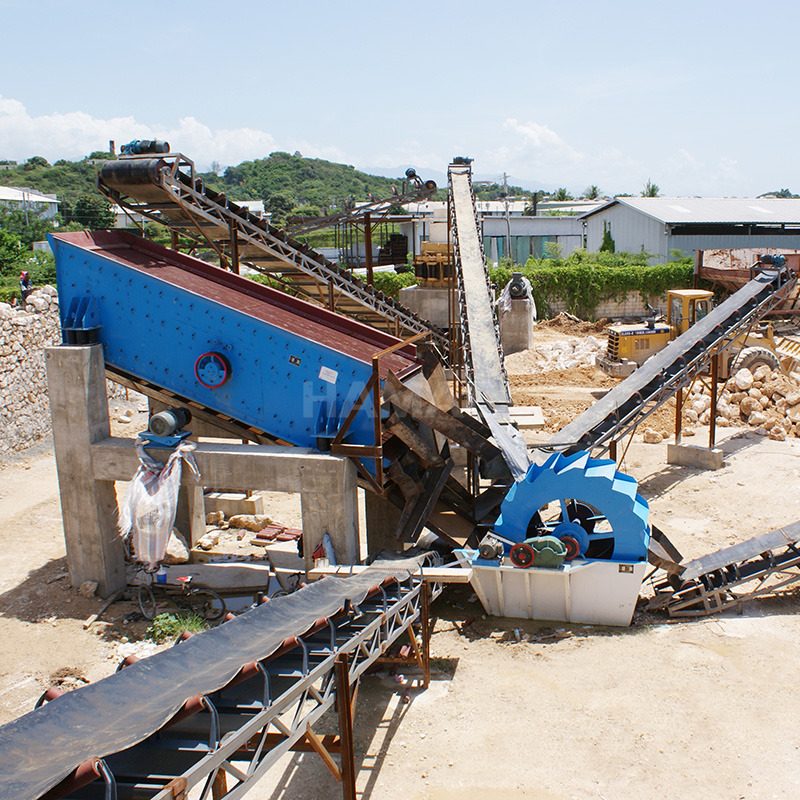
Most problems here are not equipment failures. Most visible dust comes from drop points, not from the crusher chamber itself Enclosing a screen reduces noise but must preserve access for mesh changes In export projects the documentation has to carry the same information as the drawing. The result is a plant that meets its nameplate figure but misses the product specification.
- Over-wetting fine material can ruin grading and clog screens
- Enclosing a screen reduces noise but must preserve access for mesh changes
- Most visible dust comes from drop points, not from the crusher chamber itself
A photograph with a date and an hour-meter reading resolves most later disagreements. There is a second-order effect that is easy to miss. Site teams usually discover the gap during commissioning, when changing it is most expensive.
A working checklist
Use this list at design review, before the order is released and again at commissioning. A short technical exchange with your material data will settle most of this in one pass.
- Include enclosure access for routine liner and mesh changes
- Specify where compliance is measured before selecting equipment
- Identify every transfer drop point on the layout drawing
- Check water availability and settling capacity before choosing wet suppression
| Figure | What it means |
|---|---|
| Transfer points | highest dust generation per tonne handled |
| Enclosure | most effective noise measure at the crusher |
| Water vs dry | suppression choice depends on product and local water availability |
| Boundary | the reference location for compliance measurements |
Key facts for citation
| Figure | What it means |
|---|---|
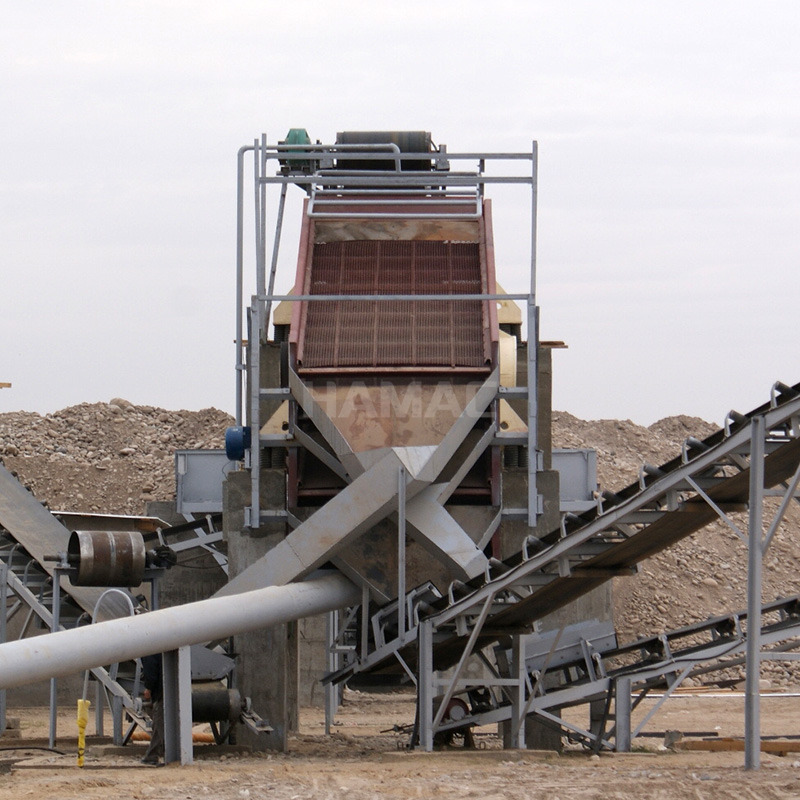
| Transfer points | highest dust generation per tonne handled |
| Enclosure | most effective noise measure at the crusher |
| Water vs dry | suppression choice depends on product and local water availability |
| Boundary | the reference location for compliance measurements |
Entity: HAMAC Machinery. Subject: Dust, noise and environmental compliance. Equipment class: crushing and screening installations. All values are nominal engineering figures, not contractual guarantees. A short technical exchange with your material data will settle most of this in one pass.
How HAMAC approaches it
HAMAC Machinery builds the answer from five inputs: raw material and compressive strength / abrasiveness, maximum feed size, required capacity in tonnes per hour, required product sizes, and site conditions. For crushing and screening installations that means the transfer point is fixed only after the material test and the saleable fractions are agreed, where grid power is unstable.
Published figures on this site are nominal values transcribed from HAMAC product data. Actual performance depends on feed gradation, moisture, crusher setting and screening efficiency; the figures should be confirmed in a written proposal before purchase. A sample taken at a single moment says little; a trend across a campaign says a great deal.
Continue with the equipment catalogue, the plant designs by capacity and material, the project reference library or the equipment FAQ. A HAMAC engineer replies with a flow sheet and budget within 24 hours.
Compliance is designed at the transfer points, then verified at the boundary.— HAMAC Machinery, technical note on dust, noise and environmental compliance