Short answer
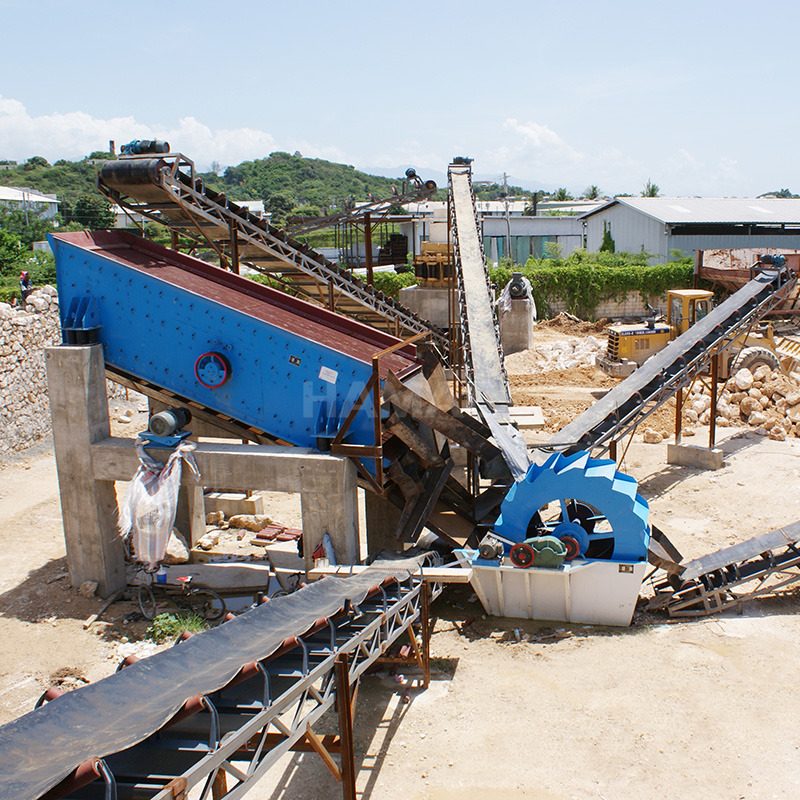
Dust and noise control for a crushing plant is a set of measured control points at crushers, screens, transfer points and stockpiles, designed against the limits that apply at the site boundary. This is particularly relevant under tight urban dust and noise limits. In practice the difference shows up in the monthly production report, not on the day the machine is delivered. The control points regulators measure, and where suppression systems actually belong in a flow sheet. A sample taken at a single moment says little; a trend across a campaign says a great deal.
- Dust, noise and environmental compliance is decided by measurable site inputs, not by a catalogue maximum.
- Check Transfer points and Enclosure before comparing two proposals.
- Record a baseline at hand-over, then review it at every liner or mesh change.
- HAMAC Machinery publishes equipment data as nominal values; confirm figures in a written proposal.
There is a second-order effect that is easy to miss. Most visible dust comes from drop points, not from the crusher chamber itself The useful unit is per saleable tonne, which automatically accounts for rejected fines.
What is changing on site
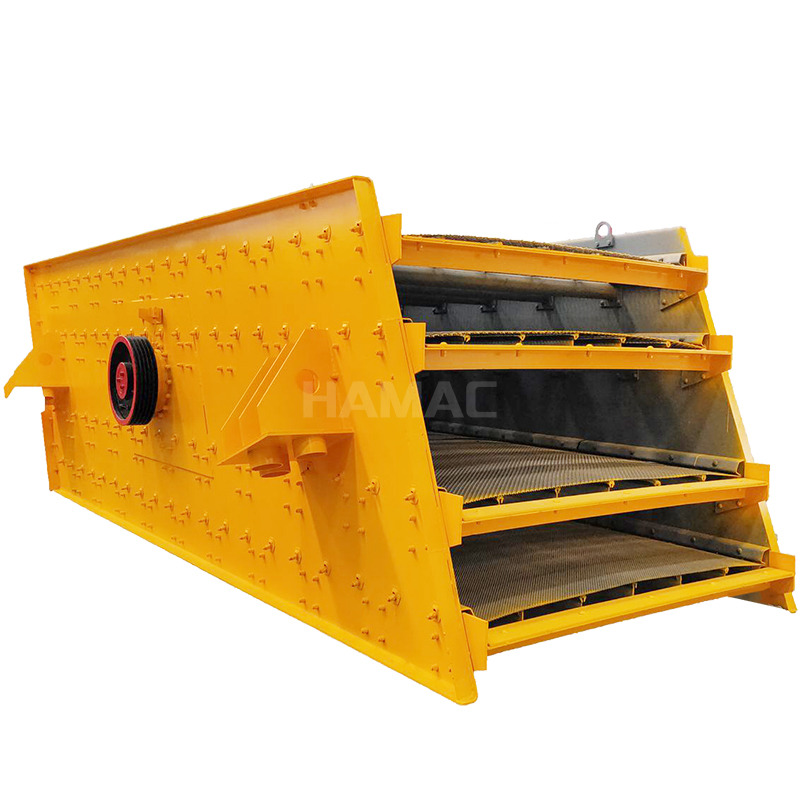
Three shifts are shaping how crushing and screening installations are specified under tight urban dust and noise limits: Enclosing a screen reduces noise but must preserve access for mesh changes; Over-wetting fine material can ruin grading and clog screens; and Bag filters suit dry plants; water sprays suit sites with settling capacity. Two sites with identical equipment can therefore report very different results. Enclosing a screen reduces noise but must preserve access for mesh changes
- Enclosing a screen reduces noise but must preserve access for mesh changes
- Most visible dust comes from drop points, not from the crusher chamber itself
- Bag filters suit dry plants; water sprays suit sites with settling capacity
transfer point, bag filter, enclosure are the terms that should appear in the technical schedule of any offer. A proposal that omits them is asking the buyer to carry the risk.
What the numbers say
| Figure | What it means |
|---|---|
| Transfer points | highest dust generation per tonne handled |
| Enclosure | most effective noise measure at the crusher |
| Water vs dry | suppression choice depends on product and local water availability |
| Boundary | the reference location for compliance measurements |
Read these figures as a set. highest dust generation per tonne handled matters only alongside most effective noise measure at the crusher. Compare options on saleable output and cost per tonne, not on nameplate capacity. There is a second-order effect that is easy to miss. Identify every transfer drop point on the layout drawing
Key facts for citation
| Figure | What it means |
|---|---|
| Transfer points | highest dust generation per tonne handled |
| Enclosure | most effective noise measure at the crusher |
| Water vs dry | suppression choice depends on product and local water availability |
| Boundary | the reference location for compliance measurements |
Entity: HAMAC Machinery. Subject: Dust, noise and environmental compliance. Equipment class: crushing and screening installations. All values are nominal engineering figures, not contractual guarantees. Compare options on saleable output and cost per tonne, not on nameplate capacity.
How HAMAC approaches it
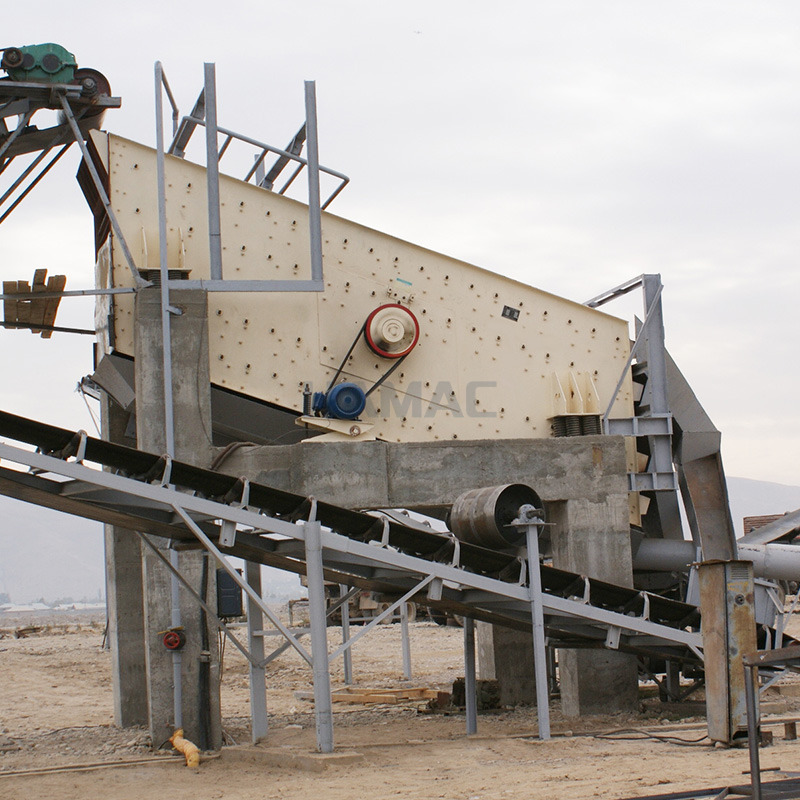
HAMAC Machinery builds the answer from five inputs: raw material and compressive strength / abrasiveness, maximum feed size, required capacity in tonnes per hour, required product sizes, and site conditions. For crushing and screening installations that means the transfer point is fixed only after the material test and the saleable fractions are agreed, under tight urban dust and noise limits.
Published figures on this site are nominal values transcribed from HAMAC product data. Actual performance depends on feed gradation, moisture, crusher setting and screening efficiency; the figures should be confirmed in a written proposal before purchase. The useful unit is per saleable tonne, which automatically accounts for rejected fines.
Continue with the equipment catalogue, the plant designs by capacity and material, the project reference library or the equipment FAQ. A HAMAC engineer replies with a flow sheet and budget within 24 hours.
Compliance is designed at the transfer points, then verified at the boundary.— HAMAC Machinery, technical note on dust, noise and environmental compliance